





Calendar Template For Google Sheets Overview
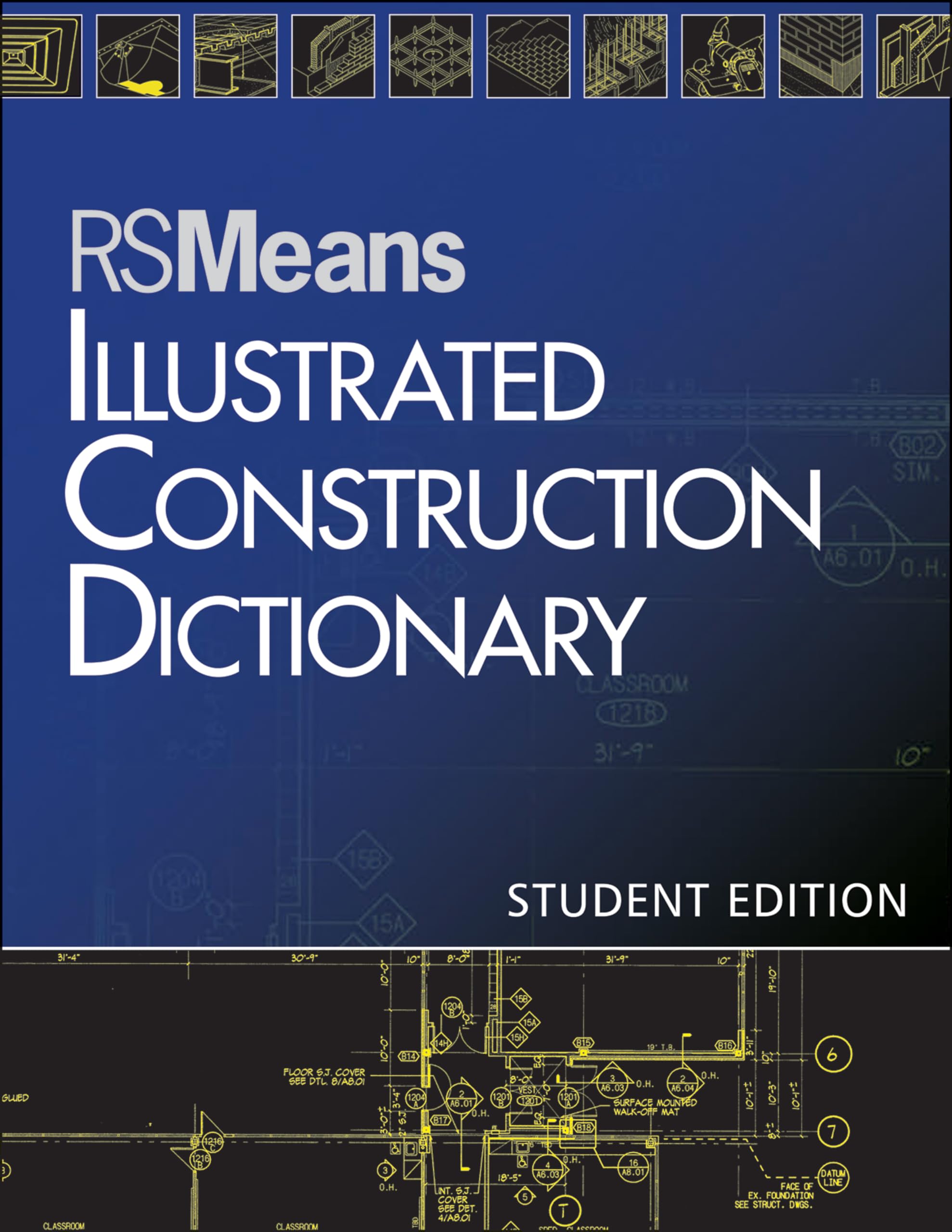
"rs means construction" is a phrase that might pop up when you're planning a home renovation or building project. It's a mouthful, but it's a useful tool for anyone wanting to understand construction costs. So, let's break it down and see what it's all about!
Understanding RSMeans and Construction Costs
RSMeans is a database and resource for construction professionals and homeowners alike. It provides detailed information on construction costs, helping you estimate and plan your project's budget. This tool is a go-to for many in the industry, offering insights into labor, materials, and other expenses. It's especially handy for comparing quotes and ensuring you get a fair deal.
When using RSMeans, you can get a good idea of what your project might cost. It considers various factors like the size of the project, the materials you choose, and the local labor rates. This data helps you set a realistic budget and understand the costs involved. It's a great way to ensure you're not overspending or underestimating the expenses.
Hiring a Contractor: What to Look For
When it comes to hiring a contractor, RSMeans can be a valuable ally. It can help you understand the typical costs for your project, so you know if a quote is reasonable. Before hiring, always check the contractor's references and licenses. Ask for a detailed breakdown of the costs and what's included in the quote. A good contractor will be transparent and provide this information.
You should also consider the scope of the project and whether the contractor has experience with similar work. Don't be afraid to ask questions and get a clear picture of what you're paying for. It's your project, and you want to ensure it's done right!
Construction Company Names and Branding
Naming a construction company is an important step. It's the first impression you give to potential clients and should reflect your business's values and services. A good name is memorable, unique, and gives a hint at what you do. For example, "BuildStrong", "Renovate Right", or "HomeCrafters" are catchy and descriptive.
When choosing a name, consider registering it and checking domain availability. You want to ensure your online presence is secure and that your name isn't already taken locally. It's a small but crucial step in building your brand and standing out in a competitive industry.
Jobs and Opportunities in Construction
The construction industry offers a range of roles, from estimators who use tools like RSMeans to project managers and skilled laborers. These jobs are in demand, and you'll often find opportunities advertised online or through local trade associations. It's a varied industry, and you can specialize in different areas, whether it's residential construction, commercial projects, or specific trades like plumbing or electrical work.
Data and Tools for the Industry
RSMeans is just one of the many tools and resources available to construction professionals. These tools help manage projects, estimate costs, and keep track of industry trends. For example, cost indexes provide an overview of construction costs over time, helping businesses and homeowners plan and budget effectively. Escalation, another term for cost increases, is also an important factor to consider when planning long-term projects.
Big Companies and the Industry
In the construction world, you'll find a mix of small, local businesses and large, national firms. The size of the company often reflects the scale of projects it takes on. Big companies may have the resources to tackle large-scale developments, while smaller businesses might focus on local renovations and additions. It's a diverse industry, and both types of companies play a crucial role in building our communities.
So, there you have it! RSMeans construction is a useful tool for anyone involved in construction, whether you're a homeowner, a contractor, or a business owner. It's a great way to stay informed and ensure your projects are on track and within budget.
Related: What's the best deer feeding chart for me?
You've likely landed here with a specific goal: to find a clear, concise deer feeding chart that offers reliable information at a glance. This chart is your go-to resource, a simple yet powerful tool for understanding deer nutrition and feeding practices. It provides a quick reference, ensuring you can make informed decisions about deer diet and care. While the exact values and formats may vary, depending on factors like region and specific needs, the deer feeding chart serves as an essential guide, offering insights into deer nutrition and the seasonal changes in their diet.
Understanding the Deer Feeding Chart
The deer feeding chart is a valuable tool for anyone managing deer populations or interested in their nutrition. It provides a comprehensive overview of the dietary needs of deer, offering insights into their feeding habits and requirements. This chart is designed to simplify the process of understanding deer nutrition and ensuring their proper care.
Comparing Chart Formats and Standards
There are various formats and standards for deer feeding charts, often influenced by regional differences and specific use cases. These charts typically present information on the nutritional composition of deer diets, including the percentage of protein, fiber, and other essential nutrients. They may also provide guidelines on the recommended daily intake and the types of forage available during different seasons.
Step-by-Step Guide to Using the Chart
To utilize the deer feeding chart effectively, follow these steps:
Identify the age and weight of the deer you are caring for. This information is crucial as nutritional requirements vary based on these factors.
Locate the relevant section on the chart that corresponds to the deer's age and weight. The chart often has distinct categories for fawns, yearlings, and adult deer.
Read the nutritional values and guidelines provided for each category. Pay attention to the recommended daily intake and the types of forage suggested.
Adjust the feeding plan based on the chart's recommendations. Ensure a balanced diet by providing the right proportion of protein, fiber, and other nutrients.
Monitor the deer's health and behavior. If any issues arise, consult an expert or adjust the feeding plan accordingly.
Avoiding Common Misinterpretations
It's essential to note that deer feeding charts provide general guidelines, and individual deer may have unique needs. Here are some common misinterpretations to avoid:
Assuming that the chart covers all scenarios: Always consider the specific context and environment in which the deer are living. Factors like weather, habitat, and available forage may require adjustments to the feeding plan.
Neglecting individual variations: Each deer is unique, and their nutritional needs can vary. Keep a close eye on their health and behavior to ensure they are receiving adequate nutrition.
Overlooking seasonal changes: Deer's dietary requirements often change with the seasons. The chart should be used as a dynamic tool, adapting to the changing needs of deer throughout the year.
Factors Affecting Accuracy and Real-World Application
When using a deer feeding chart, keep in mind the following key factors that can influence its accuracy and practical application:
Forage availability: The type and amount of forage available in a deer's habitat can greatly impact their diet. Ensure you understand the local forage options and their nutritional value.
Weather conditions: Extreme weather events can affect the nutritional content of forage. Be prepared to adjust feeding plans during droughts, floods, or other weather-related challenges.
Deer diet composition: While the chart provides a guide, deer may have preferences for certain foods. Observe their feeding habits and adjust the diet accordingly.
Special considerations: Pregnant or nursing does, as well as injured or sick deer, may have unique nutritional needs. Consult experts for specialized feeding plans in such cases.
Remember, while the deer feeding chart is a valuable resource, it should be used flexibly and adapted to the specific needs of the deer in your care. Regular monitoring and expert advice can ensure the health and well-being of these magnificent animals.
Remember, every deer and its needs are unique, so while this chart provides a fantastic starting point, you may need to make small adjustments to find the perfect feeding routine for your furry friends. It's all about finding that sweet spot!
We've got a whole library of practical guides just like this one, covering various topics to help you navigate the wonderful world of wildlife care. So, feel free to explore and discover more tips and tricks to enhance your outdoor adventures and make the most of your time with nature's creatures. Happy reading and happy feeding!
Related: Find the Right Wood BTU Chart for Your Needs
Many people mistakenly assume that all wood types provide the same heat output, but this is far from the truth. The wood btu chart is a valuable tool that dispels this myth, offering a clear, data-driven way to compare wood types and their energy content. This chart is a straightforward reference, presenting the heat output, or BTU (British Thermal Unit), of various woods, which helps you make informed choices about firewood selection and usage. While the exact values may vary slightly depending on factors like moisture content, the wood btu chart provides a reliable guide to understanding wood fuel efficiency and heat output per cord.
A Practical Guide to the Wood BTU Chart
The wood BTU chart is a valuable tool for anyone using wood as a fuel source. It provides a clear and concise reference for understanding the heating potential of different wood types. This chart offers a quick and easy way to compare the energy content of various woods, helping you make informed decisions about fuel efficiency.
Comparing Wood Types and Their BTU Values
The wood BTU chart typically presents a range of common wood species, each with its own heating value, measured in BTUs (British Thermal Units). You'll find familiar woods like oak, maple, and pine, each with its unique energy content. The chart may also include less common varieties, offering a comprehensive overview. These values represent the heat output per unit of wood, allowing you to compare the efficiency of different woods.
Step-by-Step Guide to Using the Wood BTU Chart
Using the wood BTU chart is straightforward. First, identify the wood type you are interested in. Then, locate it on the chart and note the BTU value. This value represents the heat energy released when burning a specific amount of that wood. For instance, if you're using oak, you might find it has a higher BTU value than softer woods like pine, indicating its superior heating potential. This simple process allows you to choose the most suitable wood for your needs.
Avoiding Common Misreadings and Pitfalls
It's essential to understand that the values on the wood BTU chart are approximate and can vary. Factors like moisture content and wood density can significantly impact the actual heating value. Wet wood, for example, will have a lower BTU output than dry wood of the same type. Always ensure the wood you're using is well-seasoned and has the standard firewood moisture content of around 20% for accurate results.
Key Factors Affecting Accuracy and Real-World Use
- Moisture Content: The moisture level in wood is a critical factor. Wet wood burns inefficiently and produces less heat.
- Wood Species: Different woods have varying natural densities and energy contents.
- Seasoning Time: Properly seasoned wood is essential for accurate BTU calculations.
- Cord Measurements: Ensure you understand the standard heat output per cord to make accurate comparisons.
- Regional Variations: Some charts may have regional differences, so check the applicable standards.
Remember, while the wood BTU chart is a valuable tool, it's just a guide. Always consider the specific conditions and requirements of your situation for the most accurate and efficient wood fuel use.
Your wood BTU chart is a handy tool, a quick reference guide to keep close by. It offers a simple yet effective way to compare and understand the energy content of different wood types, an essential step when planning your fuel sources.
Remember, while this chart provides a great starting point, it's always wise to double-check the specific requirements for your project or situation. Exact values can vary, so ensure you have the right data for your needs. Bookmark this page for future reference; it might just save you some time and effort down the line!