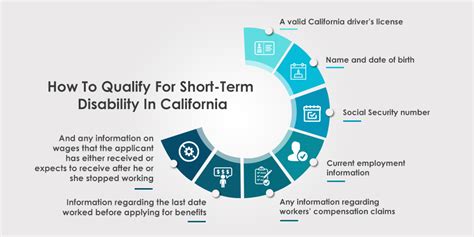
Navigating the complexities of disability benefits can be a daunting task, especially for those who are already struggling with health issues. In California, the process of applying for disability help involves multiple steps and requires a thorough understanding of the eligibility criteria, application procedures, and the various programs available. This comprehensive guide is designed to walk you through the process with confidence, ensuring that you understand your rights, the benefits you may be eligible for, and how to successfully navigate the application process.
Understanding California’s Disability Programs
California offers several disability programs catering to different needs and eligibility criteria. The primary programs include:
Social Security Disability Insurance (SSDI): This is a federal program administered by the Social Security Administration (SSA) that provides benefits to disabled workers who have paid into the system through their Social Security taxes. To qualify, you must have worked and earned a certain number of credits, and your disability must significantly limit your ability to do basic work activities for at least a year or result in death.
Supplemental Security Income (SSI): Also administered by the SSA, SSI is for disabled, blind, and elderly individuals who have limited income and resources. Unlike SSDI, SSI does not require a work history, but it does have strict income and resource limits.
California State Disability Insurance (SDI): This is a state program that provides short-term benefits to eligible workers who are unable to work due to disability, including pregnancy. SDI is funded through employee payroll deductions and provides a percentage of your income for a limited time.
Preparing to Apply
Before starting your application, gathering all necessary documents can save time and reduce the likelihood of delays. Key documents may include:
Medical Records: Comprehensive medical evidence is crucial for disability claims. Ensure you have detailed records of your condition, including diagnoses, treatments, and how your condition affects your daily life.
Work History: For SSDI and SDI applications, proof of your work history and earnings is necessary. This includes W-2 forms, pay stubs, and possibly tax returns.
Personal and Financial Information: For SSI, you’ll need to provide detailed financial information, including bank statements, to prove limited income and resources.
Application Process
The application process varies slightly depending on the program:
SSDI and SSI Applications: You can apply for these programs by calling the SSA’s toll-free number, visiting their website (ssa.gov), or in person at your local SSA office. The initial application can be lengthy and requires detailed personal, medical, and work information.
SDI Applications: For California’s SDI, you typically apply online through the Employment Development Department’s (EDD) website or by mailing a claim form. Your employer may also need to fill out a portion of the application.
Tips for a Successful Application
Be Thorough: Ensure all sections of the application are filled out completely and accurately. Incomplete applications can lead to delays or even denial of benefits.
Provide Comprehensive Medical Evidence: The SSA and other agencies rely heavily on medical evidence to make determinations. Ensure your healthcare providers understand the importance of detailed documentation.
Follow Up: After submitting your application, follow up with the respective agency to confirm receipt and to check on the status of your claim.
Appealing a Denial
If your application is denied, you have the right to appeal. The appeal process involves several stages, starting with a request for reconsideration, followed by a hearing with an Administrative Law Judge (ALJ), an Appeals Council review, and finally, a federal court review if necessary. It’s beneficial to have a disability attorney represent you during the appeal process, as they can help gather additional evidence and argue your case effectively.
Conclusion
Applying for disability help in California can seem overwhelming, but with the right information and preparation, you can navigate the process with confidence. Understanding the various programs available, gathering necessary documents in advance, and ensuring your application is thorough and complete are crucial steps. Remember, if your initial application is denied, appealing the decision is an option. With persistence and the right support, you can successfully obtain the disability benefits you are eligible for.