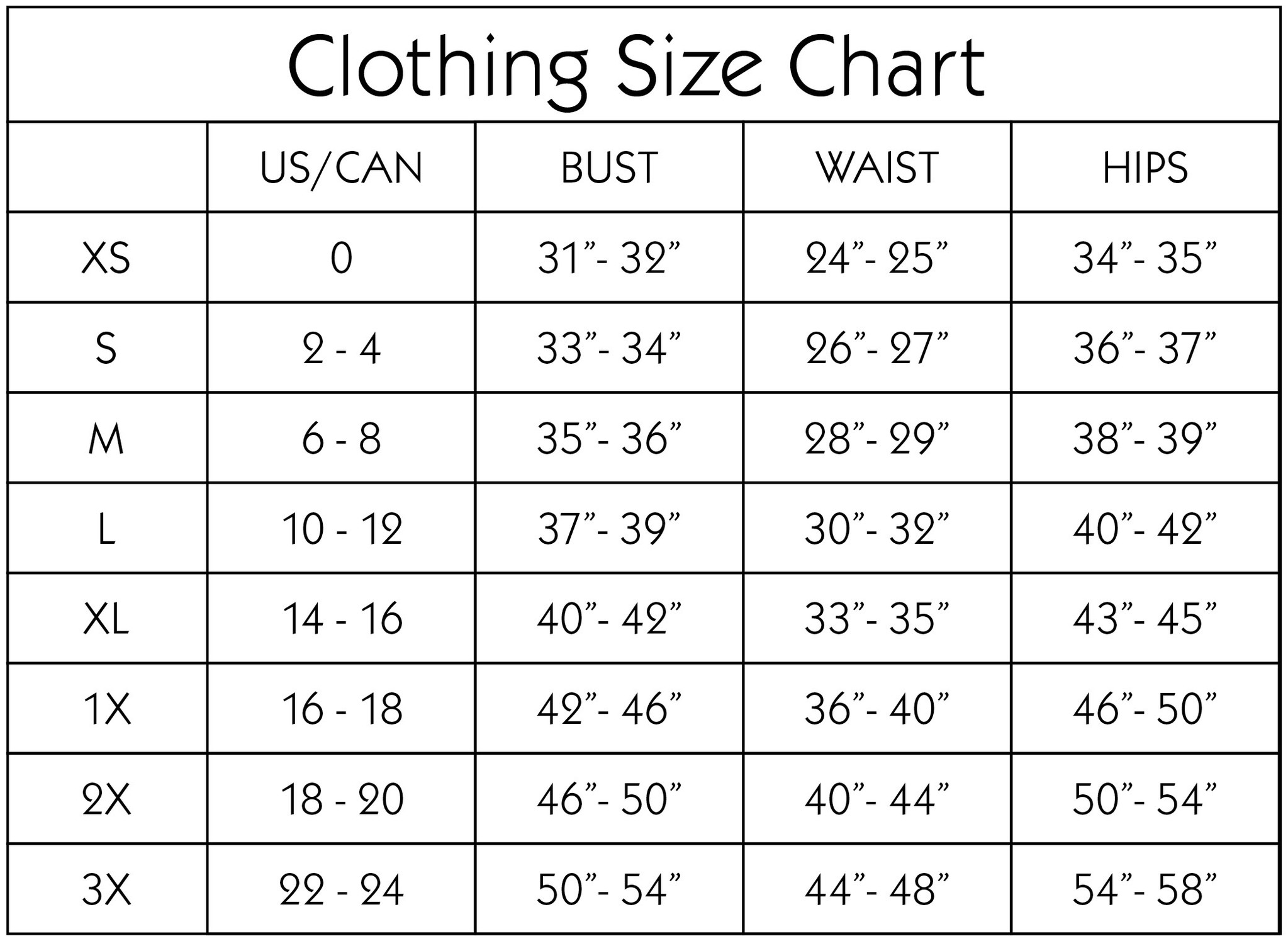


Canvas Sizes Chart Easy Overview
Many people struggle with the idea of a jeans size chart, assuming it's a complex and confusing tool. But it's actually a simple and handy reference, a quick guide to finding your perfect fit!
The chart offers a visual or tabular overview, providing waist and hip size measurements, along with other key details like inseam length and leg opening. While values may vary slightly between brands and regions, the jeans size chart is a reliable starting point for an accurate fit.
Understanding the Jeans Size Chart
The jeans size chart is your guide to finding the perfect fit for your denim dreams! It's a handy tool that translates your body measurements into the right jeans size, ensuring you look and feel great. This chart is like a secret code, but don't worry, it's easy to crack!
Key Details and Categories
Let's break down the chart's categories. Typically, a jeans size chart will have two main measurements: waist size and hip size. These are the most critical factors in finding a comfortable and flattering fit. You'll also find other details like inseam length, leg opening, and rise, which add precision to your choice. These measurements are usually in inches or centimeters, depending on the standard used. Always check the chart's units to ensure accuracy.
How to Read and Apply the Chart
Using the jeans size chart is a breeze! Here's a step-by-step guide:
- Measure your waist and hip sizes. Ensure you're measuring at the right points; for the waist, it's the narrowest part of your torso, and for the hips, it's the widest part.
- Find your waist and hip measurements on the chart. The chart will often have a grid or table format, with waist sizes along one axis and hip sizes on the other.
- Look for the intersection of your waist and hip measurements. This will give you your recommended jeans size. For example, if your waist is 28 inches and your hips are 36 inches, the chart might recommend a size 6.
- Consider other details like inseam length. If you prefer a specific leg length, choose a size that accommodates your desired inseam.
- Try it on! While charts are accurate, personal preferences and body shapes vary. So, it's always best to try the jeans and see how they feel and look.
Size Variations and Differences
It's important to note that jeans size charts can vary slightly between brands and manufacturers. This is because each brand might have a unique fit philosophy or use different measurement standards. Additionally, regional differences can impact size charts, with some countries using different sizing systems. Always check the brand's specific size guide or denim size chart to ensure you're using the right measurements. It's a good idea to refer to the brand's size guide when shopping online to avoid any surprises.
Finding the perfect jeans size is an adventure, and with this guide, you're equipped to navigate the jeans size chart like a pro!
Well, there you have it! A handy jeans size chart to keep on hand for all your denim adventures. Remember, these charts are a great starting point, but it's always wise to check the specific brand's size guide for any unique fits or styles.
Jeans shopping can be a fun and practical experience, and with this guide, you're well-equipped to find your perfect fit. So, happy browsing and remember to bookmark this page for future denim missions!
Related: What's the best deer feeding chart for me?
You've likely landed here with a specific goal: to find a clear, concise deer feeding chart that offers reliable information at a glance. This chart is your go-to resource, a simple yet powerful tool for understanding deer nutrition and feeding practices. It provides a quick reference, ensuring you can make informed decisions about deer diet and care. While the exact values and formats may vary, depending on factors like region and specific needs, the deer feeding chart serves as an essential guide, offering insights into deer nutrition and the seasonal changes in their diet.
Understanding the Deer Feeding Chart
The deer feeding chart is a valuable tool for anyone managing deer populations or interested in their nutrition. It provides a comprehensive overview of the dietary needs of deer, offering insights into their feeding habits and requirements. This chart is designed to simplify the process of understanding deer nutrition and ensuring their proper care.
Comparing Chart Formats and Standards
There are various formats and standards for deer feeding charts, often influenced by regional differences and specific use cases. These charts typically present information on the nutritional composition of deer diets, including the percentage of protein, fiber, and other essential nutrients. They may also provide guidelines on the recommended daily intake and the types of forage available during different seasons.
Step-by-Step Guide to Using the Chart
To utilize the deer feeding chart effectively, follow these steps:
Identify the age and weight of the deer you are caring for. This information is crucial as nutritional requirements vary based on these factors.
Locate the relevant section on the chart that corresponds to the deer's age and weight. The chart often has distinct categories for fawns, yearlings, and adult deer.
Read the nutritional values and guidelines provided for each category. Pay attention to the recommended daily intake and the types of forage suggested.
Adjust the feeding plan based on the chart's recommendations. Ensure a balanced diet by providing the right proportion of protein, fiber, and other nutrients.
Monitor the deer's health and behavior. If any issues arise, consult an expert or adjust the feeding plan accordingly.
Avoiding Common Misinterpretations
It's essential to note that deer feeding charts provide general guidelines, and individual deer may have unique needs. Here are some common misinterpretations to avoid:
Assuming that the chart covers all scenarios: Always consider the specific context and environment in which the deer are living. Factors like weather, habitat, and available forage may require adjustments to the feeding plan.
Neglecting individual variations: Each deer is unique, and their nutritional needs can vary. Keep a close eye on their health and behavior to ensure they are receiving adequate nutrition.
Overlooking seasonal changes: Deer's dietary requirements often change with the seasons. The chart should be used as a dynamic tool, adapting to the changing needs of deer throughout the year.
Factors Affecting Accuracy and Real-World Application
When using a deer feeding chart, keep in mind the following key factors that can influence its accuracy and practical application:
Forage availability: The type and amount of forage available in a deer's habitat can greatly impact their diet. Ensure you understand the local forage options and their nutritional value.
Weather conditions: Extreme weather events can affect the nutritional content of forage. Be prepared to adjust feeding plans during droughts, floods, or other weather-related challenges.
Deer diet composition: While the chart provides a guide, deer may have preferences for certain foods. Observe their feeding habits and adjust the diet accordingly.
Special considerations: Pregnant or nursing does, as well as injured or sick deer, may have unique nutritional needs. Consult experts for specialized feeding plans in such cases.
Remember, while the deer feeding chart is a valuable resource, it should be used flexibly and adapted to the specific needs of the deer in your care. Regular monitoring and expert advice can ensure the health and well-being of these magnificent animals.
Remember, every deer and its needs are unique, so while this chart provides a fantastic starting point, you may need to make small adjustments to find the perfect feeding routine for your furry friends. It's all about finding that sweet spot!
We've got a whole library of practical guides just like this one, covering various topics to help you navigate the wonderful world of wildlife care. So, feel free to explore and discover more tips and tricks to enhance your outdoor adventures and make the most of your time with nature's creatures. Happy reading and happy feeding!
Related: Azazie Size Chart: A Simple Guide
The Azazie size chart is a handy tool for anyone navigating the world of online clothing purchases, especially when it comes to formalwear. This guide aims to demystify the process, ensuring you understand how to use this chart effectively. Whether you're shopping for an Azazie dress or any other formal attire, having a clear grasp of size charts is essential. While size charts can vary slightly depending on the brand and region, the Azazie size chart is a reliable reference, offering a standardized approach to finding your perfect fit.
Understanding the Azazie Size Chart: A Quick Overview
The Azazie size chart is a valuable tool for anyone looking to order clothing, particularly dresses, from the Azazie brand. This chart provides a standardized guide to help you find your perfect fit, ensuring a comfortable and flattering silhouette. It is designed to simplify the sizing process and make online shopping a breeze.
Comparing Size Chart Standards and Formats
Size charts can vary depending on the brand and region. Azazie, being a popular bridal and formal wear brand, follows a specific sizing system. Their chart typically includes measurements for bust, waist, and hips, as well as dress length and sleeve options. It is essential to note that Azazie's size chart is based on standard US sizing, so if you are used to international sizing, you may need to refer to a size conversion chart to find your equivalent Azazie size.
Step-by-Step Guide to Using the Azazie Size Chart
Measuring yourself accurately is crucial when using any size chart. Here's a simple process to follow:
- Gather a flexible measuring tape and ensure it is calibrated to inches or centimeters, depending on the chart's units.
- Take your measurements: bust, waist, and hips. Stand upright and breathe normally while measuring.
- Compare your measurements to the Azazie size chart. Look for the size that aligns closest to your bust, waist, and hip measurements.
- Consider the dress style and any specific fit preferences you have. Azazie offers various silhouettes, so choose the size that best suits the style you desire.
- If your measurements fall between sizes, it's recommended to size up for a more comfortable fit, especially for formal wear.
- Take note of any additional measurements, such as dress length or sleeve length, and ensure they match your preferences.
Avoiding Common Misreadings and Pitfalls
It is easy to misinterpret size charts, especially if you are new to online shopping. Here are some tips to avoid common mistakes:
- Always double-check the units of measurement. Azazie's size chart may use inches, so ensure your tape measure is set to the correct unit.
- Be precise with your measurements. Take your time and measure multiple times to ensure accuracy.
- Understand that size charts provide a general guide. Your body shape and preferences may require some adjustments.
- If you are between sizes, opt for the larger size to avoid discomfort. You can always have alterations made to achieve the perfect fit.
- Don't forget to consider the fabric and stretchability of the garment. Some materials offer more give, so account for this when choosing your size.
Factors Affecting Accuracy and Real-World Use
Several factors can influence the accuracy of your size chart reading:
- Body shape: The size chart is a general guide, and everyone's body is unique. Consider your body shape and any areas you want to emphasize or accommodate.
- Fit preference: Do you prefer a snug fit or a more relaxed look? Adjust your size choice accordingly.
- Fabric and style: Different fabrics and dress styles can affect the fit. For instance, a structured dress may require a more precise size choice compared to a flowy, flexible fabric.
- Alterations: Keep in mind that most formal wear can be altered to achieve a perfect fit. Don't be afraid to choose a size that aligns with your measurements and make any necessary adjustments.
Choosing the Right Size Chart Format for Your Needs
Azazie offers various size charts to cater to different needs:
- Standard size chart: This is the primary chart, covering a range of sizes and providing measurements for bust, waist, hips, and dress length.
- Plus size chart: A dedicated chart for extended sizes, ensuring a comfortable fit for all body types.
- Bridal size chart: A specialized chart for bridal wear, taking into account the unique fit requirements of wedding dresses.
- Women's size guide: A comprehensive guide offering additional tips and advice for finding the perfect fit.
Keeping Your Reference Reliable for Future Use
To ensure a consistent and reliable sizing experience:
- Save your measurements in a safe place. This way, you can quickly refer to them when ordering from Azazie again.
- Take note of any adjustments or alterations you made to your previous purchases. This information will be valuable for future orders.
- Stay updated with Azazie's sizing guidelines. Brands may update their charts over time, so it's beneficial to check for any changes before placing an order.
- If you are unsure, reach out to Azazie's customer support. They can provide further guidance and ensure you make an informed choice.
Well, there you have it! We've covered a lot of ground on Azazie's size chart, and I hope this guide has provided you with the clarity and confidence to navigate it effectively.
Remember, while this chart is a fantastic tool, every individual is unique, and your specific measurements and preferences may vary. So, take a moment to ensure you've considered all the factors that apply to your situation before making any decisions. Bookmark this page for future reference, and you'll always have a handy reminder of the key steps and considerations. Happy measuring, and until next time!