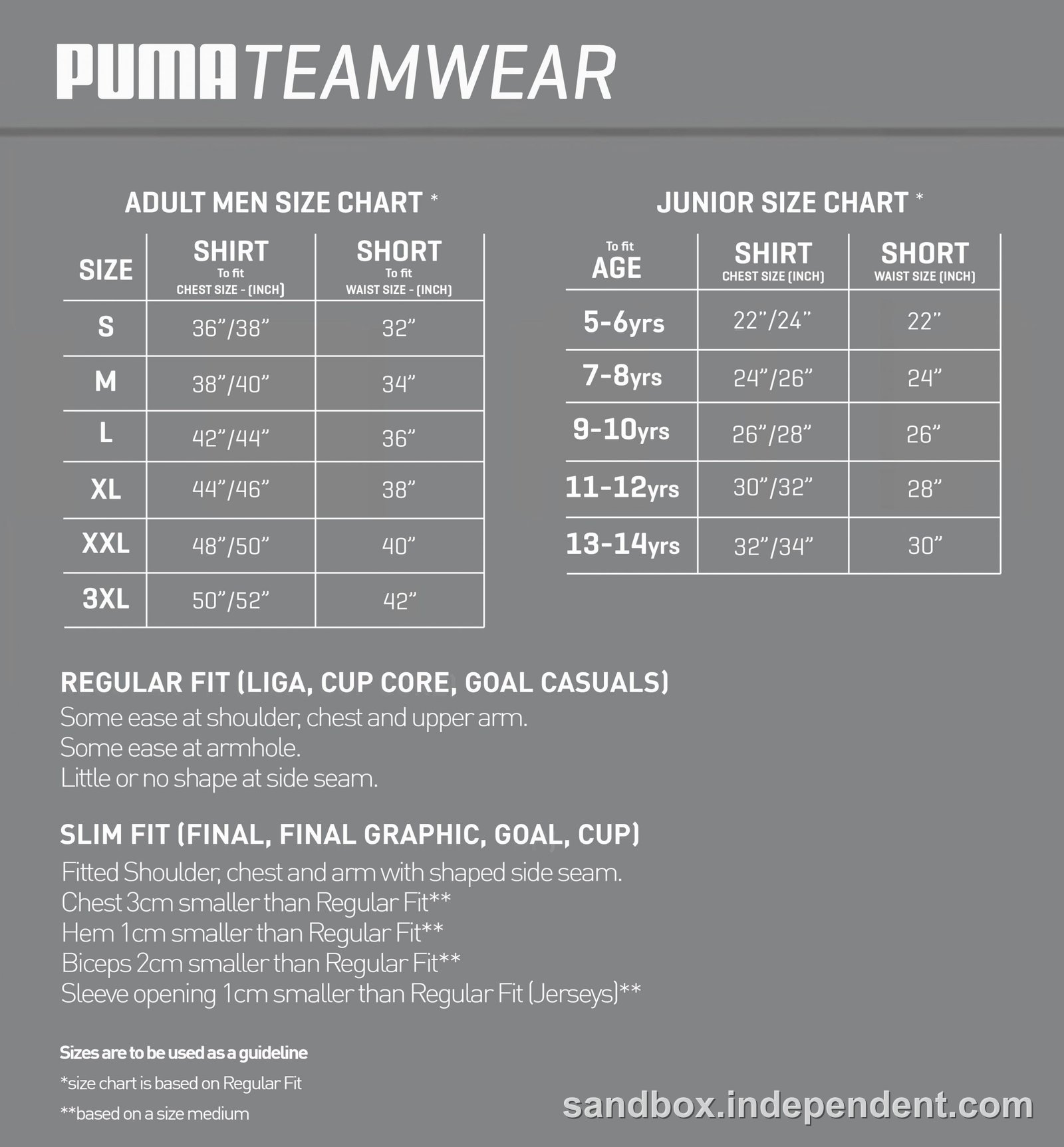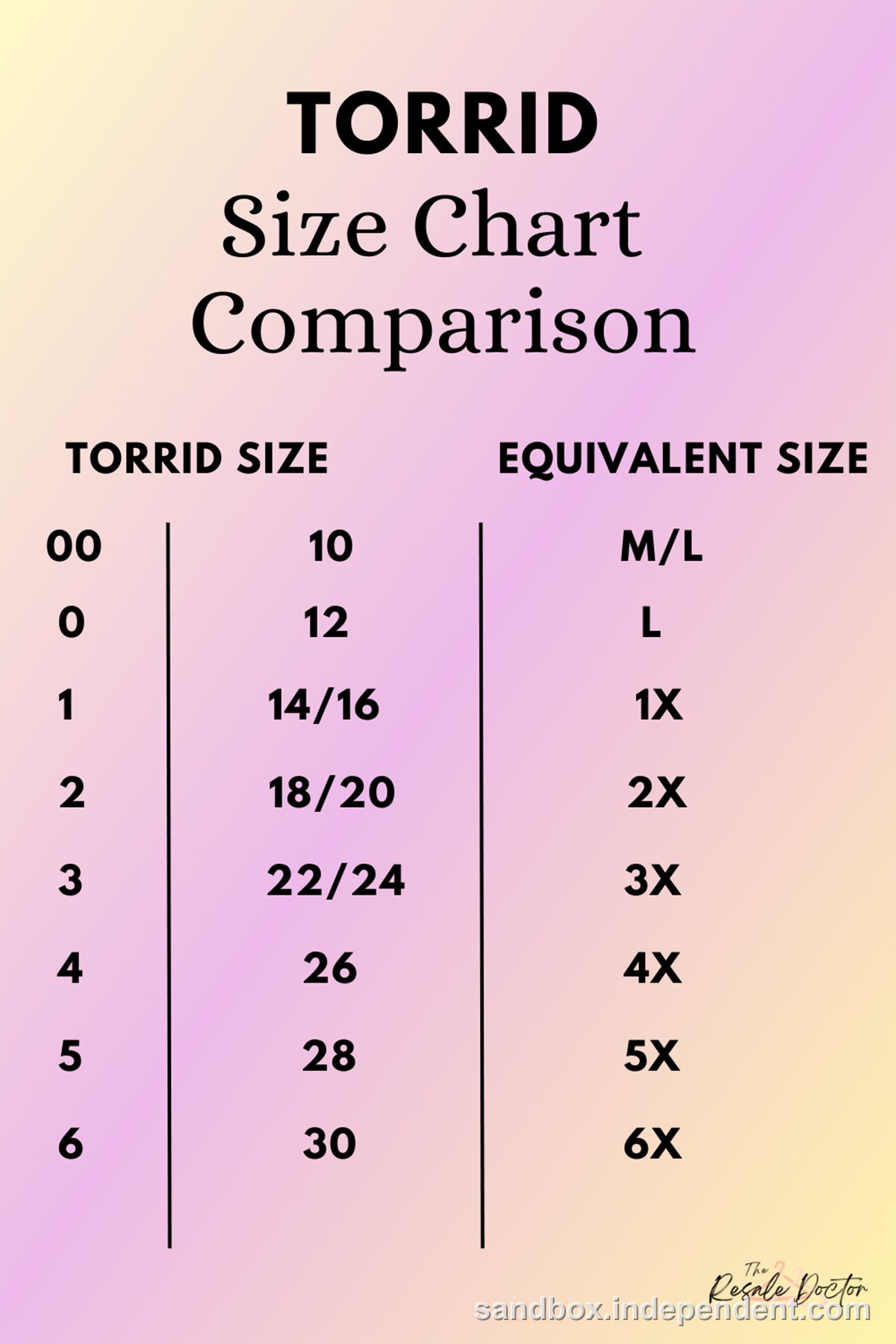


Cap Size Chart Free Printable Overview
A lexile score chart is a handy tool that simplifies the process of understanding reading levels and text complexity. This guide will provide you with a straightforward overview, ensuring you can navigate and utilize these charts effectively.
The chart acts as a visual guide, offering a quick reference for determining the difficulty of books and texts. While the specific values and formats may vary depending on the context and region, the core purpose remains the same: to provide a lexile measure, helping readers find suitable materials and track their reading progress.
Understanding Lexile Scores: A Quick Overview
The lexile score chart is a valuable tool for educators, parents, and readers to understand and match reading abilities with appropriate text complexity. It provides a simple, standardized way to measure and communicate reading levels, making it easier to select books that are neither too easy nor too challenging.
Comparing Lexile Levels and Text Complexity
The chart presents a range of lexile measures, typically from beginner levels like 0L to advanced levels exceeding 1700L. These scores indicate the text's complexity, considering factors like sentence length, word frequency, and syntax. Higher lexile scores mean more challenging texts, suitable for advanced readers.
Selecting Appropriate Texts: A Step-by-Step Guide
- Identify the reader's current lexile level. This can be done through standardized tests or by assessing their reading abilities.
- Use the lexile score chart to find the corresponding lexile range. For instance, a reader with a lexile level of 800L would fall within the range of 750L to 900L.
- Select books or materials within this range. You can use online lexile finders or check the lexile level on the book's cover or inside flap.
- Adjust as needed. If the reader finds the text too easy or too hard, consider books at the higher or lower end of the range.
Common Misconceptions and How to Avoid Them
One pitfall is assuming that higher lexile levels always indicate better reading ability. While it's true that more advanced readers will have higher lexile scores, it's essential to remember that reading ability is not solely determined by lexile level. Other factors, like reading speed, comprehension, and personal interest, also play a role.
Factors Affecting Accuracy and Real-World Use
Several variables can impact the accuracy of lexile scores and their real-world application. These include the reader's age, prior knowledge of the subject, and personal reading goals. For instance, a young reader with a high lexile level might still prefer easier books for recreational reading. Additionally, the lexile framework may not capture the complexity of certain genres or formats, like poetry or graphic novels. It's crucial to consider these factors when using the lexile score chart to ensure a well-rounded and enjoyable reading experience.
Well, there you have it! A handy lexile score chart can be a powerful tool, but it's essential to remember that these scores are just a guide. Each person's reading journey is unique, so ensure you tailor your approach to suit your goals and interests.
Before you go, take a moment to ensure you've considered your specific needs. These charts provide a great starting point, but the exact values may differ slightly depending on the source. Bookmark this page for a quick reminder, and you'll always have a helpful reference at your fingertips!
Related: Canvas Size Chart: A Quick Reference Guide
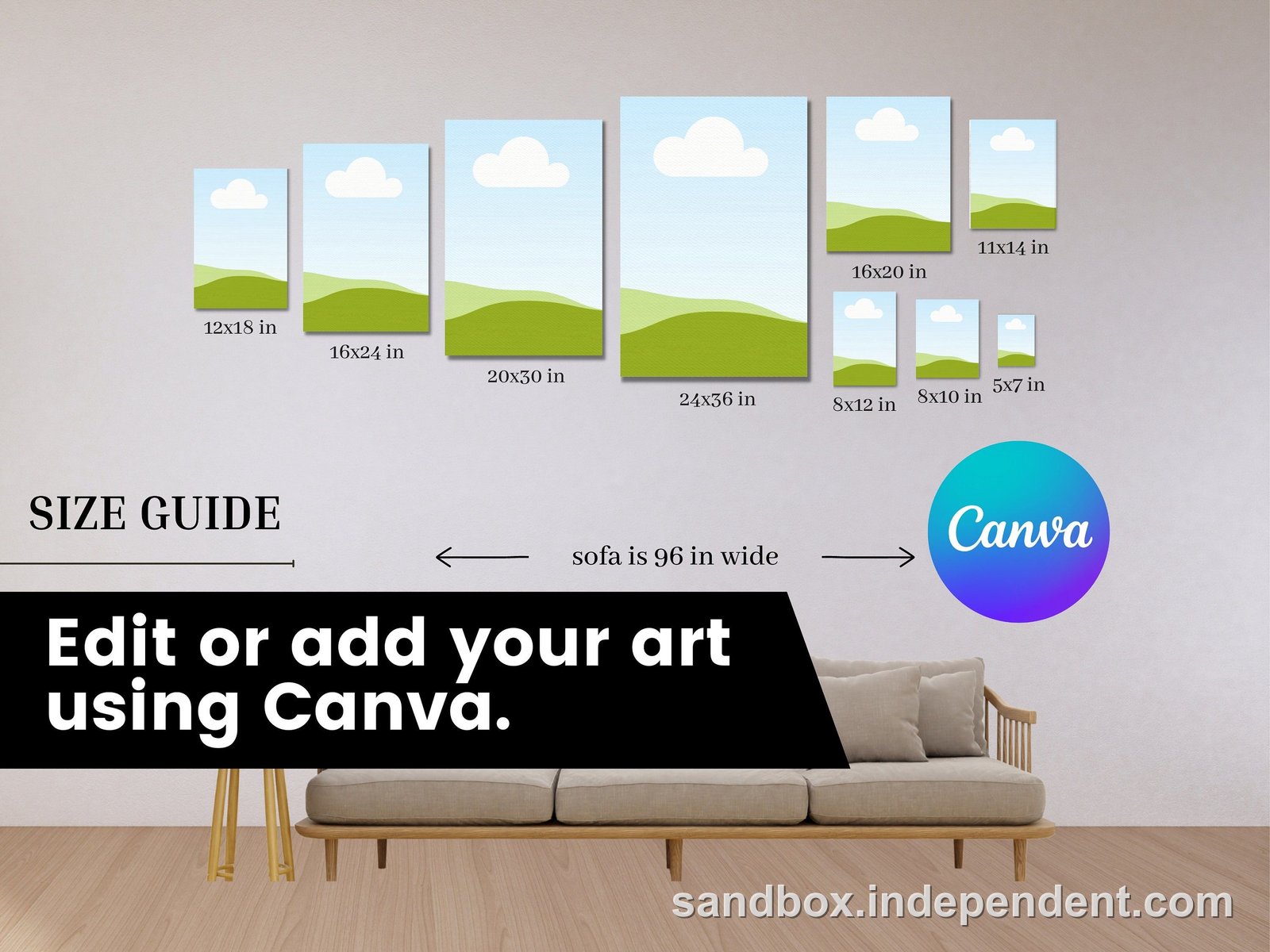
You're probably here because you need a quick fix, a straightforward answer to your canvas size query. Well, you've come to the right place! A canvas size chart is an essential tool for artists and creators, offering a simple visual guide to help you choose the right size canvas for your project. It's a handy reference, especially when you're in the flow and need to make a decision fast. These charts can vary, so it's good to know the basics and be aware of any potential differences.
Understanding the Canvas Size Chart
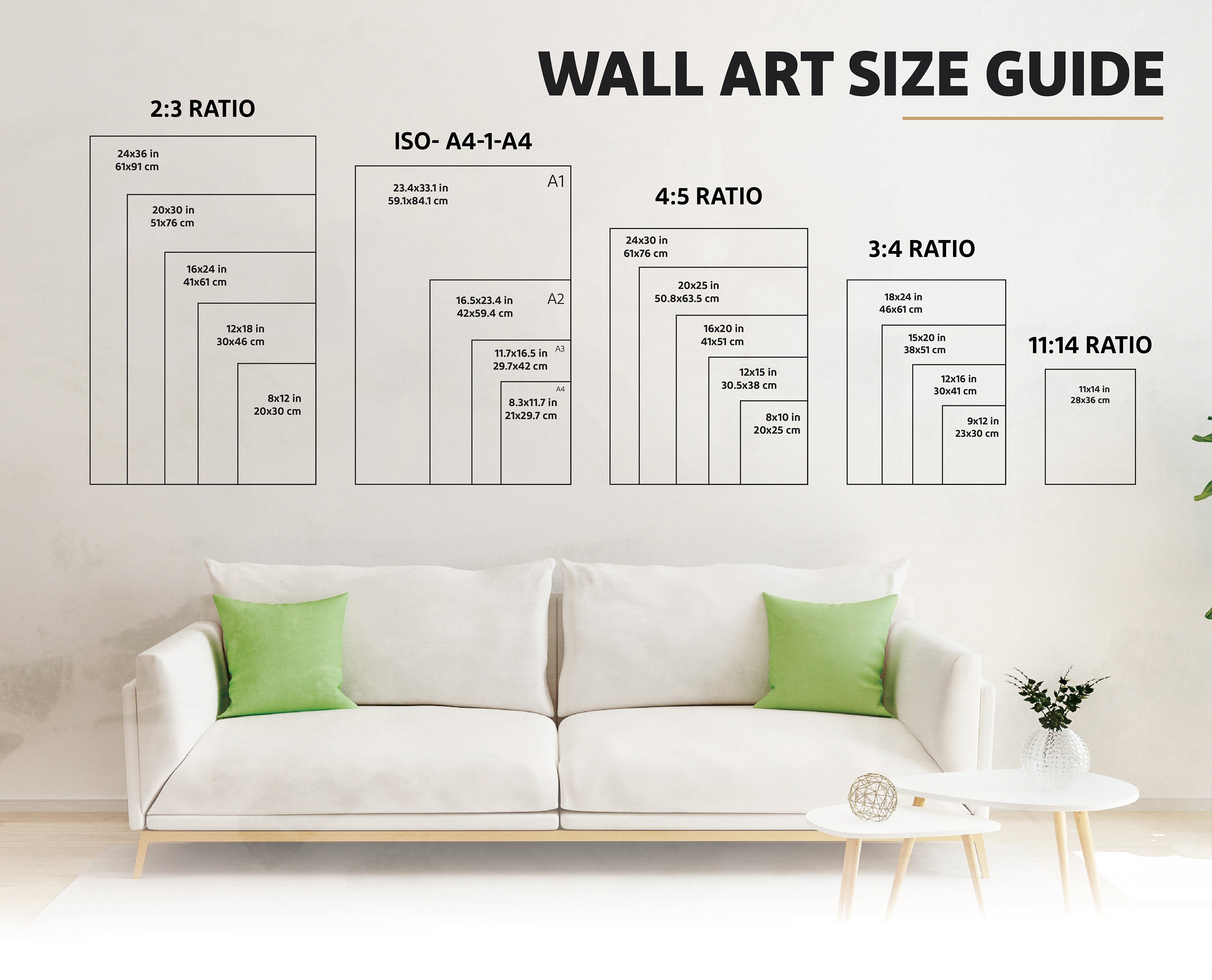
The canvas size chart is a handy reference tool for artists, painters, and anyone working with canvas materials. It provides a clear and organized overview of different canvas sizes, helping you choose the right dimensions for your art projects. This chart is a visual guide, often presented as a table or diagram, to ensure you have the correct measurements at a glance.
Standard Size Variations
Canvas sizes can vary depending on the standard or region. Two common standards are the imperial and metric systems. The imperial system, used primarily in the United States, measures canvas sizes in inches, while the metric system, used internationally, uses centimeters. These standards impact the exact dimensions and labels on the chart. For instance, a common imperial size might be 16x20 inches, whereas the equivalent metric size would be 40.64x50.8 centimeters.
Step-by-Step Guide to Using the Chart
Using the canvas size chart is straightforward. First, identify the standard you are working with. Then, locate the relevant section on the chart. Each chart will have columns or rows dedicated to specific size categories. You can quickly find the desired size by referring to these categories. For example, if you need an 18x24-inch canvas, look for the "18x24" category on the chart. The chart will provide the exact measurements, often in both imperial and metric units, ensuring you get the right size.
Common Misreadings and How to Avoid Them
One common mistake is assuming all charts use the same units. Always double-check the units on the chart to avoid confusion. Another pitfall is overlooking the standard. Different standards, like imperial and metric, can have slightly different sizes for the same category. Ensure you are using the correct standard for your region or project. Finally, some charts may not cover every possible size variation. If you need a custom or unusual size, it's best to verify the exact measurements separately.
Factors Affecting Accuracy and Real-World Use
Several key factors can influence the accuracy and practicality of using a canvas size chart. Here's a quick overview:
- Standard and Region: As mentioned, the standard and region impact the chart's measurements. Always consider your location and project requirements.
- Tolerance and Precision: Charts provide standard sizes, but actual products might have slight variations or tolerances. Be aware of these potential differences.
- Artwork Scale: The scale and complexity of your artwork can dictate the size you need. Larger, more detailed pieces may require bigger canvases.
- Manufacturer Variations: Different manufacturers might have slight size variations for the same category. Check manufacturer-specific charts if needed.
Choosing the Right Canvas Format
When selecting a canvas size, consider your artistic goals and the intended display or framing. Here are some tips:
- For small, intimate pieces, common canvas formats like 8x10 or 11x14 inches are versatile and easy to frame.
- Larger works, such as landscapes or abstracts, often benefit from sizes like 24x36 or 30x40 inches, providing ample space for detail.
- If you plan to exhibit or sell your art, research standard exhibition sizes to ensure your work fits the display requirements.
- Custom sizes are an option for unique pieces. Always double-check the exact measurements to ensure a perfect fit.
Keeping Your Reference Reliable
To ensure you can rely on your canvas size chart for future projects:
- Keep the chart in a safe, accessible place. A physical copy on your studio wall or a digital version on your device ensures quick reference.
- Update your chart periodically. Standards and measurements can evolve, so stay informed about any changes.
- If you work with multiple standards, have separate charts or sections for each to avoid confusion.
- For digital charts, consider bookmarking reliable sources or saving the files in an organized manner.
So, there you have it! A handy canvas size chart can be a real lifesaver, offering a quick and easy reference for your projects. But remember, while this guide provides a solid framework, it's always wise to double-check the specific requirements of your task. Exact values can vary, so ensure you're using the right measurements for your context.
Consider bookmarking this page for future reference. It's a simple yet effective tool to have at your fingertips, and you never know when you might need to size up (or down) your canvas!
Related: Find the Perfect Frame Size: A Simple Guide
Many people often overlook the importance of a frame size chart and its accuracy, assuming it's a simple guide that can be ignored. But, trust me, this chart is your friend and a crucial tool for getting the right fit! A frame size chart is an essential reference, offering a quick and easy way to find your ideal size, whether it's for a bike frame or even clothing. It's a simple yet powerful tool, and getting it right can make all the difference. These charts provide a clear visual, often with metric and imperial measurements, to ensure you choose the correct size, avoiding any potential discomfort or performance issues.
Understanding the Frame Size Chart
A frame size chart is your go-to guide for determining the right size of a frame, whether it's for a bike, a piece of clothing, or any other item with standardized dimensions. This chart provides a quick and easy reference to ensure you get the perfect fit. It's like having a personal assistant who knows your measurements and preferences!
Comparing Common Frame Types and Standards
Frame size charts can vary depending on the type of frame and the industry standards they follow. For example, bike frame dimensions often use different measurements and categories compared to clothing size charts. The metric and imperial systems also come into play, so it's essential to know which standard your chart is based on. Some charts may even offer conversions between these systems.
Choosing the Right Size: A Step-by-Step Guide
Identify the Type: Determine what kind of frame you need, whether it's for a bike, clothing, or another item. This step is crucial as it sets the foundation for accurate sizing.
Find the Right Chart: Locate the specific frame size chart relevant to your chosen frame type. Ensure it follows the correct standard (metric or imperial) for your region or preferences.
Measure and Compare: Take your measurements or refer to existing ones (like your shirt size). Compare these measurements to the values on the chart. Most charts will provide a range of sizes, so find the one that best matches your dimensions.
Adjust for Comfort: Consider your personal preferences and comfort level. Some charts may offer guidance on adjusting the size slightly to ensure a perfect fit. For example, you might prefer a slightly larger frame for a bike to allow for more leg extension.
Double-Check: Always verify the specifications with the manufacturer or retailer, especially for critical items like bike frames. This ensures you get the exact dimensions and tolerances required.
Common Misreadings and How to Avoid Them
One common mistake is assuming all frame size charts are universal. As mentioned, they can vary based on frame type and standards. Always confirm the chart's applicability to your specific needs. Another pitfall is neglecting to measure accurately. Take precise measurements to ensure the chart provides an accurate recommendation.
Factors Affecting Accuracy and Real-World Use
Various factors can influence the accuracy of a frame size chart. These include the tolerance levels allowed by manufacturers, which can vary slightly between brands. Additionally, personal preferences and body types play a role. What might be a perfect fit for one person could feel too tight or loose for another. It's essential to consider these factors when using a frame size chart and make adjustments as needed.
Well, there you have it! A frame size chart is a handy tool, but it's important to remember that it's just a guide. Always check the specific details and requirements for your project, as the exact values might differ slightly between sources and standards.
Take a moment to ensure you've considered all the unique aspects of your situation before you finalize your choices. And, as always, feel free to explore our other guides and resources for more practical tips and insights. Happy measuring!