




Cap Size Chart Template Overview
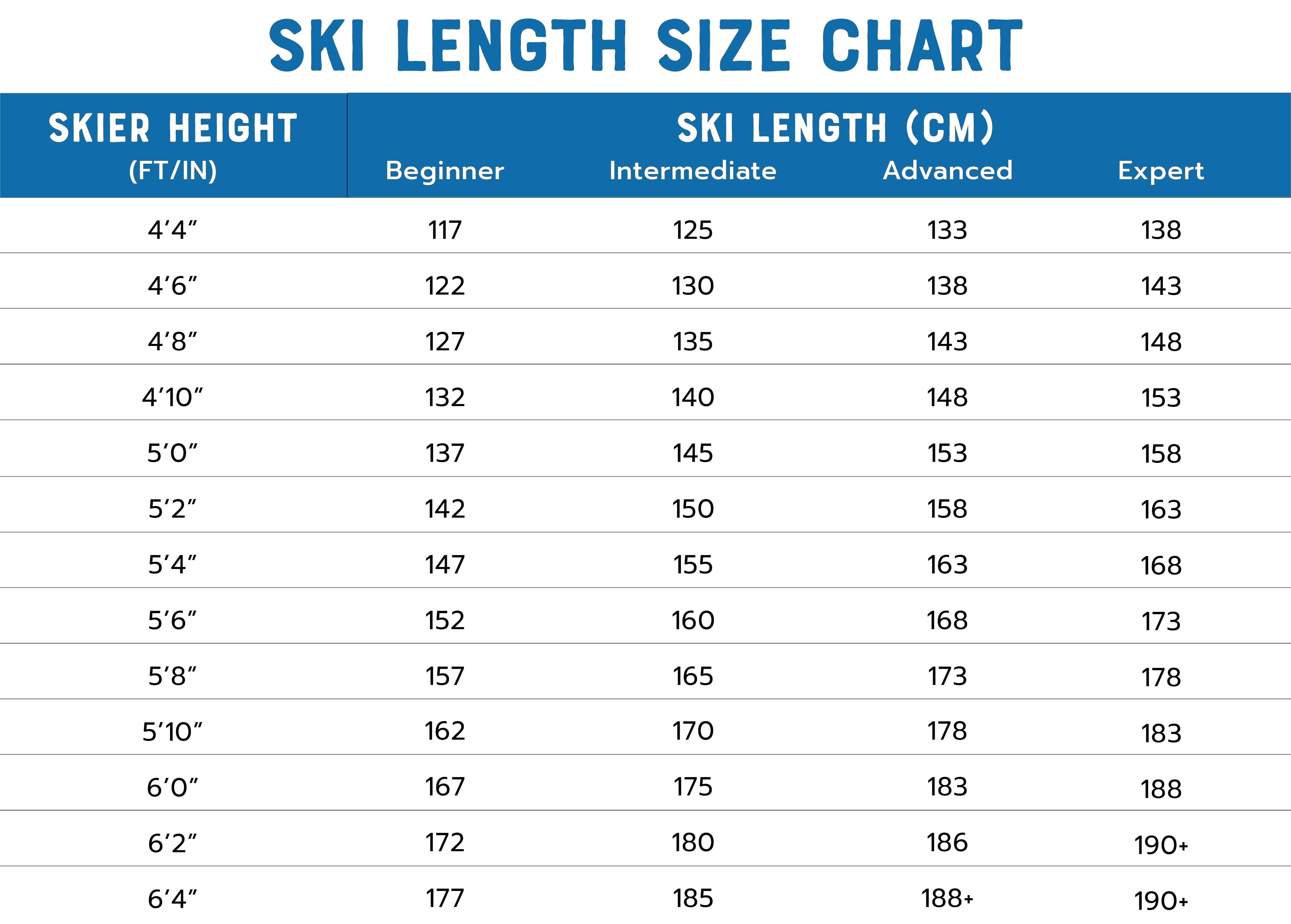
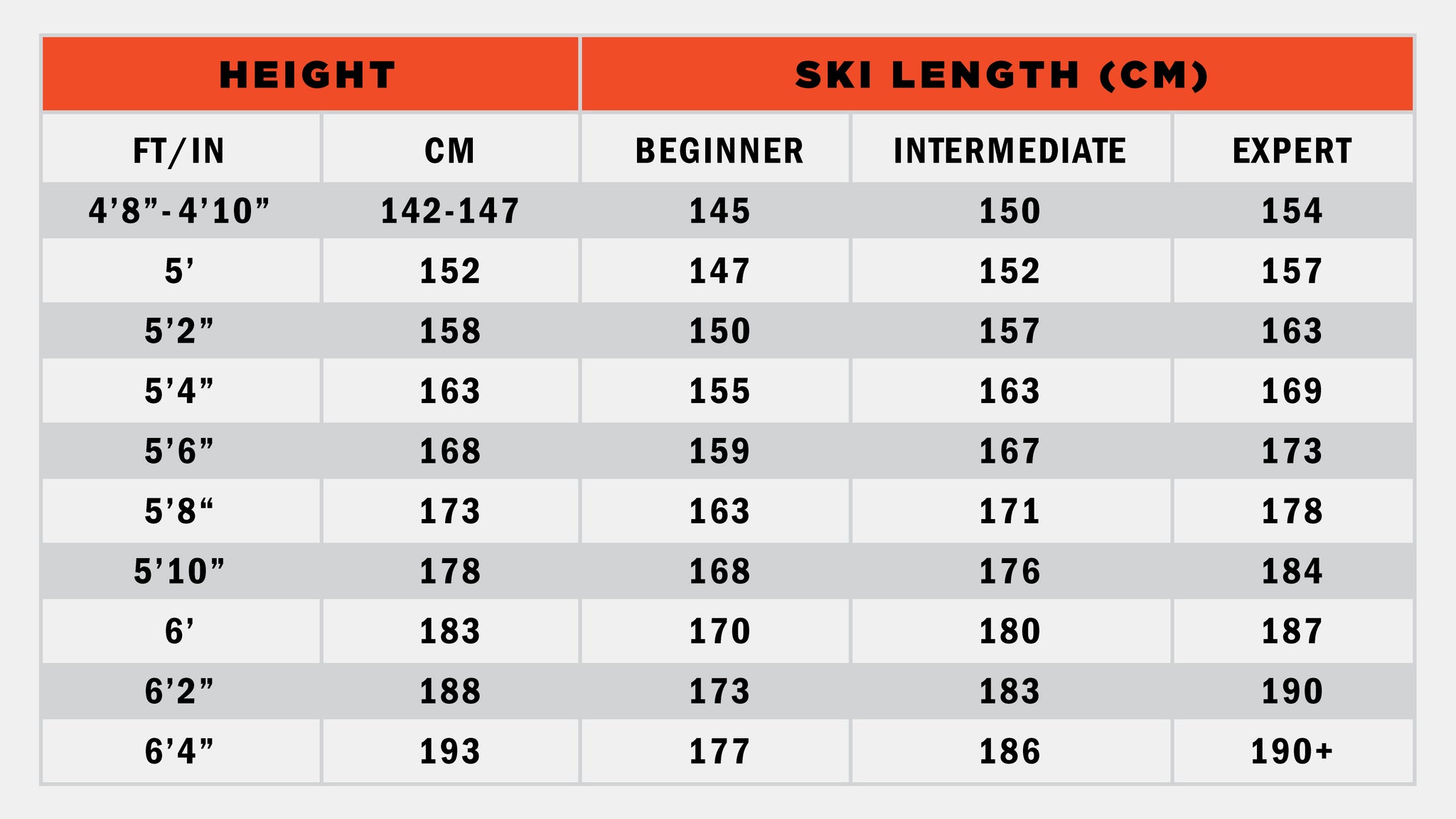
You're probably here because you need a quick answer, a simple guide to help you choose the right skis. Well, you've come to the right place! The ski height chart is your go-to tool for ensuring you get the perfect ski length. It's a handy reference, offering a quick and reliable way to find your ideal ski size. These charts often provide a ski length guide, giving you a starting point for your search. While the exact values may vary depending on your skiing style and preferences, the ski height chart is a great starting point for your ski sizing journey.
Understanding Ski Height: A Quick Overview
The ski height chart is a handy tool that simplifies the process of choosing the right ski length for your height and skill level. It provides a visual guide, often in the form of a table or diagram, to help you select skis that offer the best performance and control.
Comparing Ski Height Standards and Formats
There are a few key standards and formats for ski size charts. The most common ones are based on height and skill level, with recommendations for ski lengths in both centimeters and inches. These charts typically offer a range of ski lengths suitable for your height, ensuring you find the right fit.
How to Use the Ski Height Chart: A Step-by-Step Guide
Start by identifying your height. This is a crucial piece of information for using the chart accurately.
Next, determine your skill level. Are you a beginner, intermediate, or advanced skier? This factor influences the recommended ski length, as it's tailored to your experience and ability.
Refer to the chart and locate your height range. You'll typically find a column or section dedicated to your height, with suggested ski lengths.
Choose the ski length that aligns with your skill level within that height range. For example, a beginner within a certain height range might be advised to choose a shorter ski length for better control, while an advanced skier might opt for a longer ski for more speed and stability.
If you're between two sizes, consider your personal preference and the terrain you typically ski on. Longer skis offer more speed and stability but can be harder to maneuver, while shorter skis are easier to control but may feel less stable at higher speeds.
Common Misreadings and How to Avoid Them
It's important to remember that ski height charts provide general recommendations. Your personal preferences, skiing style, and the specific terrain you ski on can influence your choice. Always consider these factors when selecting skis, and don't hesitate to seek advice from ski professionals if you're unsure.
Additionally, be mindful of the units used in the chart. Some charts use centimeters, while others use inches. Ensure you understand the units to make an accurate selection. If you're unsure, you can always use a cm to inches conversion tool to double-check.
Well, that's a wrap on our ski height chart adventure! We've covered a lot of ground, from understanding the basics to navigating the different options and avoiding common pitfalls.
Remember, when it comes to ski height, there's no one-size-fits-all approach. So, before you hit the slopes, take a moment to ensure you've considered your unique needs and preferences. With the right ski length, you'll be carving down the mountain like a pro in no time!
And if you're keen to explore more ski-related topics, feel free to browse our other guides. We've got plenty of practical tips and tricks to keep you informed and inspired. Happy trails!
Related: A Simple Guide to the Snot Color Chart
You're probably here because you're curious about the snot color chart or need a quick reminder of what those colors mean. It's a simple yet effective tool, a reference guide to help us understand the story our nasal discharge is telling. Think of it as a visual key to unlocking the secrets of your snot!
The chart is a handy resource, offering a quick way to check and interpret the colors and textures of your mucus. While the specific details might vary slightly depending on where you are in the world, the basic principles remain the same, and they're worth knowing.
A Quick Guide to the Mucus Color Chart
The snot color chart is a handy reference tool that can help you understand what your nasal discharge is telling you. It's a simple visual guide, often presented as a table or diagram, that shows the different colors of mucus and what they might indicate about your health. This chart is a great way to quickly assess any changes in your mucus and take appropriate action.
Comparing the Chart's Standards and Categories
The snot color chart typically follows a standard color-coding system, making it easy to interpret. The colors are usually represented as shades or a range of hues, with each color category having its own distinct meaning. For example, you might see a spectrum from light yellow to dark green, with each shade indicating a different level of severity or cause.
How to Use the Snot Color Chart: A Step-by-Step Guide
First, identify the dominant color of your mucus. Is it clear, white, yellow, green, brown, or even black? Each color has its own implications.
Next, refer to the chart. It will provide a detailed explanation of what each color could mean. For instance, clear mucus often indicates good health, while yellow or green might suggest an infection.
Remember, the chart is a guide, and the context matters. Consider other symptoms you might be experiencing alongside the change in mucus color. This will help you get a more accurate understanding of your health status.
Avoiding Misreadings and Pitfalls
While the snot color chart is a useful tool, it's important to be aware of potential misreadings. Colors can sometimes appear differently due to lighting or other environmental factors. Always trust your judgment and seek further advice if you're unsure. Additionally, remember that the chart provides a general guide; individual experiences may vary, and other symptoms should be considered.
Factors Affecting Accuracy and Real-World Use
The accuracy of the snot color chart can be influenced by various factors. For example, the consistency and texture of your mucus can provide additional clues. Thicker, stickier mucus might indicate different issues compared to runny, watery discharge. Additionally, your diet and hydration levels can affect mucus color and consistency. Always consider these factors when interpreting the chart and trust your instincts. If in doubt, consult a healthcare professional for a more detailed assessment.
Hey there, fellow snot color chart enthusiasts! We've covered a lot of ground, and I hope this guide has given you a clear and practical understanding of this topic. Remember, while the basics remain the same, the exact details might shift a bit based on your specific needs and the standards you follow.
So, the next time you find yourself in a snot-related conundrum, feel free to bookmark this page for a quick and easy reference. It's always good to have these tools at hand, and you never know when they might come in handy!
Related: Understand Boot Width Chart: A Simple Guide
A boot width chart is a valuable tool for anyone seeking precise fit and comfort in their footwear. This guide aims to demystify the chart's purpose and usage, offering a straightforward reference for your boot-buying journey.
The chart provides a standardized way to measure and compare boot widths, often using the "boot last width" or "foot girth" measurements. While values may vary depending on regional standards and brand specifications, understanding this chart is essential for achieving the perfect fit.
Understanding the Boot Width Chart: A Practical Guide
The boot width chart is a valuable tool for anyone seeking to find the perfect fit for their footwear, especially when it comes to boots. This chart provides a standardized way to understand and compare the width of different boots, ensuring a comfortable and secure fit. Let's delve into the details of this chart and how it can assist you in your footwear choices.
Comparing Boot Width Standards and Formats
Boot width charts typically follow specific standards and formats to ensure consistency. The most common standard is the boot last width, which refers to the width of the foot's shape used as a mold for boot construction. This width is measured at the ball of the foot, the widest part, and is a crucial reference point. The chart categorizes boot widths into different standard shoe width categories, such as narrow, medium, wide, and extra-wide, making it easier to find the right fit.
Step-by-Step Guide to Using the Boot Width Chart
Using the boot width chart is a straightforward process:
Measure your foot width: Use a reliable measuring tool or visit a footwear store where professionals can assist you. Measure the width of your foot at the ball, ensuring an accurate representation of your foot's girth.
Refer to the chart: Locate the standard shoe width category that matches your foot width measurement. The chart will provide a range of boot widths that are suitable for your foot.
Choose the right boot: With the width category in mind, browse through boot options. Look for boots labeled with the corresponding width or those that fall within the recommended range. This ensures a comfortable and secure fit, preventing issues like blisters or discomfort.
Consider personal preferences: While the chart provides a great starting point, personal comfort and style preferences also play a role. Some individuals may prefer a slightly looser or tighter fit, depending on their activities and foot shape.
Common Misreadings and How to Avoid Them
One common mistake is assuming that all boots within a standard shoe width category will fit identically. In reality, boot widths can vary slightly between brands and models. It's essential to try on boots and assess the fit personally, especially if you're between sizes or have unique foot characteristics. Additionally, remember that the boot width chart provides a general guide; individual foot shapes and preferences may require slight adjustments.
Factors Affecting Boot Width Accuracy
Several factors can influence the accuracy of the boot width chart and the overall fit of boots:
Foot shape: The natural shape of your foot, including its arch and instep, can impact the width required for a comfortable fit.
Brand and model variations: Different boot manufacturers and models may have slight variations in their width measurements, even within the same standard shoe width category.
Material and construction: The materials used and the boot's construction technique can affect the overall fit and stretchability of the boot.
Personal comfort preferences: While the chart provides a guide, individual comfort levels and preferences can vary, influencing the perceived fit.
Choosing the Right Boot Width Chart for Your Needs
When selecting a boot width chart, consider your specific requirements:
Region and standards: Ensure the chart follows the relevant standards for your region, whether it's the US or international metric standards.
Activity and purpose: Different activities, such as hiking, skiing, or casual wear, may require varying levels of comfort and support, influencing the width you choose.
Brand and model variations: Some brands may offer their width charts or provide specific width recommendations for their models. Refer to these charts for a more precise fit.
Maintaining Reliable Reference and Setup
To ensure consistent and accurate use of the boot width chart, consider the following:
Regularly update your foot measurements: As your feet may change over time, especially with age or weight fluctuations, it's beneficial to re-measure your foot width periodically.
Keep a record: Maintain a record of your foot measurements and the corresponding standard shoe width category. This record will help you quickly reference your size when shopping for boots.
Try on boots: While the chart is a great guide, always try on boots to ensure a comfortable fit. Trust your personal comfort and the feel of the boot on your foot.
By understanding and utilizing the boot width chart, you can make informed decisions when choosing boots, ensuring a perfect fit and a pleasant footwear experience. Remember, a well-fitted boot is key to comfort and performance, so take the time to find the right width for your unique feet.
Well, there you have it! A comprehensive guide to boot width charts, covering all the essential aspects. Remember, when it comes to practical tools like these, context is key. Ensure you consider your unique requirements and environment before making any final decisions.
Feel free to explore our other guides and resources; we've got a range of practical topics covered to help you on your path to becoming an expert. Happy reading, and here's to finding the perfect fit!