




Capsule Size Chart A4 Overview
Many individuals mistakenly believe that tree chart makers are solely for professionals or experts, but this couldn't be further from the truth. These tools are incredibly versatile and accessible, offering a simple way to create visual representations for various purposes.
While the specifics may vary depending on the context, a good tree chart maker empowers users to organize and present information clearly, making it an essential tool for efficient communication and decision-making.
Tree Chart Maker: A Visual Overview
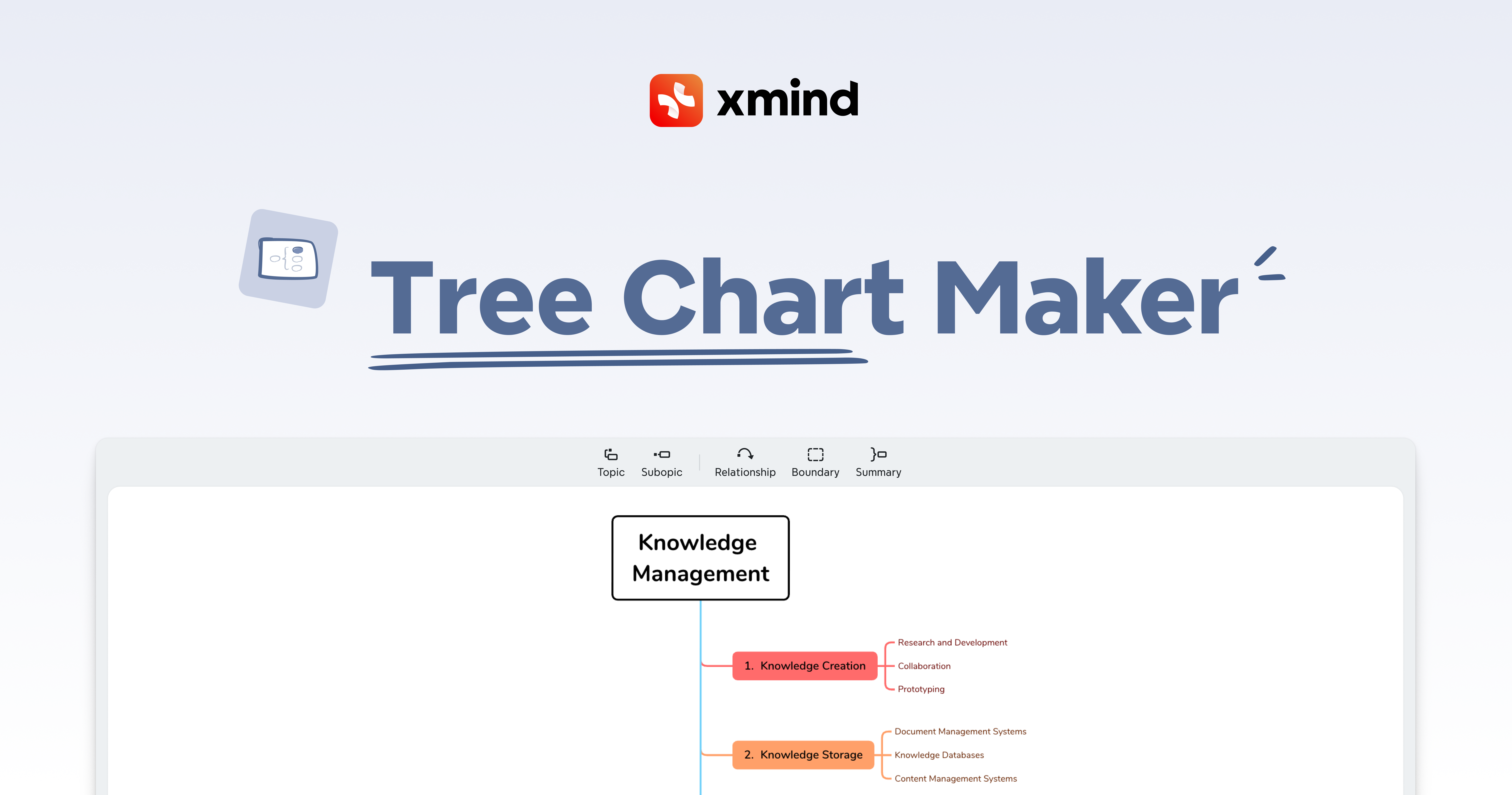
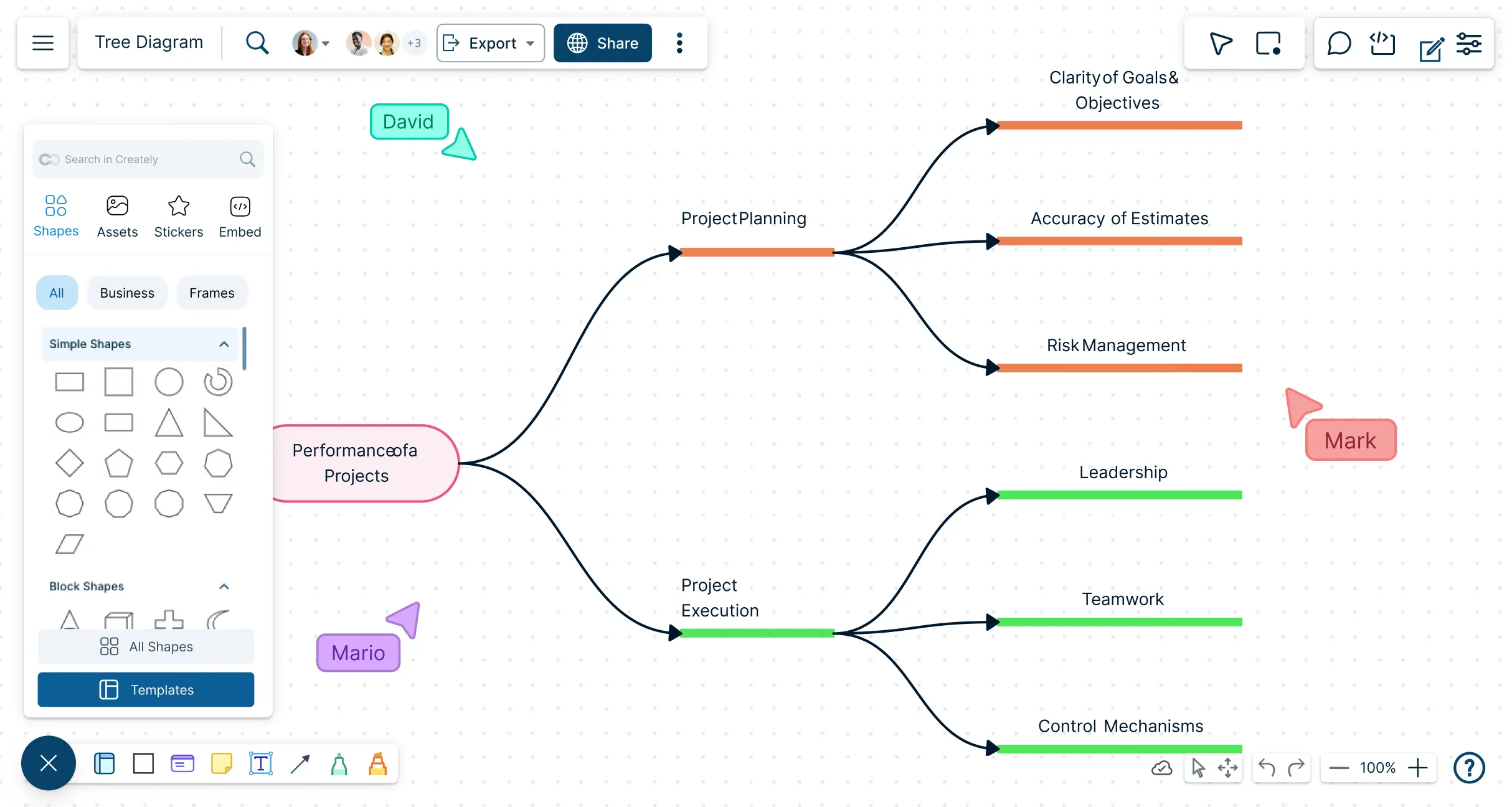
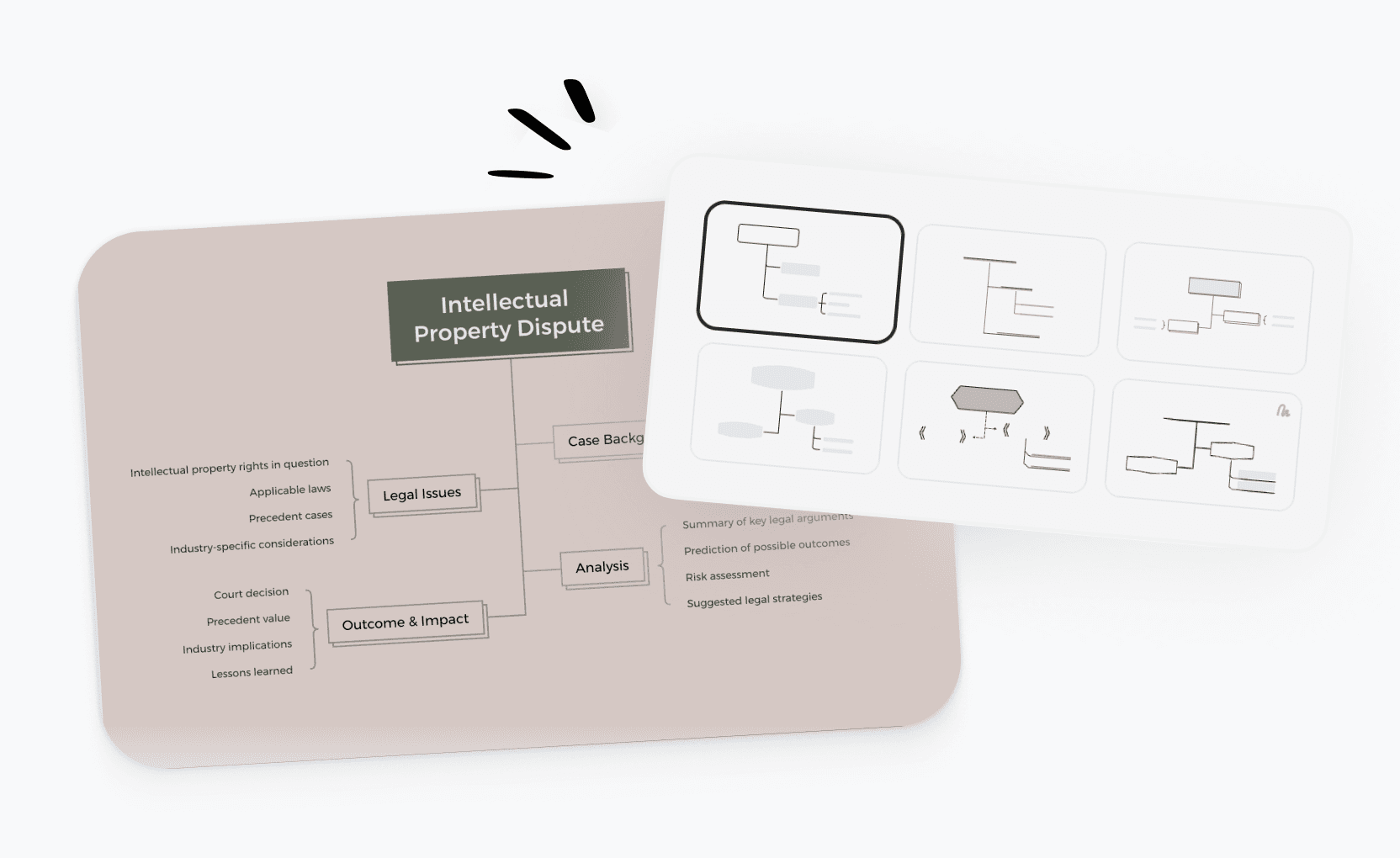
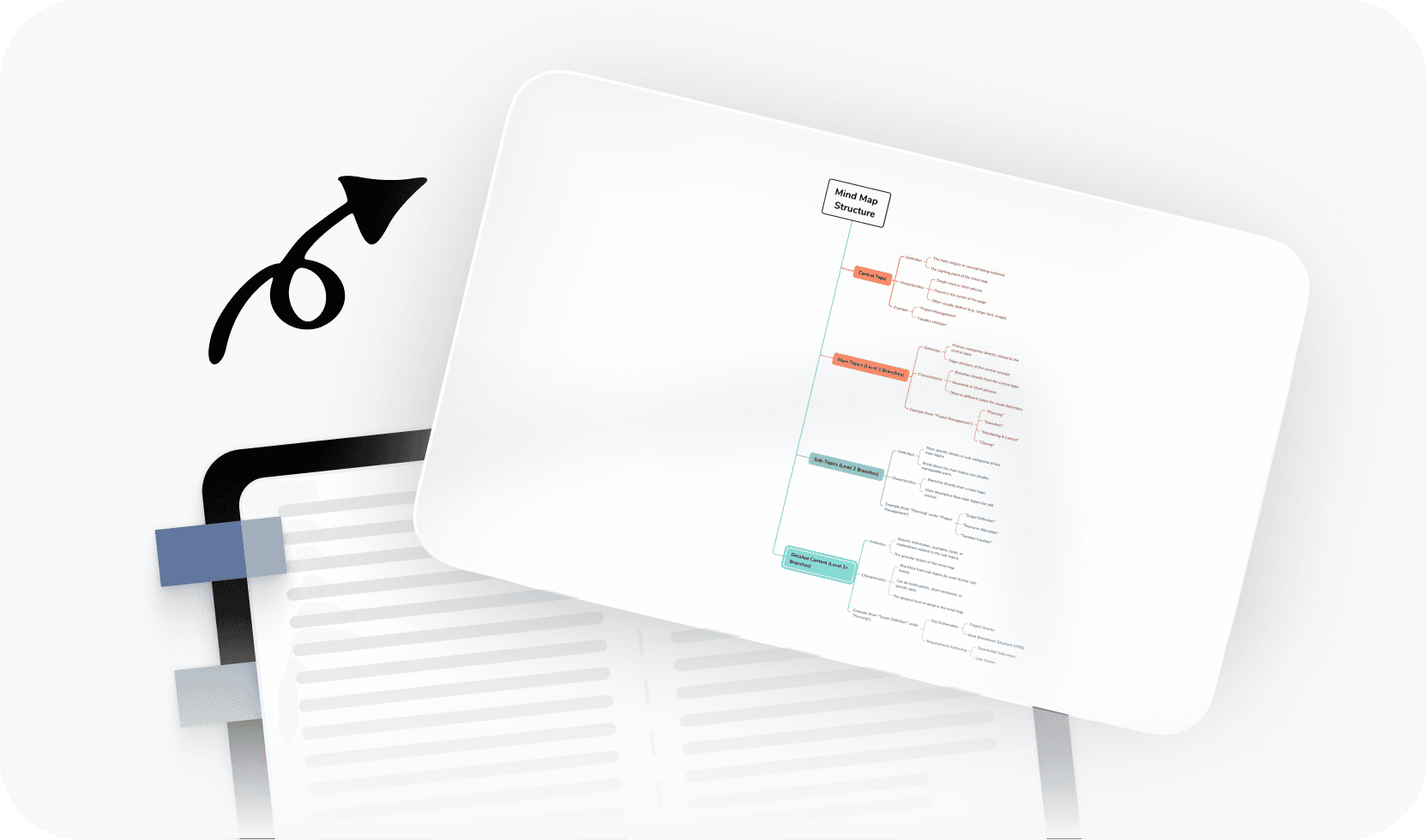
The tree chart maker is a powerful tool for creating visual representations of hierarchical data. It allows users to organize and display information in a clear, structured manner, often resembling a branching tree. This type of chart is particularly useful for illustrating relationships, classifications, or decision-making processes.
Comparing Chart Formats and Standards
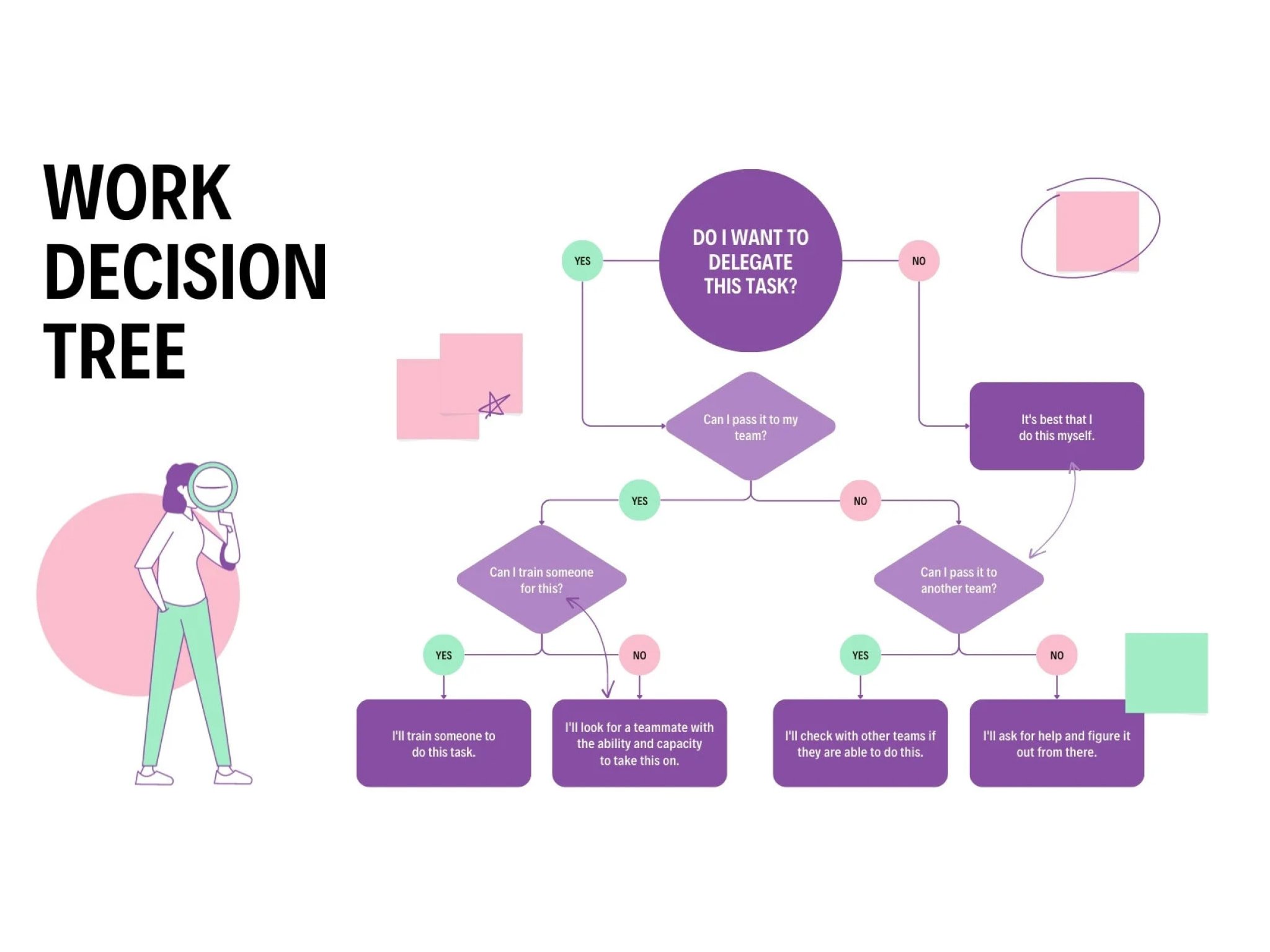
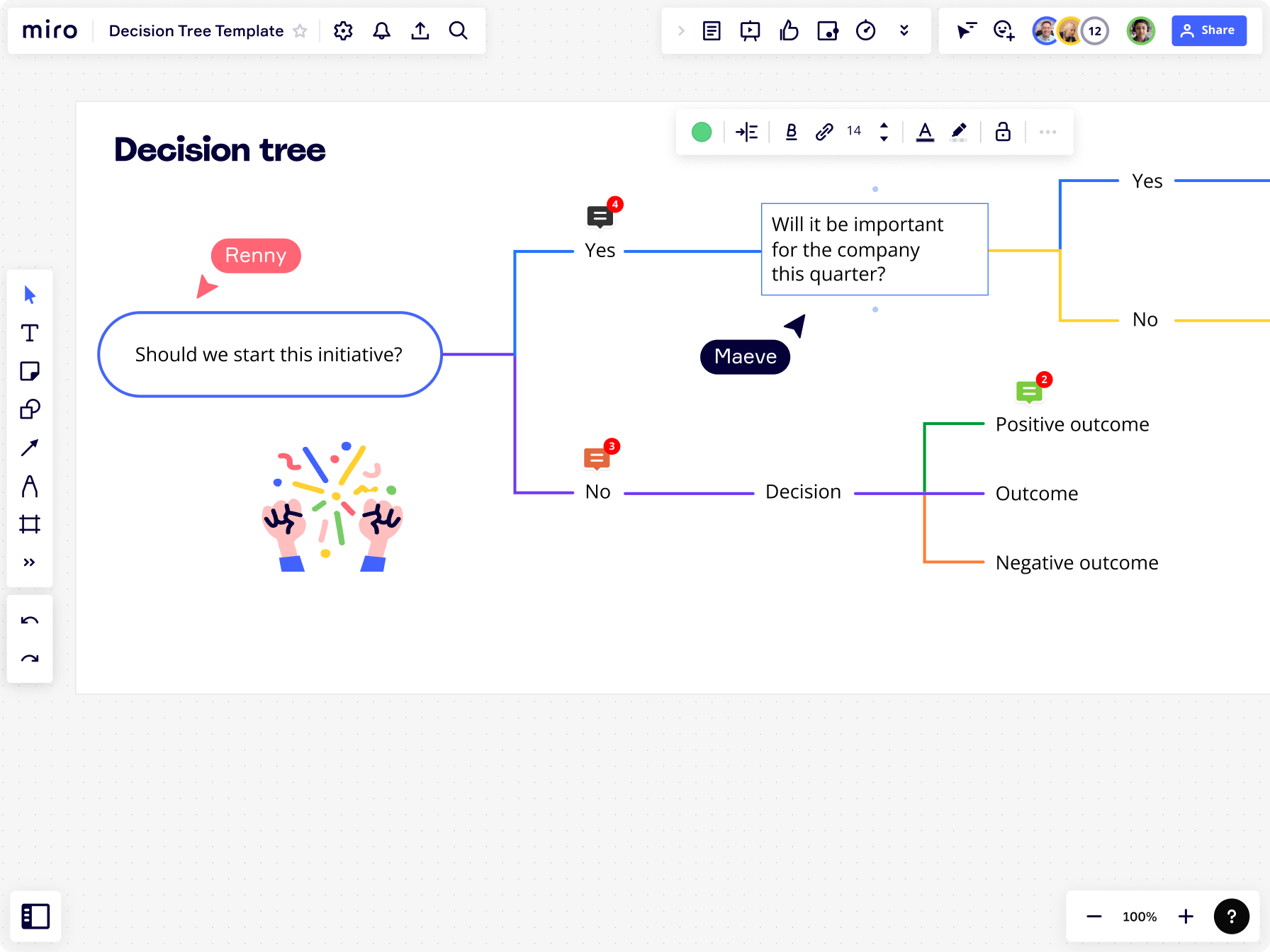
Tree charts come in various formats, each suited to different types of data and purposes. The most common formats include the dendrogram, which is ideal for biological or genetic data, and the hierarchical chart, which is versatile and can represent organizational structures or decision trees. Family tree software is another specialized form, designed to visualize genealogy. These charts may follow specific standards or conventions, such as the use of color-coding or symbol keys, to enhance clarity and consistency.
Step-by-Step Guide: Creating Tree Charts
To create an effective tree chart, follow these steps:
- Define your data: Identify the hierarchical relationships or classifications you want to represent.
- Choose your format: Select the most appropriate chart type based on your data and purpose.
- Organize your data: Arrange the information in a logical order, ensuring a clear hierarchy.
- Use a tree chart maker: Employ specialized software or tools to generate the visual representation.
- Customize and refine: Adjust the layout, colors, and labels to enhance clarity and meet your specific needs.
- Interpret the chart: Understand the relationships and patterns revealed by the tree structure.
Avoiding Misinterpretations and Pitfalls
Misreading tree charts can lead to incorrect conclusions. Ensure you understand the chart's symbols and labels. Be cautious with charts that use unconventional formats or symbols, as these may cause confusion. Always check the chart's key or legend to interpret the data accurately. If in doubt, refer to the original data source or consult an expert.
Factors Affecting Accuracy and Real-World Use
The accuracy of tree charts depends on several factors:
Data Quality: Inaccurate or incomplete data will lead to misleading charts.
Chart Complexity: Highly complex charts may be harder to interpret, especially for large datasets.
User Experience: The reader's familiarity with tree charts and their ability to interpret visual data can impact understanding.
Standardization: Adhering to recognized standards ensures consistency and clarity.
Data Variability: Some datasets may have unique characteristics or exceptions that require custom chart adaptations.
Customization Options and Choosing the Right Format
Tree chart maker tools offer a range of customization options to suit specific needs:
- Layout Adjustments: Modify the chart's layout to emphasize certain branches or relationships.
- Color Coding: Use colors to differentiate categories or highlight important nodes.
- Labeling: Add or edit labels to provide context and clarity.
- Symbol Selection: Choose symbols that best represent the data and its relationships.
When selecting a format, consider the nature of your data and the message you want to convey. For instance, a decision tree builder may be ideal for illustrating complex choices, while an organizational structure visualizer is perfect for displaying company hierarchies.
Tree charts are a versatile tool, and while we've covered the essentials, every situation is unique. The specific details may differ slightly, so it's always a good idea to refer back to this guide or explore other resources for a quick refresher.
Feel free to bookmark this page for future reference; it might just save you some time and effort the next time you need to create or interpret a tree chart. Happy charting!
Related: Need the Torrid Size Chart? A Quick Guide?
Frustrated by the lack of clarity in size guides? You're not alone! Many of us have been there, staring at a Torrid size chart, wondering if the numbers align with our bodies. It's a common struggle, especially when shopping for plus-size clothing. But fear not! Understanding these charts is easier than you think.
The Torrid size guide, for instance, offers a simple solution. It provides a clear breakdown of measurements, ensuring you find the perfect fit. Whether you're after a Torrid dress size chart or a Torrid jeans size chart, the key is to take your time and measure accurately.
Understanding the Torrid Size Chart
The torrid size chart is your go-to guide for finding the perfect fit in Torrid clothing. It's a simple yet effective tool that helps you navigate their range of sizes and styles, ensuring you get a comfortable and flattering look every time.
Key Details and Categories
The chart provides a clear breakdown of measurements for different body parts, typically including bust, waist, hips, and inseam. These measurements are presented in a table format, with sizes ranging from 00 to 6X, covering a wide range of body types. The units used are inches, a standard measurement system. It's important to note that the chart is designed specifically for Torrid's clothing line, so it may differ from other size guides.
Step-by-Step Guide to Reading the Chart
Here's a simple process to follow when using the torrid size chart:
- Identify your body type and the specific item of clothing you're interested in.
- Locate the relevant size guide for that item on the chart.
- Measure your body according to the guide's instructions. Ensure you're measuring the right body parts accurately.
- Compare your measurements to the size chart. Find the size that most closely matches your measurements across all relevant body parts.
- If you fall between sizes, consider the fabric and style of the garment. Some fabrics have more give, and certain styles may be more forgiving.
- Don't forget to check the reviews and fit notes provided by Torrid and other customers. These can offer valuable insights into how the garment fits in real life.
Size Chart Variations and Differences
It's important to remember that size charts can vary across brands and even within a brand for different clothing types. Torrid clothing size charts may differ slightly for jeans compared to dresses or bras, as these items have unique fit requirements. Additionally, Torrid, like many brands, offers size guides for both US and international (metric) measurements, so ensure you're using the correct guide for your region.
Common Mistakes and How to Avoid Them
- Measuring inaccurately: Ensure you're using a flexible measuring tape and following the instructions precisely.
- Assuming sizes are universal: Remember, each brand's size chart is unique. Don't assume your Torrid size will be the same as another brand.
- Not considering fabric and style: The fit of a garment can vary significantly based on fabric and design.
- Neglecting to check reviews: Customer reviews often provide valuable insights into how an item fits in practice.
- Forgetting to account for personal preferences: If you prefer a looser fit, size up; if you like it snug, size down.
- Relying solely on the size chart: While the chart is a great guide, it's always a good idea to check the fit notes and reviews for a more accurate picture.
Hey there, I hope this guide has been helpful in understanding the Torrid size chart and its practical use. Remember, while the core principles remain the same, the exact details can differ slightly, so it's always good to refer to the specific chart you're using.
Don't hesitate to explore other guides on our site, where you'll find more tips and tricks to enhance your shopping experience and make informed choices. Happy shopping, and stay stylish!
Related: Need a Pipe Thread Chart? Find the Right One Here!
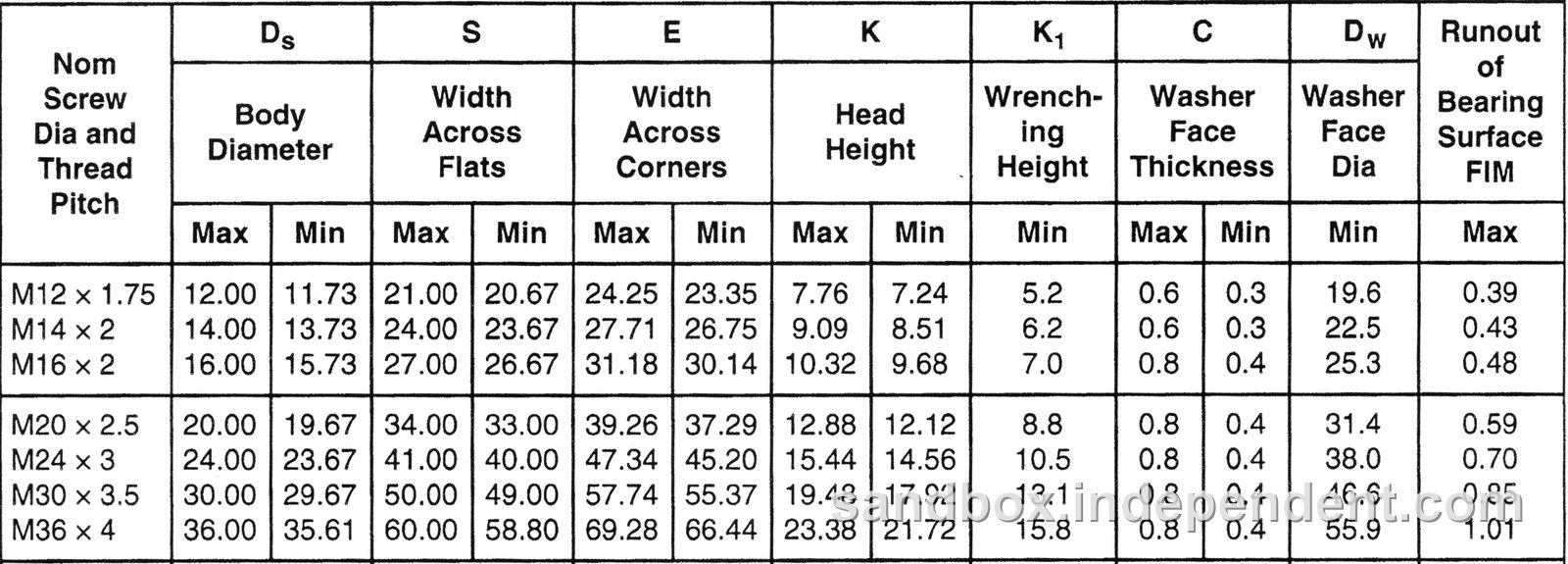
A pipe thread chart is an essential tool for anyone working with pipes and fittings, offering a quick and precise way to identify and match threads. This guide aims to provide an overview of what these charts entail and how they can be utilized effectively.
The charts present a clear and organized display of thread specifications, including standard sizes, pitch, depth, and more. While the values may vary depending on the region and pipe thread standards, the pipe thread chart serves as a reliable reference, ensuring accurate connections and preventing costly mistakes.
Understanding Pipe Thread Chart: A Practical Guide
The pipe thread chart is a valuable reference tool for anyone working with pipes and threaded connections. It provides a comprehensive overview of the various thread types, sizes, and standards commonly used in the industry. By understanding and utilizing this chart, you can ensure accurate measurements, proper fittings, and secure connections.
Key Details and Prerequisites
Before delving into the pipe thread chart, it's essential to grasp some fundamental concepts. First, pipe threads are categorized into different standards, such as the National Pipe Thread (NPT) and British Standard Pipe (BSP). These standards define the thread's dimensions, including the thread angle, pitch, and depth. The chart typically includes information on both tapered and straight threads, covering a range of sizes and series. Understanding these categories and their corresponding units is crucial for accurate interpretation.
Reading and Applying the Pipe Thread Chart
Using the pipe thread chart is a straightforward process. Here's a step-by-step guide:
Identify the Standard: Determine the pipe thread standard you are working with. This information is often indicated on the pipe or fitting itself. Common standards include NPT and BSP, but there are others as well.
Locate the Thread Series: The chart usually organizes threads into series, such as NPTF (National Pipe Thread Fuel) or BSPT (British Standard Pipe Tapered). Each series has its own unique characteristics and dimensions.
Measure the Thread Size: Measure the outside diameter (OD) of the pipe or fitting. This measurement is crucial for identifying the correct thread size.
Refer to the Chart: Using the measured OD and the identified thread series, locate the corresponding thread size and its specifications on the chart. The chart will provide details such as the thread pitch, depth, and other relevant dimensions.
Verify the Thread Type: Confirm the thread type, whether it is tapered or straight. This information is essential for selecting the right fittings and ensuring a proper seal.
Variations and Differences Across Standards
It's important to note that pipe thread standards can vary across regions and industries. The pipe thread chart may present different specifications for NPT, BSP, and other standards. These variations are due to historical and functional differences, and it's crucial to refer to the appropriate standard for accurate results. For instance, NPT threads are commonly used in the United States, while BSP threads are prevalent in the United Kingdom and other parts of the world.
Common Mistakes and How to Avoid Them
One common mistake is assuming that all pipe threads are universal. Different standards and thread series have unique specifications, and using the wrong one can lead to leaks, poor performance, or even safety hazards. Always double-check the thread type and size before making any connections. Additionally, ensure that you are using the correct chart for the specific standard you are working with. Misinterpreting the chart or applying it to the wrong standard can result in incorrect measurements and fittings.
Practical Tips for Accurate Results
To ensure accurate use of the pipe thread chart, consider the following best practices:
Always refer to the latest and most updated version of the chart. Standards and specifications can evolve over time, so staying current is essential.
When in doubt, consult with experts or refer to reputable sources for guidance. Pipe thread connections are critical, and getting it right is crucial for safety and performance.
Keep in mind that the chart provides general information. For precise applications or specialized projects, it's advisable to consult detailed specifications or seek professional advice.
Measure accurately and consistently. Small variations in measurements can lead to significant differences in thread size and fit.
Regularly inspect and maintain your pipe threads and fittings. Over time, threads can wear down or become damaged, affecting their performance.
By following these practical tips and understanding the nuances of pipe thread charts, you can ensure accurate and reliable connections in your projects.
Remember, while the fundamentals remain consistent, exact details can vary slightly across different standards and sources. It's always a good idea to double-check and refer back to this guide when needed.
Feel free to bookmark this page for future reference, and don't hesitate to explore other helpful guides we have available. Accurate measurements and seamless connections are just a click away!