







Capsule Size Chart Black And White Overview
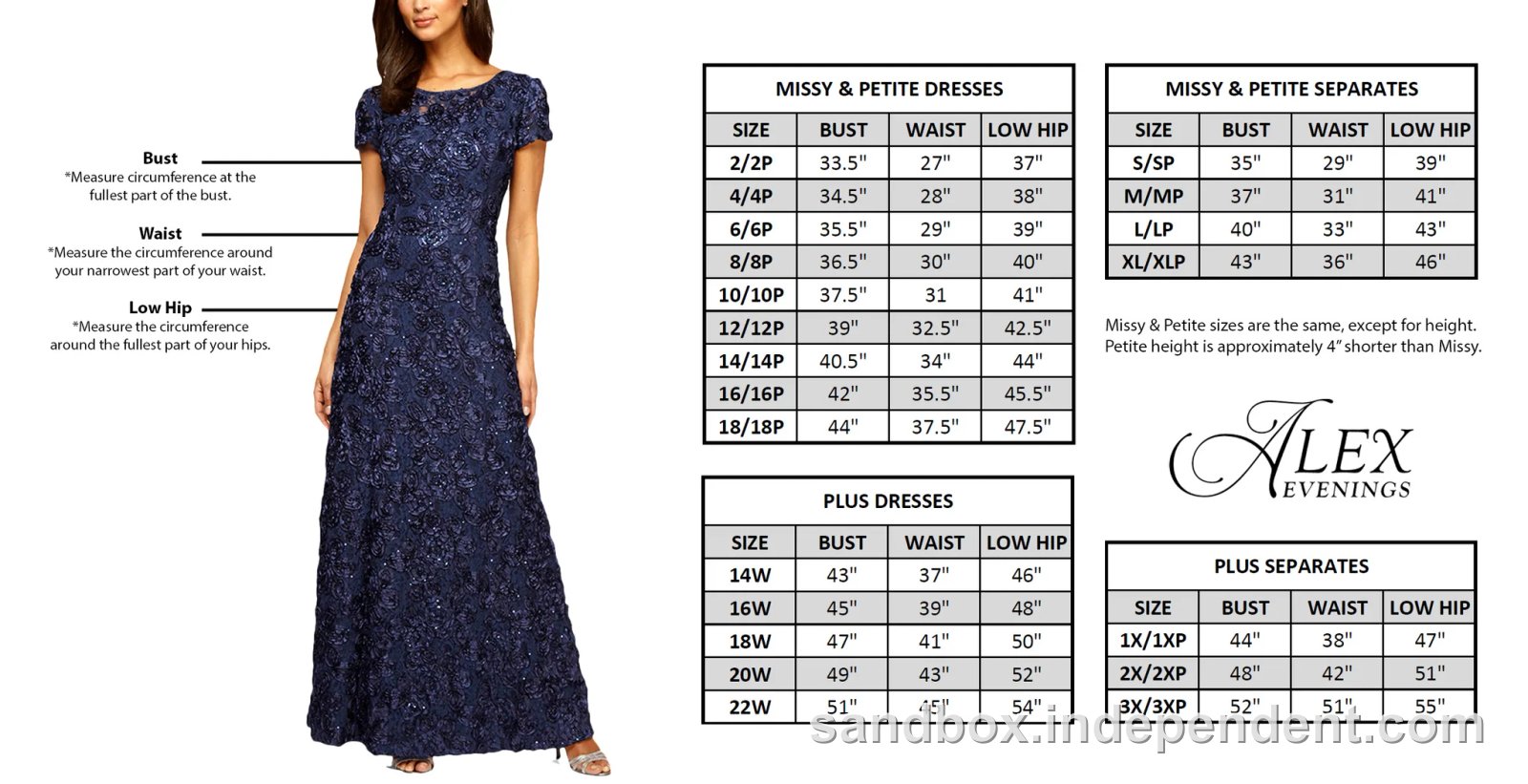
You're probably here because you need a quick answer, and who can blame you? A chest size chart is a handy tool, offering a simple visual guide to understanding bra sizes and fit. It's a reference that can save you time and ensure you get the right size, every time. These charts can vary slightly, but they're an essential guide for anyone wanting an accurate bra size and a comfortable fit.
Understanding the Chest Size Chart
The chest size chart is a handy tool to help you find the right fit for clothing and accessories, especially when shopping online. It provides a reference for measuring and understanding your chest size, ensuring you make informed choices. This chart is particularly useful for women's sizing, including bra size charts, but it can also guide men's clothing choices.
Comparing Measurement Standards
Measurement standards can vary depending on the region and manufacturer. For example, the US and international (metric) systems have different size categories and ranges. The chest size chart typically includes both systems, making it versatile. It's essential to check which standard is being used to ensure accuracy.
Measuring Accurately: A Step-by-Step Guide
- Prepare a flexible measuring tape. Ensure it's not too tight or loose.
- Stand in a relaxed position, with your arms slightly away from your sides.
- Measure the fullest part of your chest, usually across the nipple line.
- Wrap the tape around your body, ensuring it's level and parallel to the floor.
- Take the measurement in inches or centimeters, depending on the standard.
- Refer to the chest size chart to find your size. It will provide a range of measurements and corresponding sizes.
- If you fall between sizes, consider the fabric's stretch and your personal preference for a snug or loose fit.
Common Mistakes and How to Avoid Them
One common mistake is measuring too tightly or too loosely. This can lead to an inaccurate reading and an ill-fitting garment. Always ensure the tape is snug but not constricting. Another pitfall is assuming all brands use the same sizing. Different manufacturers may have slight variations, so it's best to refer to their specific size charts. Additionally, some charts may not cover all body types, so be mindful of any special considerations you may have.
Factors Affecting Accuracy and Real-World Use
Several factors can influence the accuracy of your chest size measurement. These include your posture during measurement, the type of clothing you're wearing, and any recent weight changes. It's essential to stand upright and maintain a consistent posture. The fabric of your clothing can also affect the measurement, so consider measuring over a thin, form-fitting garment. If you've recently gained or lost weight, your chest size may have changed, so it's beneficial to remeasure periodically.
So, now you're equipped with a handy chest size chart and the knowledge to use it effectively. Remember, these charts provide a great starting point, but it's always wise to consider your unique needs and measurements.
Don't forget to check out our other guides for more practical tips and insights. We've got a range of topics to explore, so feel free to browse and discover something new!
Related: Understand My Duke Chart: A Simple Guide
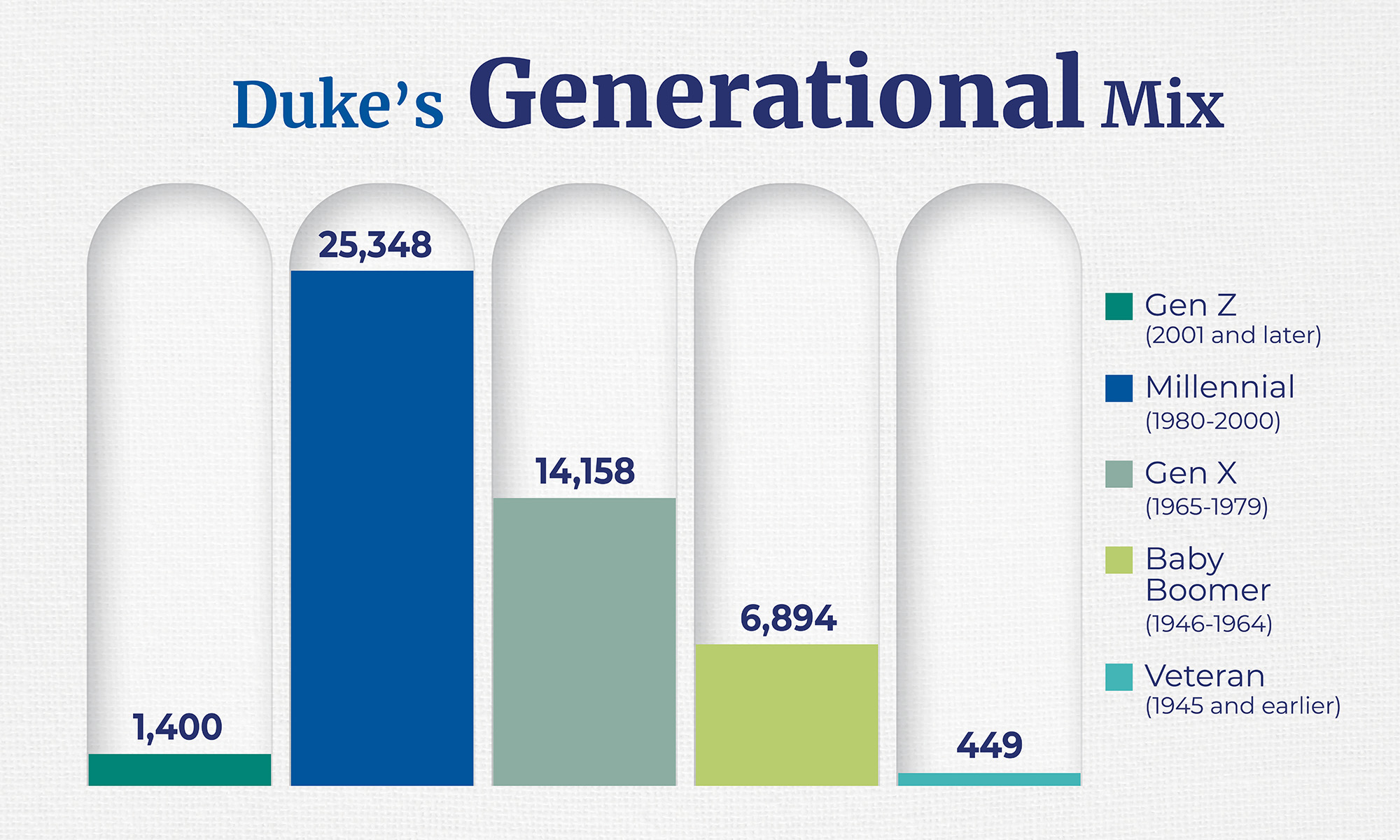
Many people approach my duke chart with hesitation, assuming it's a complex and daunting task to navigate. However, it's quite the opposite; this chart is a simple and efficient tool designed to make your life easier. My duke chart offers a straightforward reference, a quick guide to help you convert and understand various measurements and units effortlessly. It is a valuable resource, especially when you need accurate conversions at your fingertips.
Understanding My Duke Chart: A Quick Guide
My Duke Chart is a versatile and handy reference tool, offering a quick and easy way to convert and understand various measurements and units. This chart acts as a bridge between different systems, helping you navigate the world of measurements with ease. It's a valuable resource for anyone who works with or needs to understand different measurement standards.
Comparing Standards and Variations
While My Duke Chart provides a comprehensive overview, it's important to note that measurement standards can vary depending on the region and industry. The chart primarily focuses on common systems like the metric system and imperial units, but it's essential to be aware of any specific requirements or exceptions. For instance, certain industries may have unique measurement standards, and these should be double-checked for accuracy.
Step-by-Step Guide to Using My Duke Chart
To make the most of My Duke Chart, follow these simple steps:
- Identify the measurement you wish to convert or understand. This could be a length, weight, volume, or any other unit of measurement.
- Locate the relevant category or unit on the chart. My Duke Chart is organized with clear headings and subheadings, making it easy to find the right section.
- Refer to the conversion factors or values provided. These values are carefully calculated and standardized, ensuring accurate conversions.
- Perform the conversion by multiplying or dividing the original measurement by the conversion factor. The chart provides a simple and straightforward approach to conversions.
- Check the result and ensure it aligns with the desired unit or category. Cross-referencing with other reliable sources can provide further confirmation.
Common Mistakes and How to Avoid Them
When using My Duke Chart, there are a few common pitfalls to avoid:
- Misinterpreting the chart: Ensure you understand the layout and organization. Each section has specific units and conversions, so pay attention to the headings and subheadings.
- Using outdated or incorrect data: Regularly update your chart to ensure you have the latest standards and conversions. Outdated charts may lead to inaccurate results.
- Failing to consider exceptions: Certain industries or regions may have unique measurement standards. Always double-check for any specific requirements or tolerances.
Tips for Accurate Results
To ensure the highest accuracy when using My Duke Chart, consider these tips:
- Cross-reference with other reliable sources: While My Duke Chart is a trusted reference, comparing results with other charts or official standards can provide additional confidence.
- Stay informed about industry-specific standards: If you work in a specialized field, be aware of any unique measurement systems and ensure your chart reflects these accurately.
- Regularly update your chart: Measurement standards can evolve, so keeping your reference materials up-to-date is crucial.
- Seek expert advice: For complex or critical conversions, consulting with professionals or industry experts can provide the highest level of accuracy and assurance.
Well, there you have it! A comprehensive guide to creating your very own duke chart, tailored to your needs. Remember, this is a flexible tool, so ensure you adapt it to your specific context and requirements.
Feel free to explore other resources on our site to further enhance your understanding and skills. We've got a range of practical guides and tips to help you navigate various topics with ease. Happy charting!
Related: What's the Right Socket Size Chart for Your Needs?
A common mistake when dealing with socket size charts is assuming they are universal. While these charts are incredibly useful, it's important to understand that they can vary depending on your location and the specific standards you're working with.
So, when you're tackling a project, whether it's a simple home repair or a more complex task, referring to the right socket size chart is key. These charts provide a quick and accurate way to identify the right tool for the job, ensuring you don't end up with a metric socket when you need an imperial one!
Understanding Socket Size Charts
Socket size charts are your practical guides to choosing the right socket for the job. They provide a clear, visual reference for different socket sizes, helping you select the correct tool for your needs.
Key Details and Units
These charts typically display socket sizes in either metric or imperial measurements, depending on the standard being used. The metric system is widely adopted internationally, while the imperial system is more common in certain regions like the United States. The chart will list socket sizes in these units, often in millimeters (mm) or inches (in).
Reading the Chart: A Step-by-Step Guide
- Identify the measurement system: Determine whether your chart uses metric or imperial measurements. This is crucial as it affects the size categories and conversions.
- Locate the size category: Look for the specific size you need. Socket size charts often list sizes in ascending or descending order, making it easy to find the right one.
- Note the dimensions: The chart will provide the inner and outer dimensions of the socket. These are critical for ensuring a proper fit with your fastener or tool.
- Consider the drive size: Socket size charts may also include information about the drive size, which is the size of the square hole in the socket that fits onto a ratchet or breaker bar. Ensure this matches your tool.
Variations and Differences
Socket size charts can vary depending on several factors:
- Measurement System: As mentioned, the metric and imperial systems have different units and size categories.
- Standard Organizations: Different organizations or regions may have their own standards and specifications, leading to variations in socket sizes.
- Manufacturer Preferences: Some manufacturers may use slightly different sizes or designs, especially for specialty sockets.
- Tool Type: Sockets designed for specific tools, like impact wrenches, may have unique dimensions.
Common Mistakes and How to Avoid Them
- Mixing Measurement Systems: Always ensure you're using the correct system (metric or imperial) to avoid mismatched sizes.
- Assuming Standard Sizes: Don't assume all sockets follow the same standard. Double-check the exact specifications, especially for specialty sockets or tools.
- Neglecting Drive Size: The drive size is crucial for a proper fit with your ratchet or bar. Always check this specification.
- Forgetting Tolerances: Sockets have tolerance ranges. Ensure your fastener falls within the socket's tolerance range for a secure fit.
Remember, while socket size charts are invaluable tools, they are just guides. Always refer to the specific tool's or manufacturer's instructions for exact specifications.
Hey there, I hope this socket size chart has been a handy reference for you! Remember, while these charts provide a solid framework, the exact details can vary slightly depending on the specific context or standard you're working with. It's always a good idea to double-check the relevant specs for your project.
Feel free to explore our other guides on similar topics. We've got a whole collection of practical resources to help you tackle various DIY and technical challenges. Happy learning and keep those tools organized!