

Capsule Size Chart For Kids Overview
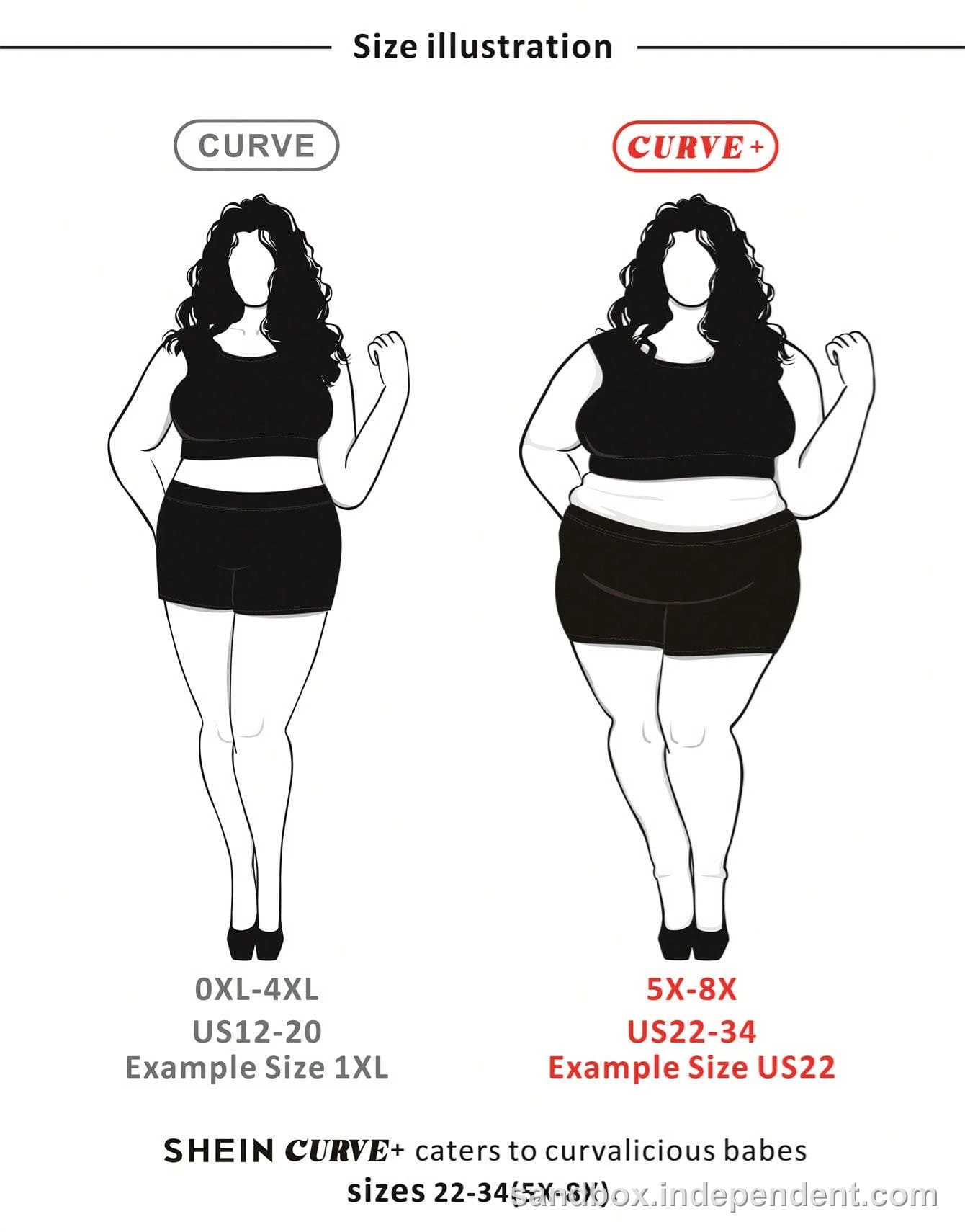
The lulus size chart is a handy tool for anyone who wants to ensure they're getting the perfect fit when shopping. This guide will take you through the ins and outs of reading and using this chart effectively. From understanding the different measurements to knowing how to convert sizes, we'll cover it all, making sizing a breeze!
Understanding the Lulus Size Chart
The lulus size chart is a handy tool that helps you find your perfect fit when shopping for clothing. It provides a standardized guide to help you match your body measurements with the corresponding size options. This chart is a great reference, especially when shopping online, as it ensures you make an informed choice and avoid any sizing surprises.
Comparing Size Chart Standards
Size charts can vary depending on the brand and region. Lulus, being a popular fashion brand, follows a specific sizing standard. Their chart typically includes measurements for bust, waist, and hip, which are crucial for finding the right fit. It's essential to note that these measurements are in inches, following the US standard. Other brands or international charts might use different units, so always check the chart's legend or key.
Step-by-Step Guide to Using the Chart
Using the lulus size chart is straightforward. First, measure your bust, waist, and hip accurately. You can do this by using a measuring tape and following a few simple tips: stand straight, measure at the fullest part of your bust, and ensure the tape is parallel to the floor. Once you have these measurements, find the closest match on the chart. For example, if your bust measurement is 36 inches, look for the size that corresponds to this range. The chart will provide a recommended size, usually in the form of numerical values or standard dress sizes (e.g., small, medium, large).
Avoiding Common Misreadings
One common mistake is not considering the entire body when referring to the chart. The lulus size chart provides a general guide, but your specific body shape might require some adjustments. For instance, if you have a curvier figure, you might need to size up for a more comfortable fit. Another pitfall is ignoring the brand's unique fit. Some brands have a reputation for running small or large, so always check the brand's sizing guide or reviews for any specific fit notes.
Factors Affecting Size Variations
Several factors can cause size variations, and understanding these is key to accurate sizing. Firstly, body measurements can fluctuate, especially if you're between sizes. In such cases, it's best to choose the larger size for a more comfortable fit. Secondly, different fabric types and styles can affect the fit. For instance, a stretchy fabric might provide a more forgiving fit, while structured fabrics might require a more precise size match. Lastly, personal preference plays a role. If you prefer a looser or tighter fit, you might need to adjust your size choice accordingly.
Adapting the Chart for Your Needs
The lulus size chart is a versatile tool, and you can adapt it to suit your specific needs. If you're shopping for a particular style, such as a fitted dress or a relaxed-fit top, refer to the brand's size guide for any style-specific measurements or recommendations. Additionally, if you're between sizes, consider the fabric and style of the garment. A looser-fit top might allow for more flexibility, while a structured blazer might require a more precise size match.
Keeping Your Sizing Reliable
To ensure reliable sizing, it's crucial to measure accurately and consistently. Invest in a good-quality measuring tape and follow a standardized measuring technique. Take your measurements at the same time of day, as slight variations can occur due to water retention or other factors. If you're shopping for multiple items, consider creating a personal sizing profile. Note down your key measurements and the corresponding sizes for easy reference. This way, you can quickly refer to your profile and make informed choices, ensuring a consistent and reliable fit.
Hey there! I hope this guide has been helpful in navigating the world of size charts. Remember, when it comes to Lulus' size chart, the specifics might differ slightly based on the item and your unique body. So, keep an eye out for those little variations!
If you found this guide useful, why not bookmark this page for future reference? It's always handy to have a quick reminder, especially when you're shopping online and need to make those important size decisions. Check out our other guides for more practical tips and tricks!
Related: Unraveling the Bolt Grade Chart: A Clear Guide
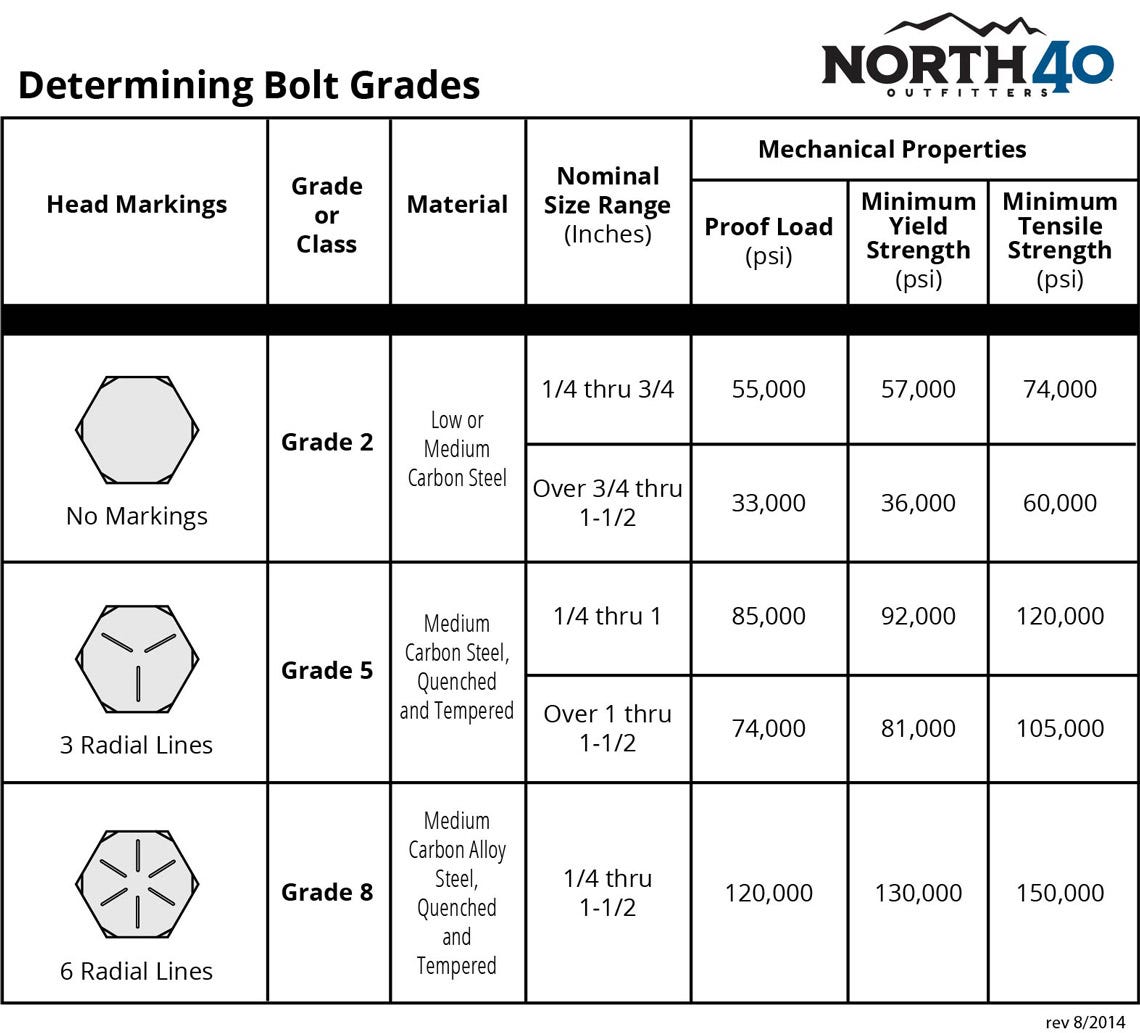
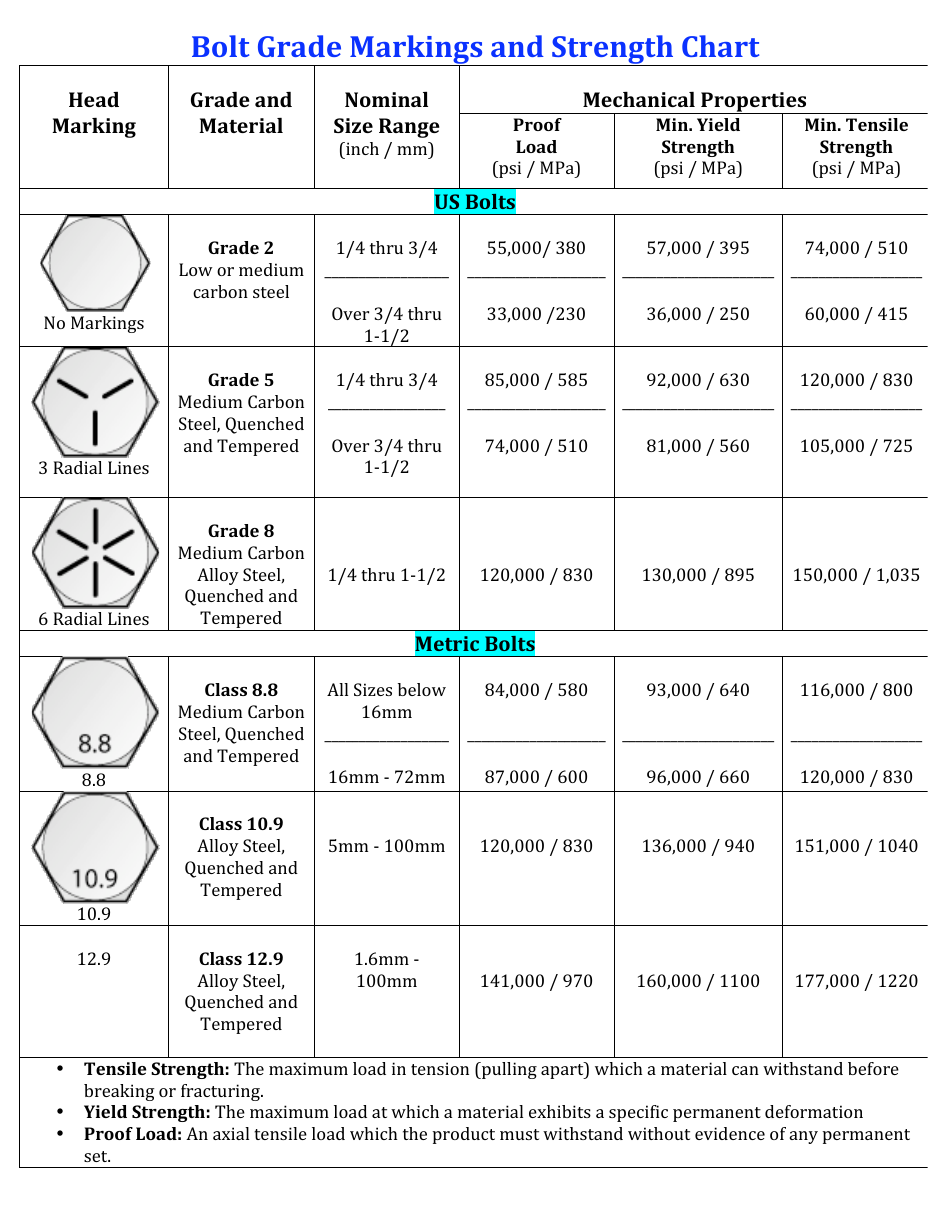
Many folks assume the bolt grade chart is a complex, intimidating beast, but it's actually a simple, handy tool. This chart is your friend, offering a quick glance at bolt strength and properties. It's not as scary as it seems!
Think of it as a reference guide, a visual aid, with values that may vary slightly depending on the standard or region. It's a practical way to understand bolt head markings and specifications, like ASTM or SAE grades, and it's a must-have for any project.
Understanding Grade Markings
The bolt grade chart is a handy reference tool that provides essential information about bolt grades and their properties. It offers a quick and easy way to understand the strength and characteristics of different bolts, which is crucial for any fastening project. This chart is a visual guide, often presented as a table or diagram, that simplifies the process of selecting the right bolt for your needs.
Common Grade Standards
When it comes to bolt grades, there are several standards and systems used globally. The most common ones include the ASTM bolt specifications and the SAE bolt grades in the US, as well as the metric bolt grades used internationally. These standards define the grade based on factors like tensile strength, yield strength, and hardness. The bolt grade chart typically covers these different standards, allowing you to compare and understand the variations.
Interpreting the Chart: A Step-by-Step Guide
Start by identifying the standard you are working with. As mentioned, there are US and metric systems, so ensure you are referring to the right one for your project.
Locate the grade you need. Bolt grades are often represented by numbers or letters, such as Grade 2, Grade 5, or Grade 8. These grades indicate the bolt's strength and are crucial for ensuring a secure fastening.
Check the corresponding properties. The chart will provide information on the bolt's tensile strength, yield strength, and hardness. These values are essential for determining the bolt's ability to withstand forces and stresses.
Consider the application. Different projects require varying levels of bolt strength. For instance, automotive applications often use higher-grade bolts compared to general construction. Ensure you choose a grade suitable for your specific needs.
Don't forget the head markings. Bolt head markings, often in the form of lines or symbols, provide additional information. These markings can indicate the bolt's grade, material, and even the manufacturer.
Common Misreadings and How to Avoid Them
One common mistake is assuming that all bolt grade charts are universal. Remember, charts may vary based on the standard and region. Always double-check the specific chart you are using and ensure it aligns with your project's requirements.
Another pitfall is ignoring the bolt's material. The bolt grade chart often focuses on the grade, but the material (e.g., steel, stainless steel) also plays a significant role in the bolt's performance. Ensure you select a material suitable for your application's environment and conditions.
Bolt Strength Variations: Key Factors
Several factors can influence a bolt's strength and, consequently, its grade. These include the bolt's material, heat treatment, and manufacturing process. For instance, a bolt made from high-strength steel will have a higher grade compared to one made from regular steel. Additionally, the thread type and pitch can also impact the bolt's performance and suitability for certain applications.
Adapting the Chart for Specific Needs
While the bolt grade chart provides a comprehensive overview, it's essential to note that it may not cover every unique application. If you have specific requirements or are working with specialized bolts, you may need to consult additional resources or seek expert advice. In such cases, referring to bolt torque charts or hardness charts can provide more detailed information tailored to your needs.
Keeping Your Reference Reliable
To ensure the accuracy and reliability of your bolt grade chart, it's crucial to keep it updated. Standards and specifications can evolve over time, so regularly check for any updates or revisions. Additionally, if you frequently work with bolts, consider creating a personalized chart or reference guide that suits your specific projects and needs. This way, you'll always have a reliable and tailored resource at your fingertips.
Hey there! I hope this guide has given you a clear understanding of bolt grade charts and their practical uses. Remember, these charts are a handy tool, but the exact details can vary, so always double-check the standards and sources relevant to your project.
There's always more to learn, so feel free to explore our other guides on related topics. We've got a whole range of practical tips and tricks to help make your projects a success. Happy learning, and happy bolting!
Related: Find Your Perfect Fit: Socks Size Chart
You've found yourself in need of a socks size chart, and who can blame you? It's a simple yet essential tool for ensuring you get the right fit. Whether you're buying socks for yourself or someone else, this chart is your go-to guide. It provides a quick and easy reference, ensuring you don't end up with socks that are too tight or too loose. While the values may vary depending on the brand or region, the socks size chart offers a reliable starting point.
Understanding the Sock Size Chart
The socks size chart is your go-to guide for finding the perfect fit for your feet. It's a simple yet practical tool that ensures your socks hug your feet comfortably and don't leave you with blisters or discomfort. This chart is like a secret code, and once you crack it, you'll never have to guess your sock size again!
Key Details and Categories
The chart typically features two main categories: sock size and shoe size. These are further divided into specific measurements and ranges. For sock size, you'll often see a numerical range, like 3-5, 6-8, and so on. These numbers represent the circumference of your foot, ensuring the sock fits snugly. Shoe size, on the other hand, is a familiar concept, often following standard shoe sizing guidelines.
Choosing the Right Fit: A Step-by-Step Guide
Using the socks size chart is a breeze! First, identify your shoe size. This is usually pretty straightforward, as you likely know your shoe size off the top of your head. Next, match your shoe size to the corresponding sock size on the chart. The chart will guide you to the right sock size, ensuring a perfect fit. It's as simple as that!
If you're buying socks as a gift or for someone with unique foot dimensions, you might need to measure their foot circumference. A simple tape measure will do the trick. Measure the widest part of their foot, and you're good to go!
Common Size Variations and Why They Happen
While the socks size chart is a reliable guide, variations can occur due to several factors. Different manufacturers might use slightly different standards or have unique sizing guidelines. Additionally, the material and construction of the sock can affect its stretch and fit. For instance, a thick, cozy wool sock might have a looser fit compared to a thin, athletic sock.
It's also worth noting that foot size can vary depending on factors like age, height, and even the time of day! Yes, our feet can swell slightly throughout the day, so it's best to measure or refer to the chart in the morning for the most accurate size.
Remember, while the socks size chart provides a great starting point, it's always a good idea to double-check the exact specifications and tolerances, especially for specialized socks or if you have unique foot dimensions. Happy sock shopping!
Well, there you have it! A handy guide to understanding sock sizes and how to use a size chart effectively. Remember, when it comes to sock sizes, there can be slight variations, so always check the specific guidelines or measurements provided by your preferred brand or manufacturer.
It's always a good idea to double-check, as these charts are just a general guide, and you want to ensure a perfect fit. So, take your time, measure up, and find those dream socks! And if you're keen to explore more practical guides and tips, feel free to browse our other articles. We've got you covered!