

Captain America Coloring Sheets Overview
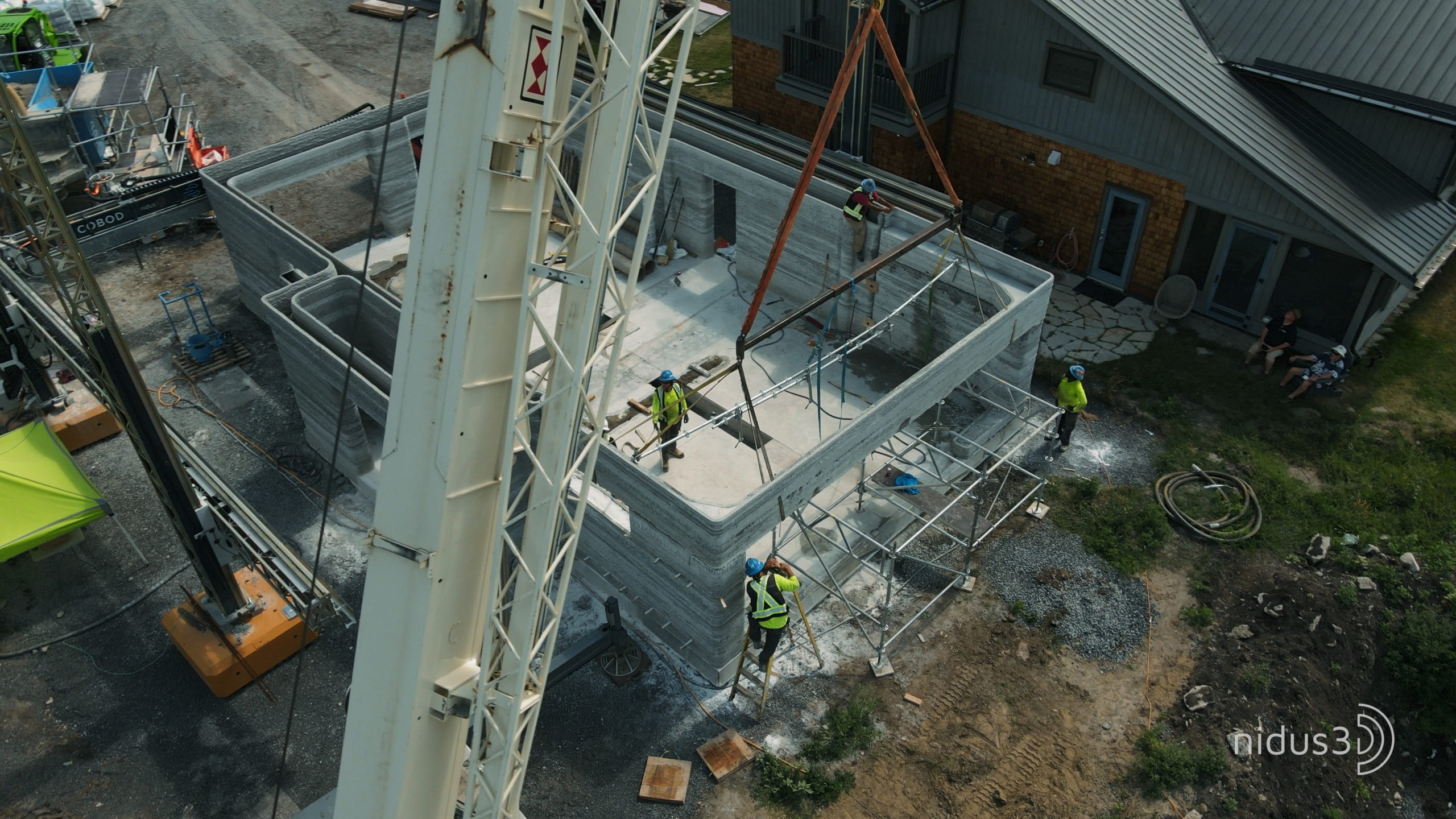
"Hmm, I wonder who's behind those construction sites around town." If you've ever asked yourself that question, you're not alone. We often see the results of their work but rarely think about the names and faces of the companies bringing these projects to life. So, let's explore the world of American building company names and uncover some practical insights.
Unraveling the Mystery of Building Company Names
American building company names are more than just words; they represent the identity and reputation of a business. These names can be a simple reflection of the services they offer, like "Atlanta Construction Co.," or they might aim for a more creative and memorable brand, such as "Build-It-Right Builders." The name a company chooses can impact how it's perceived by customers and even influence its success.
When it comes to naming your construction business, consider the following:
- Simplicity and Clarity: Opt for a name that's easy to understand and remember. Avoid complex or obscure references that might confuse potential clients.
- Local Appeal: Incorporating a city or region's name can help establish a strong local presence. For instance, "Helena Home Remodelers" instantly connects with residents of Helena.
- Uniqueness: While local appeal is important, ensure your name stands out. You don't want to be confused with other companies, especially competitors.
- Availability: Before settling on a name, check its availability for business registration, domain names, and social media handles. You don't want legal issues or to miss out on online visibility.
Here are a few original name ideas to inspire you:
- "Build-Pro Construction"
- "Renovation Revolution"
- "Craftsman's Corner"
- "HomeCraft Builders"
- "Bay Area Builders"
- "Hammer & Nail Construction"
The Practical Side of Building Companies
Beyond names, it's essential to know what to expect when hiring a building company. Whether you're planning a home renovation or a new construction project, here are some tips:
- Research and References: Look for companies with a solid track record. Check online reviews and ask for references from past clients.
- Insurance and Licensing: Ensure the company is properly insured and licensed to operate in your area. This protects you in case of accidents or disputes.
- Clear Communication: A good building company will provide detailed estimates and keep you informed throughout the project. Clear communication is key to a successful outcome.
- Compare Quotes: Get multiple quotes to understand the range of prices. Remember, the cheapest option isn't always the best. Consider the company's reputation, experience, and the clarity of their proposal.
A Peek into the Industry
The construction industry is vast, and it's fascinating to explore some of its aspects. Tools like RSMeans provide cost estimating databases, which are essential for accurate project budgeting. These databases consider various factors, ensuring builders can offer competitive quotes.
When it comes to jobs, the construction industry offers a range of roles, from general contractors overseeing entire projects to specialized tradespeople like electricians and plumbers. Salaries can vary widely depending on experience, skills, and the specific role. If you're interested in construction jobs, check local job boards and company websites for openings.
Large construction companies often have a national or even international presence. They handle major projects and have the resources to take on complex jobs. In contrast, smaller companies might focus on local projects and offer more personalized services.
Wrapping Up
Exploring American building company names has given us a glimpse into the world of construction and the considerations that go into building a successful business. Whether you're a homeowner planning a renovation or someone interested in the industry, I hope this has provided some valuable insights. Remember, when it comes to construction, knowledge is power, and a well-chosen company name can be a great first step towards success.
Related: Canadian Construction Companies Essential Guide
Canadian construction companies are everywhere, and we often take them for granted. From building our homes to renovating our spaces, these companies play a vital role in shaping our communities. Let's explore what they offer and how they can help us create our dream spaces.
Building Our Dreams: An Introduction to Canadian Construction
Canadian construction companies are the backbone of our built environment. They are the experts who bring our architectural visions to life, whether it's constructing a new home, adding an extension, or transforming our living spaces through remodeling. These companies offer a range of services, from general contracting to specialized trades, ensuring every aspect of a project is covered.
When considering a construction project, it's important to understand the factors that influence costs. Pricing can vary depending on the scope, materials, and labor involved. Getting multiple quotes is essential to compare and find the best fit for your budget. Remember, the cheapest quote might not always be the best choice, as quality and expertise matter too.
Hiring a reputable contractor is crucial. Check their licenses, insurance, and references to ensure they are reliable and capable. Ask about their experience with similar projects and their ability to manage timelines and budgets. A good quote should provide a detailed breakdown of costs and a clear timeline, giving you peace of mind.
Naming Your Construction Business: A Creative Venture
Naming a construction company is an art. It should be memorable, reflect your brand, and stand out in a competitive market. Consider a name that evokes strength, reliability, and creativity. Some unique name ideas could be:
- BuildCraft
- Constructive Solutions
- Home Evolution
- Skyrise Builders
- EcoBuild
Remember to check name availability and secure your domain and local business registration to avoid legal issues.
The Construction Industry: Jobs and Opportunities
The construction industry offers a wide range of roles, from general contractors to specialized tradespeople. Estimators, project managers, and skilled laborers are in demand. Salaries vary depending on experience, location, and the scale of projects. Job boards, industry networks, and local construction associations are great places to start your search.
Industry Tools and Resources
Tools like RSMeans provide valuable cost data and resources for construction professionals. These databases help estimate project costs accurately, ensuring projects stay on budget. Construction companies rely on such tools to provide reliable estimates and manage projects effectively.
The Size of the Company: Does it Matter?
The size of a construction company can influence its capabilities. Larger firms often have more resources and specialized teams, allowing them to take on complex projects. Smaller companies, on the other hand, may offer a more personalized service and be better suited for smaller-scale projects. It's about finding the right fit for your needs.
Final Thoughts
Canadian construction companies are an integral part of our daily lives, and understanding their role can help us make informed decisions. Whether you're building, remodeling, or just curious, these companies offer a wealth of expertise and creativity. So, the next time you see a construction site, remember the hard work and dedication that goes into creating our built environment.
Related: How to use the dnd modifier chart?
You're probably familiar with the DND modifier chart, a handy tool that simplifies the game's mechanics. It's a quick reference guide, a cheat sheet of sorts, to keep your game flowing smoothly. Whether you're a seasoned DM or a new player, having this chart at your fingertips ensures you can apply the right modifiers and bonuses without slowing down the action. While the values might vary slightly depending on your edition or house rules, the DND modifier chart is a universal aid that every DND enthusiast should have.
Understanding the Chart: A Quick Overview
The dnd modifier chart is a handy reference tool for players and Dungeon Masters alike. It simplifies the process of applying modifiers to ability checks, attack rolls, and saving throws in Dungeons & Dragons (D&D). This chart provides a quick visual guide to the standard modifier values, making it easier to keep track of bonuses and penalties during gameplay.
Comparing Modifier Sources and Values
The dnd modifier chart typically presents modifiers for ability scores, skills, and various game mechanics. Ability scores like Strength, Dexterity, and Intelligence each have their own modifiers, which can be positive or negative. These modifiers are derived from the character's ability score and can be further influenced by class features, racial traits, and equipment. Skill modifiers, on the other hand, are determined by the character's proficiency bonus and their chosen skill proficiency.
Using the Modifier Chart: A Step-by-Step Guide
- Identify the Modifier Source: Determine what aspect of your character or situation is being modified. Is it an ability score check, a skill check, or an attack roll? The source of the modifier will dictate which column or section of the chart you should refer to.
- Find the Relevant Modifier: Look up the appropriate modifier based on your character's ability score or skill proficiency. For example, if you're making a Strength check, find your character's Strength modifier on the chart.
- Apply the Modifier: Once you have the modifier, simply add or subtract it from the roll. Positive modifiers improve your chances of success, while negative modifiers make it more challenging.
- Consider Additional Modifiers: Remember that certain game elements, like spells or class abilities, can provide further modifiers. These should be applied in addition to the base modifier from the chart.
Common Misreadings and Pitfalls
One common mistake is misinterpreting the dnd modifier chart as a comprehensive guide for all modifiers. While it covers a wide range of standard modifiers, it might not include every possible scenario. It's essential to consult the D&D rulebook or your Dungeon Master for specific cases. Additionally, be mindful of the context in which modifiers are applied. For instance, a modifier for an ability check might not apply to a skill check, so always check the game's rules for clarity. Lastly, remember that the chart provides a quick reference, but it's always a good idea to double-check your calculations to ensure accuracy.
Using a modifier chart is a great way to keep your D&D game organized and ensure everyone is on the same page. Remember, these charts are a handy tool, but the exact values might differ slightly based on your chosen standard or reference.
So, take a moment to double-check your specific needs and ensure the chart you're using aligns with your game's rules. And don't forget to explore other helpful guides and resources on our site to enhance your D&D experience even further!