





Card Types Mtg Overview
Many people mistakenly assume that all wood types provide the same heat output, but this is far from the truth. The wood btu chart is a valuable tool that dispels this myth, offering a clear, data-driven way to compare wood types and their energy content. This chart is a straightforward reference, presenting the heat output, or BTU (British Thermal Unit), of various woods, which helps you make informed choices about firewood selection and usage. While the exact values may vary slightly depending on factors like moisture content, the wood btu chart provides a reliable guide to understanding wood fuel efficiency and heat output per cord.
A Practical Guide to the Wood BTU Chart
The wood BTU chart is a valuable tool for anyone using wood as a fuel source. It provides a clear and concise reference for understanding the heating potential of different wood types. This chart offers a quick and easy way to compare the energy content of various woods, helping you make informed decisions about fuel efficiency.
Comparing Wood Types and Their BTU Values
The wood BTU chart typically presents a range of common wood species, each with its own heating value, measured in BTUs (British Thermal Units). You'll find familiar woods like oak, maple, and pine, each with its unique energy content. The chart may also include less common varieties, offering a comprehensive overview. These values represent the heat output per unit of wood, allowing you to compare the efficiency of different woods.
Step-by-Step Guide to Using the Wood BTU Chart
Using the wood BTU chart is straightforward. First, identify the wood type you are interested in. Then, locate it on the chart and note the BTU value. This value represents the heat energy released when burning a specific amount of that wood. For instance, if you're using oak, you might find it has a higher BTU value than softer woods like pine, indicating its superior heating potential. This simple process allows you to choose the most suitable wood for your needs.
Avoiding Common Misreadings and Pitfalls
It's essential to understand that the values on the wood BTU chart are approximate and can vary. Factors like moisture content and wood density can significantly impact the actual heating value. Wet wood, for example, will have a lower BTU output than dry wood of the same type. Always ensure the wood you're using is well-seasoned and has the standard firewood moisture content of around 20% for accurate results.
Key Factors Affecting Accuracy and Real-World Use
- Moisture Content: The moisture level in wood is a critical factor. Wet wood burns inefficiently and produces less heat.
- Wood Species: Different woods have varying natural densities and energy contents.
- Seasoning Time: Properly seasoned wood is essential for accurate BTU calculations.
- Cord Measurements: Ensure you understand the standard heat output per cord to make accurate comparisons.
- Regional Variations: Some charts may have regional differences, so check the applicable standards.
Remember, while the wood BTU chart is a valuable tool, it's just a guide. Always consider the specific conditions and requirements of your situation for the most accurate and efficient wood fuel use.
Your wood BTU chart is a handy tool, a quick reference guide to keep close by. It offers a simple yet effective way to compare and understand the energy content of different wood types, an essential step when planning your fuel sources.
Remember, while this chart provides a great starting point, it's always wise to double-check the specific requirements for your project or situation. Exact values can vary, so ensure you have the right data for your needs. Bookmark this page for future reference; it might just save you some time and effort down the line!
Related: Construction Jobs Helena MT Essential Guide
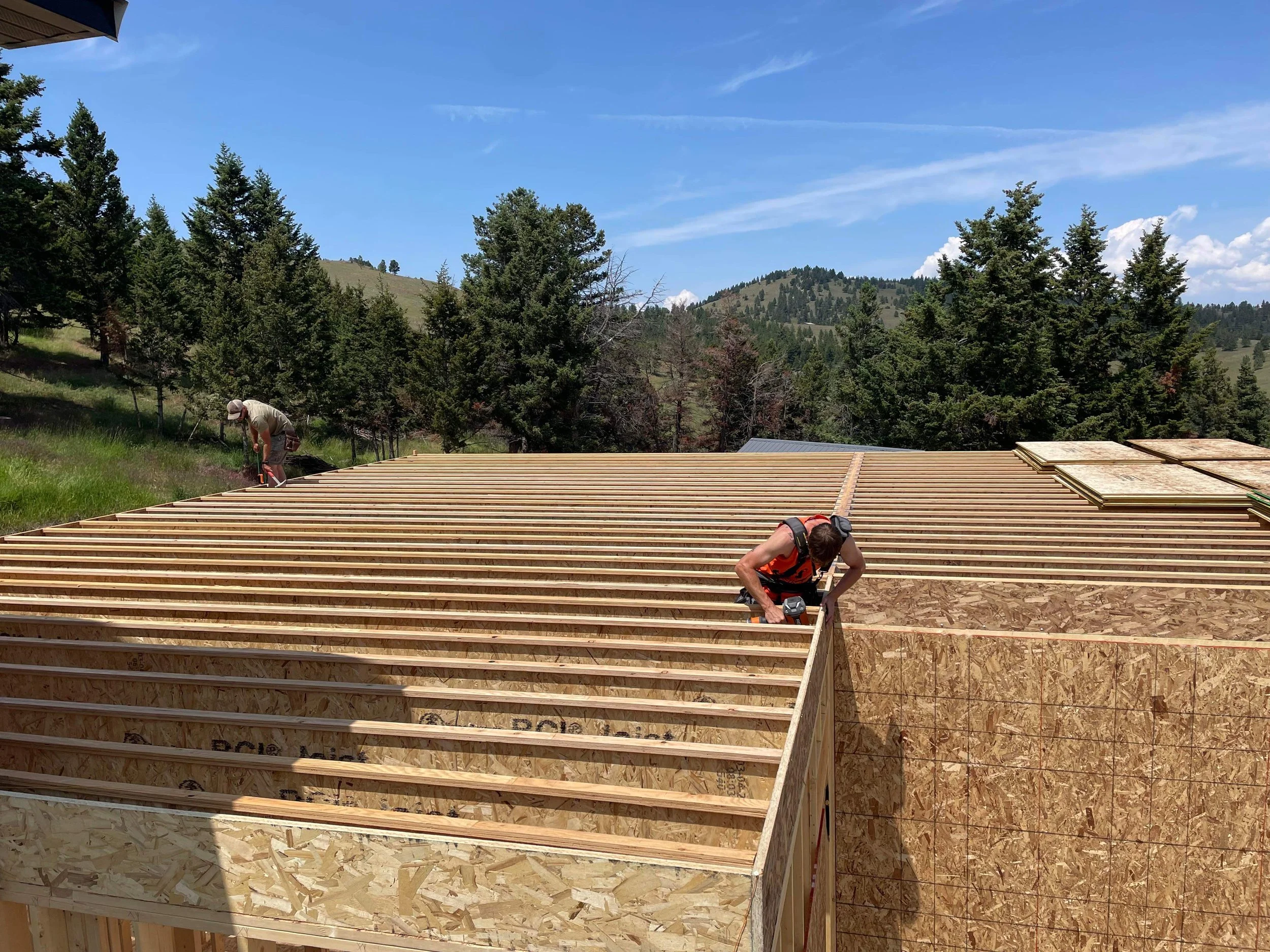
I was walking around Helena, MT, the other day, and it struck me how many construction sites there are. Construction jobs Helena MT are clearly in demand, and it got me thinking about all the opportunities and challenges in this industry. So, let's explore what's going on in the world of construction and building in this beautiful city.
Building a Career in Construction
Construction jobs Helena MT offer a range of opportunities for those interested in the industry. From general contractors to specialized tradespeople, there's a role for many skill sets. Whether you're an experienced builder or new to the field, there are paths to consider.
For those looking to start a business, the construction industry provides an exciting avenue. With the right skills and a solid business plan, you can establish your own company, offering services like home remodeling or new builds. It's a competitive market, but with the right approach, you can find your niche.
Finding the Right Contractor
When it comes to hiring a contractor for your building project, it's crucial to do your research. Check their credentials, ask for references, and ensure they have the necessary licenses and insurance. A good contractor will provide a detailed quote, outlining the scope of work and any potential additional costs.
Compare quotes from multiple contractors to ensure you're getting a fair deal. Don't just go for the cheapest option; consider the quality of work and the contractor's reputation. It's a balance between finding a competitive price and ensuring the job is done right.
Naming Your Construction Business
Choosing a name for your construction business is an important step. It needs to be memorable, reflect your services, and stand out in a crowded market. Avoid generic names and opt for something unique that will stick in people's minds.
Here are a few name ideas to get you started:
- Mountain Peak Builders
- Helena Home Remodelers
- Big Sky Construction Co.
- Northern Lights Builders
- Rock Solid Renovations
Remember to check name availability and secure the right domain and local registrations before finalizing your business name.
Industry Tools and Data
The construction industry relies on various tools and data to operate efficiently. One such tool is RSMeans, a cost database that provides accurate estimates for construction projects. It's a valuable resource for contractors and builders, helping them plan and manage costs effectively.
Construction cost indexes are another essential tool, providing insights into the current market and helping contractors and clients understand the financial landscape. These indexes consider factors like labor, materials, and location, offering a comprehensive view of construction costs.
Large vs. Small Firms
The construction industry is diverse, with a range of company sizes. Large firms often have the resources to take on bigger projects and may offer a wider range of services. They can provide stability and a broader skill set.
However, small firms can offer a more personalized service and may be more flexible in their approach. They often have a strong local presence and can provide a more tailored experience. It's a matter of finding the right fit for your needs and preferences.
So, whether you're looking for a career in construction, hiring a contractor, or starting your own business, construction jobs Helena MT offer a wealth of opportunities. It's an exciting industry with a lot to offer, and with the right approach, you can find success and satisfaction.
Related: How to Use the 0-Ring Size Chart?
Frustrated with finding the right O-ring size? The 0-ring size chart is your go-to tool for a quick and accurate solution. This handy reference guide simplifies the process, ensuring you get the right fit every time. It's like having a secret weapon to avoid any sizing headaches!
The chart provides a clear overview of O-ring dimensions, covering standard measurements and even offering insights into metric sizes. With this visual aid, you'll navigate sizes and tolerances with ease, making your task a breeze!
Understanding the 0-ring Size Chart: A Quick Overview
The 0-ring size chart is a valuable tool for anyone working with o-rings, offering a quick and easy reference guide to their dimensions. This chart provides a standardized way to identify and select the right o-ring for your needs, ensuring a proper fit and function. It's a simple yet effective resource for engineers, mechanics, and anyone dealing with seals and gaskets.
Comparing Chart Standards and Formats
There are different standards and formats for 0-ring size charts, primarily based on the measurement system used. The most common are the US Customary and Metric systems. These charts organize o-rings by their inner diameter and cross-section, offering a clear visual guide to their dimensions. While the layout and categories may vary, the purpose remains the same: to provide an accurate and accessible reference.
Step-by-Step Guide to Using the 0-ring Size Chart
Using the 0-ring size chart is straightforward:
- Identify the inner diameter (ID) and cross-section (CS) of the o-ring you need. These measurements are critical for a proper fit.
- Locate the ID and CS values on the chart. The chart will typically have these values along the edges, with the o-ring sizes displayed in a grid format.
- Find the intersection of the ID and CS values. This will give you the specific o-ring size you're looking for.
- Check the chart's key or legend to confirm the o-ring's material and any additional specifications.
- Select the o-ring that matches your requirements, ensuring a precise fit for your application.
Avoiding Common Misreadings and Pitfalls
It's essential to read the 0-ring size chart accurately to avoid misidentifying o-ring sizes. Always double-check the units of measurement, as some charts may use different systems. Pay attention to the chart's scale and ensure you're not mistaking the ID for the outer diameter (OD). Additionally, be aware that some charts may have slight variations or rounding, so always confirm the exact specifications, especially for critical applications.
Factors Affecting Size Variations and Accuracy
Several factors can cause variations in o-ring sizes and affect the accuracy of the 0-ring size chart. These include the o-ring's material, which can influence its flexibility and dimensions. Environmental factors, such as temperature and pressure, can also impact an o-ring's performance and size. Manufacturing tolerances and quality control can introduce slight variations, so always refer to the manufacturer's specifications for precise dimensions.
Choosing the Right Format for Your Needs
When selecting an 0-ring size chart, consider your specific needs and the measurement system you're most comfortable with. If you're working in the US, a chart using US Customary units might be more practical. For international projects, a Metric chart is often the best choice. Some charts also offer additional features, like color-coding or material-specific sections, which can be helpful for quick identification.
Keeping Your Reference Reliable for Future Use
To ensure the reliability of your 0-ring size chart, keep it up-to-date and in a safe place. Regularly check for updated versions, as charts may change due to new standards or improvements. Consider laminating your chart or storing it digitally for easy access and preservation. By maintaining a reliable reference, you can quickly and accurately select the right o-ring for your projects, saving time and ensuring a proper seal.
Hey there! I hope this guide has been helpful in understanding the world of O-ring sizing. Remember, while the basics are covered here, there's always room for variation. Exact values might differ based on the specific standards or sources you refer to.
Feel free to explore other guides on our site to dive deeper into related topics. We've got a whole collection of practical resources to keep you informed and equipped!