


Carilion E Chart Blank Overview
A common mistake when dealing with socket size charts is assuming they are universal. While these charts are incredibly useful, it's important to understand that they can vary depending on your location and the specific standards you're working with.
So, when you're tackling a project, whether it's a simple home repair or a more complex task, referring to the right socket size chart is key. These charts provide a quick and accurate way to identify the right tool for the job, ensuring you don't end up with a metric socket when you need an imperial one!
Understanding Socket Size Charts
Socket size charts are your practical guides to choosing the right socket for the job. They provide a clear, visual reference for different socket sizes, helping you select the correct tool for your needs.
Key Details and Units
These charts typically display socket sizes in either metric or imperial measurements, depending on the standard being used. The metric system is widely adopted internationally, while the imperial system is more common in certain regions like the United States. The chart will list socket sizes in these units, often in millimeters (mm) or inches (in).
Reading the Chart: A Step-by-Step Guide
- Identify the measurement system: Determine whether your chart uses metric or imperial measurements. This is crucial as it affects the size categories and conversions.
- Locate the size category: Look for the specific size you need. Socket size charts often list sizes in ascending or descending order, making it easy to find the right one.
- Note the dimensions: The chart will provide the inner and outer dimensions of the socket. These are critical for ensuring a proper fit with your fastener or tool.
- Consider the drive size: Socket size charts may also include information about the drive size, which is the size of the square hole in the socket that fits onto a ratchet or breaker bar. Ensure this matches your tool.
Variations and Differences
Socket size charts can vary depending on several factors:
- Measurement System: As mentioned, the metric and imperial systems have different units and size categories.
- Standard Organizations: Different organizations or regions may have their own standards and specifications, leading to variations in socket sizes.
- Manufacturer Preferences: Some manufacturers may use slightly different sizes or designs, especially for specialty sockets.
- Tool Type: Sockets designed for specific tools, like impact wrenches, may have unique dimensions.
Common Mistakes and How to Avoid Them
- Mixing Measurement Systems: Always ensure you're using the correct system (metric or imperial) to avoid mismatched sizes.
- Assuming Standard Sizes: Don't assume all sockets follow the same standard. Double-check the exact specifications, especially for specialty sockets or tools.
- Neglecting Drive Size: The drive size is crucial for a proper fit with your ratchet or bar. Always check this specification.
- Forgetting Tolerances: Sockets have tolerance ranges. Ensure your fastener falls within the socket's tolerance range for a secure fit.
Remember, while socket size charts are invaluable tools, they are just guides. Always refer to the specific tool's or manufacturer's instructions for exact specifications.
Hey there, I hope this socket size chart has been a handy reference for you! Remember, while these charts provide a solid framework, the exact details can vary slightly depending on the specific context or standard you're working with. It's always a good idea to double-check the relevant specs for your project.
Feel free to explore our other guides on similar topics. We've got a whole collection of practical resources to help you tackle various DIY and technical challenges. Happy learning and keep those tools organized!
Related: What's the youth size chart I need?
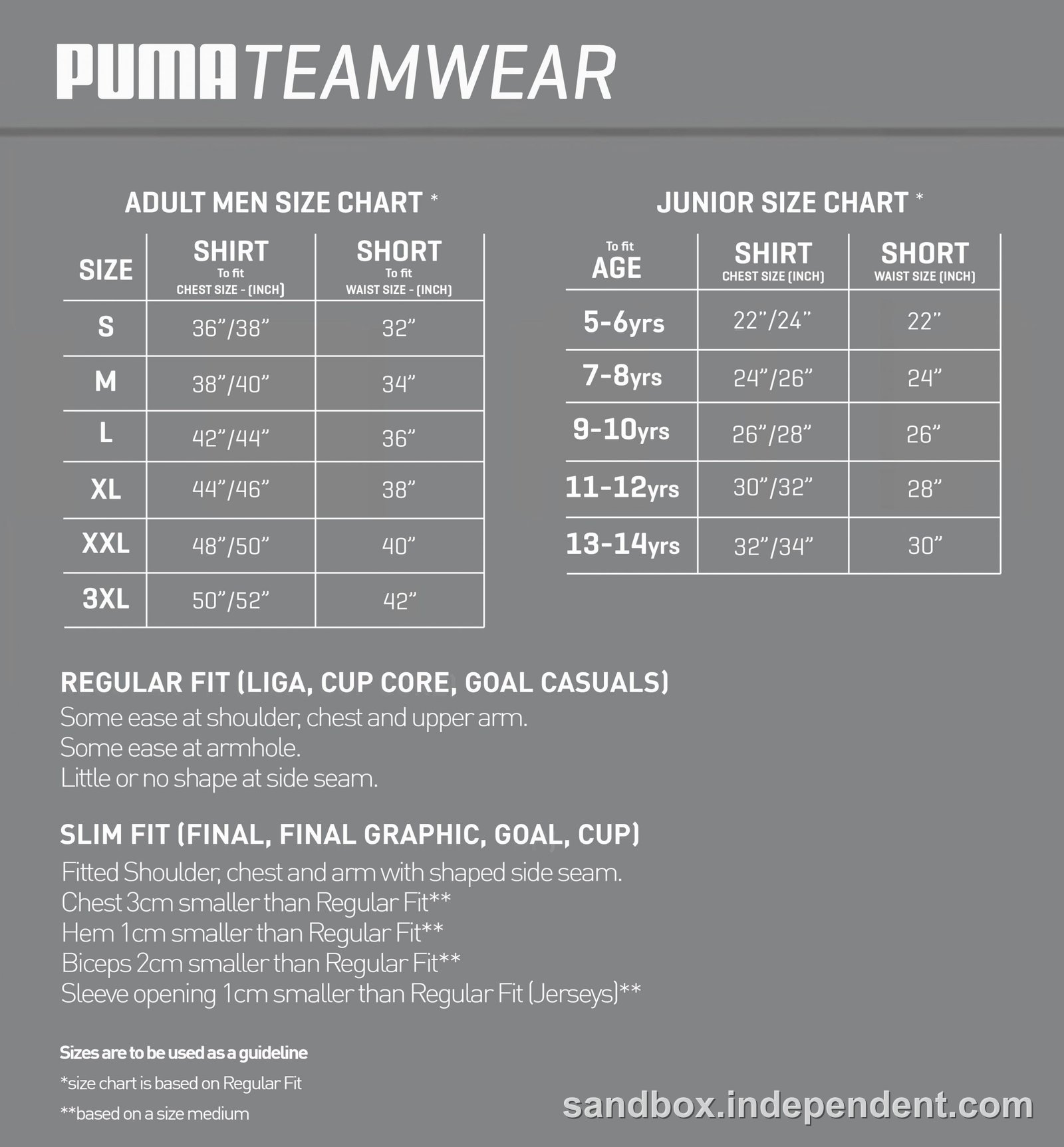
A youth size chart is a handy tool for parents and caregivers, offering a quick and accurate way to find the right fit for kids' clothing and shoes. This guide will show you how to navigate these charts, ensuring you get the perfect size every time.
Understanding the youth size chart is essential, especially when shopping online or for specific brands. While the charts provide standard measurements, they can vary slightly, so knowing how to read them is key.
Youth Size Chart: A Practical Guide
A youth size chart is an essential tool for parents and caregivers to ensure kids' clothes and shoes fit comfortably and correctly. This chart provides a standardized guide to help you choose the right size for children's apparel and footwear.
Key Details and Categories
The youth size chart typically includes categories for clothing and shoes, with specific measurements for each. For clothing, you'll find sizes ranging from XS (extra small) to XL (extra large), each with corresponding chest, waist, and height measurements in inches or centimeters. Shoe sizes, on the other hand, are numbered and often include an age range as a reference.
Understanding the Chart: Step-by-Step
To use the youth size chart accurately, follow these steps:
- Measure your child's chest, waist, and height. Ensure you use a flexible measuring tape for an accurate reading.
- Locate the appropriate category on the chart: clothing or shoes.
- For clothing, find the size that best matches your child's measurements. If their measurements fall between two sizes, choose the larger size for comfort and room to grow.
- For shoes, identify the size that aligns with your child's age or foot length.
- Always double-check the specific brand or manufacturer's guidelines, as sizing can vary slightly between brands.
Common Size Variations and Why They Occur
It's important to note that youth sizes can vary depending on several factors:
- Region and Standard: International youth size charts may use different units or have slightly different measurements. Always check if the chart follows US or international standards.
- Clothing Style: Different types of clothing, like shirts, pants, or jackets, may have unique sizing requirements.
- Shoe Type: Athletic shoes, for instance, might have a different fit compared to dress shoes.
- Individual Differences: Every child's body is unique, so variations in body shape and size are common.
Practical Sizing Tips and Common Mistakes to Avoid
Here are some tips to ensure accurate sizing:
- Measure your child regularly, as they grow quickly!
- Don't assume that all brands follow the same sizing guidelines.
- When in doubt, opt for a slightly larger size to allow for growth.
- Avoid relying solely on age for shoe sizing; foot length is a more accurate indicator.
- Remember that comfort and fit are crucial, so always try items on if possible.
By following these guidelines and understanding the factors that influence youth sizing, you'll be able to choose the perfect fit for your child's clothes and shoes.
Hey there, I hope this youth size chart guide has been a helpful resource for you. Remember, when it comes to sizing, exact values can differ slightly, so always double-check the source and standard you're using.
It's always a good idea to bookmark pages like these for future reference, especially when you're shopping for kids and need a quick reminder of the right measurements. Feel free to explore our other guides too; we've got plenty of practical tips and tricks to make your life easier!
Related: How to Read a Skin Tone Chart?
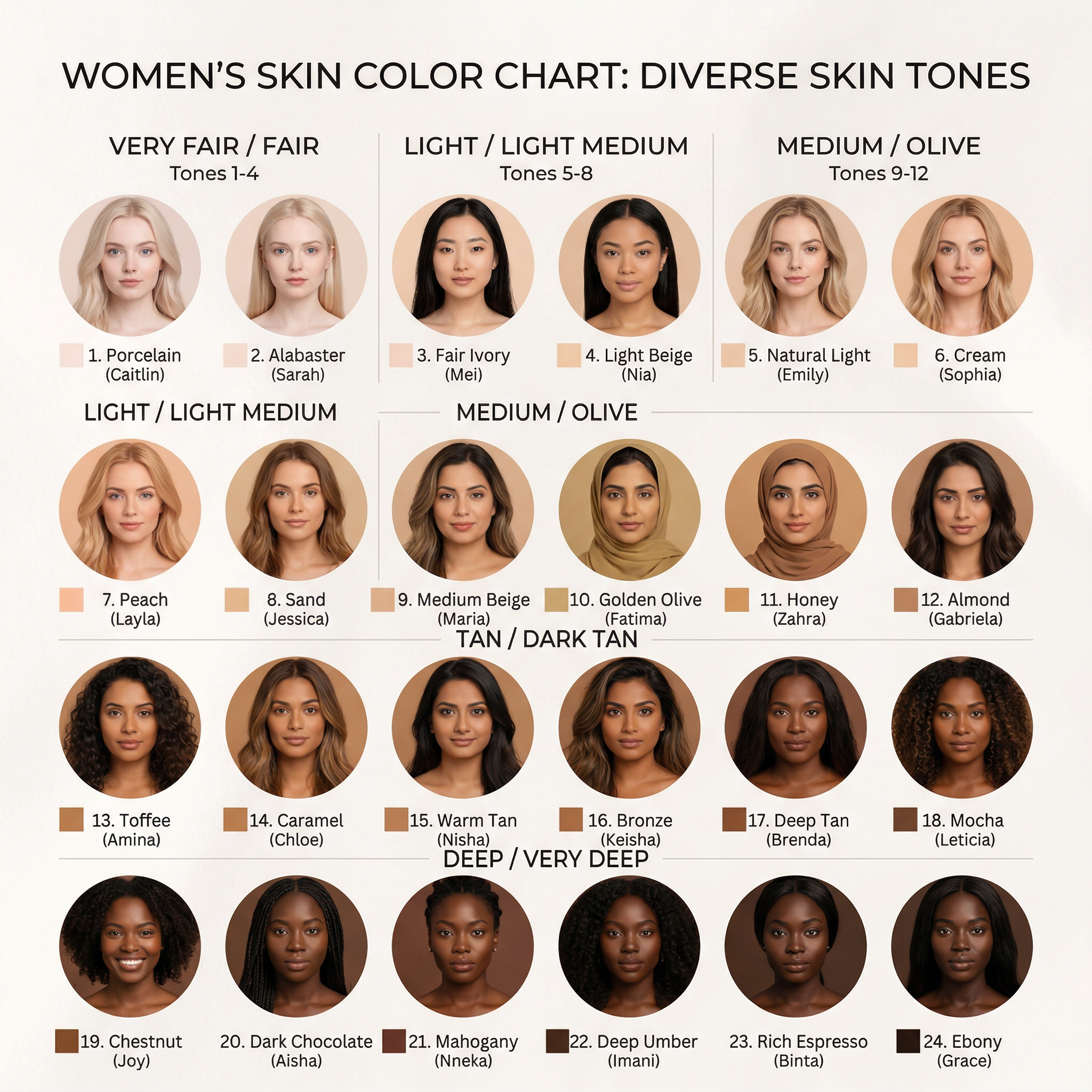
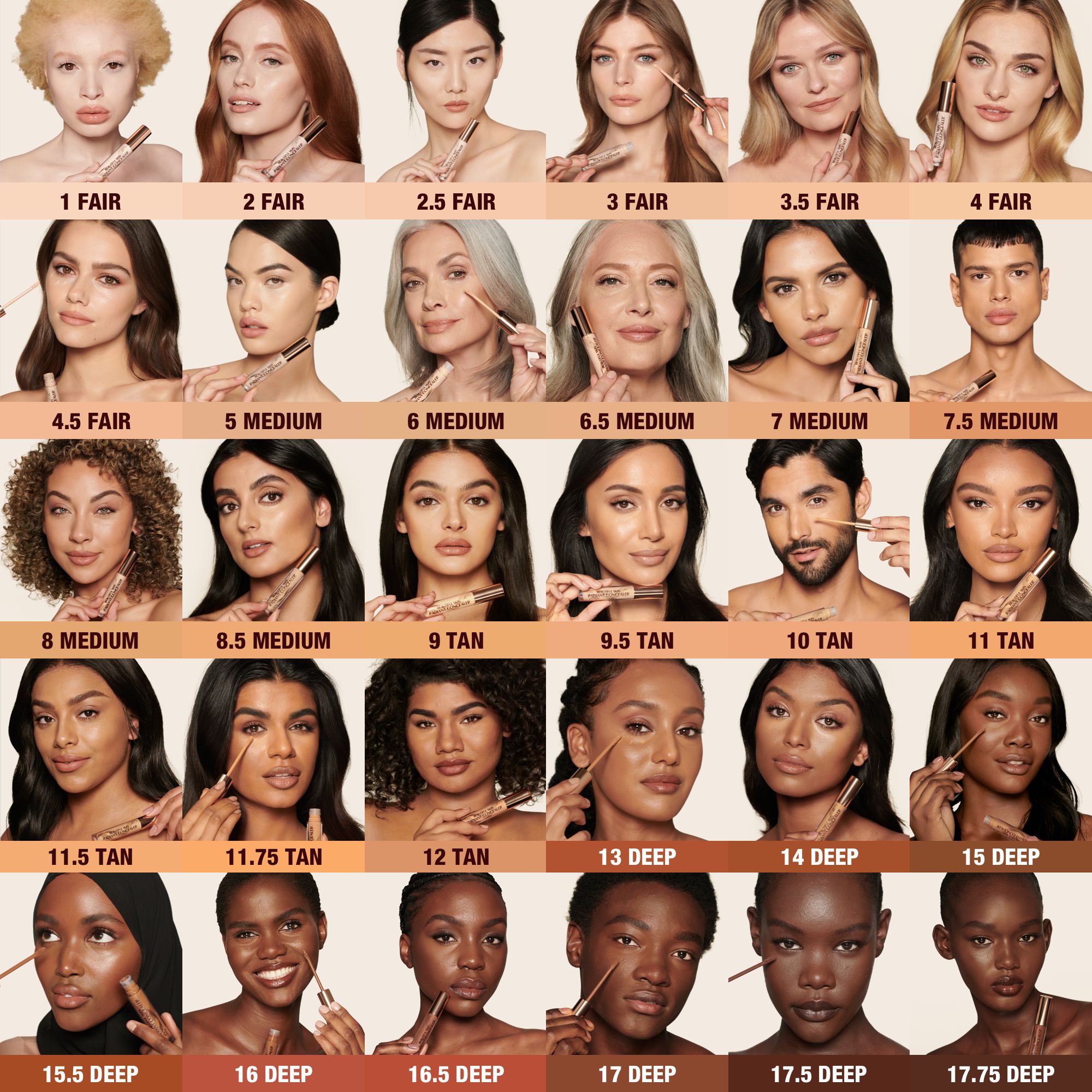
You're probably here because you need a quick reference or a simple guide to understanding skin tone charts. These charts are a handy tool, offering a visual representation of skin tones, and they can be incredibly useful when you're seeking the perfect match for your foundation or even for artistic purposes. It's a great way to ensure accuracy and find your ideal shade, and while the values may vary depending on the context, they provide a reliable starting point.
Understanding Skin Tones: An Overview
The skin tone chart is a helpful tool to understand and categorize skin colors. It offers a visual representation of various skin tones, providing a reference for accurate shade matching. This chart is particularly useful in industries like cosmetics and fashion, where precise tone identification is essential.
Comparing Standards and Scales
Several standards and scales exist to measure and categorize skin tones. The most well-known is the Fitzpatrick scale, which classifies skin types based on their response to sun exposure. This scale has six categories, ranging from very light to deeply pigmented. Another popular reference is the Munsell skin color charts, which use a three-dimensional color system to represent skin tones. These charts provide a more detailed and nuanced view of skin colors.
Practical Colorimetry: Step-by-Step Guide
Using a skin tone chart is straightforward:
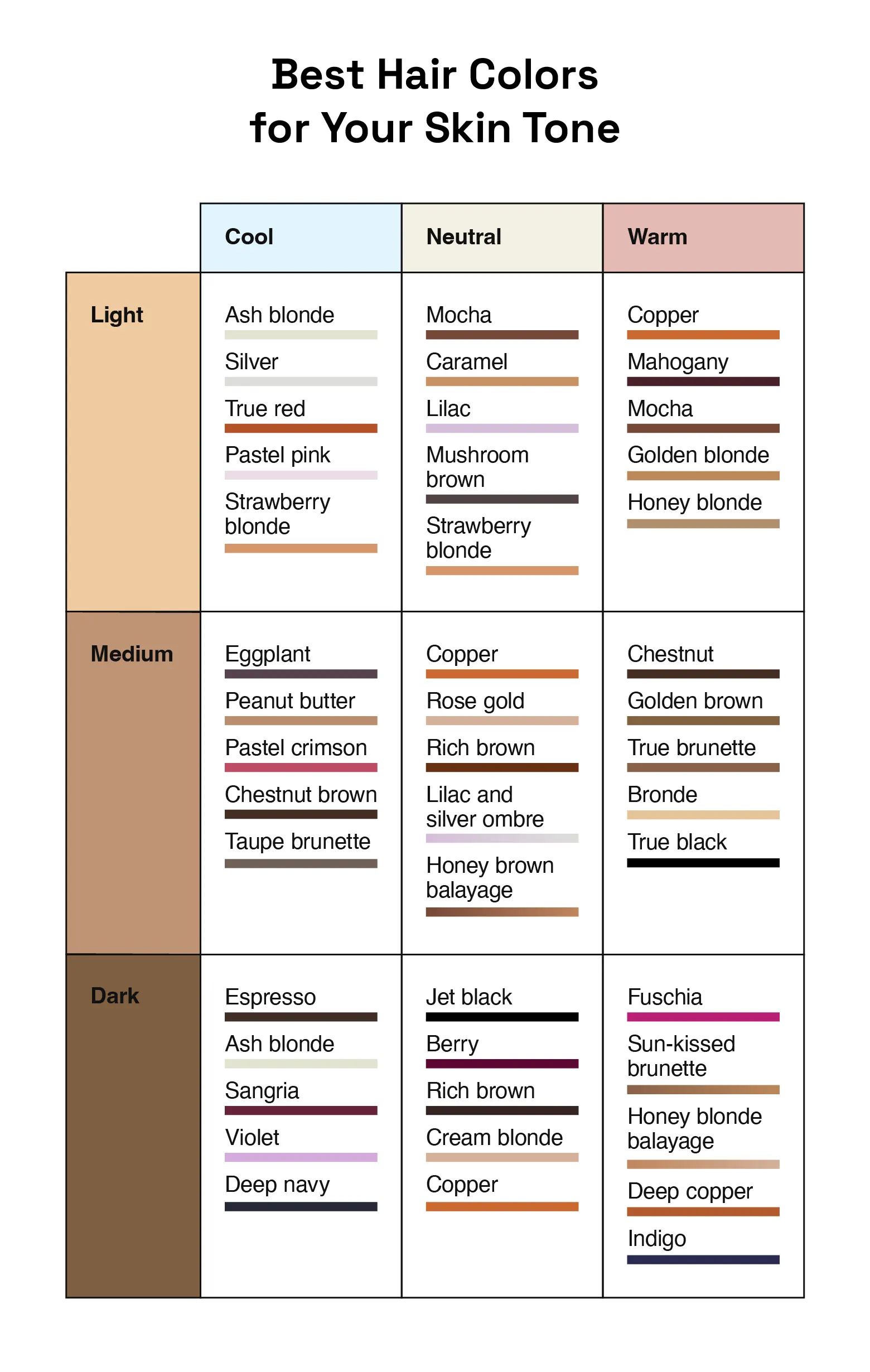
Identify the primary color of your skin. This is the base tone, often referred to as the undertone. Common undertones are cool (pink or blue), warm (yellow or golden), and neutral (a balance of cool and warm).
Determine your skin's lightness or darkness. This is measured on a scale, with higher numbers indicating lighter skin and lower numbers representing darker tones.
Combine these two factors to find your exact position on the skin tone chart. This will give you a precise shade reference for various applications.
Avoiding Misreadings and Pitfalls
It's essential to understand that skin tones can be complex and unique. While charts provide a helpful guide, they might not capture every variation. Here are some tips to ensure accurate readings:
Ensure you're using the correct standard or scale for your specific needs. Different industries may use varying charts, so double-check to avoid mismatches.
Consider the lighting conditions. Natural daylight is best for an accurate assessment, as artificial lighting can alter perceptions.
Be aware of your skin's natural changes. Factors like sun exposure, aging, and certain medical conditions can affect your skin tone over time. Regularly re-evaluate your position on the chart to ensure accuracy.
Key Factors Affecting Accuracy
Several factors can influence the accuracy of a skin tone chart:
Sun exposure and tanning can darken your skin temporarily or permanently.
Aging often leads to a decrease in skin pigmentation, making it lighter.
Certain medications and medical treatments can affect skin color.
Cultural and regional variations exist, with some populations having unique skin tone distributions.
Adapting the Chart for Specific Needs
While standard skin tone charts offer a broad reference, specific industries may require tailored versions. For example, cosmetic brands often create their own shade guides to match their product ranges precisely. These adapted charts ensure an accurate match for foundation and makeup shades. Similarly, fashion designers might use customized charts to select the right fabric colors for different skin tones.
Hey there, I hope this guide has been helpful in your skin tone chart adventures! Remember, while the basics remain the same, the exact details might shift a bit based on your unique needs and the specific chart you're using.
Don't stress, just take it step by step, and you'll find the perfect fit for your requirements. Feel free to explore our other guides for more practical tips and tricks. Consider this page bookmarked for future reference - it's always good to have a handy reminder!