Carilion E Chart Editable Overview
A teeth color chart is a handy tool for anyone seeking a quick and accurate way to assess and match tooth shades. This guide will walk you through the basics, covering what these charts are and how to use them effectively.
These charts, often in the form of a simple table or visual guide, provide a reference for tooth shade comparison. While the specific values and formats may vary, the concept remains the same: an easy-to-read resource for dental shade matching.
What is a Teeth Color Chart?
A teeth color chart is a visual guide that helps dental professionals and patients understand and communicate tooth shade accurately. It provides a standardized reference for comparing and matching tooth colors, ensuring consistency in dental procedures and treatments.
Key Details and Categories
The chart typically consists of a range of tooth shades, often organized in a grid or tabulated format. Each shade is represented by a unique code or label, making it easy to identify and communicate. The shades are usually based on a recognized standard, such as the Vitapan Classical Shade Guide, which is widely used in dentistry. This guide categorizes tooth colors into various groups, with each group further divided into sub-shades, providing a comprehensive and precise color reference.
Reading and Applying the Teeth Color Chart
To use the teeth color chart effectively, follow these steps:
- Prepare the teeth for shade matching by cleaning and drying them thoroughly. Natural light or specialized lighting can enhance color accuracy.
- Compare the patient's teeth with the shades on the chart. Hold the chart close to the teeth and observe the color match.
- Identify the closest shade match. Consider the overall color and any subtle variations.
- Confirm the shade with the patient and document it for future reference.
- Repeat the process for multiple teeth if needed, ensuring consistency across the dental arch.
Understanding Shade Variations
Shade variations can occur due to several factors. Natural tooth color can differ based on genetics, age, and lifestyle factors like diet and oral hygiene. External factors like staining from food, drinks, or tobacco can also impact tooth color. Additionally, lighting conditions and the observer's perception can influence shade matching. It's essential to consider these variables when using a teeth color chart to ensure accurate results.
Common Mistakes and How to Avoid Them
When working with a teeth color chart, it's crucial to avoid these common pitfalls:
- Relying solely on memory: Always refer to the chart for an accurate shade match. Avoid guessing or relying on past experiences.
- Inconsistent lighting: Ensure consistent lighting conditions to minimize errors. Natural daylight or specialized dental lighting is recommended.
- Neglecting patient feedback: Involve the patient in the shade selection process. Their perception and feedback are valuable for an accurate match.
- Overlooking oral health: Ensure the teeth are clean and free from debris or stains before shade matching.
- Using outdated charts: Keep your teeth color chart up-to-date to reflect the latest standards and shades. Regularly check for new versions or updates.
Well, there you have it! A teeth color chart is a handy tool, and now you know how to navigate it like a pro. Remember, the exact shades and values might differ slightly depending on the source or standard, so always double-check.
Feel free to explore other guides on our site for more practical tips and tricks. We've got you covered with a range of topics, so take a look and discover something new!
Related: Understand Grouped Bar Charts Easily
A common misconception about grouped bar charts is that they are complex and only useful for advanced data analysis. However, these charts are actually a simple and effective tool for presenting information!
Grouped bar charts offer a clear visual comparison, allowing you to easily understand and interpret data. While the specific values and formats may vary, the core principle remains the same: a straightforward way to showcase categorical data.
What is a Grouped Bar Chart?
A grouped bar chart is a powerful tool to visualize and compare data across multiple categories. It's like a regular bar chart, but with an extra layer of organization, allowing you to see patterns and trends more clearly. Each category is represented by a group of bars, making it easy to spot differences and similarities.
Key Details and Categories
Before diving in, let's understand the basics. A grouped bar chart typically displays three types of data: categories, sub-categories, and values. Categories are the main groups, often shown on the x-axis. Sub-categories are the divisions within each category, and values represent the data points for each sub-category. The y-axis usually displays the values, with the bars stacked side by side for each sub-category.
Reading and Interpreting the Data
Now, let's explore how to read and interpret a grouped bar chart. First, identify the categories and sub-categories. Each category will have its own set of bars, and the sub-categories are represented by the individual bars within each group. The height of the bars indicates the value or quantity associated with that sub-category. To compare values, simply look at the height of the bars across different categories. Higher bars represent larger values, while lower bars indicate smaller quantities.
Here's a step-by-step guide:
- Start by identifying the categories along the x-axis.
- Within each category, locate the sub-categories, which are represented by individual bars.
- Compare the heights of the bars to understand the relative values or quantities.
- Look for patterns or trends across categories. Are certain sub-categories consistently higher or lower?
- Consider the context and labels to interpret the data accurately.
Variations and Differences
Grouped bar charts can vary depending on the context and the data being presented. Here are some common variations:
- Stacked Bar Charts: These charts stack the bars on top of each other within each category, showing the cumulative values.
- Clustered Bar Charts: Similar to grouped bar charts, but with a slight difference: the bars are spaced apart within each category, making it easier to compare individual sub-categories.
- Side-by-Side Bar Charts: In this variation, the bars for each category are placed side by side, providing a clear comparison of the sub-categories.
Common Mistakes and How to Avoid Them
When working with grouped bar charts, it's important to avoid common pitfalls. Here are some tips:
- Ensure consistent scaling: Make sure the y-axis scale is the same for all categories to allow accurate comparisons.
- Clear label placement: Place labels and legends in a way that doesn't obscure the data.
- Avoid overcrowding: If there are too many categories or sub-categories, consider simplifying the chart or using a different visualization method.
- Color coding: While color can enhance the chart, ensure it doesn't distract from the data. Use a consistent color scheme and avoid overly bright or contrasting colors.
Practical Tips for Accurate Results
To ensure your grouped bar chart is effective and accurate, consider these best practices:
- Choose the right chart type: Depending on your data, select the most appropriate variation (stacked, clustered, or side-by-side).
- Keep it simple: Focus on clarity and simplicity. Too many categories or sub-categories can overwhelm the reader.
- Use appropriate labels: Ensure labels are clear and concise, providing enough information without cluttering the chart.
- Consider interactivity: If possible, create an interactive chart that allows users to explore the data further.
- Double-check your data: Always verify the accuracy of your data and ensure it aligns with the correct categories and sub-categories.
Remember, grouped bar charts are a versatile tool for data visualization, allowing you to compare and analyze complex data sets effectively. By following these guidelines, you can create informative and engaging charts that tell a compelling story with your data.
Grouped bar charts are a fantastic tool, offering a clear visual representation of data. With their simple yet effective design, they make complex information easily digestible.
Remember, when creating or interpreting these charts, be mindful of the specific context and ensure you're using the right data and labels. These charts are versatile and can adapt to various needs, but it's essential to double-check your sources and requirements to ensure accuracy.
Consider bookmarking this page as a handy reference. It's a great way to quickly refresh your memory and ensure you're on the right track with your data visualization journey!
Related: How to use the Vans size chart?
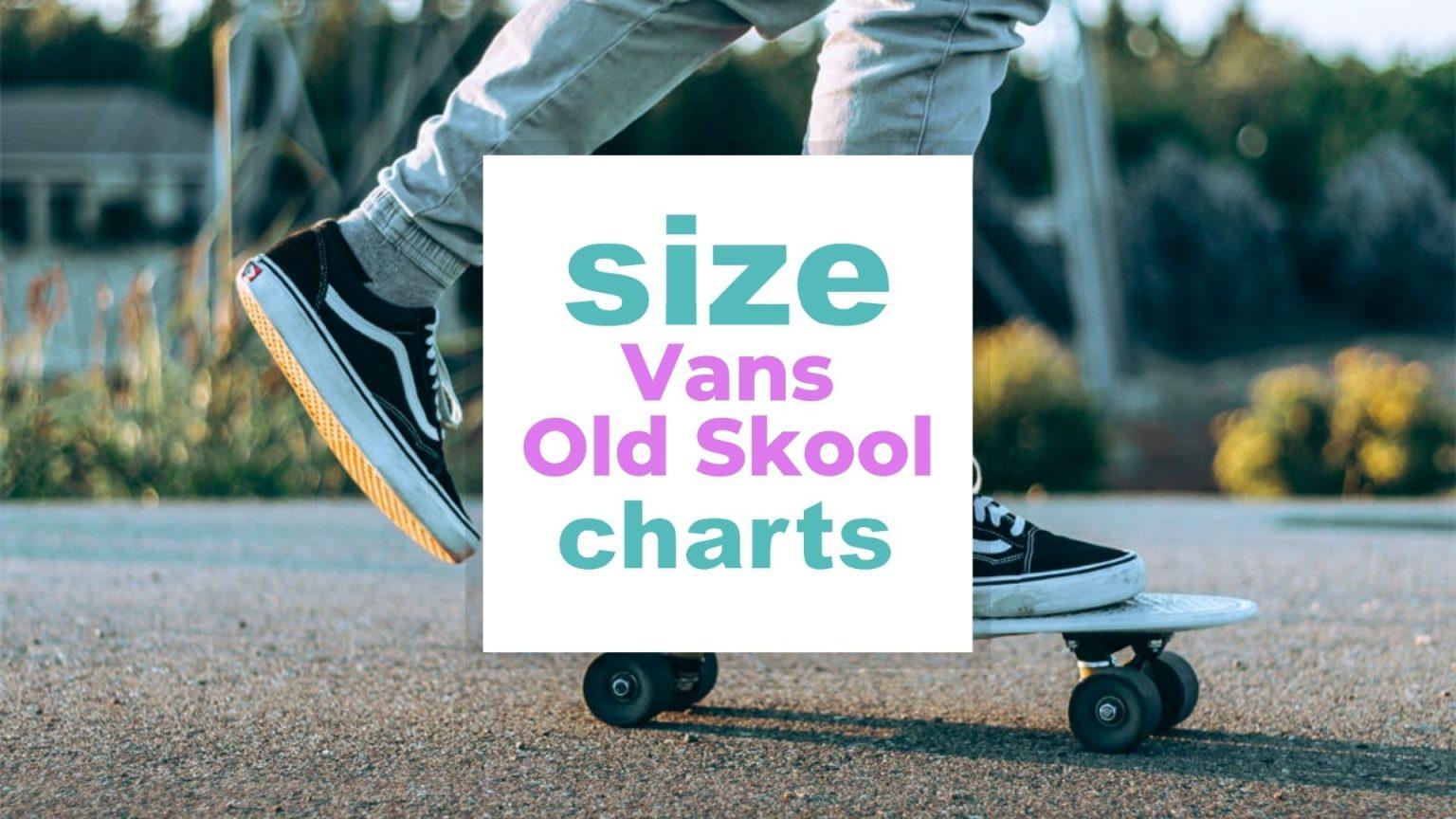
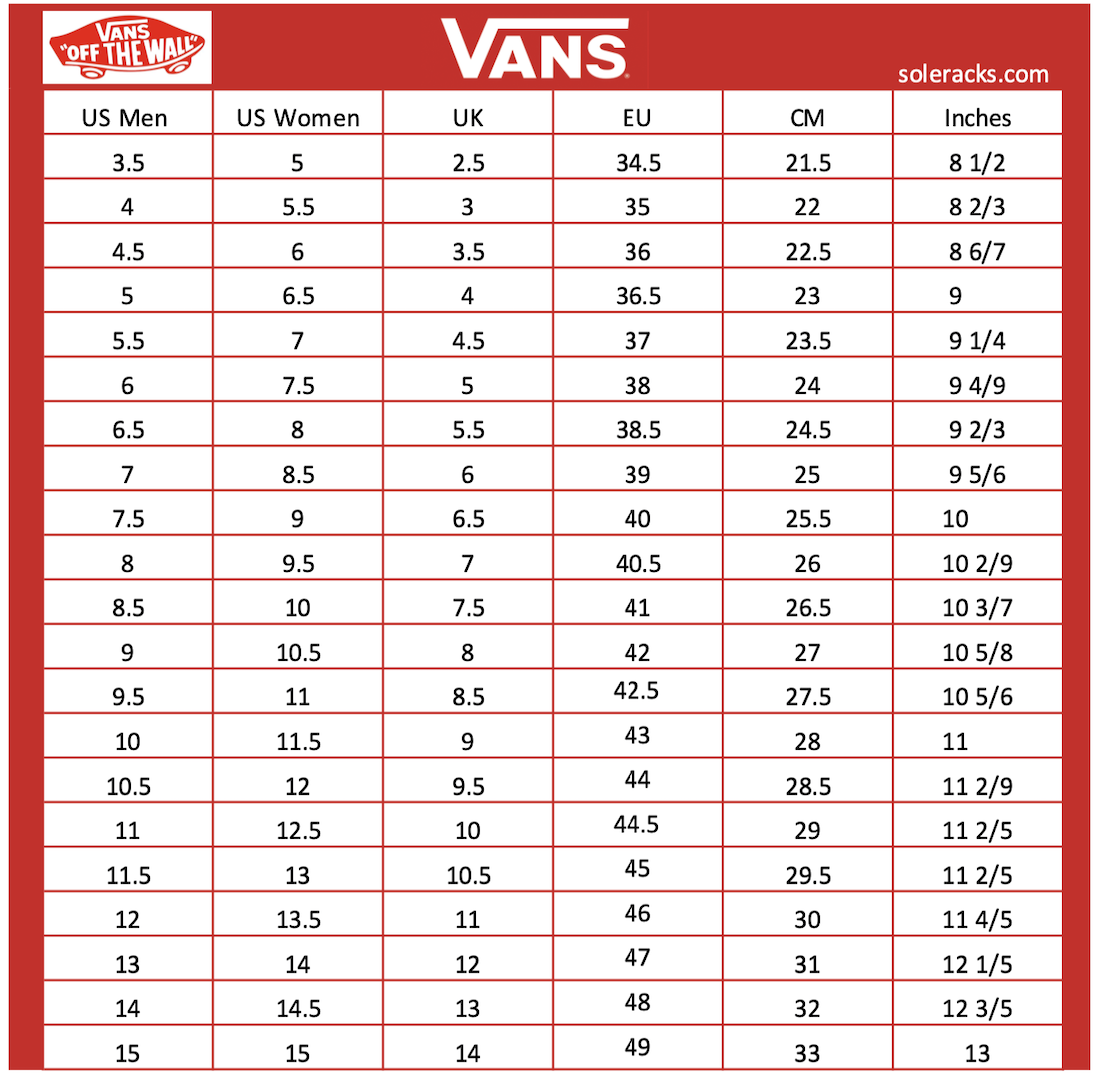
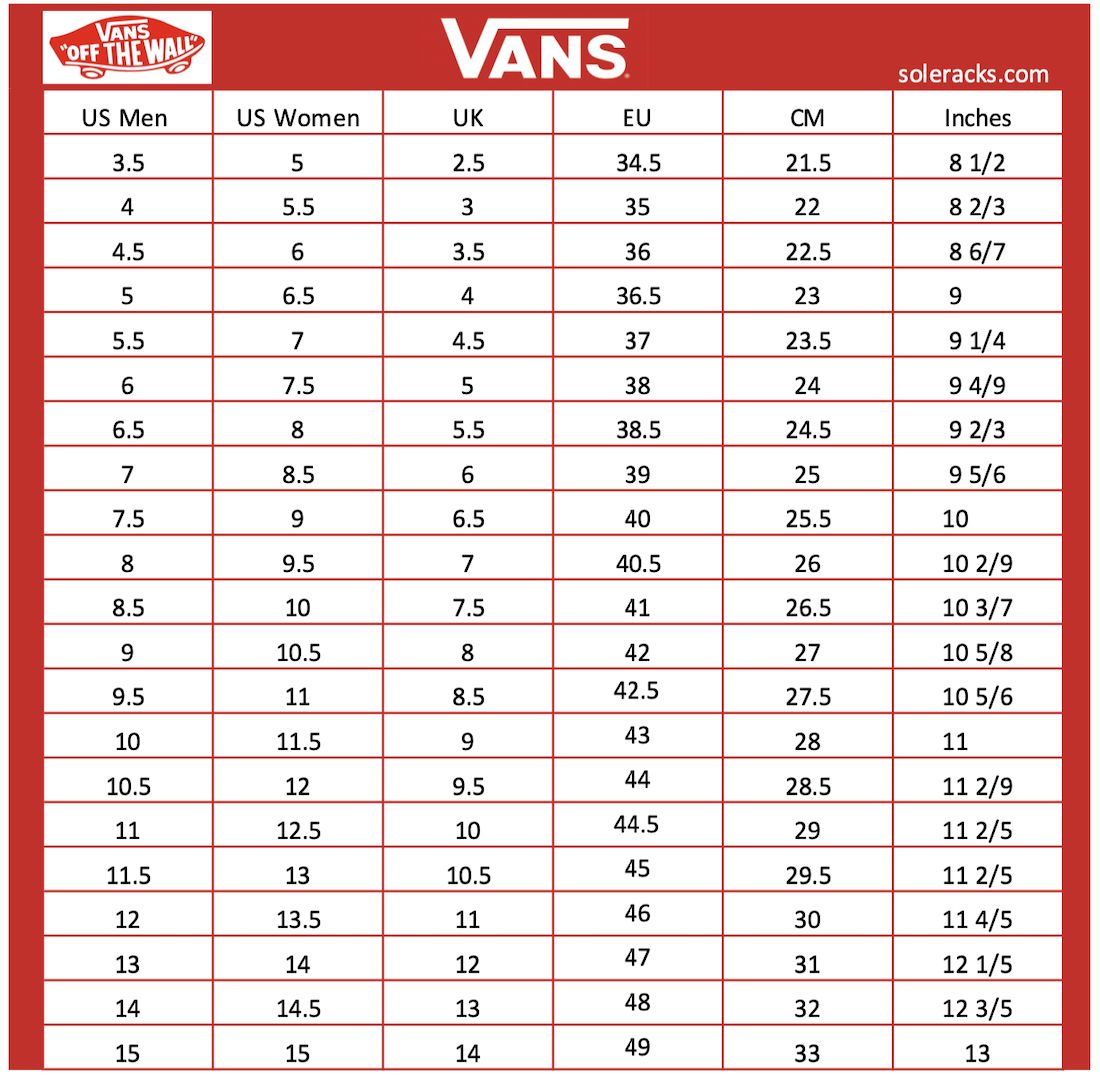
You're on a mission to find the perfect fit for your new Vans, and the Vans size chart is your trusty guide. It's a simple yet effective tool, offering a quick and reliable way to ensure you get the right size. This chart, a handy reference, provides an easy-to-read overview of men's and women's sizes, with length and width measurements to help you match your feet to the ideal pair. While the values may vary slightly depending on the style and region, the Vans size chart is a great starting point for an accurate fit.
Understanding Vans Size Chart
The Vans size chart is your go-to guide for finding the perfect fit for your favorite Vans sneakers. It's a handy tool that simplifies the sizing process, ensuring you get the right size for a comfortable and stylish stride.
Key Details and Categories
This chart provides a comprehensive breakdown of Vans shoe sizes, covering both men's and women's styles. The sizes are typically presented in US standard measurements, with length and width dimensions for each size. You'll find a clear table or diagram, making it easy to locate your ideal size.
Step-by-Step Guide to Reading the Chart
Here's a simple guide on how to navigate the Vans size chart:
- Identify your gender: The chart often separates men's and women's sizes, so start by locating the relevant section.
- Find your US size: Look for the column or row labeled with your US shoe size.
- Check the length and width: The chart will provide measurements for both length and width, ensuring a precise fit.
- Convert if needed: If you're more familiar with international sizes, use the conversion chart provided to find your equivalent US size.
- Choose your style: Different Vans styles might have slight variations, so ensure you're referring to the correct style guide.
Variations and Differences
It's important to note that shoe sizing can vary slightly between brands and even within the same brand for different styles. Vans, like many other shoe manufacturers, may have slight variations in their sizing charts to accommodate different foot shapes and preferences. These variations ensure a comfortable fit for a wide range of wearers.
Common Mistakes and How to Avoid Them
One common mistake is assuming that your Vans size will be the same as your regular shoe size. Always refer to the Vans shoe size chart specifically, as it may differ from other brands you wear. Another pitfall is neglecting to measure your foot properly. Ensure you follow the provided guidelines for accurate measurements.
Tips for Accurate Sizing
To ensure an accurate fit, consider these practical tips:
- Measure your foot regularly, especially if you're between sizes or notice any changes.
- Try on multiple sizes if possible, especially if you're new to Vans or have unique foot characteristics.
- Pay attention to the width measurements; a wide foot might require a different size than what you usually wear.
- Consider the style of Vans you prefer; some styles might fit slightly differently due to their design.
Double-Checking and Handling Exceptions
While the Vans size chart is a reliable guide, it's always a good idea to double-check the specific style and model you're interested in. Some Vans styles might have unique features or fit preferences, so referring to the detailed sizing guide for that particular style is recommended. Additionally, if you have unique foot characteristics, such as a wide or narrow foot, you may need to adjust your size accordingly. Always trust your comfort and fit preferences.
Well, there you have it! A comprehensive guide to understanding the Vans size chart. It's always best to be prepared and know your size, especially when it comes to finding the perfect fit.
Remember, while this guide provides a solid foundation, it's always wise to check the specific size chart for the style you're interested in. Vans, like many brands, may have slight variations, so double-checking ensures you get the right size for your feet. Happy shopping, and don't forget to explore our other helpful guides to enhance your shoe-buying experience!