


Cars Lightning Mcqueen Coloring Pages Overview
A 1-100 number chart is a simple yet powerful tool, often overlooked, that can be incredibly useful for quick references and understanding number patterns. This guide will give you a straightforward lowdown on how to read and utilize this chart effectively. From number lines to counting charts, we'll cover the basics to ensure you grasp the concept and its applications.
The Quick Guide to 1-100 Number Charts
The 1-100 number chart is a simple yet powerful tool for understanding and working with numbers. It's a visual representation of the numbers 1 to 100, often displayed as a grid or a line, and it's a great way to grasp number patterns and relationships. This chart is a fundamental resource for math enthusiasts, educators, and anyone wanting to improve their numerical literacy.
Comparing Number Chart Formats
There are a few variations in how the number line is presented. Some charts use a simple grid layout, with numbers arranged in rows and columns, making it easy to identify patterns and relationships. Others opt for a linear format, where numbers are placed along a line, often with additional features like color-coding to highlight odd and even numbers. The choice of format depends on personal preference and the specific use case.
Using the 1-100 Number Chart: A Step-by-Step Guide
Using the 1-100 number chart is straightforward and can be a fun way to explore numbers. Here's a simple guide:
- Start by familiarizing yourself with the chart. Notice the pattern of numbers and how they are arranged.
- Identify the ordinal numbers and their positions. This helps in understanding the sequence and order of numbers.
- Practice counting by tens. You'll notice a clear pattern, as each number ending with a zero is a multiple of ten.
- Look for odd and even numbers. Many charts highlight these, making it easy to distinguish between them.
- Use the chart for basic arithmetic. You can quickly add or subtract small numbers by counting the spaces between numbers on the chart.
- Explore number sequences and patterns. The chart makes it evident how numbers progress and relate to each other.
Common Misreadings and How to Avoid Them
While the 1-100 number chart is straightforward, a few common mistakes can be made. Here are some tips to avoid them:
- Misreading number sequences: Always double-check the sequence, especially when counting by tens or identifying odd and even numbers.
- Confusing ordinal and cardinal numbers: Remember, the chart represents ordinal numbers, so the position of a number matters.
- Assuming standard formats: Be aware that charts can vary, especially in different regions or for specific purposes. Always check the labels and categories to ensure accuracy.
- Overlooking details: Take your time and focus on the chart's layout and features. Don't rush, as this can lead to errors.
By following these simple steps and being mindful of potential pitfalls, you can accurately and confidently use the 1-100 number chart as a valuable tool for understanding and working with numbers.
So, there you have it! A quick guide to navigating the world of number charts, specifically the 1-100 chart. We've covered the basics, compared a few options, and provided a simple process to create your own.
Remember, while these charts are a handy reference, it's always wise to check your specific needs. Exact values and formats might vary, so ensure you double-check the standards or sources relevant to your context. Feel free to explore our other guides for more practical tips and tricks!
Related: Unraveling the Size Chart Bicycle Mystery
A size chart bicycle is a handy tool for anyone looking to ensure a perfect fit when choosing a bike. This guide will navigate you through the process, offering a clear understanding of these charts and their applications.
Bicycle size guides, often presented as charts or diagrams, provide a quick reference for various bike dimensions. While values may differ across brands and regions, these charts are designed to help riders find their ideal fit, covering everything from frame sizes to wheel dimensions.
Understanding the Size Chart Bicycle: A Quick Overview
A size chart bicycle is a valuable tool for cyclists, offering a standardized guide to help you choose the right bike size. It provides a reference for various bike dimensions, ensuring a comfortable and efficient riding experience. This chart is essential for anyone seeking to purchase or customize their bicycle.
Comparing Size Chart Formats: Standards and Categories
Size charts can vary depending on the region and the type of bicycle. The two primary standards are the metric (international) and imperial (often used in the US) systems. These charts categorize bikes based on factors like frame size, wheel diameter, and rider height. For instance, a road bike sizing chart might focus on frame geometry, while a mountain bike dimensions chart may emphasize wheel size.
Step-by-Step Guide: Choosing the Right Size
- Identify the type of bike you need. Different bikes have unique size charts.
- Measure your body dimensions. Key measurements include your height, inseam, and arm reach.
- Refer to the size chart. Look for your measurements' intersection on the chart to find the recommended bike size.
- Consider personal preferences. If you prefer a more upright position, you might choose a slightly larger frame.
- Double-check with the manufacturer's specifications. Some brands may have slight variations in their size charts.
Avoiding Common Misreadings and Pitfalls
It's crucial to understand that size charts are general guides. Individual rider preferences and body proportions can vary, so the chart should be used as a starting point. Always consider your comfort and riding style. Misinterpreting the chart can lead to an ill-fitting bike, affecting your riding experience and potentially causing discomfort or safety issues.
Factors Affecting Accuracy: Real-World Considerations
Several factors can influence the accuracy of a size chart. Firstly, the chart's standard must match your location and bike type. Secondly, personal factors like flexibility, riding experience, and intended use can impact the ideal bike size. For example, a more experienced rider might prefer a slightly smaller frame for better control. Lastly, manufacturing tolerances can vary, so always check the bike's actual dimensions before purchase.
Choosing the Right Size Chart Format
The choice of size chart format depends on your needs and the type of bike. For instance, a frame size chart is ideal for road bikes, focusing on frame geometry. A wheel size reference is more relevant for mountain bikes, emphasizing wheel diameter. If you're unsure, a comprehensive bicycle size guide can provide an overview of various bike types and their sizing considerations.
Keeping Your Setup Reliable: Maintenance and Updates
To ensure the reliability of your size chart, keep it up-to-date with the latest standards and specifications. Regularly check for updates from reputable sources, especially if you frequently change bike types or brands. Additionally, consider keeping a record of your body measurements and preferred bike sizes to streamline future purchases or adjustments.
Remember, while this guide offers a comprehensive overview, the exact details may differ slightly based on the specific bike model or manufacturer. It's always a good idea to double-check the size charts provided by the brand you're interested in to ensure an accurate fit.
Feel free to bookmark this page for future reference. We've got plenty more practical guides to help you with your cycling adventures and ensure you have all the tools you need to make the most of your rides. Happy cycling!
Related: Need a Hair Color Guide? Use Our Simple Chart
Many people approach hair colors charts with a bit of trepidation, assuming they are complex and confusing. But fear not! These charts are your friends and can be incredibly useful tools.
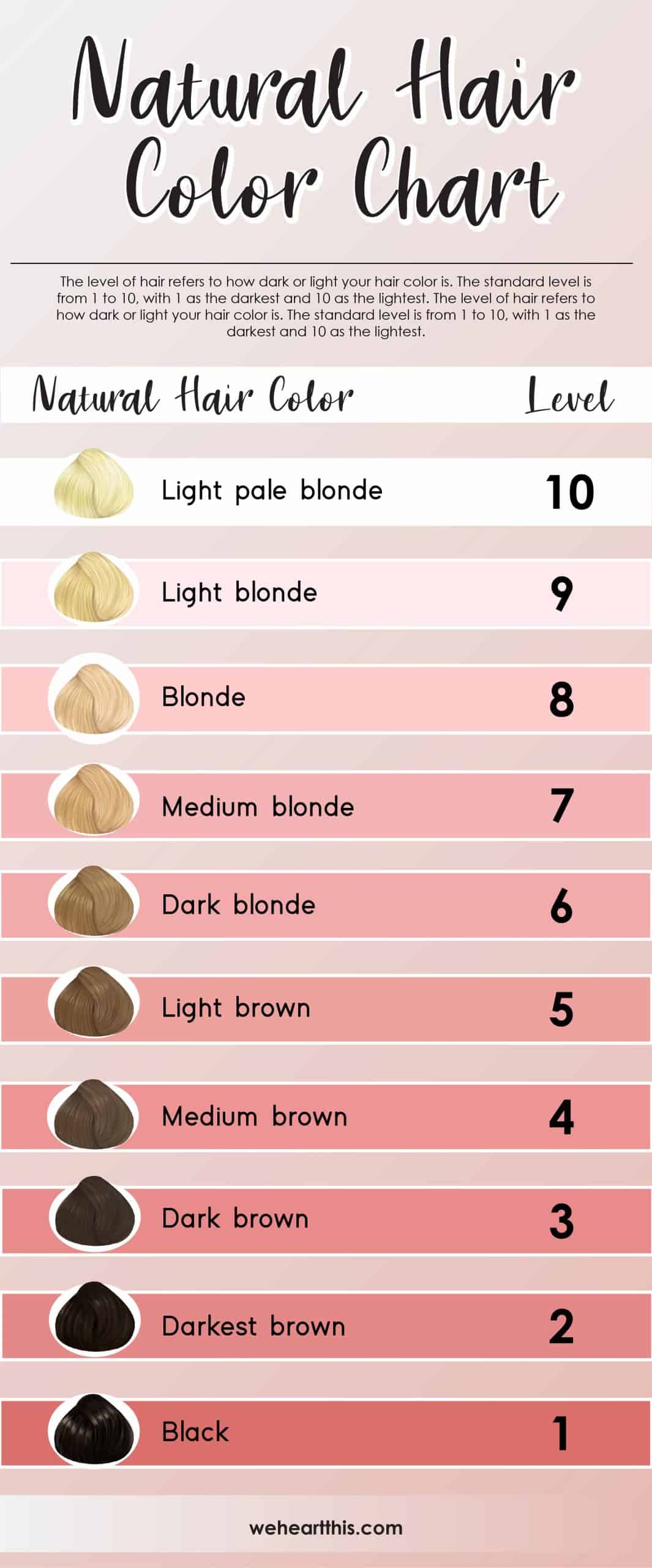
They provide a simple, visual way to understand and choose hair colors. While the specific values and formats may vary, the hair colors chart remains a reliable guide, offering a clear path to achieving your desired hair color. Think of it as a map, leading you to your perfect shade, with the color wheel and hair color levels acting as your compass.
Hair Colors Chart: A Visual Guide to Hair Dye Shades
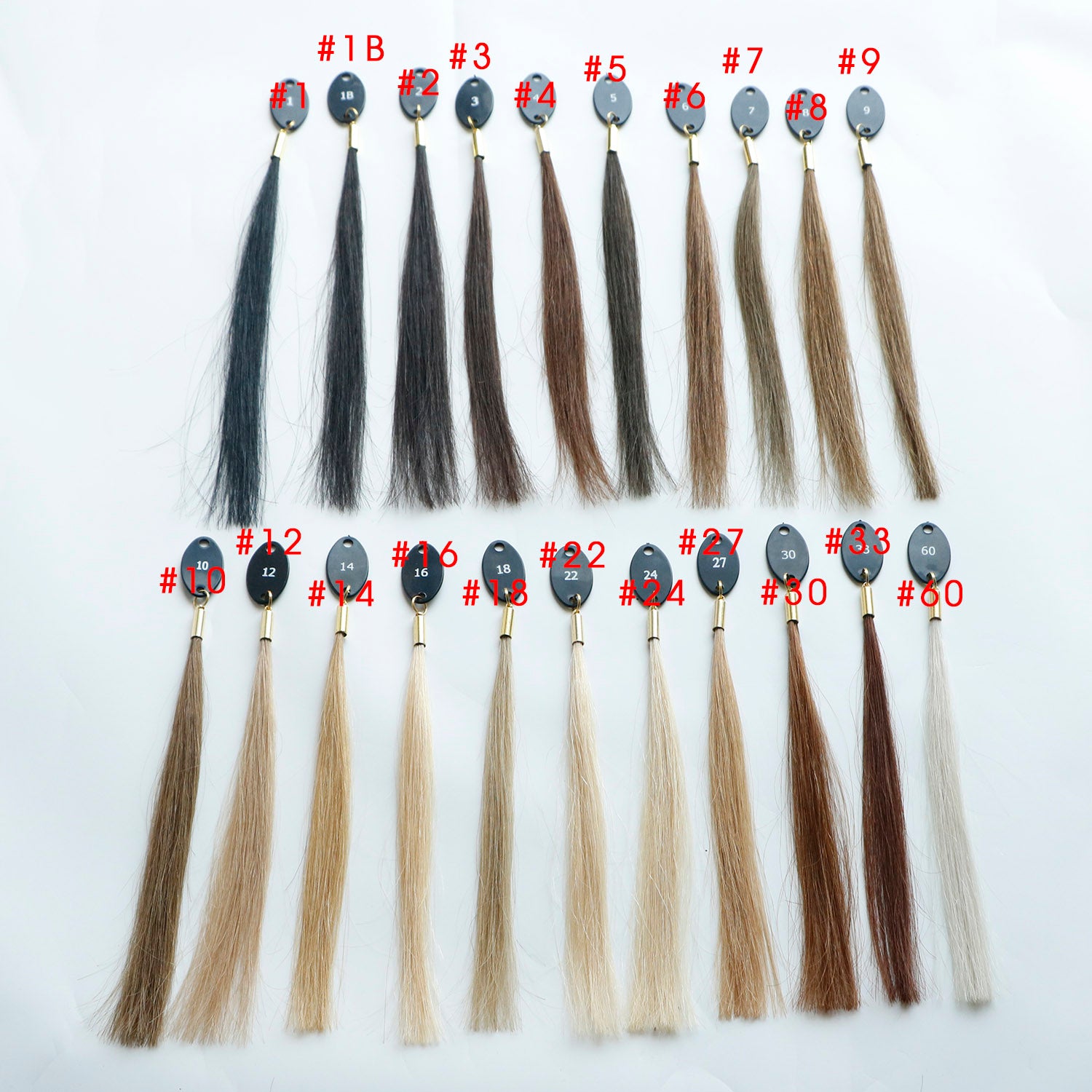
The hair colors chart is a handy reference tool for anyone looking to experiment with hair dye. It's a visual representation of different hair colors, shades, and tones, helping you choose and understand the various options available. This chart is a great starting point for anyone new to hair coloring or those seeking a specific shade.
Key Details and Categories
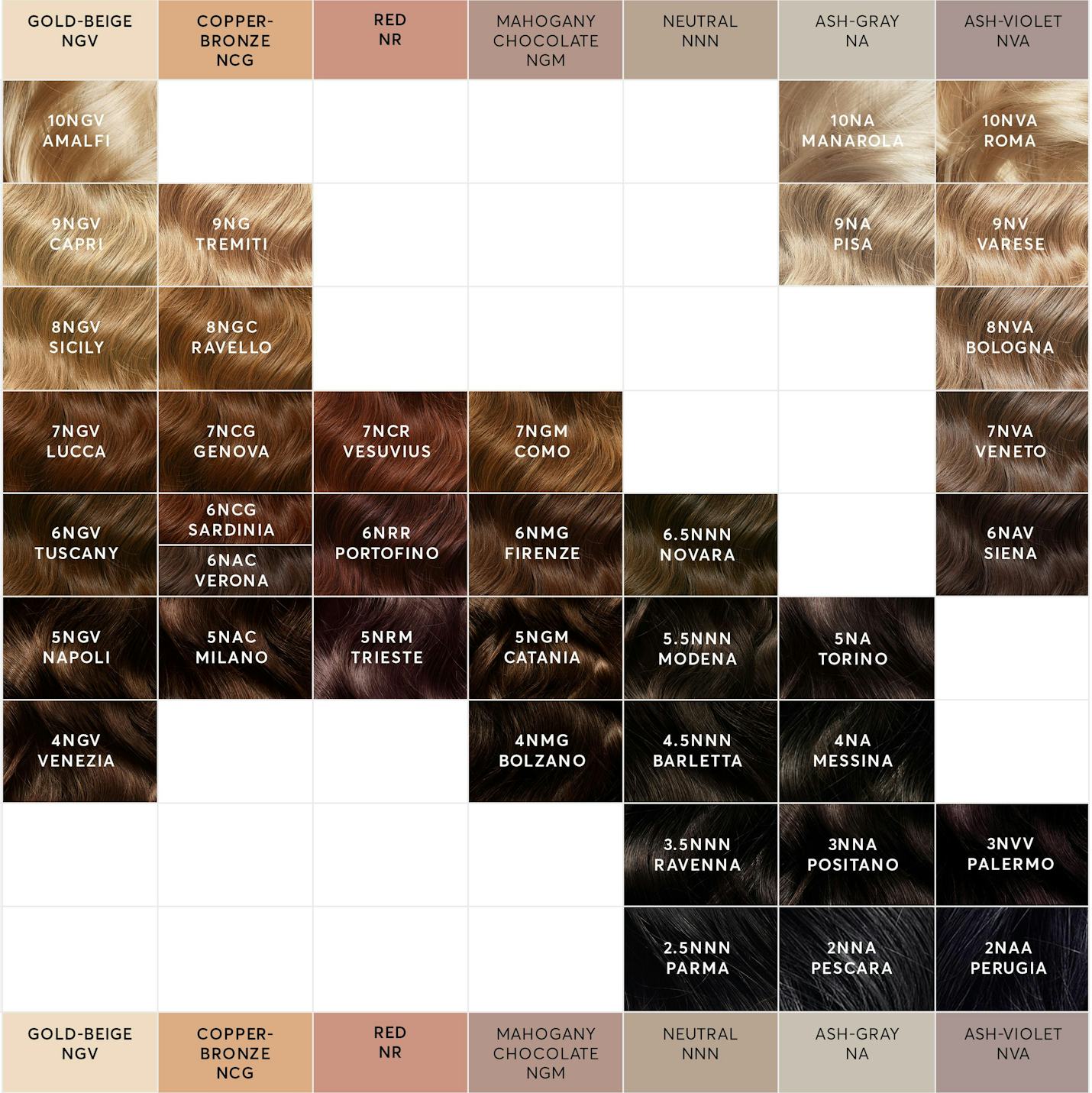
The hair color guide typically features a range of colors, organized into sections or families. You'll often find categories like "blonde," "brunette," "red," and "black," with further subdivisions for specific shades. Each color is usually represented by a swatch or a small square, showing the exact shade. Additionally, the chart may include a color wheel or a visual representation of color theory, which helps understand the relationships between colors.
Reading and Applying the Chart
To use the hair colors chart, start by identifying the color family you're interested in. Let's say you're looking for a specific shade of brown. Locate the "brunette" section and explore the various shades within. Each shade will have a unique code or number, which represents the specific formulation of that color. These codes are essential when purchasing hair dye, as they ensure you get the exact shade you want.
Here's a step-by-step guide:
- Identify the color family.
- Locate the specific shade you desire.
- Note the corresponding code or number.
- Use this code when purchasing hair dye to ensure an accurate match.
Variations and Differences
It's important to note that hair color charts may vary depending on the brand or manufacturer. Different companies may use slightly different shades or numbering systems. Additionally, the way hair reacts to dye can vary based on individual hair types and previous coloring treatments. Here are some key factors that can cause variations:
- Tone and depth: Hair color can appear different depending on the natural tone and depth of your hair.
- Previous coloring: If your hair has been dyed before, the new color may interact with the existing dye, resulting in a unique outcome.
- Hair type: The porosity and texture of your hair can affect how it absorbs and holds color.
- Environmental factors: Sun exposure and water quality can impact the longevity and vibrancy of your hair color.
When using a hair color chart, it's always a good idea to consult with a professional stylist, especially if you're aiming for a specific look or have unique hair characteristics. They can guide you towards the best shade and provide tips for achieving and maintaining your desired hair color.
Hey there! So, we've covered a lot of ground with this hair color chart, and I hope it's given you a clear picture of what you need to know. Remember, these charts are a great starting point, but exact details can differ slightly, so it's always good to double-check.
Feel free to explore our other guides; we've got plenty of practical tips and tricks to help you navigate the world of hair care and styling. Happy coloring!