



Cat Coloring Pages Free Printable Overview
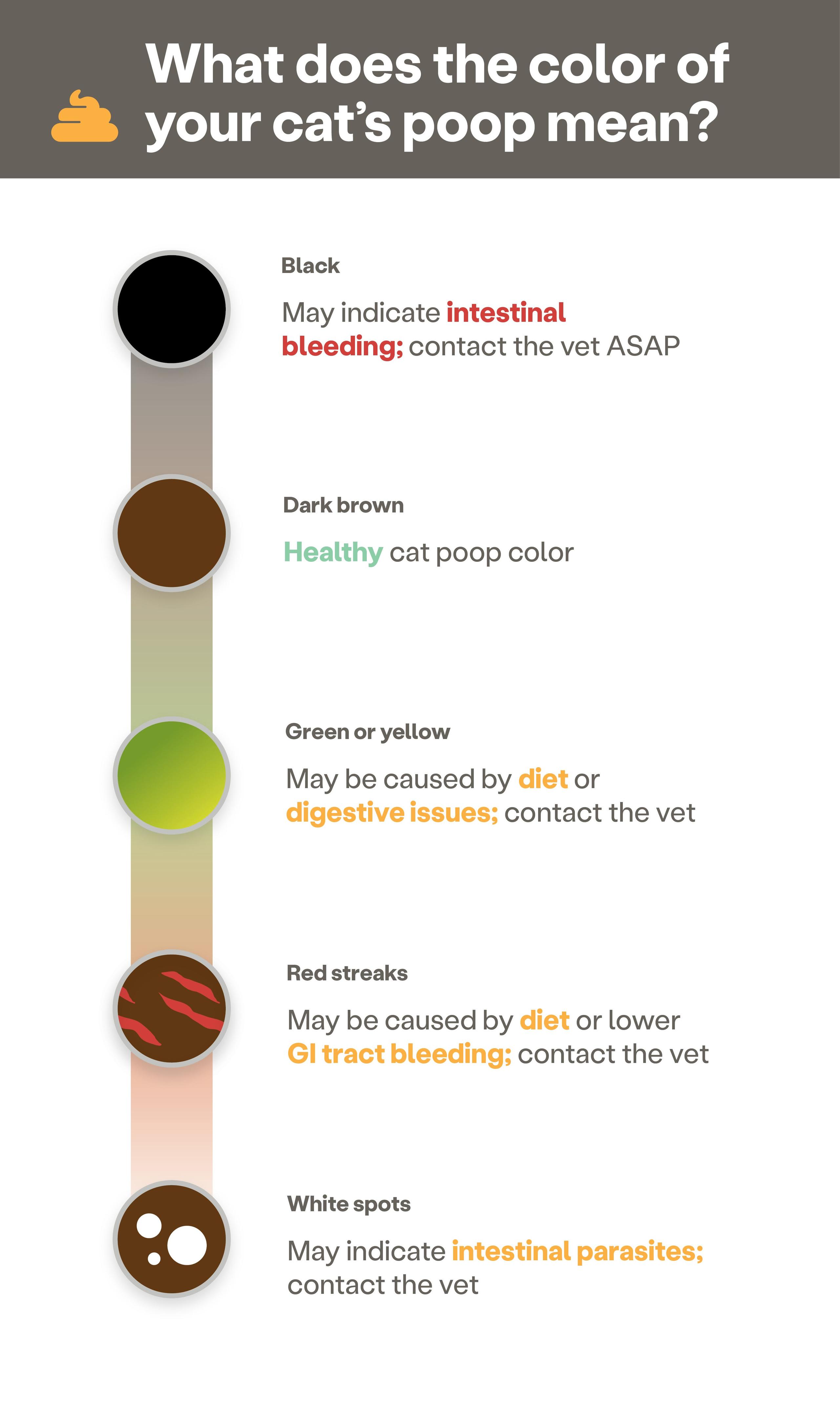
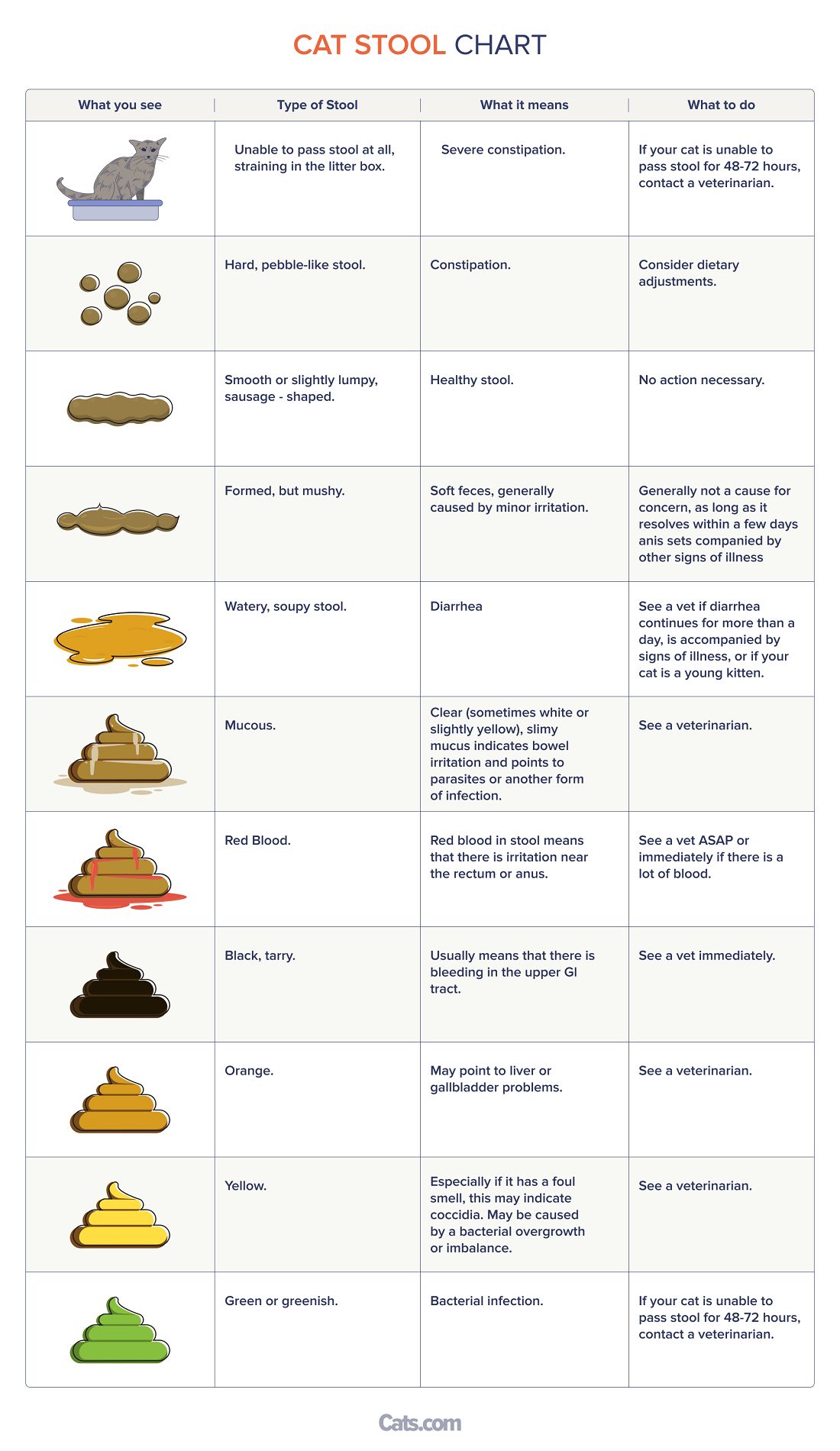
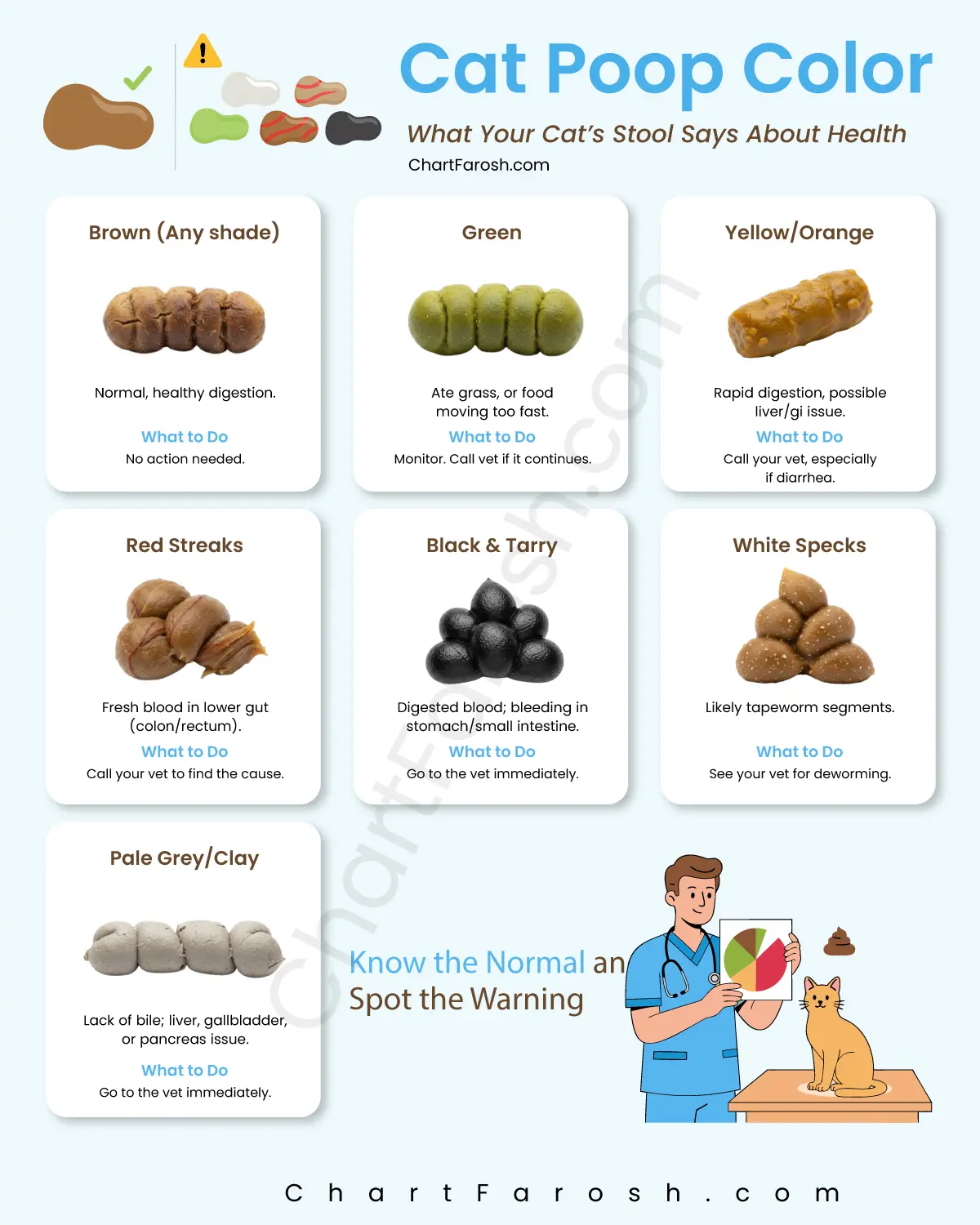
You're likely here because you've heard of the cat poop chart and are curious about what it entails. Perhaps you're a pet owner seeking a quick reference guide to understand your cat's health or maybe you're a veterinary professional looking for a reliable tool. This chart, also known as the feline stool scoring system, offers a simple yet effective way to monitor a cat's well-being. It provides a visual representation, often with a color-coded guide, to assess the consistency and color of cat feces, which can indicate potential health issues. While the specific values and formats may vary, the cat poop chart serves as a valuable resource for anyone seeking a straightforward method to keep an eye on their cat's health.
Understanding the Cat Poop Chart: A Practical Guide
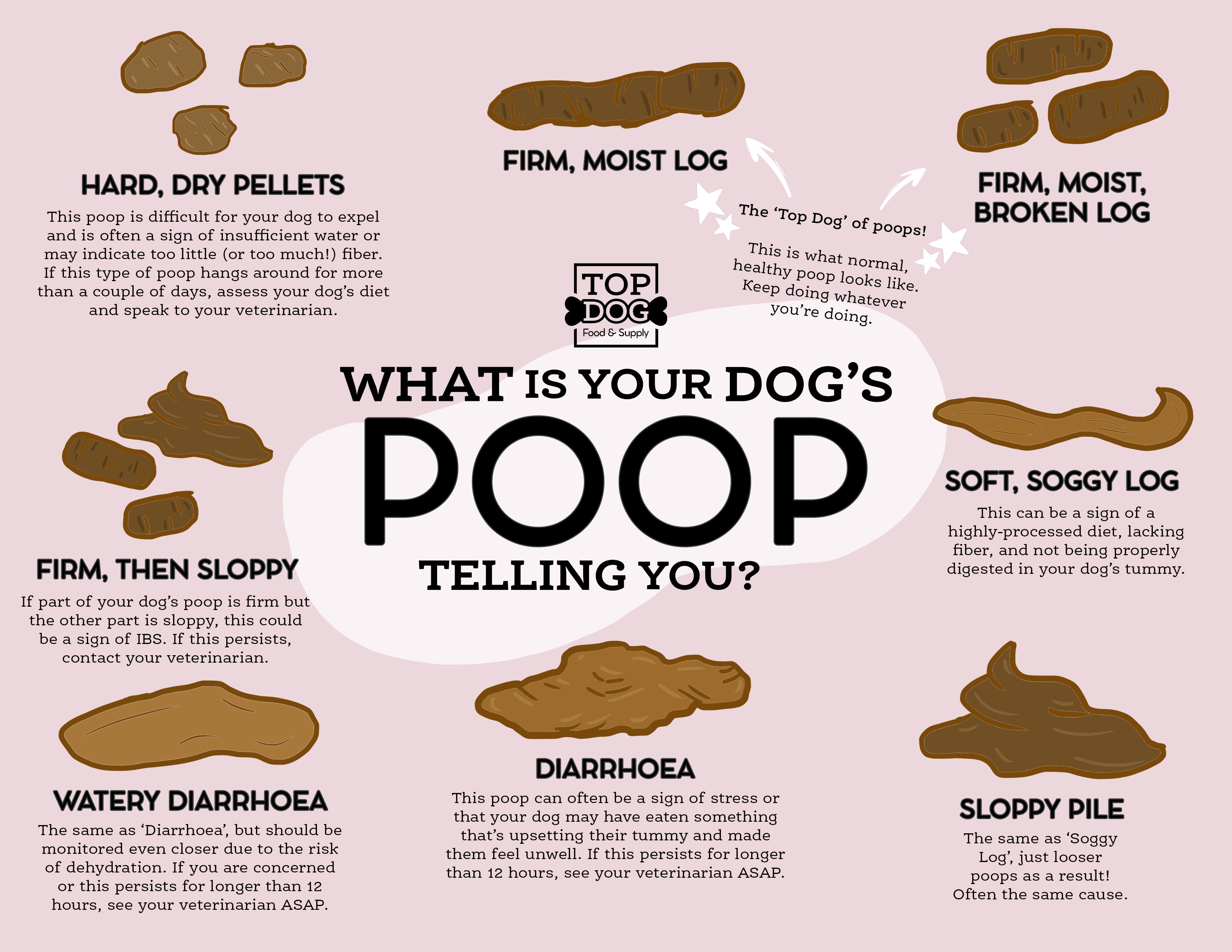
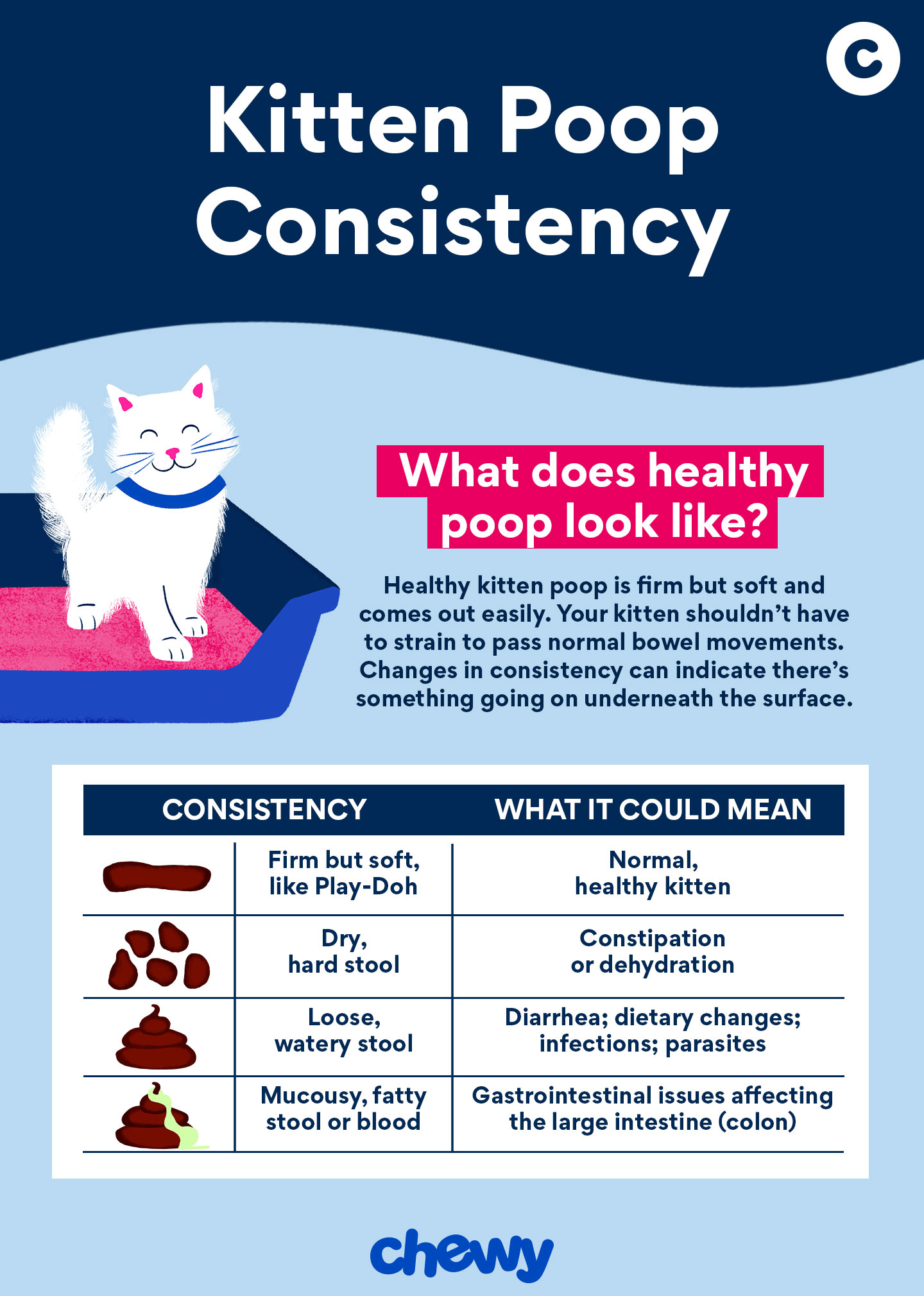
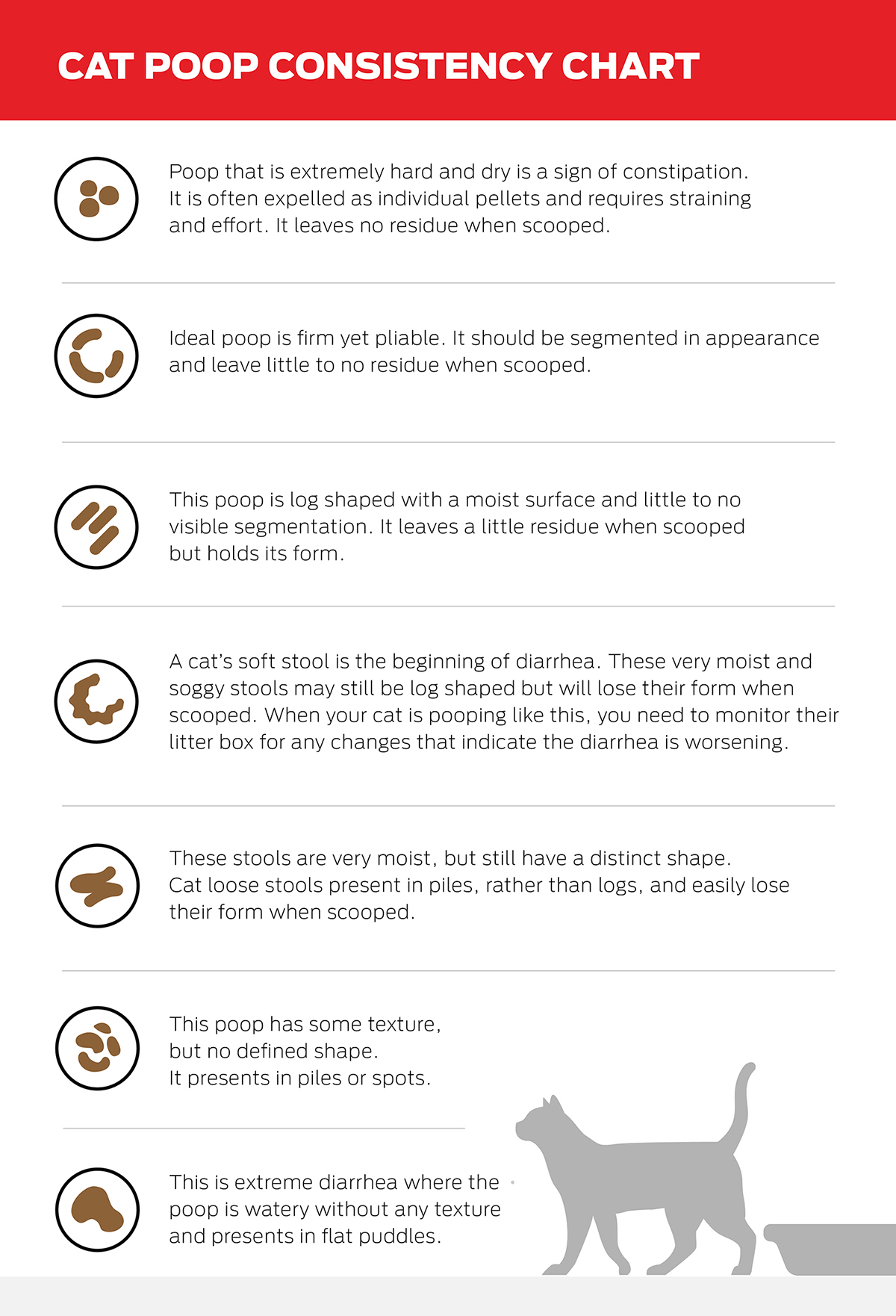
The cat poop chart, also known as the feline stool scoring system, is a valuable tool for cat owners and veterinary professionals. It provides a visual guide to assess the consistency and overall appearance of cat feces, offering insights into a cat's digestive health. This chart is an essential reference for monitoring and maintaining your feline friend's well-being.
Comparing Chart Formats and Standards
There are several versions of the cat poop chart available, each with its own set of categories and standards. The most common formats include a 7-point scale and a 5-point scale. The 7-point scale provides a more detailed assessment, covering a broader range of stool consistencies, from very firm to liquid diarrhea. The 5-point scale is a simplified version, focusing on the key variations in stool appearance. Both formats are widely used and offer accurate assessments when applied correctly.
Step-by-Step Guide to Using the Chart
Using the cat poop chart is a straightforward process:
- Collect a fresh sample of your cat's feces. Ensure it is intact and not contaminated.
- Refer to the chart and identify the closest match to the sample's consistency and appearance.
- Note the corresponding score or category on the chart.
- Interpret the score: a lower score indicates healthier, well-formed stools, while higher scores may suggest digestive issues.
- Repeat this process regularly to monitor any changes over time.
Avoiding Misinterpretations and Pitfalls
While the cat poop chart is a reliable tool, misinterpretations can occur. Here are some common mistakes to avoid:
- Relying solely on color: The chart considers overall consistency and texture, so focus on these aspects rather than just color.
- Ignoring other symptoms: Changes in stool consistency may indicate an underlying issue. Observe your cat for any other signs of illness or discomfort.
- Overinterpreting: Remember, the chart is a guide. If you have concerns, consult a veterinarian for a professional assessment.
Key Factors Affecting Accuracy
Several factors can influence the accuracy of your assessment using the cat poop chart:
- Diet: Changes in your cat's diet can impact stool consistency. Ensure a consistent, high-quality diet to maintain stable results.
- Hydration: Adequate water intake is crucial. Dehydration can lead to firmer stools, so monitor your cat's water consumption.
- Stress and Environment: Stressful situations or changes in the cat's environment can affect digestion. Consider these factors when interpreting the chart.
- Medication: Certain medications may impact stool consistency. Be aware of any recent changes in your cat's medication.
Adapting the Chart for Specific Needs
The cat poop chart can be tailored to specific situations or individual cats. If your cat has unique dietary needs or medical conditions, you may need to adjust the chart's categories or scores. Consult with your veterinarian to determine the most suitable format and interpretation for your cat's specific health needs.
Maintaining Reliable Reference
To ensure the cat poop chart remains a reliable tool, consider the following:
- Regular Updates: Stay informed about any updates or revisions to the chart's standards. Veterinary organizations may release new versions, so keep your reference materials current.
- Consistent Observation: Observe your cat's stool regularly and note any significant changes. This helps you identify trends and potential issues early on.
- Professional Guidance: If you notice persistent changes or have concerns, seek advice from a veterinarian. They can provide expert interpretation and guidance.
By following these practical tips and understanding the key factors, you can effectively utilize the cat poop chart to monitor your cat's digestive health and ensure their overall well-being.
While the cat poop chart offers a valuable and practical tool, it's important to remember that variations can occur. Exact details may differ slightly based on the context and specific guidelines you follow. So, it's always a good idea to refer to reliable sources and adapt the chart to suit your needs.
Feel free to explore other guides and resources on our platform to uncover more helpful insights and practical tools. We've got a range of topics covered, so you can find the information you need with ease.
Related: How to use the cat chonk chart?
A common misconception about the cat chonk chart is that it's solely about judging a cat's appearance; however, this visual tool serves a much more practical purpose. The cat chonk chart, or feline weight chart, is an essential reference for cat owners, providing a clear guide to assess a cat's body condition and overall health. It offers a simple yet effective way to understand and monitor your cat's weight, ensuring they maintain an ideal and healthy size.
Understanding the Cat Chonk Chart
The cat chonk chart is a valuable tool for cat owners and veterinary professionals to assess a cat's body condition and determine if they are at a healthy weight. It provides a visual representation of different body types and helps identify if a cat falls within the ideal weight range. This chart is a simple yet effective way to monitor a cat's health and make informed decisions about their diet and lifestyle.
Key Details and Categories
The cat chonk chart typically consists of a reference grid or a series of images depicting cats with varying body conditions. It often includes categories such as "Underweight," "Ideal Weight," "Overweight," and "Obese." These categories are further divided into sub-ranges, providing a more detailed assessment. The chart may also feature additional information, such as breed-specific considerations and guidelines for different life stages. It is essential to note that the chart's accuracy depends on the standard used; some charts follow international guidelines, while others may be region-specific.
Interpreting Results: A Step-by-Step Guide
To use the cat chonk chart accurately, follow these steps:
- Familiarize yourself with the chart's layout and categories. Understand the visual representations and their corresponding weight ranges.
- Assess your cat's body condition by feeling their ribcage, spine, and hips. These areas should have a slight covering of fat but not be overly padded.
- Compare your cat's body condition to the images or descriptions on the chart. Look for similarities in terms of body shape, muscle definition, and overall appearance.
- Determine which category your cat falls into. If your cat's body condition aligns with the "Ideal Weight" category, they are likely at a healthy weight. If they are on the border or slightly above, it may indicate a need for weight management.
- Consult with a veterinarian if you have concerns or need further guidance. They can provide personalized advice and help you create a plan to maintain or improve your cat's health.
Variations and Differences Across Standards
It is important to note that cat body condition score charts may vary depending on the standard or region. Different organizations and veterinary associations may have slightly different criteria and weight ranges. Additionally, breed-specific considerations and individual factors can influence the interpretation of the chart. For instance, certain breeds may have naturally larger or smaller frames, affecting their ideal weight range. Always refer to reputable sources and consult professionals to ensure you are using the most appropriate chart for your cat's needs. While the cat chonk chart provides a helpful framework, it is essential to consider each cat's unique characteristics and consult experts for accurate weight management.
While the chart provides a clear and concise guide, it's important to remember that the specifics may differ slightly based on individual circumstances. Each cat is unique, and their health and weight journey is a personal one. So, keep an eye on your furry friend's progress and adjust as needed.
If you're keen to explore more practical guides like this, feel free to browse our other resources. We've got a range of topics covered, so you're sure to find something useful. Happy reading and here's to healthy, happy cats!
Related: How to Read a Cat Growth Chart?
Many pet owners assume that a cat growth chart is a rigid, one-size-fits-all guide, but it's actually a flexible tool with some room for interpretation. While these charts provide a great visual reference, they are not set in stone; they offer a general framework to help you understand your cat's growth and development.
So, when using a cat growth chart, it's important to remember that every cat is unique, and growth rates can vary. These charts give you a handy comparison to ensure your feline friend is on the right track, but they are not an exact science. You might also find charts for specific aspects like cat weight or breed size comparisons, which can provide additional insights.
Understanding Growth Patterns: A Quick Overview
A cat growth chart is a valuable tool for cat owners and breeders, providing a visual representation of a cat's typical growth journey. It offers insights into the average growth rates and sizes cats achieve at different stages of their lives. This chart is a handy reference, especially for new cat parents, as it helps track and understand their feline friend's development.
Comparing Growth Chart Standards and Formats
Cat growth charts typically come in two main formats: weight charts and height charts. Weight charts display the average weight a cat should gain over time, often categorized by age or growth stage. Height charts, on the other hand, illustrate the expected height a cat will reach, usually measured from shoulder to paw. Both charts use standard units of measurement, such as pounds or kilograms for weight and inches or centimeters for height. It's essential to note that these charts provide average values; individual cats may vary slightly due to breed, nutrition, and overall health.
Tracking Your Cat's Development: A Step-by-Step Guide
To use a cat growth chart accurately, follow these simple steps:
- Identify the type of chart you have: weight or height. Ensure it aligns with the measurement you wish to track.
- Locate your cat's age or growth stage on the chart. This is typically represented on the horizontal axis.
- Read the corresponding value on the vertical axis, which indicates the average weight or height for that age or stage.
- Compare this value to your cat's actual weight or height. If your cat falls within the average range, they are likely growing as expected. If they are significantly above or below the average, consult a veterinarian to ensure their health and development are on track.
Common Misreadings and How to Avoid Them
One common mistake when using a cat growth chart is failing to consider the chart's specific standard or unit of measurement. Always ensure you are using the correct chart for your region (e.g., US or metric) and that you understand the units displayed. Another pitfall is assuming the chart represents absolute values. Remember, these charts provide averages, and individual cats may vary. Regularly measuring and comparing your cat's actual size to the chart's values is essential to get an accurate reading.
Key Factors Affecting Accuracy and Real-World Use
Several factors can influence a cat's growth and development, causing variations from the average values on the cat growth chart. These include:
Breed: Different cat breeds have distinct growth patterns and sizes. For instance, a Maine Coon may grow larger than the average values on the chart, while a Siamese may be smaller.
Nutrition: A cat's diet plays a crucial role in their growth. Proper nutrition ensures they receive the necessary nutrients for healthy development.
Health: Underlying health issues can impact a cat's growth rate and size. Regular veterinary check-ups are essential to identify and address any potential health concerns.
Activity Levels: Active cats may develop differently than less active ones. Exercise and play can influence muscle development and overall size.
Environment: The living conditions and care a cat receives can also affect their growth. A stimulating and enriching environment can promote healthy development.
By considering these factors and regularly monitoring your cat's growth, you can ensure they are on a healthy development path and make informed decisions regarding their care.
Well, that's a wrap on our cat growth chart guide! We've covered a lot of ground, from understanding the different growth standards to the step-by-step process of using a chart and avoiding common pitfalls. Remember, these charts are a great tool, but exact values may vary slightly, so it's always good to consult a vet for personalized advice.
Feel free to explore our other guides for more practical tips and insights. We've got a whole collection of resources to help you navigate the world of pet care, so don't hesitate to check them out!