



Cat Dental Chart Black And White Overview
Many crafters, especially beginners, often overlook the importance of understanding weight chart yarn and how it can impact their projects. While it may seem like a simple reference, it's a crucial tool to ensure your knitting or crocheting turns out just right.
The weight chart provides a clear indication of yarn thickness, and while the values might vary slightly, it offers a consistent guide to help you choose the right yarn for your pattern. Think of it as a roadmap, guiding you to the perfect yarn weight for your next creation, be it a cozy scarf or a delicate lace shawl.
What is a Weight Chart for Yarn?
A weight chart for yarn is a valuable tool that helps knitters, crocheters, and other yarn crafters understand the thickness or "weight" of different yarn types. It's like a map that guides you through the world of yarn, ensuring you choose the right thickness for your project.
Key Details and Categories
The weight chart typically consists of categories or ranges that describe the thickness of the yarn. These categories are often represented by numbers or symbols, and they provide a standardized way to compare and choose yarns. For example, you might see categories like "Lace," "Fingering," "Sport," "Worsted," and "Bulky." Each category has a specific range of thicknesses, and the chart helps you visualize and understand these differences.
How to Read and Apply the Weight Chart
Reading a weight chart is straightforward. First, identify the category or range that best describes the thickness of your yarn. You can do this by referring to the label on the yarn ball or skein, which often includes the weight category. If you're not sure, you can also measure the thickness of the yarn with a gauge tool or by comparing it to known thicknesses. Once you've identified the category, you can use the chart to understand the yarn's characteristics and choose the appropriate needle or hook size for your project. For instance, if you're working with a worsted-weight yarn, you'll typically use a 4.5-5.5 mm needle or a 5.0-5.5 mm hook.
Variations and Differences
It's important to note that weight charts can vary depending on the standard being used. The most common standards are the Craft Yarn Council (CYC) Standard Yarn Weight System, which is widely used in the US, and the International Standard (metric system). These systems may have slightly different categories and ranges, so it's crucial to know which standard your chart is based on. Additionally, some yarn manufacturers may use their own proprietary systems, so always double-check the specific weight category and its range if you're unsure.
Common Mistakes and How to Avoid Them
One common mistake is assuming that all yarns within a category are exactly the same thickness. While the categories provide a useful guide, there can be variations within each range. Always check the specific gauge or thickness of your yarn, especially if you're substituting one brand or type for another. Another mistake is ignoring the recommended needle or hook size. Using the wrong size can result in a project that's too loose or too tight, affecting the overall look and feel of your work.
Practical Tips for Accurate Results
When choosing yarn, always refer to the weight chart and the specific weight category of your yarn. If you're working from a pattern, ensure the recommended yarn weight matches the weight of the yarn you've chosen. If you're substituting yarn, compare the thickness and weight category of your new yarn to the original yarn specified in the pattern. This ensures your project will turn out as intended. Additionally, always check the gauge or tension of your work early on in the project to ensure you're achieving the desired results. If your gauge is off, adjust your needle or hook size accordingly.
Hey there, I hope this guide has given you a clear understanding of weight chart yarn and its practical uses. Remember, while the basics remain the same, the exact details can differ slightly based on your specific needs and the standards you're working with.
Feel free to explore our other guides; we've got a range of topics covered to help you navigate the world of yarn and crafts with ease. Happy crafting!
Related: A Guide to the Cursive ABC Chart
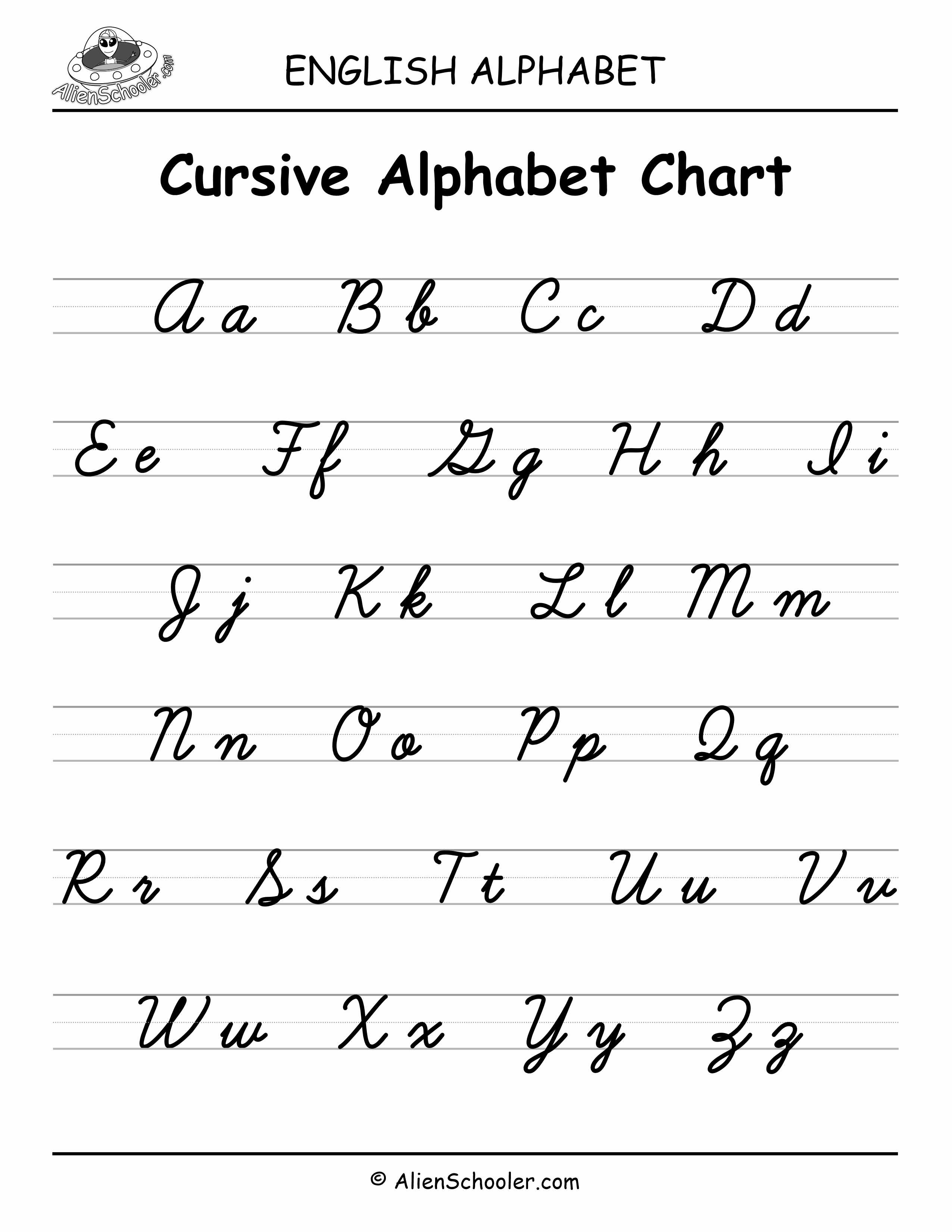
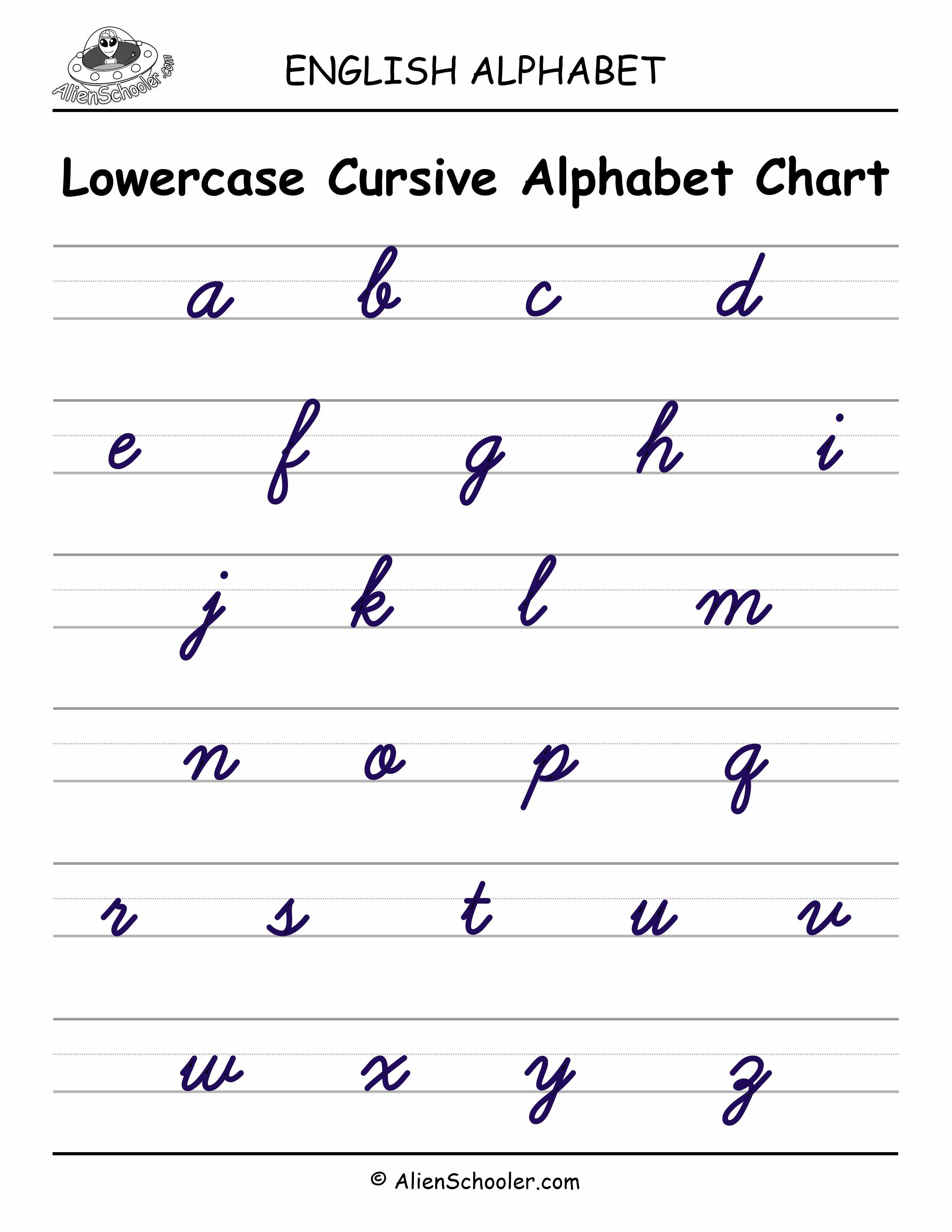
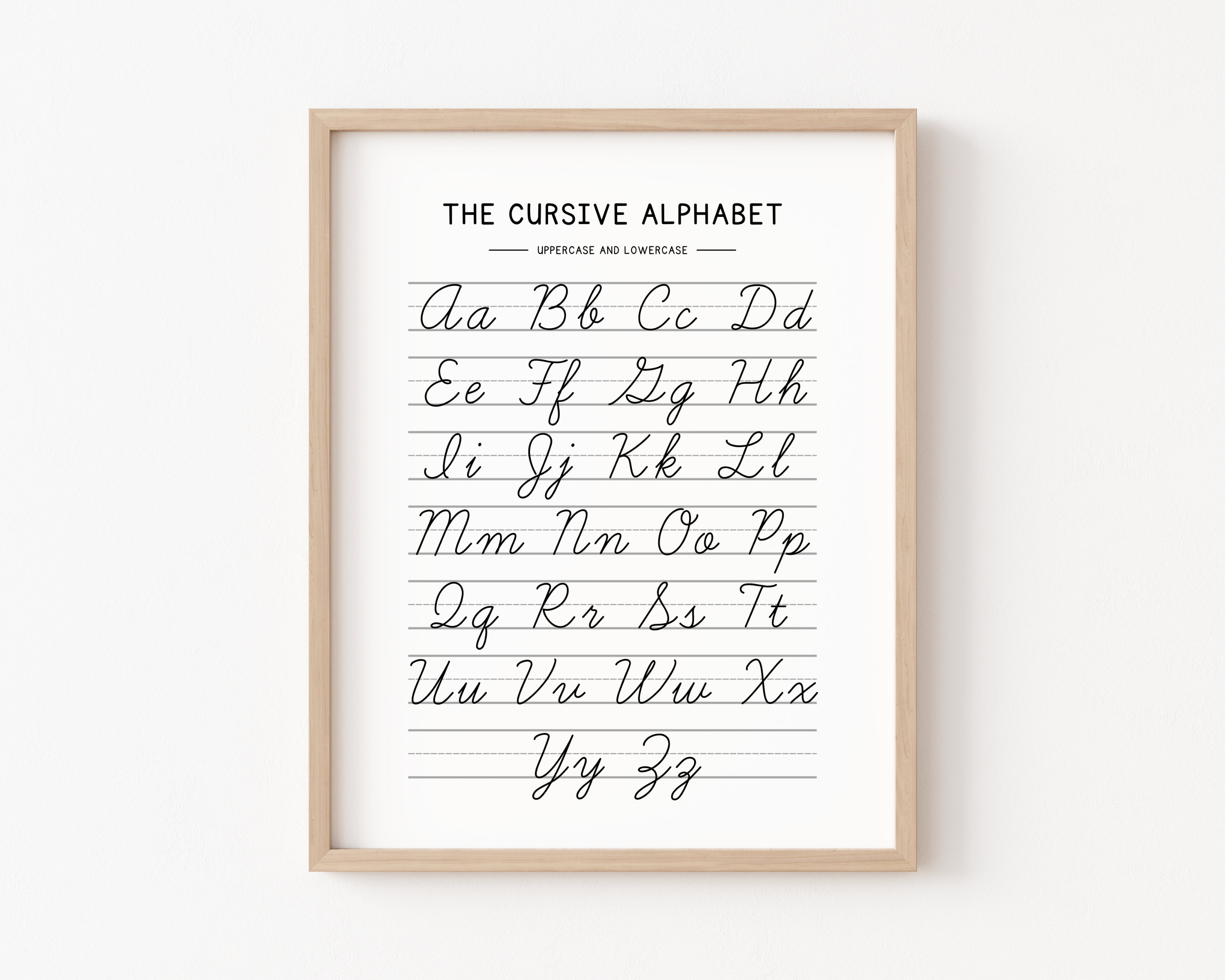
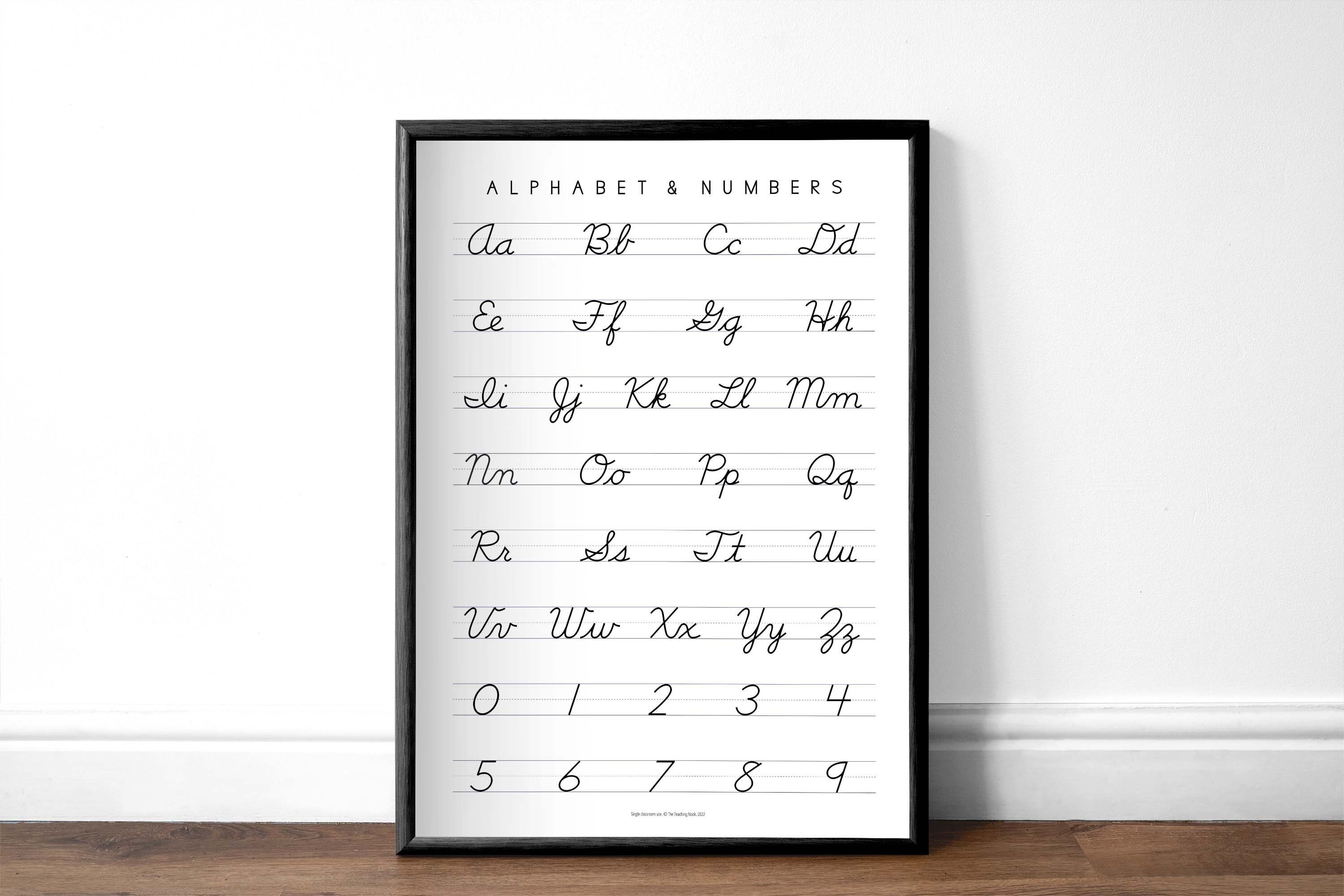
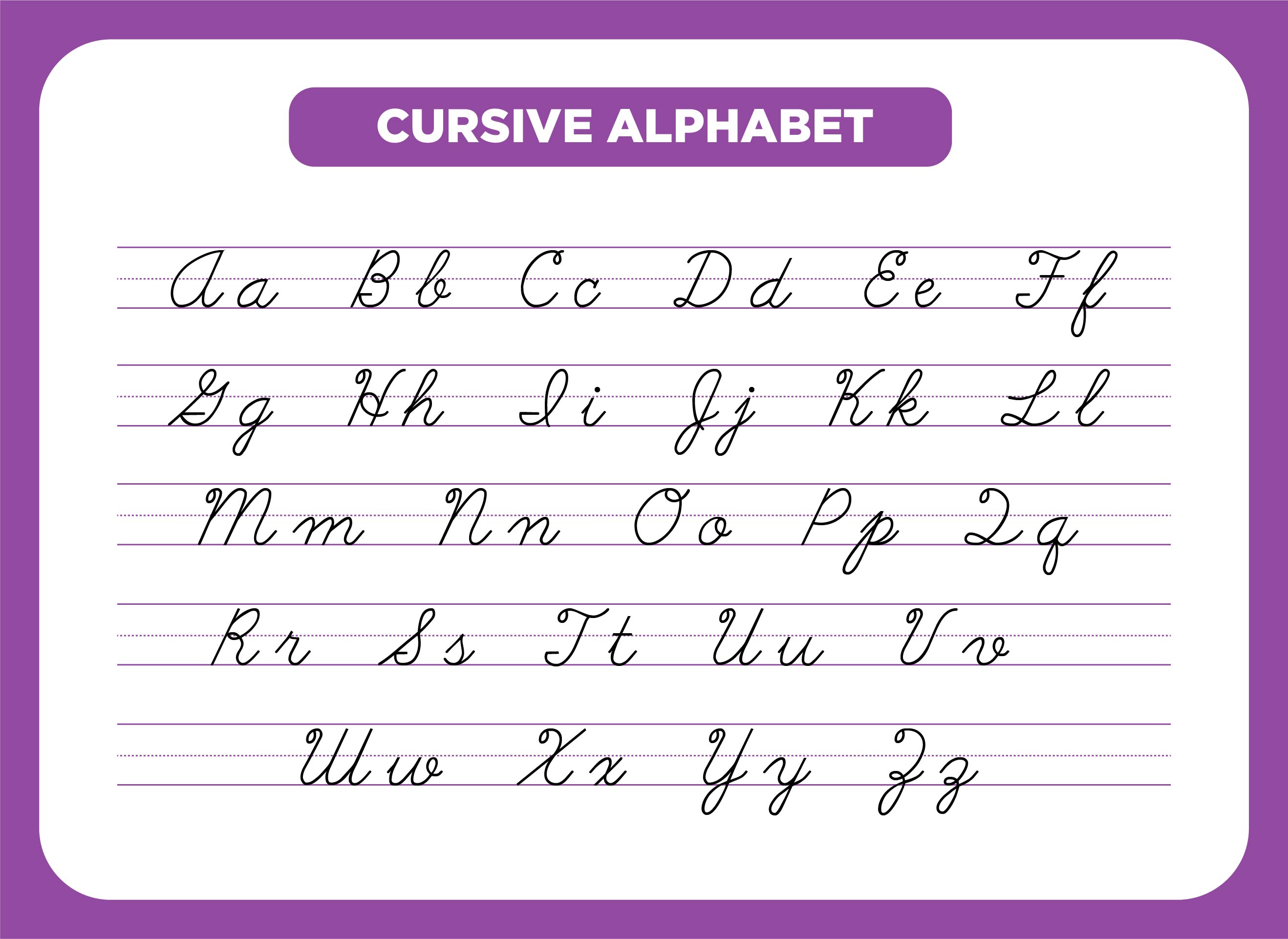
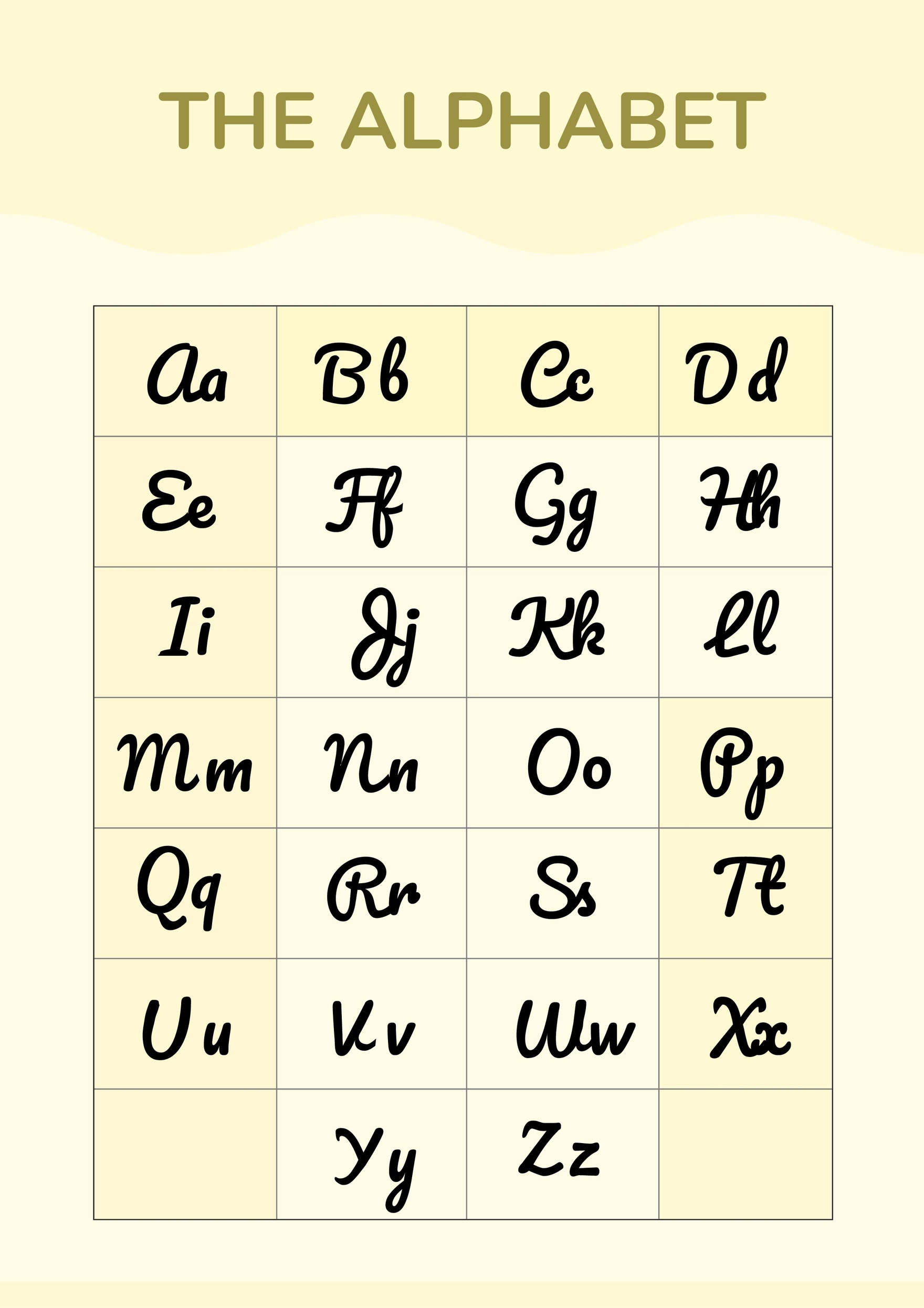
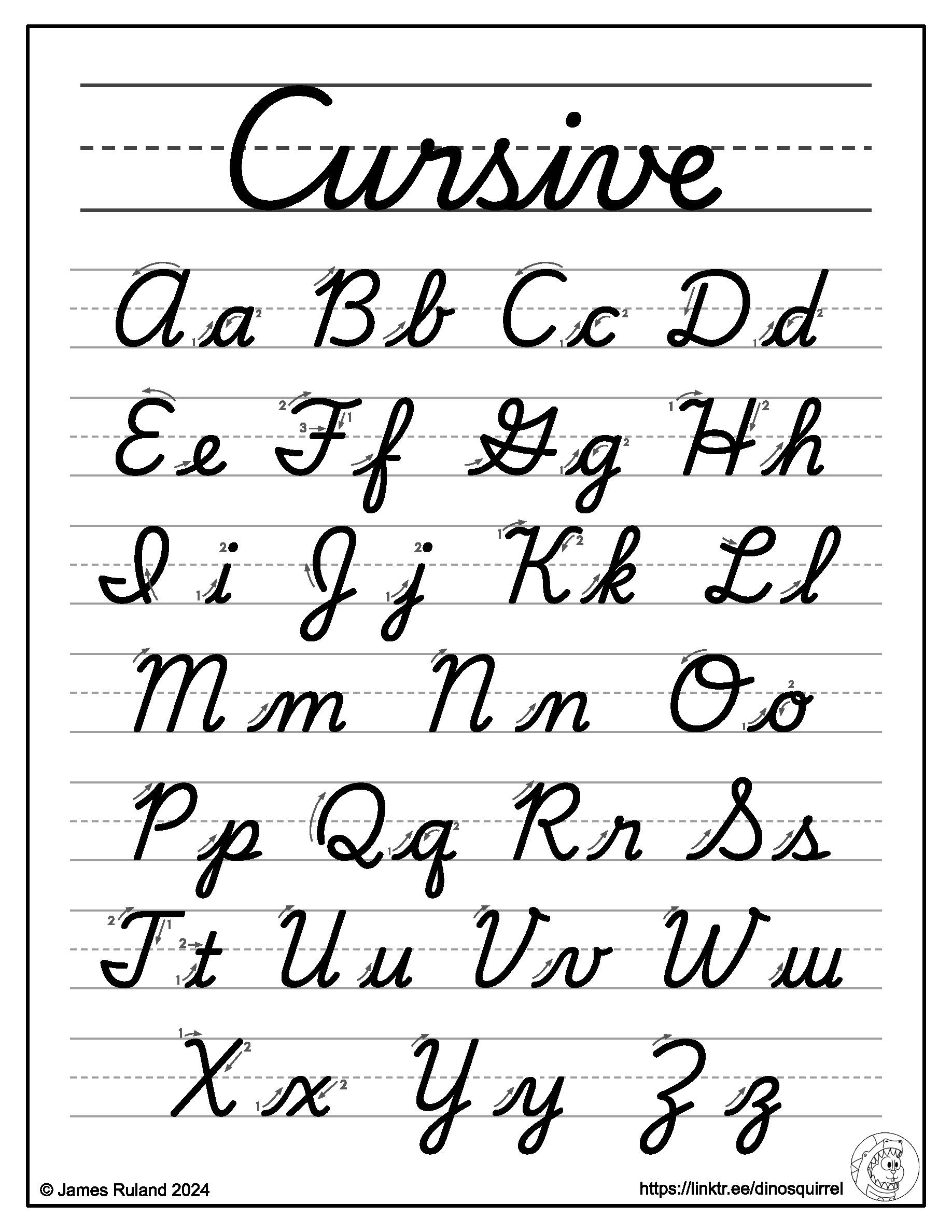
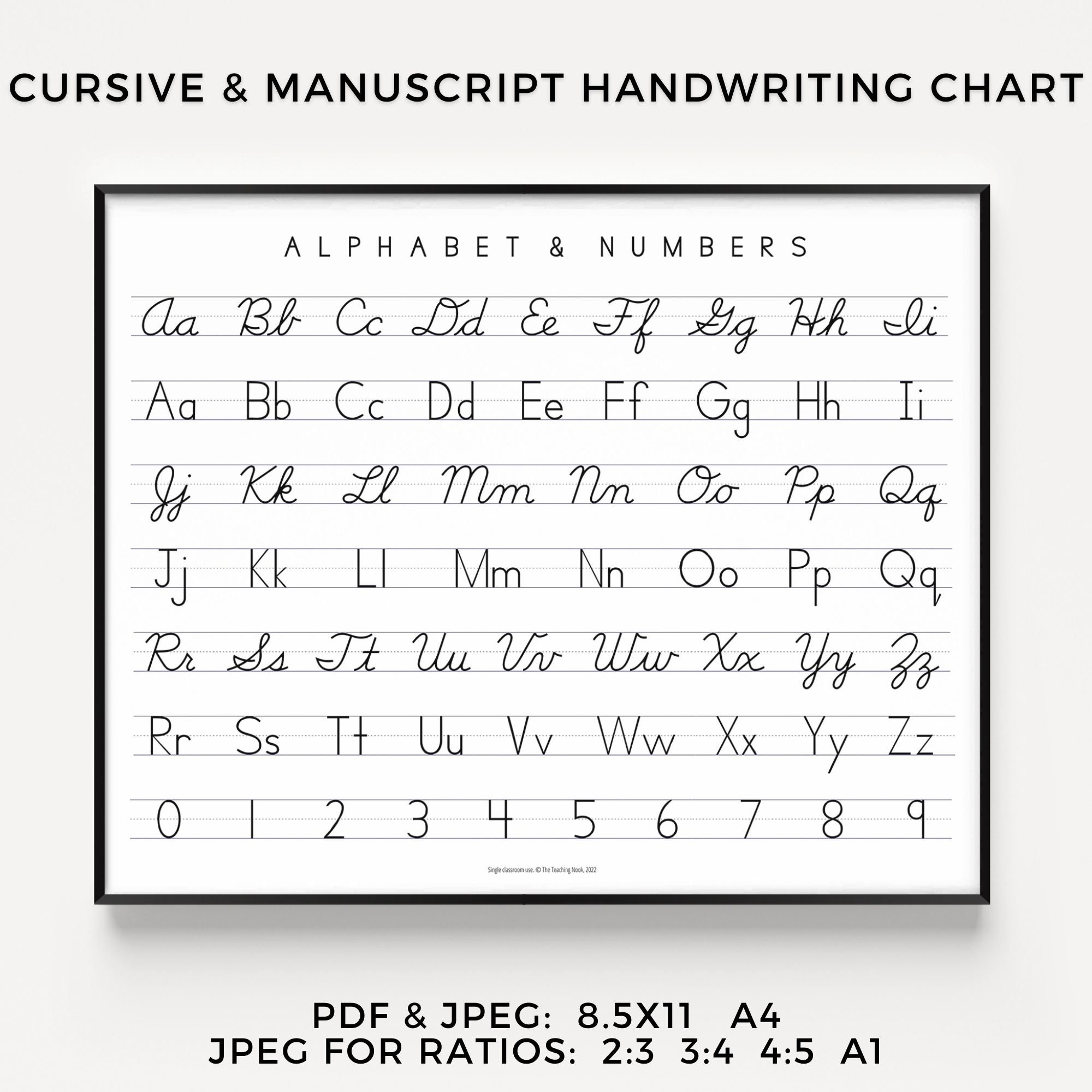
A cursive abc chart is a valuable tool for anyone wishing to master the art of cursive handwriting. This guide will provide an overview of what these charts offer and how they can improve your penmanship.
The chart is a visual aid, offering a clear and concise reference for the cursive alphabet. It displays the letter formations and connections, allowing users to understand the flow and style of each letter. While there may be variations in certain styles or regional preferences, the cursive abc chart provides a solid foundation for learning and practicing this elegant writing style.
Understanding the Cursive ABC Chart
The cursive abc chart is a valuable tool for mastering cursive handwriting. It serves as a visual guide, providing a reference for the unique forms and connections of each letter in the cursive alphabet. This chart is an essential learning aid, especially for beginners, as it offers a clear overview of the basic strokes and letter formations.
Comparing Cursive Styles and Standards
Cursive writing, much like other writing styles, can vary based on regional standards and personal preferences. While the cursive abc chart typically follows a standard format, it's essential to note that there might be slight variations in letter shapes and connections. For instance, the cursive alphabet used in the United States might differ slightly from that used in the United Kingdom.
Step-by-Step Guide to Using the Chart
To make the most of your cursive abc chart, follow these steps:
- Begin by familiarizing yourself with the chart. Observe the unique shapes and connections of each letter.
- Practice forming the letters, paying attention to the starting and ending points of each stroke.
- Connect the letters to form words, focusing on the natural flow of cursive writing.
- Start with simple words and gradually increase the complexity as you gain confidence.
- Regular practice is key; allocate dedicated time for handwriting exercises.
Common Mistakes and How to Avoid Them
When learning cursive, it's common to encounter challenges. Some letters might be particularly tricky due to their intricate forms. To avoid mistakes, ensure you:
- Pay close attention to the direction and placement of each stroke.
- Practice slowly and deliberately, focusing on accuracy rather than speed.
- Seek guidance from a teacher or use online resources for additional support.
Factors Affecting Accuracy and Real-World Application
The accuracy of your cursive writing depends on various factors, including your handwriting style, practice consistency, and attention to detail. Additionally, the context in which you use cursive writing can influence its application. For instance, formal documents might require a different style or size than personal notes.
Adapting the Chart for Specific Needs
The cursive abc chart is versatile and can be adapted to suit different learning styles and goals. If you're a visual learner, consider using colored pens or markers to highlight specific letters or connections. For a more tactile approach, try tracing the letters with your finger or a stylus on a tablet. Additionally, you can create your own practice sheets based on the chart to focus on specific letters or word formations.
Hey there! I hope this guide has been a helpful resource for you. Remember, when it comes to cursive ABC charts, the specifics can differ slightly based on your unique circumstances.
Feel free to explore other guides on this topic, as well, to find the one that best suits your needs. And don't forget to bookmark this page for future reference; it's always handy to have a quick go-to resource for those moments when you need a refresher on cursive writing.
Related: Understand the Blonde Hair Chart: A Simple Guide
A common misconception about the blonde hair chart is that it's solely for professionals; however, this handy tool is accessible and beneficial for anyone interested in hair coloring. The chart, a simple yet effective visual aid, offers a clear path to understanding and achieving desired blonde shades. It provides an organized system, often using a level system and tone guide, to navigate the world of blonde hair colors.
Understanding the Blonde Hair Chart
The blonde hair chart is a visual guide that helps you navigate the world of blonde hair colors. It provides a comprehensive overview of various blonde shades, their characteristics, and how they can be achieved. This chart is an essential tool for anyone looking to explore and experiment with blonde hair, whether you're a professional stylist or an individual seeking the perfect blonde.
Key Details and Categories
The blonde hair chart typically consists of a color wheel or a grid-like layout, with each section representing a specific blonde shade. These shades are categorized based on their level of lightness or darkness, often referred to as the "level system." The levels range from 1 to 10, with 1 being the darkest blonde and 10 being the lightest, almost white blonde. Additionally, the chart may include sub-categories to indicate the tone, such as ash, golden, or platinum. Each shade is further described using a combination of numbers and letters, providing a unique code for each color.
Reading and Applying the Blonde Hair Chart
To use the blonde hair chart, follow these steps:
- Identify your current hair color's level and tone. This will help you determine the starting point for your blonde journey.
- Choose your desired blonde shade from the chart. Consider the level and tone that appeal to you and match your personal style.
- Understand the required process. The chart may indicate if a simple tone change is enough or if you need a more extensive color transformation.
- Consult a professional. While the chart provides a guide, a qualified stylist can offer personalized advice and ensure a safe and successful hair color change.
- Maintain your blonde. Follow aftercare instructions and use specialized products to preserve the color and health of your hair.
Variations and Differences
It's important to note that blonde hair charts may vary depending on the standard or brand being used. Different manufacturers may have slightly different level systems or tone guides. Additionally, individual hair types and previous color treatments can affect the final result. Here are some key factors that can cause variations:
- Hair porosity: The ability of hair to absorb and retain moisture can impact color uptake.
- Natural hair color: Starting from a darker base may require multiple processes to achieve a light blonde.
- Previous color history: Hair that has been previously colored may react differently to new color applications.
- Environmental factors: Sun exposure and water quality can affect the longevity of blonde shades.
Remember, while the blonde hair chart is a valuable tool, it's always recommended to seek professional advice for the best results and to ensure the health of your hair.
Before you put this chart into action, remember to tailor it to your specific needs. While we've covered the basics, the exact values and categories may vary slightly between different sources and standards. So, take a moment to ensure you have the right references for your context.
Consider bookmarking this page for future reference. It's a handy tool to have at your fingertips, and with a quick refresh, you'll be ready to navigate the world of blonde hair tones with confidence!