






Cat Poop Chart Blank Overview
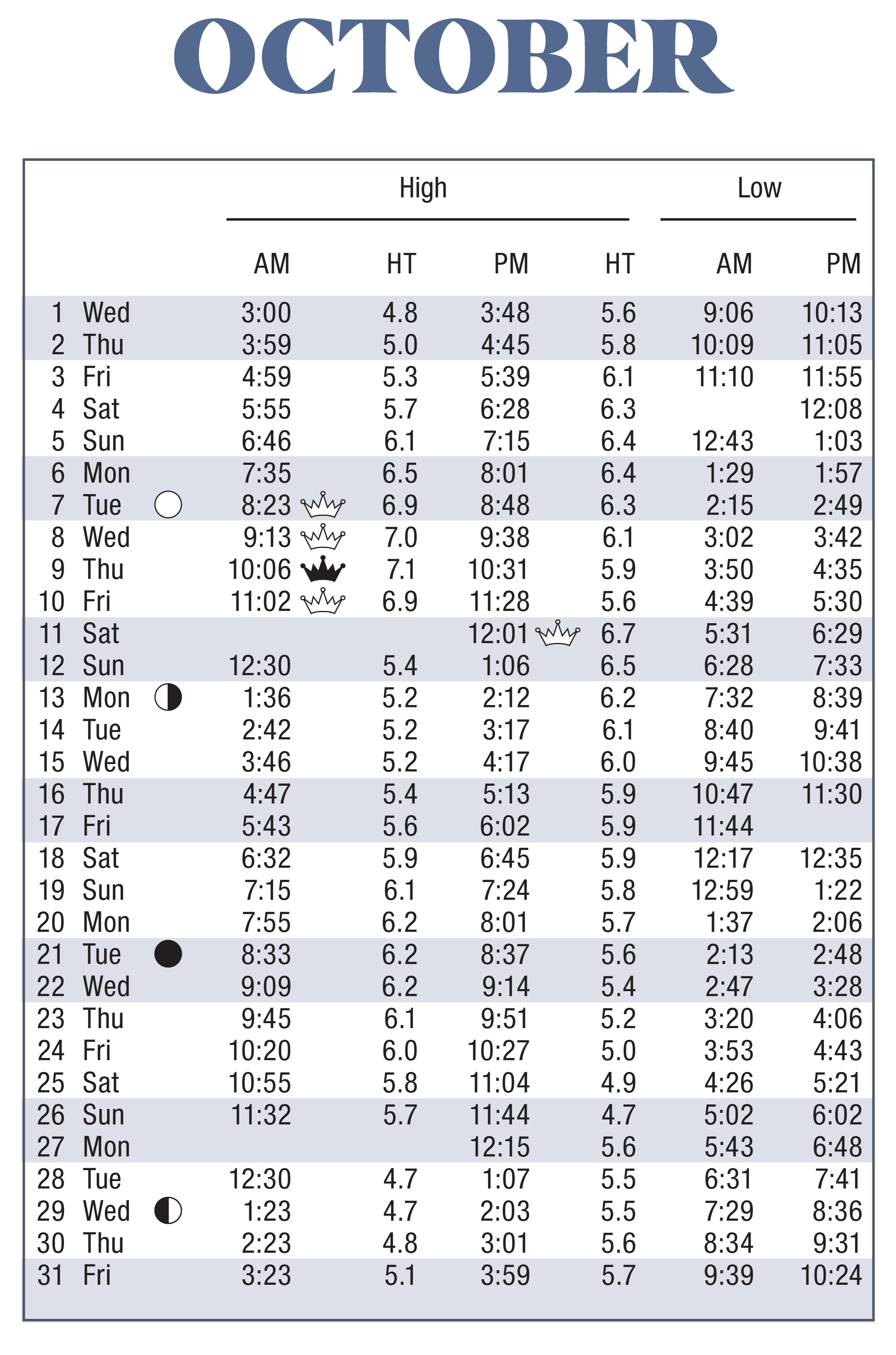
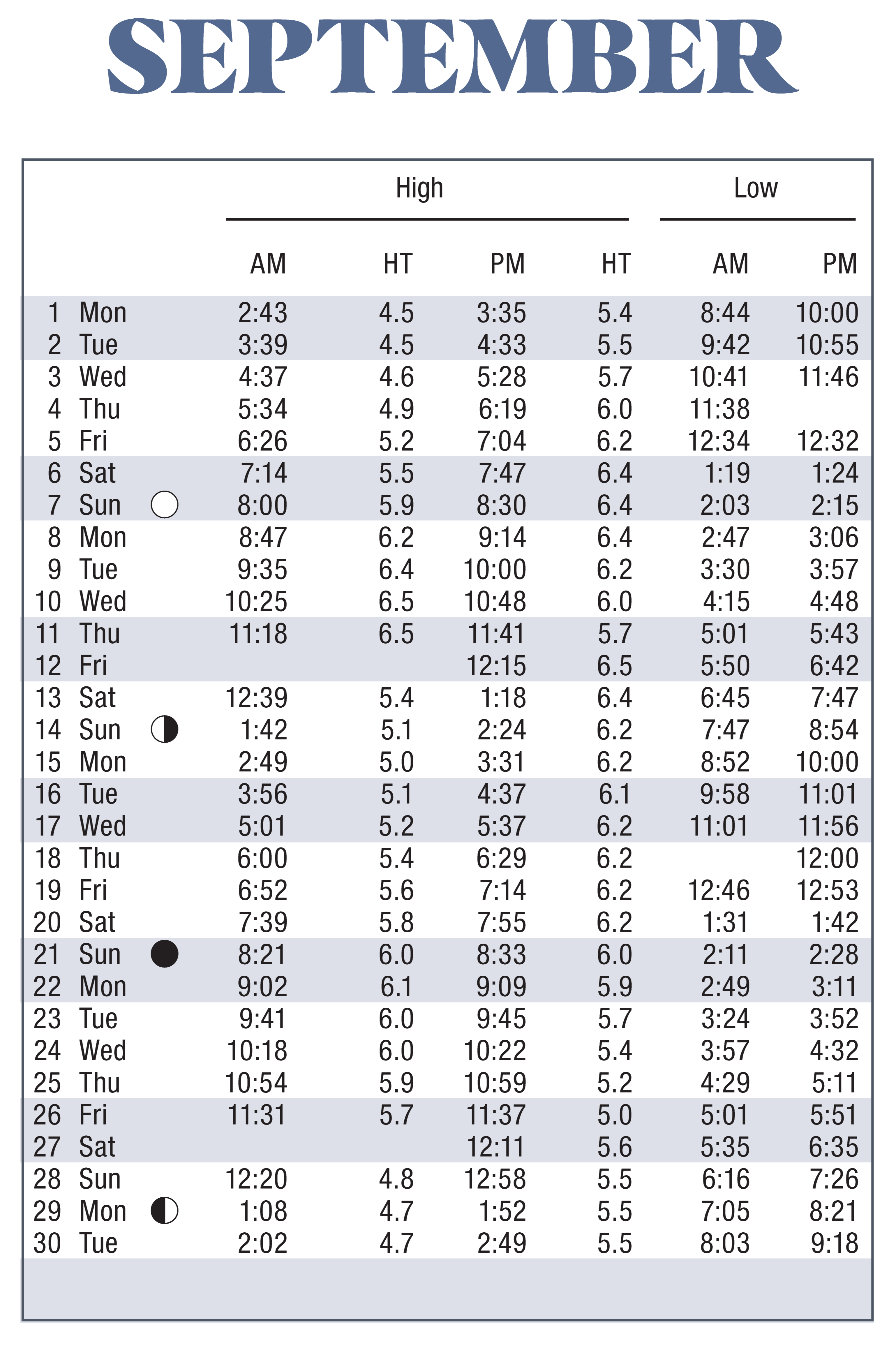
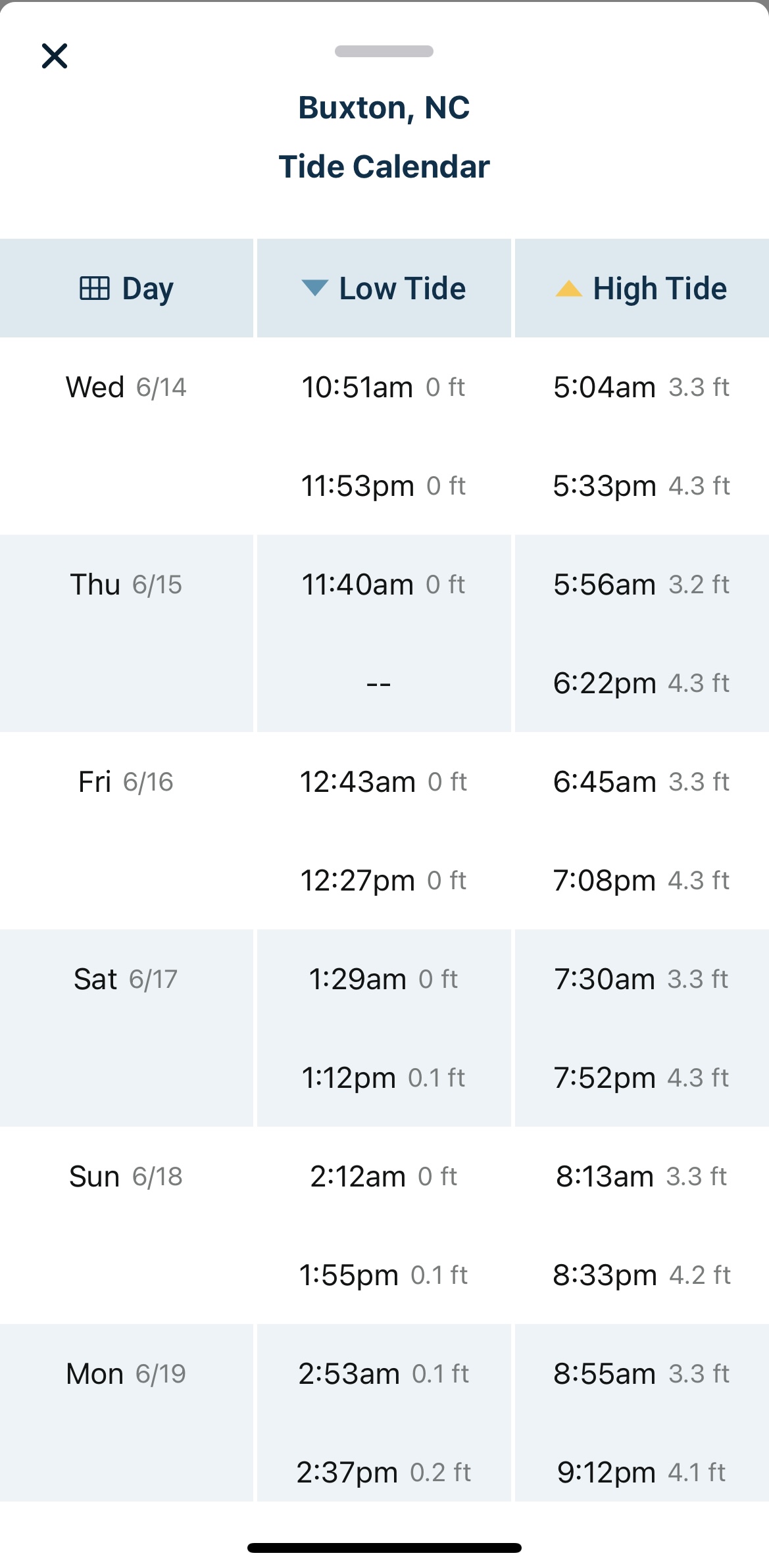
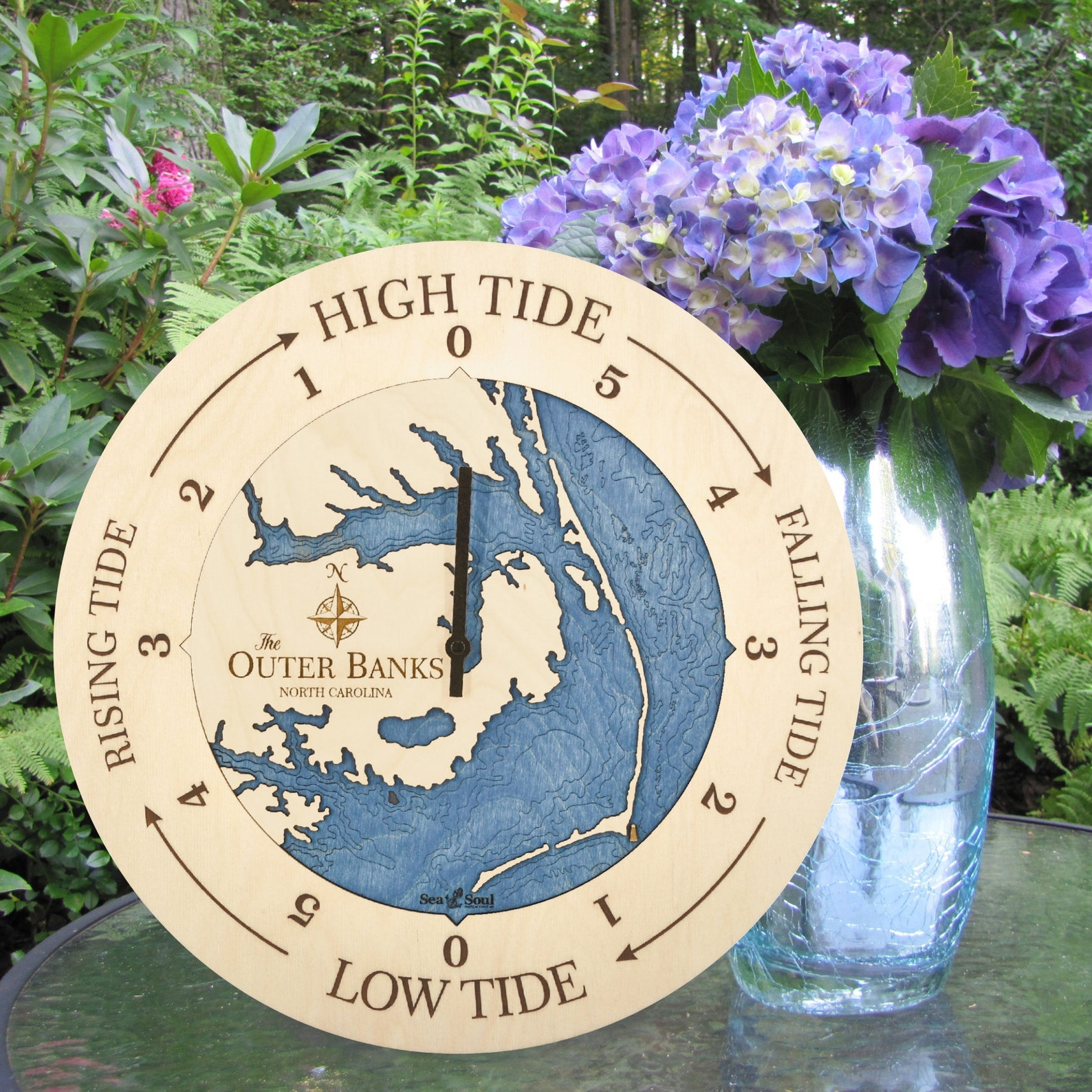
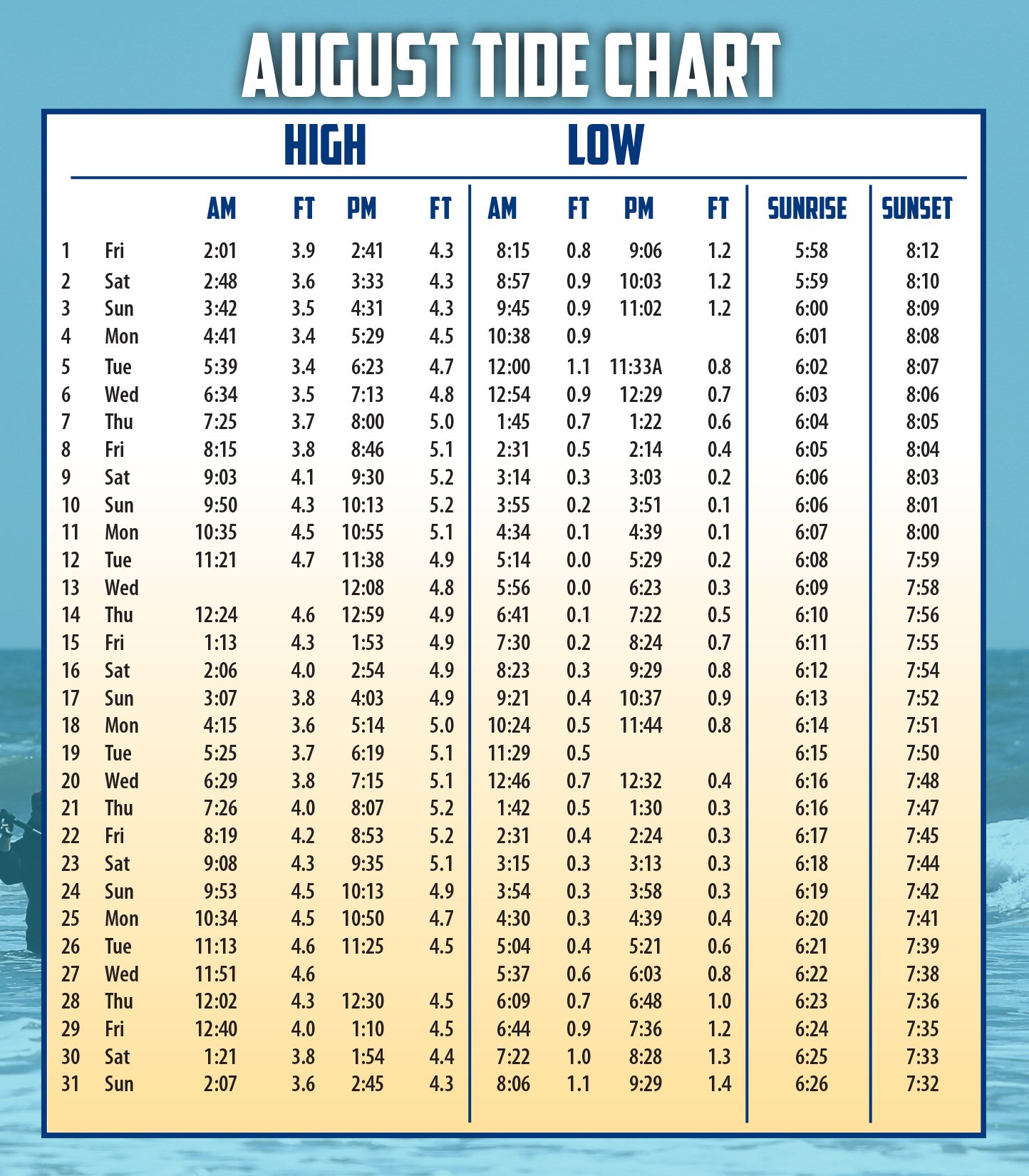
As you seek a reliable reference, the obx tide chart is an essential tool for anyone planning coastal activities. This chart, a concise visual guide, offers a quick glance at tide times and heights, a vital consideration for various pursuits. Whether you're a local or a visitor, understanding the tides is key to a successful and enjoyable experience, and the obx tide chart provides an accurate snapshot of the ocean's rhythm.
Understanding the OBX Tide Chart
The OBX tide chart is a valuable tool for anyone planning activities along the Outer Banks coastline. It provides a visual representation of the predicted tide levels and times, offering a glimpse into the ever-changing nature of the ocean's tides. By understanding and interpreting this chart, you can make informed decisions about your beach adventures, fishing trips, or coastal explorations.
Key Details and Categories
The OBX tide chart typically displays tide data for a specific location, such as Oregon Inlet or Ocean City. It presents two primary categories: tide heights and corresponding times. Tide heights are represented in feet or meters, depending on the standard used, and indicate the vertical movement of the water level. The chart often covers a 24-hour period, showing the predicted high and low tides, along with the times they occur.
Reading the Chart: A Step-by-Step Guide
- Identify the Location: Ensure you are referencing the correct OBX tide chart for your desired location. Different areas along the Outer Banks may have slight variations in tide patterns.
- Understand the Scale: Familiarize yourself with the scale used for tide heights. This scale is usually located on the side or bottom of the chart, indicating the range of tide levels.
- Locate the Current Date and Time: Find the date and time you are interested in on the chart. The chart often displays a timeline, making it easy to identify the current or future tide conditions.
- Interpret Tide Heights: Read the tide heights along the scale. High tide indicates the maximum water level, while low tide represents the minimum. The chart may use different colors or shading to differentiate between high and low tides.
- Plan Your Activities: With the tide information at hand, you can now plan your beachcombing, fishing, or boating activities accordingly. For instance, low tide might be ideal for exploring tidal pools or collecting shells, while high tide offers different opportunities, such as kayaking or surfing.
Common Tide Variations
Tide patterns can vary due to several factors, including:
- Geographical Location: Different areas along the Outer Banks experience unique tidal influences due to variations in coastal geography and ocean currents.
- Weather Conditions: Wind patterns, atmospheric pressure, and storm systems can impact tide levels and timing.
- Lunar Cycle: The gravitational pull of the moon affects tidal patterns. Spring tides, occurring during full and new moons, result in higher high tides and lower low tides, while neap tides, during quarter moons, produce less extreme tidal ranges.
Avoiding Common Mistakes
- Misinterpreting the Scale: Ensure you understand the scale used for tide heights. Misreading the scale can lead to inaccurate planning.
- Neglecting Weather Updates: Always check the latest weather forecasts, as unexpected weather events can influence tide patterns.
- Assuming Universal Tide Patterns: Remember that tide charts are location-specific. Using the wrong chart for your area can result in incorrect planning.
Practical Tips for Accurate Results
- Stay Informed: Regularly check the OBX tide chart for updates, especially if you are planning activities over multiple days.
- Consider Seasonal Variations: Tide patterns can differ throughout the year. Be mindful of seasonal changes and their impact on tidal behavior.
- Explore Local Knowledge: Engage with local fishing communities or beach enthusiasts who may have valuable insights into tide behavior and the best times for specific activities.
- Use Multiple Sources: Cross-reference tide information from different sources to ensure accuracy and reliability.
Remember, while this guide offers a solid foundation, it's always wise to verify the specific tide charts and conditions for your exact location and date. These natural phenomena can be influenced by various factors, so staying informed is key.
Feel free to explore our other guides and resources for a deeper understanding of coastal adventures and the many factors that influence them. Happy exploring!
Related: Need a shirt size chart? Find your perfect fit!
You're probably here because you need a quick fix, a simple solution to finding your perfect shirt size. And what better tool than a shirt size chart? It's a handy reference, a map to navigate the world of clothing sizes, and it's right at your fingertips. These charts offer a straightforward way to ensure you get the right fit, and they can vary slightly depending on the brand or region, so it's always good to have a reliable guide.
Shirt Size Chart: A Practical Guide
A shirt size chart is a handy reference tool that helps you find the perfect fit for your shirts. It provides a standardized way to determine your size based on key body measurements. These charts are essential for online shopping or when you need to order custom-made shirts.
Key Details and Categories
The shirt size chart typically includes measurements for chest circumference, waist circumference, and sometimes arm length. These measurements are usually given in inches or centimeters, depending on the standard being used. The chart also provides a range of sizes, often in small increments, to ensure a precise fit. For example, a chart might offer sizes from XS to 5XL, with each size representing a specific measurement range.
Step-by-Step Guide: Reading and Using the Chart
Follow these steps to accurately determine your shirt size using a size chart:
Measure your chest circumference at the fullest part of your chest, keeping the measuring tape parallel to the floor. This measurement is crucial for finding the right fit.
Locate your chest measurement on the chart. The chart will guide you to the corresponding size, often with a range of measurements for each size. For instance, a size Medium might fit chest circumferences between 38 and 40 inches.
If the chart provides waist circumference measurements, repeat the process for your waist. This measurement ensures a comfortable fit around your midsection.
Compare your measurements to the size chart's ranges. Choose the size that aligns most closely with your measurements. If your measurements fall between two sizes, consider factors like your preferred fit (more relaxed or snug) and the fabric's stretchability.
For more precise fitting, some charts may include arm length measurements. Measure your arm length from the base of your neck to your wrist. Match this measurement to the chart's arm length column to ensure a perfect sleeve length.
Understanding Variations and Differences
It's important to note that shirt size charts can vary depending on the brand, manufacturer, or even the specific style of shirt. Some brands may have slightly different measurement standards or size increments. Additionally, the intended fit of the shirt (e.g., slim, regular, or relaxed) can impact the size chart. Always check the brand's size guide or any notes about fit to ensure an accurate selection.
Common Mistakes and How to Avoid Them
One common mistake is relying solely on your usual shirt size without considering the specific brand or style. Each brand may have its own unique sizing system, so it's crucial to refer to their size chart. Another mistake is neglecting to measure yourself accurately. Take precise measurements, especially for the chest and waist, to ensure an accurate fit. Avoid guessing or estimating, as this can lead to disappointment with the final product.
Practical Fitting Tips for Accurate Results
To ensure the best fit, consider these tips:
When measuring, stand naturally and relax your arms. Avoid pulling the measuring tape too tight or too loose.
If you're between sizes, choose the larger size for a more comfortable fit, especially if the shirt has a slim or tailored cut.
Pay attention to the fabric and its stretchability. Some fabrics, like cotton blends, have more give, while others, like linen, are more rigid.
Check the brand's size guide for any specific notes or recommendations. They might offer tips for their unique sizing or suggest sizing up or down for certain styles.
Consider the intended use of the shirt. If it's for a formal occasion, you might want a more tailored fit, while casual shirts can allow for a looser fit.
Remember, the shirt size chart is a valuable tool, but it's just a guide. Always prioritize your comfort and personal style when making a final decision.
Well, there you have it! A shirt size chart is a handy tool to ensure you get the perfect fit every time. Remember, while these charts provide a great starting point, exact values can vary, so it's always wise to check the specific guidelines for your chosen brand or standard.
Don't forget to explore our other guides and resources; we've got plenty of practical tips to help you navigate the world of fashion and sizing with ease. Stay tuned for more!
Related: Understanding Auburn's Depth Chart
If you're here, you're likely seeking a quick reference or a straightforward guide to understanding the depth chart Auburn. This practical tool, often used in sports, provides a visual representation of a team's roster, offering a clear view of player positions and roles. "Depth chart Auburn" can vary in format and detail, but its core purpose remains the same: to provide an at-a-glance overview of the Auburn Tigers roster and starting lineup.
What is a Depth Chart?
A depth chart is a valuable tool used in sports, particularly in American football, to visually represent a team's roster and the hierarchy of players at each position. For Auburn University's football team, the depth chart is an essential reference for coaches, players, and fans alike, offering a clear snapshot of the team's current lineup and player rankings.
Key Details and Categories
The depth chart auburn typically features two main columns: player positions and player names. Positions are organized by offensive and defensive roles, with special teams roles sometimes included. Each position is further divided into tiers, indicating the player's status within that position group. Common tiers include starters, backups, and reserves, with some charts also featuring developmental players or walk-ons.
Reading and Applying the Depth Chart
To read and understand the depth chart auburn, follow these steps:
Start by identifying the position groups. These are typically organized by offense (e.g., quarterback, running back, wide receiver) and defense (e.g., defensive line, linebackers, defensive backs).
Within each position group, look for the players listed under the "Starters" tier. These are the players who are currently expected to start the game.
Below the starters, you'll find the backups and reserves. Backups are often the next in line to replace a starter if needed, while reserves are typically further down the depth chart but still part of the team's roster.
Pay attention to any notes or additional information provided alongside the player names. These notes might indicate injuries, eligibility issues, or other factors that could impact a player's status.
Use the depth chart as a reference when discussing the team's strategy, analyzing player performance, or predicting game outcomes. It provides a snapshot of the team's current strengths and weaknesses at each position.
Variations and Differences
While the basic structure of a depth chart remains consistent, variations can occur across different teams and leagues. For instance, some depth charts may include more detailed information, such as player heights, weights, and jersey numbers. Additionally, the specific position groups and their organization can vary depending on the team's offensive or defensive schemes. It's important to note that depth charts are dynamic and can change frequently due to injuries, player performance, or coaching decisions.
Common Mistakes and How to Avoid Them
One common mistake is assuming that the depth chart is set in stone. It's essential to remember that depth charts are subject to change, especially in the fast-paced world of college football. Coaches may make last-minute adjustments based on game plans or player availability. Therefore, it's crucial to regularly update your knowledge of the depth chart and stay informed about any recent changes.
Practical Tips for Accurate Results
To ensure you're using the depth chart auburn accurately, consider these tips:
Familiarize yourself with the team's roster and player positions. Understanding the basic roles and responsibilities of each position will enhance your ability to interpret the depth chart effectively.
Keep track of any notable injuries or player absences. These factors can significantly impact the depth chart and the team's overall performance.
Stay connected with reliable sources of information, such as official team websites or reputable sports media outlets. These sources often provide the most up-to-date depth charts and player news.
Double-Checking and Handling Exceptions
While the depth chart auburn is a valuable tool, it's important to remember that it represents a snapshot of the team's current lineup. To ensure accuracy, consider the following:
Cross-reference the depth chart with recent game statistics and player performance. This can help you identify any discrepancies or unexpected changes in the lineup.
Be aware of positional flexibility. Some players may be listed at multiple positions on the depth chart, indicating their ability to play different roles. Understanding these flexibilities can provide insights into the team's strategic options.
Stay vigilant for any last-minute changes or surprises. College football games often bring unexpected twists, so it's essential to remain adaptable and informed.
It's always a good idea to familiarize yourself with the depth chart, ensuring you have a solid understanding of the team's structure and dynamics. Remember, while this guide provides a comprehensive overview, every team and context is unique, so be sure to double-check the specifics for your situation.
Consider bookmarking this page for future reference; it's a handy resource to have at your fingertips when you need a quick reminder or a deeper dive into the Auburn depth chart. Happy exploring!