


Cbt Worksheet Spanish Overview
A common misconception about the emotion code chart is that it's a complex, intimidating tool, but it's actually a simple and powerful resource when used correctly. This chart, a visual representation of emotions, is an accessible guide that offers a clear and concise way to understand and interpret emotional responses. While there may be variations in the specific values and formats across different systems, the core concept remains the same: an emotion code system provides a structured approach to navigating the spectrum of human feelings.
Understanding the Emotion Code Chart: A Quick Overview
The emotion code chart is a valuable tool designed to help us interpret and understand human emotions. It provides a visual representation of various emotional states, offering a structured way to analyze and communicate feelings. This chart serves as a reference guide, aiding individuals in recognizing and expressing their emotions accurately.
Comparing Emotion Coding Systems: Formats and Standards
There are different formats and standards for emotional coding systems. The emotion code chart typically follows a widely accepted scale, ensuring consistency in emotional analysis. This scale often ranges from 0 to 10, with 0 representing a neutral or calm state and 10 indicating an intense or extreme emotion. It is essential to note that while this scale is common, variations may exist, especially in specialized fields or cultural contexts.
How to Use the Emotion Code Chart: A Step-by-Step Guide
To utilize the emotion code chart effectively, follow these steps:
- Identify the emotion you wish to analyze or communicate.
- Locate the emotion on the chart by considering its intensity and context.
- Assign a numerical value based on the scale, ensuring it aligns with the emotion's intensity.
- Communicate the emotion by sharing the assigned value, providing a clear and concise representation.
- When discussing emotions with others, refer to the chart to ensure a shared understanding.
Common Misreadings and Pitfalls: Ensuring Accurate Interpretation
Misinterpreting emotions can lead to misunderstandings. To avoid this, consider these tips:
- Ensure you understand the context in which the emotion is expressed.
- Be aware of cultural differences and how they may influence emotional expression.
- Regularly review and update your understanding of the emotion code chart, especially if you encounter new or unfamiliar emotions.
- Seek clarification if needed; open communication is key to accurate emotional interpretation.
Factors Affecting Real-World Accuracy: Key Considerations
When using the emotion code chart in real-life situations, several factors can impact accuracy:
- Affect intensity can vary widely between individuals, so be mindful of personal differences.
- Cultural norms and expectations play a significant role; emotions may be expressed differently across cultures.
- The context and situation greatly influence emotional responses; consider these factors when interpreting emotions.
- Personal experiences and past associations can shape how emotions are perceived and expressed.
- Physical and mental health conditions may affect an individual's emotional range and expression.
Remember, while the emotion code chart provides a valuable framework, it is essential to approach emotional analysis with flexibility and an open mind, considering the unique factors that influence each individual's emotional landscape.
Remember, the emotion code chart is a flexible tool, so you may find slight variations in practice. The key is to adapt it to your specific needs and context.
Feel free to explore our other guides for more practical insights and tips. Consider bookmarking this page for a handy reference—it might come in handy sooner than you think!
Related: Understanding DVC Point Charts: A Simple Guide
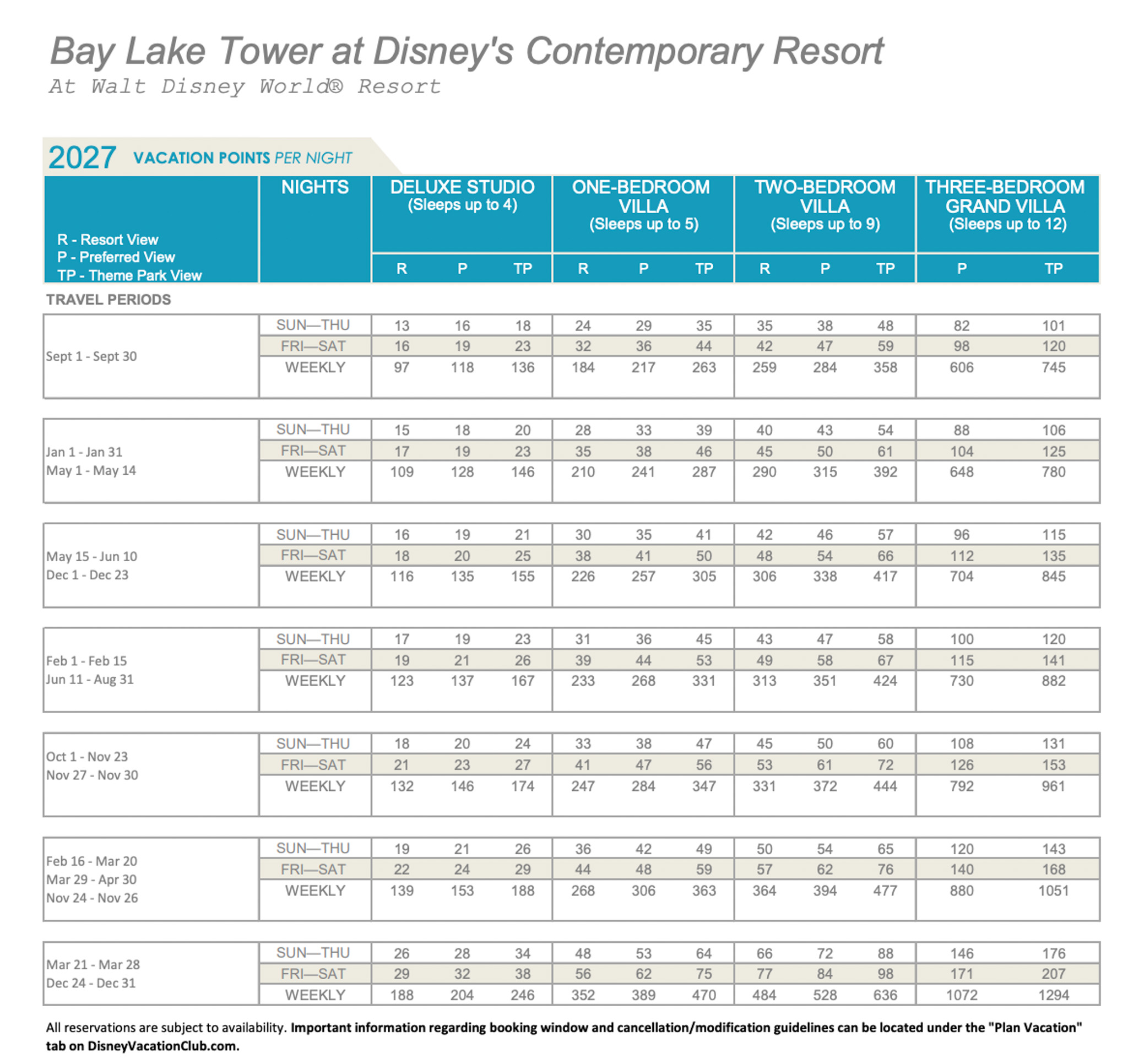
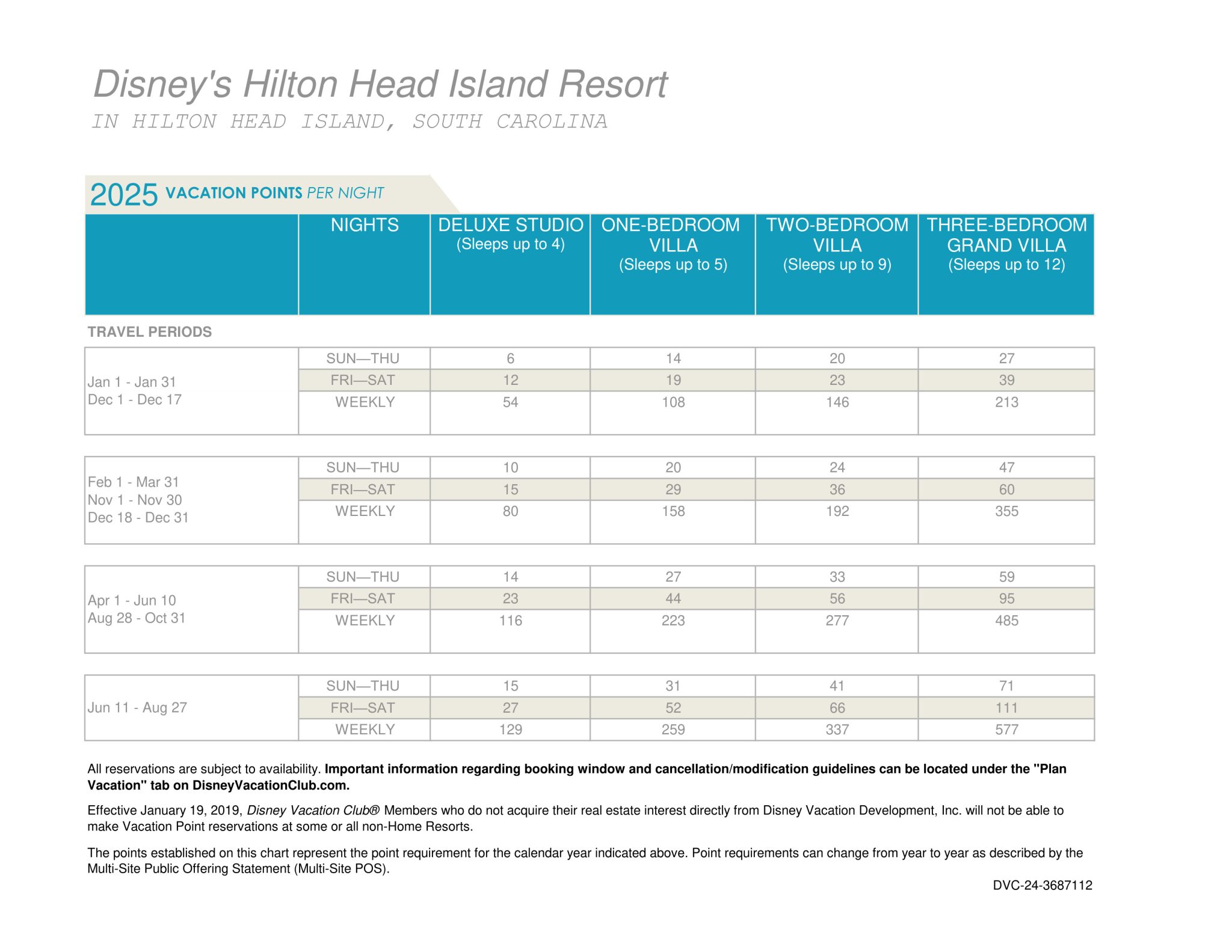
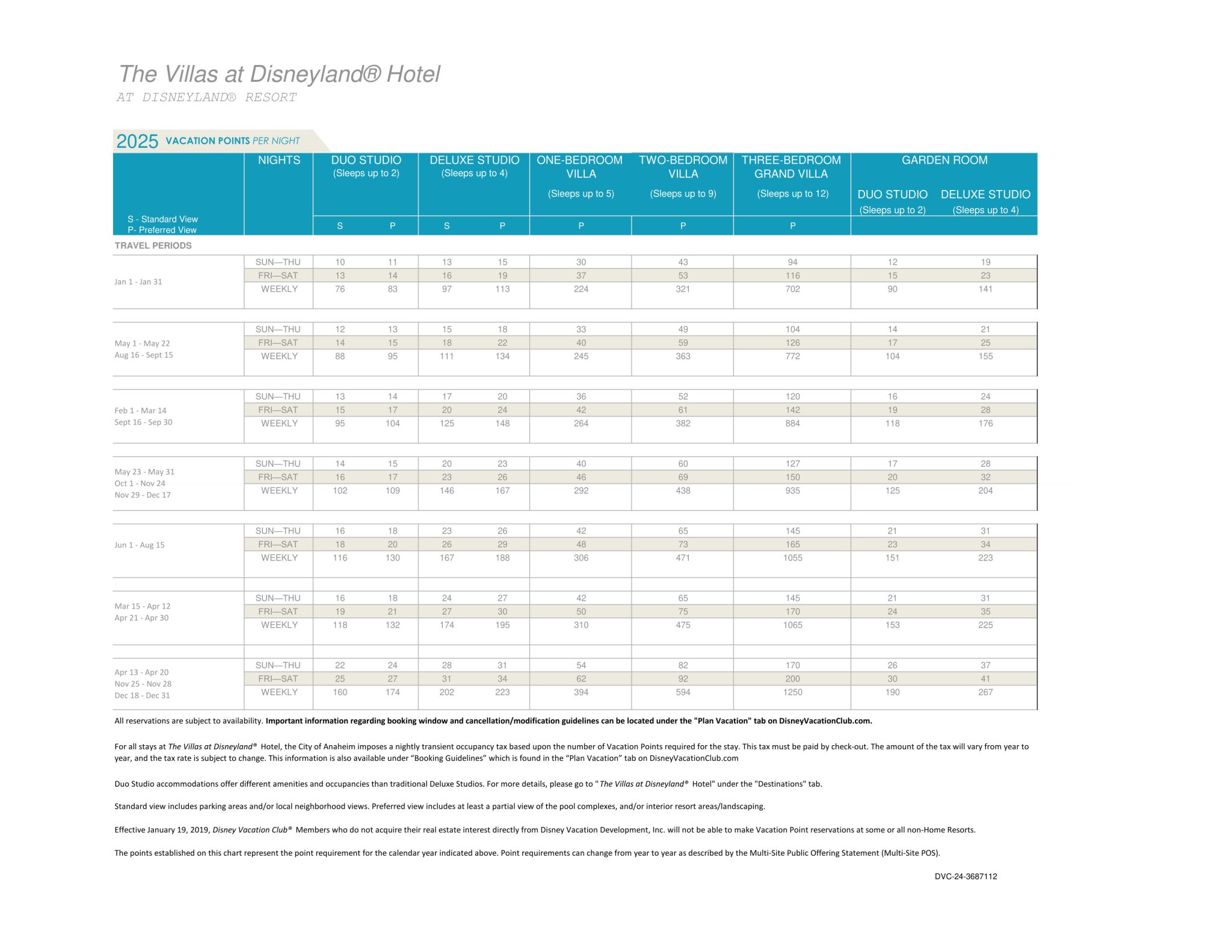
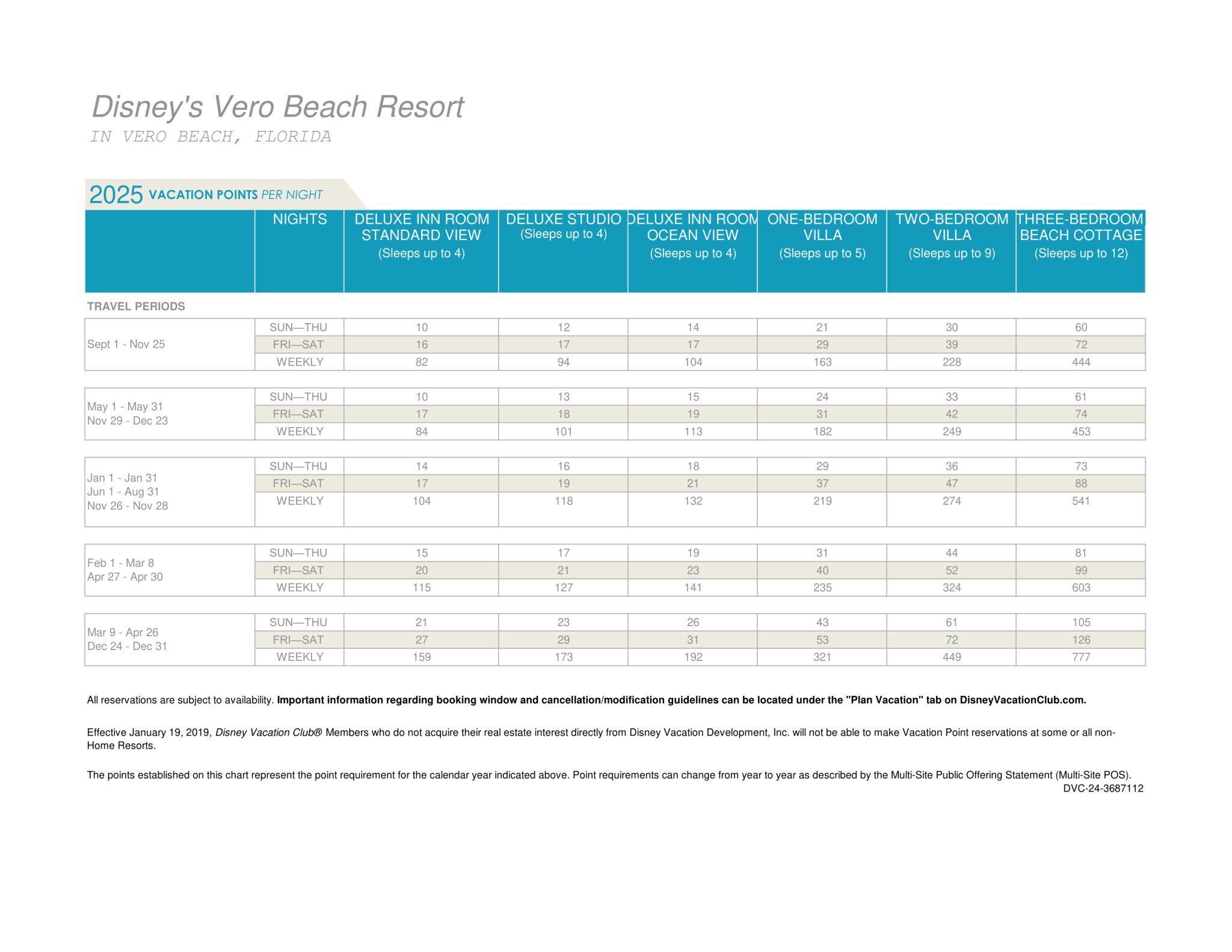
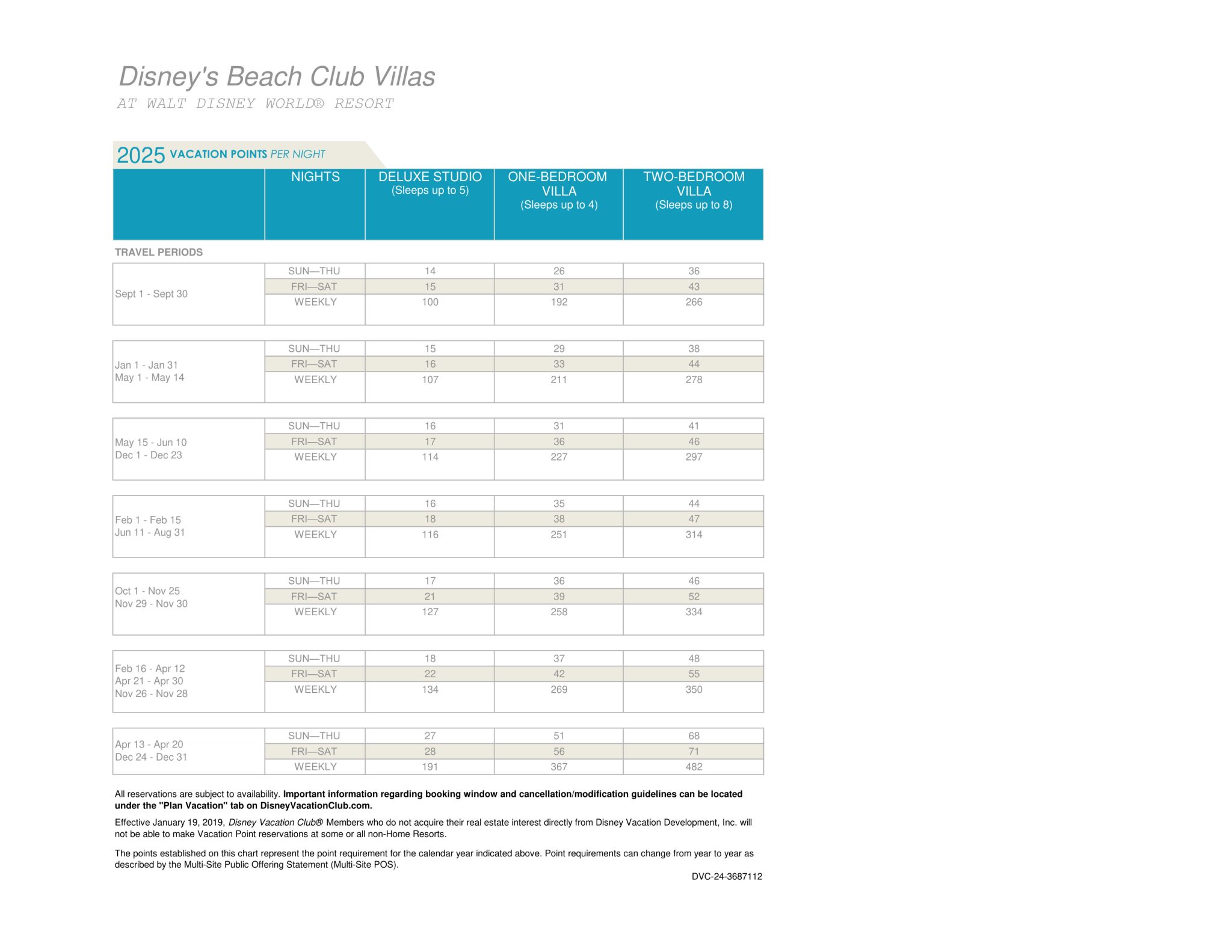
You're likely here because you're seeking clarity on DVC point charts, a valuable tool for Disney Vacation Club members. These charts provide an overview of your DVC points, offering a quick reference for understanding your vacation ownership and the associated benefits. While the specific values and formats may vary, depending on your membership and region, the DVC point charts serve as a reliable guide to help you navigate and make the most of your Disney vacations.
Understanding the Chart: DVC Point Values
DVC point charts are a valuable tool for members of the Disney Vacation Club (DVC) to understand and manage their vacation ownership and resort points. These charts provide a clear overview of the point values assigned to different DVC resorts, allowing members to plan their vacations effectively. By referring to this chart, members can determine the cost of their desired accommodations and make informed decisions about their vacation plans.
Comparing Resort Point Values
The beauty of DVC point charts lies in their ability to standardize point values across various resorts. Each resort is assigned a specific point value, reflecting its popularity, location, and amenities. These point values are crucial for members as they determine the number of points required to book a stay. The chart typically displays resorts in a hierarchical manner, with the most sought-after destinations having higher point values. Members can easily compare and contrast the point requirements for different resorts, helping them choose the perfect vacation spot.
Step-by-Step Guide: Using DVC Point Charts
To make the most of DVC point charts, follow these simple steps:
- Identify your preferred DVC resort(s) and the desired dates for your vacation.
- Refer to the DVC point chart to find the point value associated with each resort during your chosen time frame.
- Calculate the total number of points needed for your stay, considering the length of your trip and the point values of the resorts.
- Check your DVC account balance to ensure you have sufficient points for your desired reservation.
- Proceed with booking your vacation, utilizing your DVC points effectively.
Avoiding Common Misunderstandings
While DVC point charts are straightforward, it's essential to be aware of potential pitfalls. One common misunderstanding is assuming that point values remain constant throughout the year. In reality, point values can fluctuate based on seasons and demand. Always check the specific dates you wish to travel, as point values may differ between peak and off-peak periods. Additionally, be mindful of any special events or promotions that could impact point values temporarily. Staying informed about these variations will ensure accurate planning.
Factors Affecting Point Value Accuracy
Several factors influence the accuracy of DVC point charts and their real-world application. Firstly, it's crucial to note that point values are subject to change, especially during peak travel seasons or for special events. Members should regularly update their knowledge of point values to ensure they are planning their vacations based on the most current information. Additionally, the availability of certain resorts and accommodations can impact point values, as popular options may require more points during high demand. Staying flexible and open to alternative choices can help members optimize their point usage.
DVC point charts are a handy tool, offering a quick and clear reference for your planning needs. Remember, these charts are a guide, and while they provide a great starting point, it's essential to tailor them to your unique situation.
So, take a moment to review your specific requirements and ensure the chart you choose aligns perfectly with your goals. Then, you'll be all set to make the most of your DVC points!
If you're keen to explore more, our site offers a wealth of resources to enhance your understanding. Why not check out some related guides and continue your learning journey?
Related: Guitar Capo Chart: A Quick Reference Guide
Many guitarists, especially beginners, may mistakenly assume that a guitar capo chart is a complex and daunting tool, but it's actually a simple and incredibly useful reference. This chart, often a straightforward table or diagram, is your guide to understanding guitar capo placement and its impact on your playing. It's a handy resource to have, offering a quick way to visualize and navigate the different capo positions and their corresponding effects.
Understanding the Guitar Capo Chart
A guitar capo chart is a valuable tool for guitarists, offering a visual representation of how a capo affects the pitch and key of a guitar. It provides a quick reference guide to help musicians understand the relationship between capo placement and the resulting musical changes. This chart is particularly useful for those exploring different keys and tunings or experimenting with song arrangements.
Capo Types and Standards
There are various capo types, each designed for specific guitar models and playing styles. Standard capo sizes and designs cater to the most common guitar neck profiles, while specialized capos offer unique features like quick-release mechanisms or adjustable tension. The capo fret chart typically displays these different capo positions, showing how they raise the pitch and change the key.
Using the Capo Chart: A Step-by-Step Guide
To utilize the guitar capo fretboard chart effectively, follow these steps:
Identify the desired key change. Let's say you want to play a song in the key of G but find the chords too challenging.
Refer to the chart and locate the current key (e.g., C) and the desired key (G) on the key scale.
Find the corresponding fret number where the capo should be placed. In this case, placing the capo at the 2nd fret will transpose the guitar to the key of G.
Position the capo at the indicated fret, ensuring a snug fit to maintain the guitar's intonation.
Experiment with the new key and adjust your playing style as needed.
Avoiding Common Misunderstandings
While the guitar capo guide is straightforward, some misunderstandings can arise:
Capo Fretboard Position: Ensure the capo is placed at the correct fret. Misreading the chart can lead to an incorrect key change.
Key Transposition: Remember that the capo does not change the notes themselves; it simply alters the guitar's open strings, effectively transposing the entire instrument.
Guitar Model: Different guitar models may have variations in neck width and fret spacing, so double-check your guitar's specifications to ensure accurate capo placement.
Factors Affecting Accuracy
Several key factors can influence the accuracy of the guitar capo placement:
Guitar Type: Acoustic, electric, and classical guitars may have slight variations in neck shape and fret spacing.
Capo Design: Different capo types offer varying degrees of precision and ease of use.
Guitar Neck: The condition and setup of the guitar neck, including action and intonation, can affect the capo's performance.
String Gauge: Thicker strings may require a tighter capo grip, while lighter strings may need a looser fit.
Playing Style: The capo's position can impact playing comfort and technique, especially for complex chord shapes or fast strumming.
Adapting the Capo Chart for Specific Needs
While the guitar capo key chart provides a standard reference, guitarists may need to adapt it for specific situations:
Custom Tunings: If you use alternative tunings, you may need to create a customized capo chart or adjust the existing one to reflect the new tuning's key relationships.
Non-Standard Guitars: Guitars with unique neck shapes or wide fretboards may require a modified capo chart or a specialized capo design.
Playing Style Preferences: Some guitarists prefer a specific capo placement for certain songs or playing techniques, even if it differs from the standard chart.
Remember, when it comes to guitar capo charts, the specifics might differ slightly based on your unique circumstances. Every guitarist has their own preferences and playing style, so adapt these charts to suit your needs.
Feel free to explore our other guides and resources for more insights and tips. We've got a range of topics covered, so you can continue your musical exploration and find the information that resonates with you. Happy strumming!