







Cbt Worksheets Challenging Negative Thoughts Overview
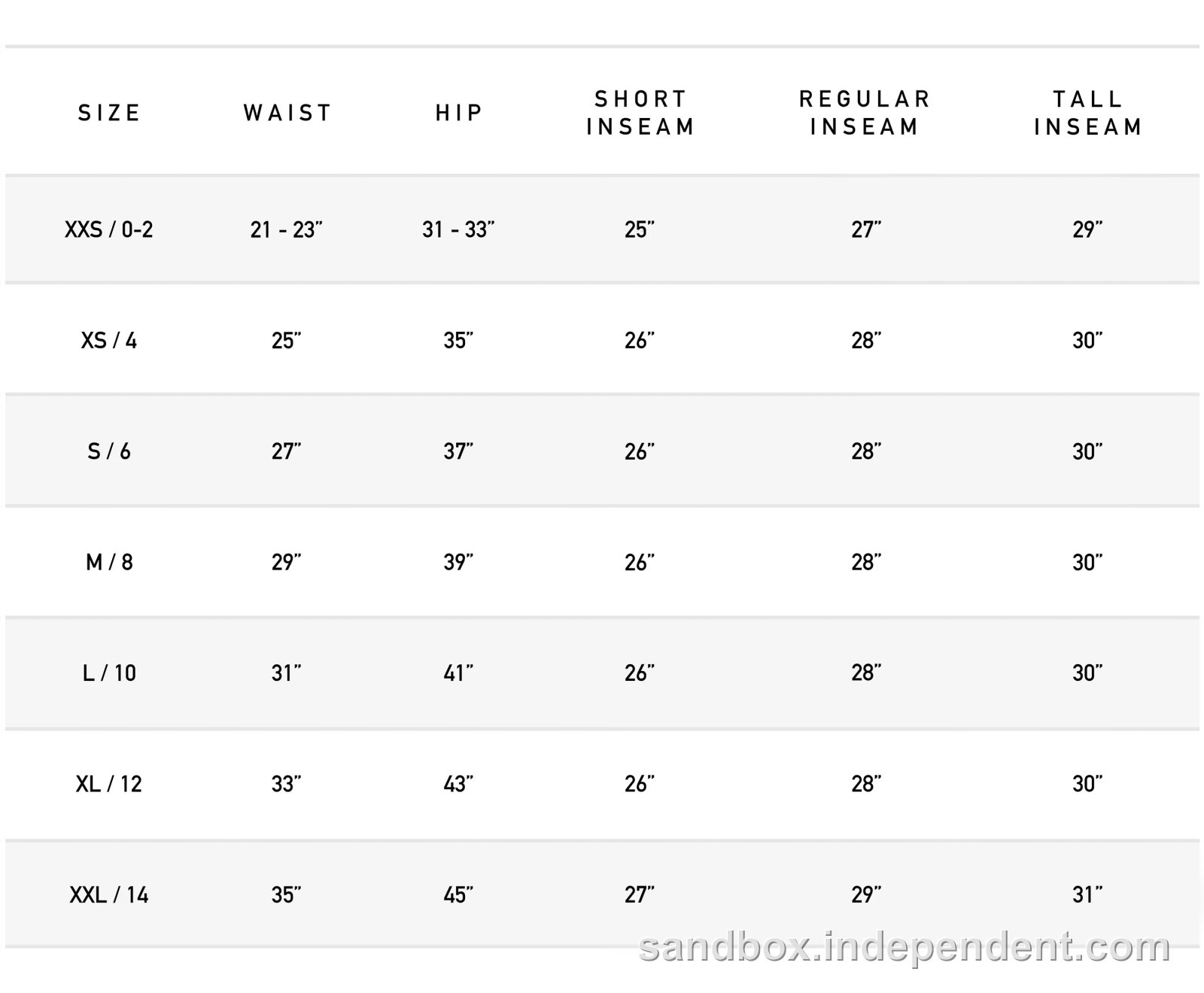
Many people assume that a bat size chart is solely about the length of a bat, but it's actually a comprehensive guide covering various dimensions and specifications. While length is an essential factor, a bat size chart also provides insights into other critical aspects, ensuring you choose the right equipment. This simple yet effective tool offers a quick reference, guiding you through the process of selecting the perfect bat size, whether for yourself or a young player.
Understanding the Bat Size Chart: A Quick Overview
The bat size chart is an essential tool for anyone involved in baseball or softball, offering a simple yet effective way to determine the appropriate bat size for players of all ages and skill levels. This chart acts as a reference guide, providing measurements and recommendations to ensure players have the right equipment for their physical attributes and playing style.
Comparing Bat Size Standards and Formats
Bat size charts can vary depending on the sport and the specific standards or regulations followed. For instance, baseball and softball often have different size charts, and even within these sports, there might be variations for youth leagues, adult recreational play, or professional leagues. These charts typically cover bat length and weight, with some also including additional factors like drop weight (the difference between bat length and weight) and barrel diameter.
Measuring for the Right Bat Size: A Step-by-Step Guide
To use a bat size chart accurately, follow these steps:
- Identify the relevant chart for your sport and league.
- Measure the player's height and, if applicable, their weight.
- Refer to the chart to find the recommended bat length based on the player's height and weight.
- Consider the player's age and skill level, as these can influence the ideal bat weight and drop.
- Select a bat within the recommended range, keeping in mind that personal preference and comfort are also important factors.
Common Size Variations and How to Avoid Misreadings
While bat size charts provide a great starting point, there can be variations due to several factors:
- Height and weight are just two of many physical attributes that can influence bat size. Hand size, arm length, and overall strength can also play a role.
- Age and skill level are often used as general guidelines, but individual player development and experience can vary widely.
- Manufacturer variations can occur, as different brands might have slightly different size recommendations or use unique sizing systems.
To ensure a perfect fit, it's essential to consider these factors and not solely rely on the chart. Always allow for some flexibility and personal preference, as the ultimate goal is to find a bat that feels comfortable and performs well for the individual player.
Before you put this guide to use, remember to cross-check your specific needs and requirements. While the chart offers a comprehensive overview, exact values can vary, so it's essential to ensure you're referring to the right standard or source for your context.
Consider bookmarking this page for future reference; it's a handy tool to have at your fingertips when you need a quick reminder of bat sizes. Stay organized, and happy batting!
Related: International Construction Services Essential Guide
I've got a question for you: when was the last time you really paid attention to the buildings around you? Like, really noticed the details, the craftsmanship, and the sheer scale of some of these structures? Because I was walking through my neighborhood the other day, and I started thinking about international construction services and all the work that goes into creating these amazing spaces. It got me curious, so I did some digging, and here's what I found out...
Uncovering the World of International Construction Services
International construction services is a broad term that covers a whole lot of different aspects of the building and remodeling world. It's not just about the big, flashy skyscrapers or iconic landmarks; it's about the everyday projects that shape our cities and towns. From residential remodels to commercial builds, this industry is all about bringing spaces to life.
One of the key things to understand is that construction services can vary massively in cost. It's not just about the materials; it's the labor, the location, and the scale of the project. For example, a simple kitchen remodel might be a straightforward job, but add in some custom cabinetry and it could push the price up. So, when you're comparing quotes, make sure you're getting an itemized list of what's included.
Hiring the right contractor is crucial. You want someone who's reliable, experienced, and has a good track record. Check online reviews, ask for references, and don't be afraid to ask lots of questions. A good contractor will be happy to explain their process and provide a detailed quote. It's also worth considering whether you need a general contractor or a specialist for your project.
Now, let's talk about naming. If you're in the construction business, you might be wondering how to choose a name that stands out. It's all about finding something memorable and unique, but also professional. Something like "Build-It-Right" or "Renovation Revolution" could work well. Just make sure you check the availability of the name and secure the domain and local registration before you get too attached!
The construction industry offers a whole range of jobs, from estimators to project managers and skilled tradespeople. It's a diverse field with opportunities for all sorts of skills and interests. If you're looking for work, you'll probably find the best openings through specialist job boards and industry networks. It's a competitive market, but with the right skills and a bit of persistence, you can find great roles.
One tool that's really useful in the construction world is RSMeans. It's a cost database that helps contractors and companies estimate project costs accurately. It takes into account all sorts of factors, like labor rates and material costs, to give a reliable estimate. It's a handy resource for anyone in the industry, whether you're a small business or a large firm.
When it comes to the big construction companies, they tend to have a broader scope and more resources. They can take on larger, more complex projects and often have a wider network of contacts and specialists. But that doesn't mean smaller firms can't compete; it's all about finding your niche and building a strong reputation.
So, whether you're looking to remodel your home, build a new commercial space, or just curious about the construction world, international construction services is a fascinating and vital industry. It's all about bringing ideas to life and shaping the spaces around us. I hope this has given you a taste of what's out there and inspired you to learn more.
Related: How to Read a Sock Size Chart?
Many people overlook the importance of a sock size chart and its accuracy, often leading to ill-fitting socks and discomfort. This simple tool is your secret weapon against blisters and sore feet!
A sock size chart is a straightforward reference, yet it can vary depending on the brand and region. It's a quick guide to ensure you choose the right size, and it's especially useful when buying online. Think of it as a map to finding the perfect fit, guiding you through the process of matching your foot measurements to the right sock size.
Understanding the Sock Size Chart
A sock size chart is your go-to guide for finding the perfect fit for your feet. It's a simple tool that helps you match your foot measurements to the right sock size, ensuring comfort and avoiding any awkward bunching or slipping.
Key Details and Categories
The chart typically displays two main categories: foot length and sock size. Foot length is usually measured in centimeters (cm) or inches, and it's the distance from the heel to the tip of your longest toe. Sock size, on the other hand, is a standardized measurement that corresponds to this foot length. It's important to note that sock size charts can vary slightly depending on the region and manufacturer, so it's good to check if you're using an international sock size chart or one specific to your country.
How to Read and Apply the Chart
Using a sock size chart is straightforward:
Measure your foot length. Place your foot on a flat surface and use a ruler or measuring tape to get the distance from your heel to the longest toe.
Find your foot length on the chart. Look for the column or row that matches your measured foot length.
Identify the corresponding sock size. The intersecting row or column will give you the recommended sock size.
Choose your socks. Now you can confidently pick your socks, knowing they'll fit comfortably and snugly.
Variations and Differences
While sock size charts provide a standardized guide, there can be variations across different brands and manufacturers. Some may have slightly different size ranges or use unique sizing systems. It's always a good idea to check the brand's specific size guide, especially if you're ordering online or trying a new brand. Additionally, the type of sock (e.g., crew, ankle, or no-show) can also impact the fit, so consider the style you prefer.
Common Mistakes and How to Avoid Them
One of the most common mistakes is not measuring your foot length accurately. Ensure you're standing up and placing your foot flat on the measuring surface. Another pitfall is assuming all sock size charts are the same. Always double-check if you're using an international or regional chart, especially when shopping online or across borders. Lastly, remember that foot shape and width can also affect the fit, so consider trying on socks if possible, or opting for a brand that offers a generous return policy.
Well, that's a wrap on our sock size chart adventure! You now have the tools to ensure you're always getting the perfect fit, which is a win-win for your comfort and style.
Remember, while this guide offers a solid framework, exact values can vary slightly between different standards and sources. So, take a moment to double-check the specific requirements or guidelines relevant to your context. And there you have it—a simple yet effective way to ensure your socks are always a snug and cozy fit!