








Cbt Worksheets Intrusive Thoughts Overview
A lip sync chart can be a bit of a mystery to those new to it, but it's actually a simple and useful tool. Many assume it's only for professionals, but it's a valuable reference for anyone dealing with audio-visual sync.
The chart is a straightforward guide, often tailored to specific needs, ensuring your lips match the words perfectly. It's an essential tool for ensuring your content is on point, whether you're a content creator or just want to avoid video sync issues.
What is a Lip Sync Chart?
A lip sync chart is a valuable tool for ensuring accurate audio-visual synchronization in media production. It provides a visual representation of the relationship between audio and video signals, helping to identify and rectify any timing issues. This chart is an essential reference for professionals working in film, television, and video production, ensuring a seamless viewing experience for audiences.
Key Details and Categories
The lip sync chart typically displays information in a tabular format, with columns representing different factors affecting synchronization. These factors include frame rates, video formats, audio sample rates, and various delay measurements. The chart provides specific values or ranges for each category, allowing users to compare and adjust their settings accordingly. It's important to note that the values may vary depending on the standard or format being used, so it's essential to refer to the correct chart for your specific needs.
Reading and Applying the Lip Sync Chart
Here's a step-by-step guide on how to utilize the lip sync chart:
Identify your project's frame rate and video format. These are crucial parameters that determine the foundation of your synchronization.
Locate the corresponding values on the chart. The chart will provide you with the recommended audio sample rate and any necessary delays to achieve optimal synchronization.
Apply the recommended settings to your audio and video equipment. This may involve adjusting audio sample rates and introducing delays as indicated by the chart.
Test and verify the synchronization. Play back your media and observe the lip movements in relation to the audio. If any issues persist, refer back to the chart and make further adjustments as needed.
Understanding Sync Issues and Variations
Variations in synchronization can occur due to several factors. Here are some key considerations:
Frame rate conversions: Changing frame rates can introduce timing discrepancies, so it's essential to account for these conversions accurately.
Video format differences: Various video formats have unique characteristics, and their interaction with audio can vary. The lip sync chart accounts for these differences to ensure accurate synchronization.
Equipment and software variations: Different devices and software may have slight variations in their handling of audio and video signals. The chart provides a standardized reference to overcome these variations.
Environmental factors: External factors like temperature and signal interference can affect synchronization. While the chart provides a baseline, real-world conditions may require further adjustments.
Remember, while the lip sync chart offers a comprehensive guide, it's always beneficial to double-check specific tolerances and standards for your unique project requirements. By following these practical steps and understanding the potential variations, you can achieve precise audio-visual synchronization and deliver a high-quality viewing experience.
Hey there, I hope this lip sync chart guide has been a helpful reference for you. Remember, while the basics remain the same, the exact details can vary slightly depending on the context and the source you're working with.
So, keep this page bookmarked for a quick reminder, and feel free to explore our other guides for more practical tips and tricks. Happy syncing!
Related: Atlanta Construction Jobs Essential Guide
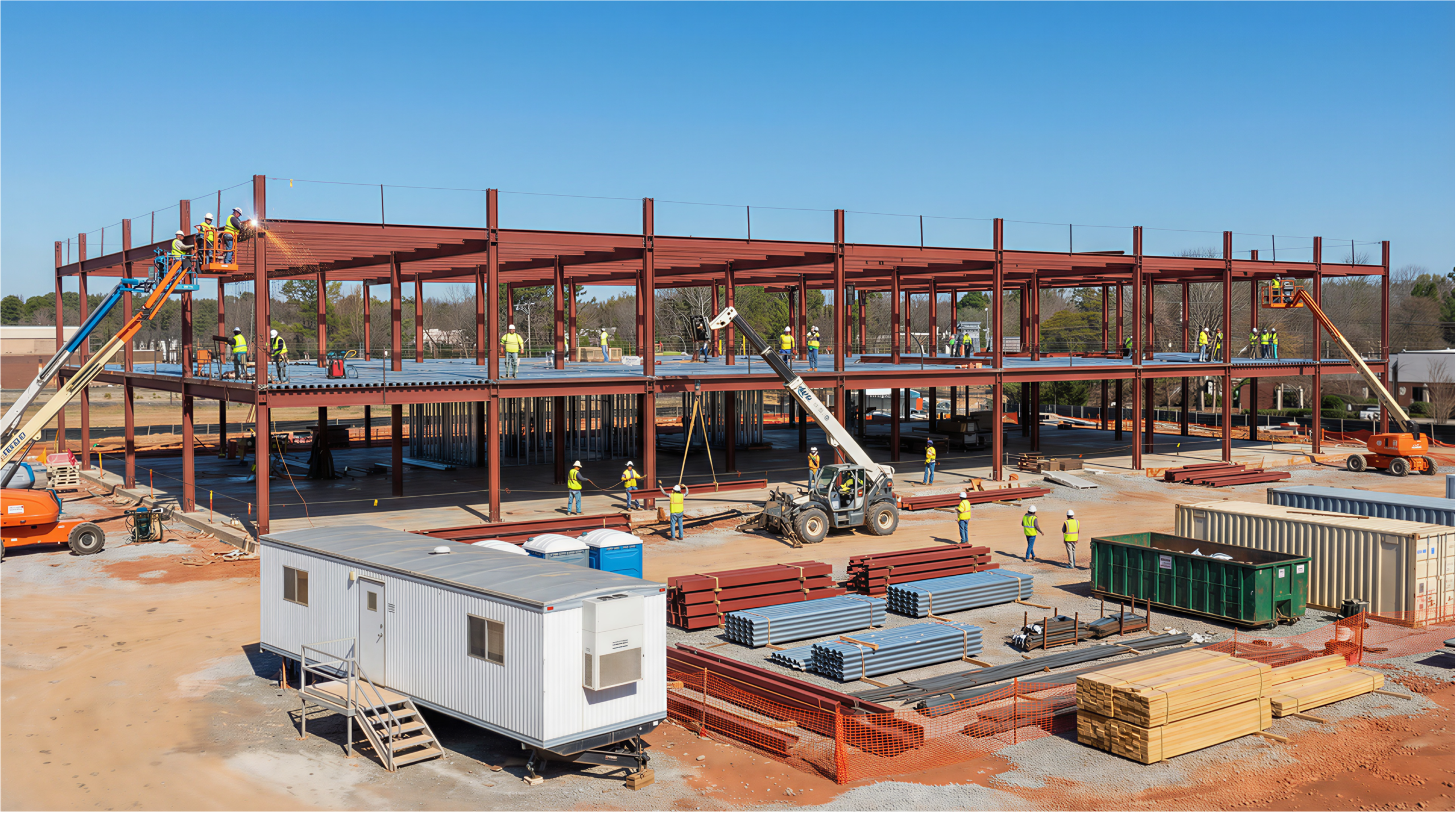
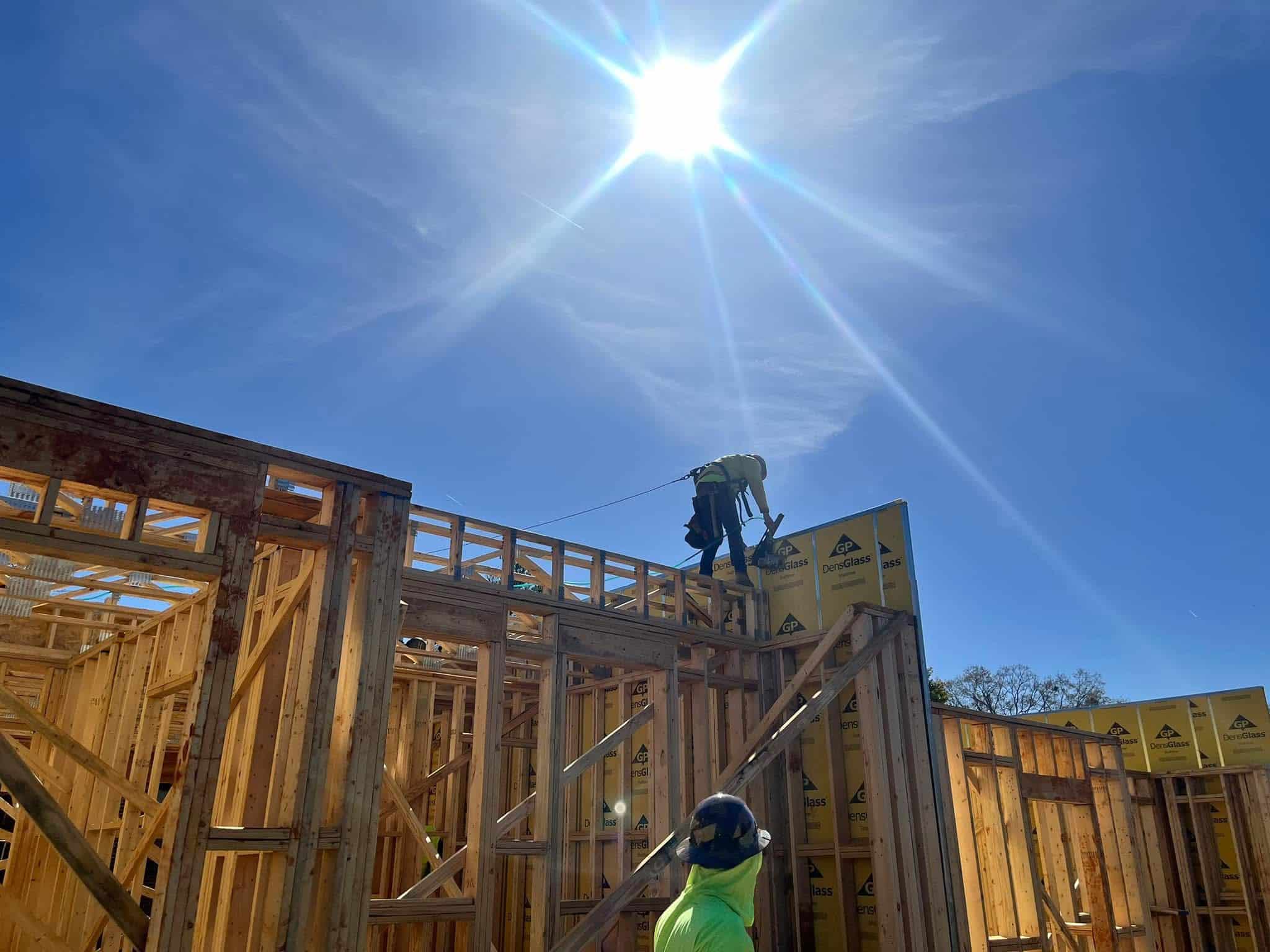
Atlanta construction jobs is a phrase that might pop up in your search bar when you're looking to hire someone to build or remodel your home. It's a pretty straightforward term, but there's a lot to unpack when it comes to finding the right people for the job and understanding the costs involved. So, let's dive in and explore what Atlanta construction jobs really means and how to navigate this world effectively.
Understanding the Scope
When you search for Atlanta construction jobs, you're essentially looking for professionals who can help you with various construction projects, from building a new home to remodeling an existing one. This could involve hiring general contractors, specialized tradespeople, or even companies that offer a range of construction services. It's important to define your project's scope before diving into the search, as this will guide your choices and help you find the right fit.
Hiring the Right Team
Finding the right construction team for your project is crucial. You'll want to do your research and ask around for recommendations. Check online reviews and ask friends or family who have recently undergone similar projects. Once you have a few potential contractors or companies in mind, reach out and ask for quotes. Compare these quotes, but remember that the cheapest option isn't always the best. Look for detailed quotes that cover all aspects of the job, including materials, labor, and any potential extras.
Company Names and Reputation
Many construction businesses in Atlanta have creative names that reflect their services or location. A good business name should be memorable, unique, and give a hint about what they do. For instance, names like "Atlanta Build & Remodel" or "The Home Renovators" are straightforward and descriptive. When choosing a name for your construction business, it's essential to check its availability for registration and domain names to avoid any legal issues or confusion. Here are a few original name ideas:
- "Craftsman's Corner"
- "Build-It-Right"
- "Atlanta Home Makeovers"
- "Renovation Revolution"
- "The Construction Crew"
Construction Roles and Salaries
Atlanta construction jobs encompass a wide range of roles, from general contractors who oversee the entire project to specialized tradespeople like plumbers, electricians, and carpenters. The salaries for these roles can vary greatly depending on experience, the scope of the project, and the company's size. It's always a good idea to check online job boards and construction-specific websites to get an idea of the going rates for different roles in your area.
Industry Tools and Data
In the world of construction, tools like RSMeans can be incredibly useful. RSMeans is a cost database that provides accurate and up-to-date information on construction costs, helping contractors and clients understand the financial aspects of a project. It takes into account various factors, such as materials, labor, and escalation, which refers to the potential increase in costs over time. Using tools like RSMeans can help ensure that quotes and estimates are fair and realistic.
Big Companies vs. Small Businesses
The construction industry in Atlanta, like many places, has a mix of large companies and smaller, independent businesses. Large firms often have the resources to take on bigger projects and may have a broader range of services. They might also have more specialized equipment and a larger team. On the other hand, smaller businesses can offer a more personalized experience and may be more flexible in their approach. It's a matter of finding the right balance for your specific project and preferences.
Final Thoughts
Navigating the world of Atlanta construction jobs can seem daunting, but with the right approach and some research, you can find the perfect team for your project. Remember to define your needs, compare quotes, and don't be afraid to ask questions. Whether you're building a dream home or remodeling your bathroom, the right construction crew can make all the difference. So, take your time, do your due diligence, and you'll be on your way to a successful construction project.
Related: Understand Rust's Raid Chart: A Quick Guide
Many players dive headfirst into creating raid bases without fully understanding the rust raid chart, which often leads to some costly mistakes. This chart is your secret weapon, a simple yet powerful tool that ensures your base is not only well-designed but also efficient and, most importantly, raid-proof. It's a common misconception that the chart is only for experts; in reality, it's an accessible guide that demystifies the process of building a secure Rust base.
The Rust Raid Chart: Your Base Building Guide
The rust raid chart is an invaluable tool for any Rust player looking to design and build an efficient and well-defended base. This chart provides a visual representation of various base layouts, offering a quick reference for players to plan their own raid-resistant structures.
Common Raid Shapes and Sizes
The chart typically displays a range of base designs, each with its own unique shape and size. You'll find options like square, rectangular, and even more complex polygonal shapes. These designs are categorized by their dimensions, with standard raid sizes indicated for each.
Step-by-Step Guide to Using the Chart
To utilize the rust raid chart, follow these simple steps:
- Identify your preferred base shape and size based on your needs and available resources.
- Refer to the chart to find a suitable design. Consider factors like foundation material options, which can impact your base's durability and defense.
- Study the layout of the chosen design, noting the placement of walls, foundations, and other structures.
- Gather the required building materials and begin constructing your base, following the chart's layout as a guide.
Avoiding Misreadings and Pitfalls
While the rust raid chart is a fantastic resource, it's important to be aware of potential pitfalls. Some designs may not be suitable for all server types or playstyles. Always double-check the specific requirements and rules of your server to ensure your base complies with any restrictions.
Factors Affecting Accuracy and Real-World Use
The accuracy of the rust raid chart depends on several factors. Firstly, the chart assumes a standard set of building blocks and materials, so any variations in your game's setup may require adjustments. Additionally, the effectiveness of a base design can vary based on server population, playstyle, and the skills of fellow players.
Adapting the Chart for Your Needs
The beauty of the rust raid chart is its versatility. You can use it as a starting point and adapt the designs to fit your specific needs. Consider experimenting with different foundation materials or adjusting the layout to create unique, efficient base designs. Remember, the chart provides a framework, but your creativity and strategic thinking are key to success.
Well, there you have it! A comprehensive guide to navigating the world of rust raids and charts. We've covered the basics, compared the options, and offered some practical tips to ensure you're on the right track.
Remember, while this guide provides a solid foundation, it's always wise to double-check your specific needs and context. Exact values and formats may vary, so tailor your approach accordingly. Now, go forth and explore the vast resources on our site, where you'll find even more insights and guides to enhance your understanding and skills. Happy raiding!