

Ceiling Function Python Overview
You've landed on this blog because you're seeking a quick solution, right? Well, you're in the right place. Let's talk about my WVU Chart login. This is your gateway to accessing important information and resources as a student. Think of it as your personal digital hub, where all your academic needs are met.
Your WVU Chart login is unique to you and provides a secure way to access various online services. From checking grades to resetting your password, it's a one-stop shop. While the specifics may vary slightly depending on your role and region, the process is straightforward and reliable.
A Quick Overview of Your WVU Chart Login
Your my wvu chart login is a secure gateway to your personal student account, offering a range of services and resources. This login system ensures you can access your academic records, financial information, and other essential tools with ease and peace of mind.
Comparing Login Options and Security Measures
When it comes to logging in, you have a few options to choose from, each with its own benefits and considerations. The standard login requires your unique username and password, which should be kept confidential. For added security, you can enable two-factor authentication, which provides an extra layer of protection by requiring a code sent to your device. This is especially useful for sensitive information.
Step-by-Step Guide to Logging In
Logging into your wvu chart student portal is straightforward. Here's a simple guide:
- Go to the WVU Chart Web page and locate the login button.
- Enter your username and password. Ensure you type these correctly, as case sensitivity matters.
- If you have enabled two-factor authentication, you will receive a code via text or email. Enter this code to complete the login process.
- You should now be logged in and able to access your student account and all its features.
Common Misreadings and How to Avoid Them
One common mistake is forgetting to enable case sensitivity when creating your password. Always ensure your password includes a mix of uppercase and lowercase letters, as well as numbers and special characters if allowed. Another pitfall is forgetting to check your spam folder for the two-factor authentication code. If you don't see the code in your inbox, check your spam or junk mail folder.
Factors Affecting Login Accuracy and Security
There are a few key factors that can impact the accuracy and security of your login:
- Password Strength: A strong password is essential. Avoid using personal information or common words. Instead, opt for a unique combination of characters.
- Account Security: Regularly review your security settings and ensure your contact information is up-to-date for two-factor authentication.
- Browser and Device: Using a secure browser and device is crucial. Ensure your browser is updated and has security features enabled.
- Public Wi-Fi: Avoid logging in on public networks, as they can be less secure. Use a private or trusted network whenever possible.
- Password Guidelines: Follow the password guidelines provided by WVU. These guidelines ensure your password is complex enough to protect your account.
By considering these factors and following the step-by-step guide, you can ensure a smooth and secure login process for your my wvu chart login.
Remember, every situation is unique, so be sure to review your specific needs and double-check the details. It's always a good idea to have a reliable reference guide like this one to avoid any potential pitfalls.
Feel free to bookmark this page for future use. It's a handy resource to have at your fingertips, and it's great to know you now have a clear understanding of the process and what to expect. Stay organized and keep those charts in check!
Related: Understand Your Dog's Dental Health with a Teeth Chart
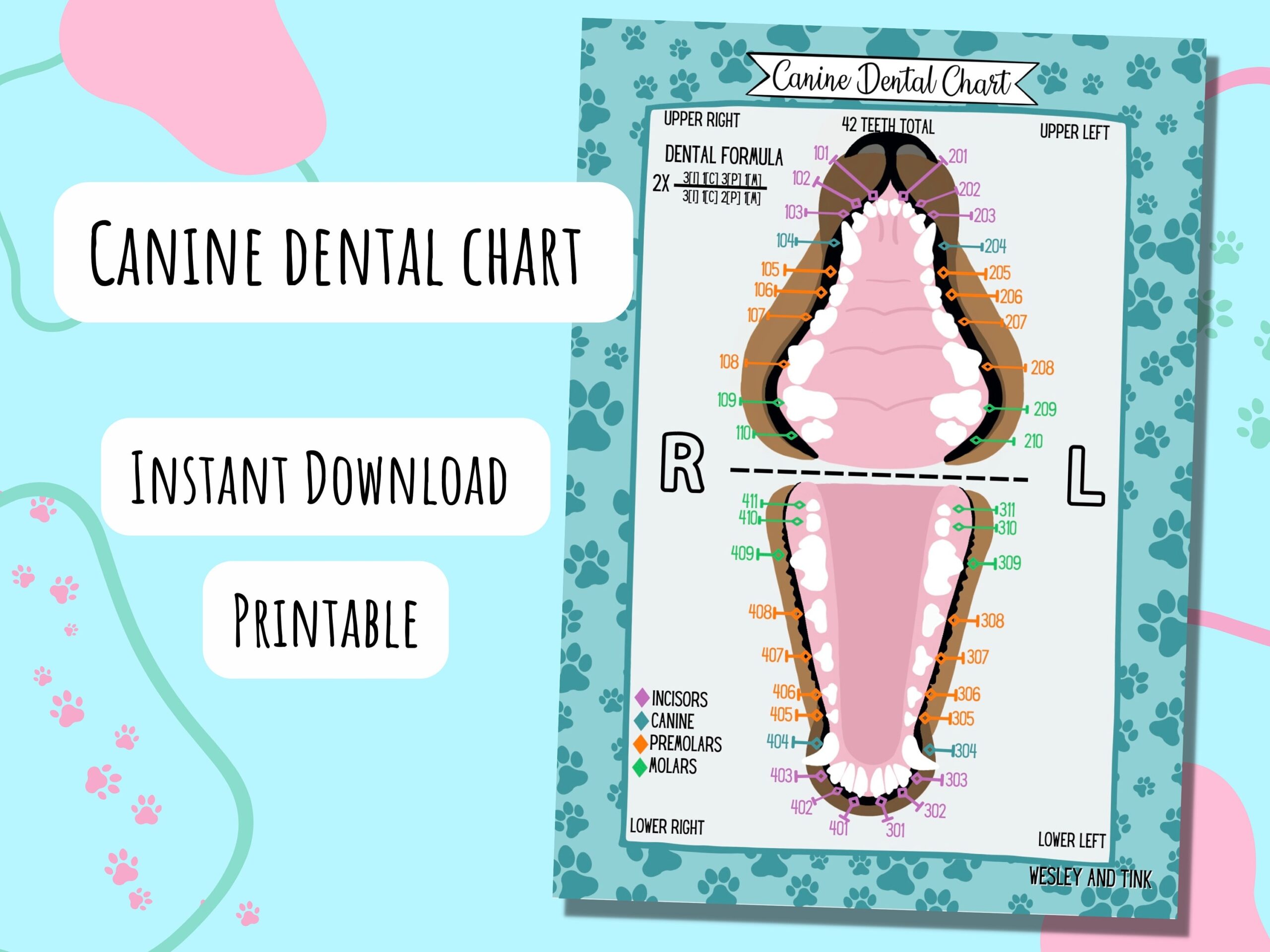
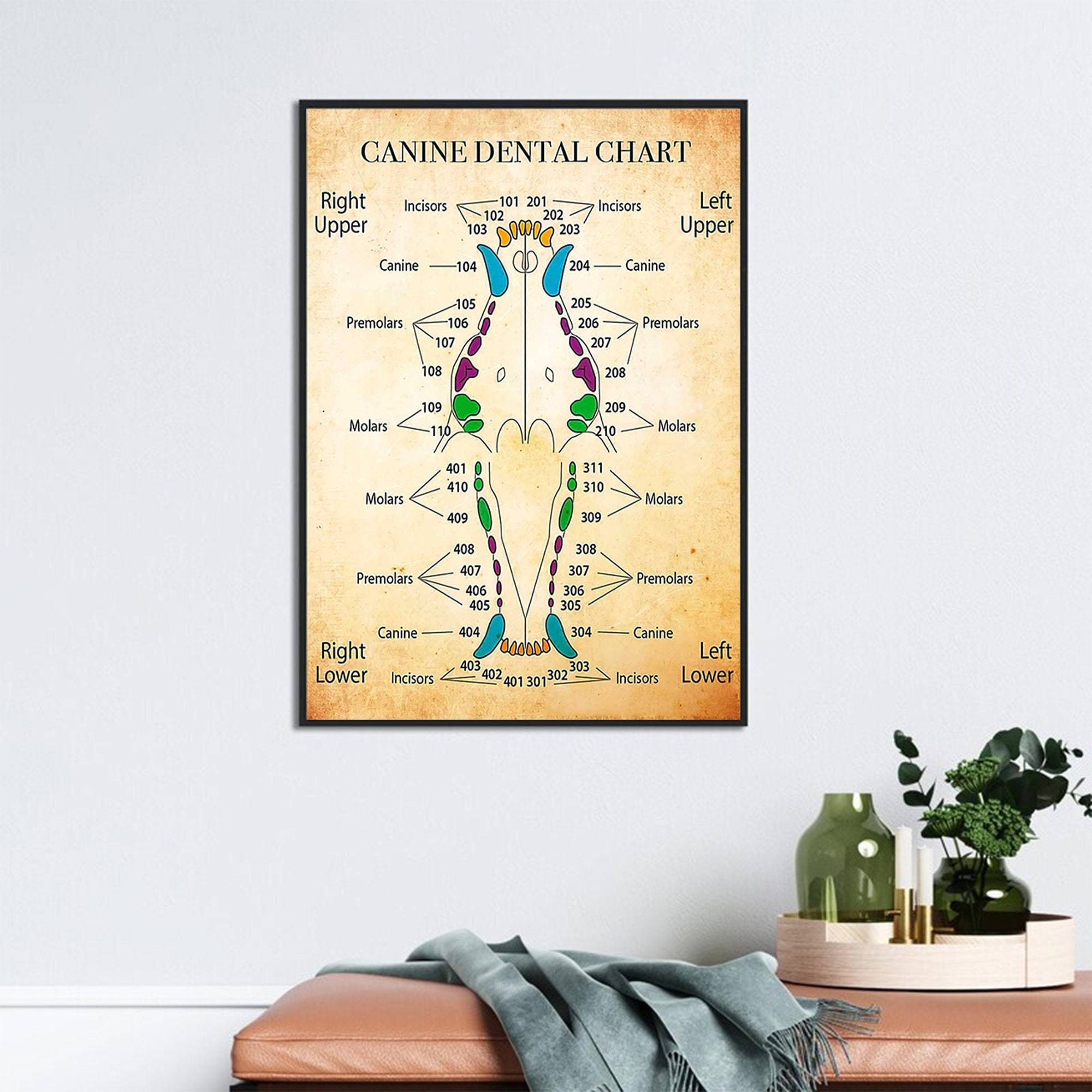
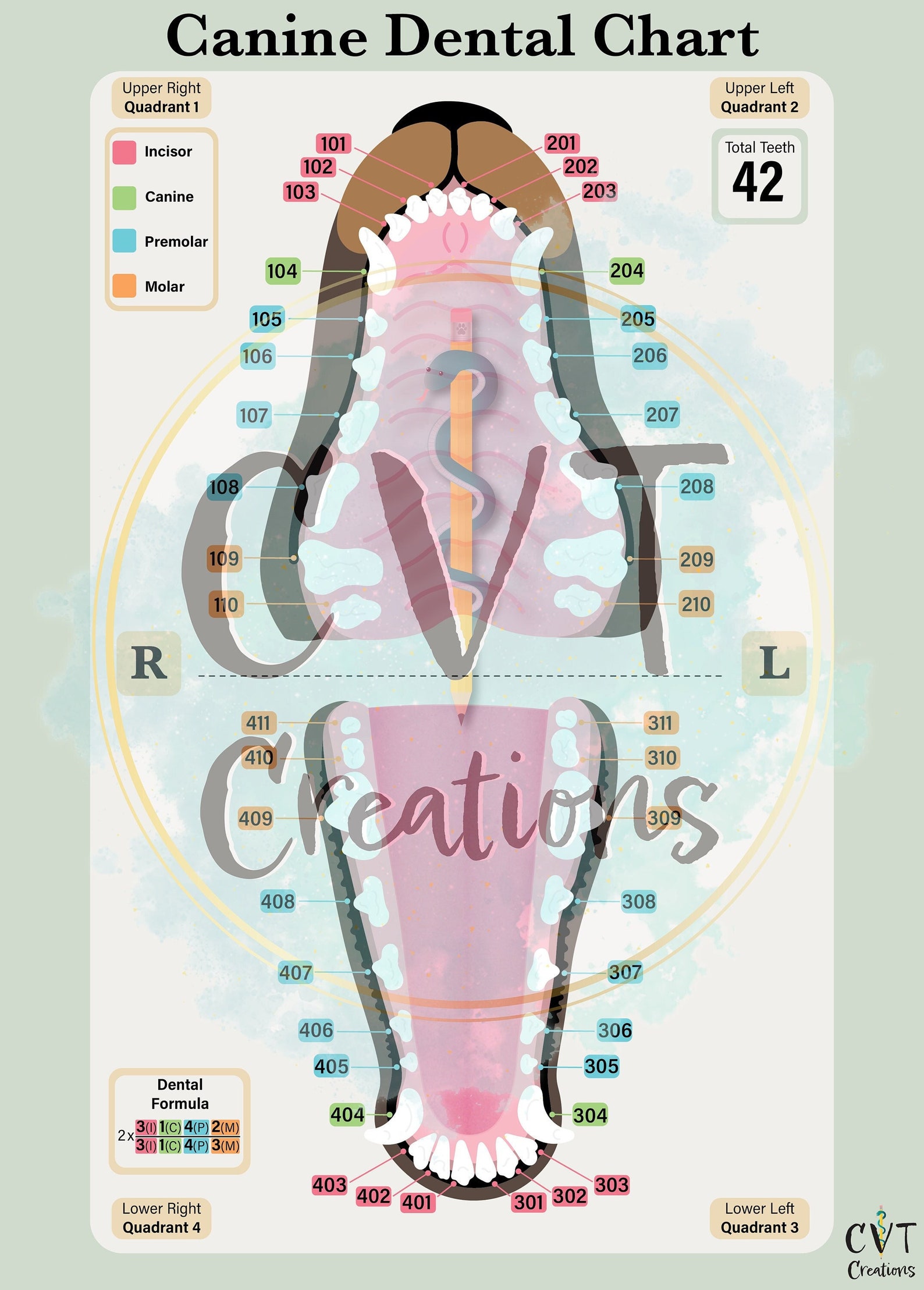
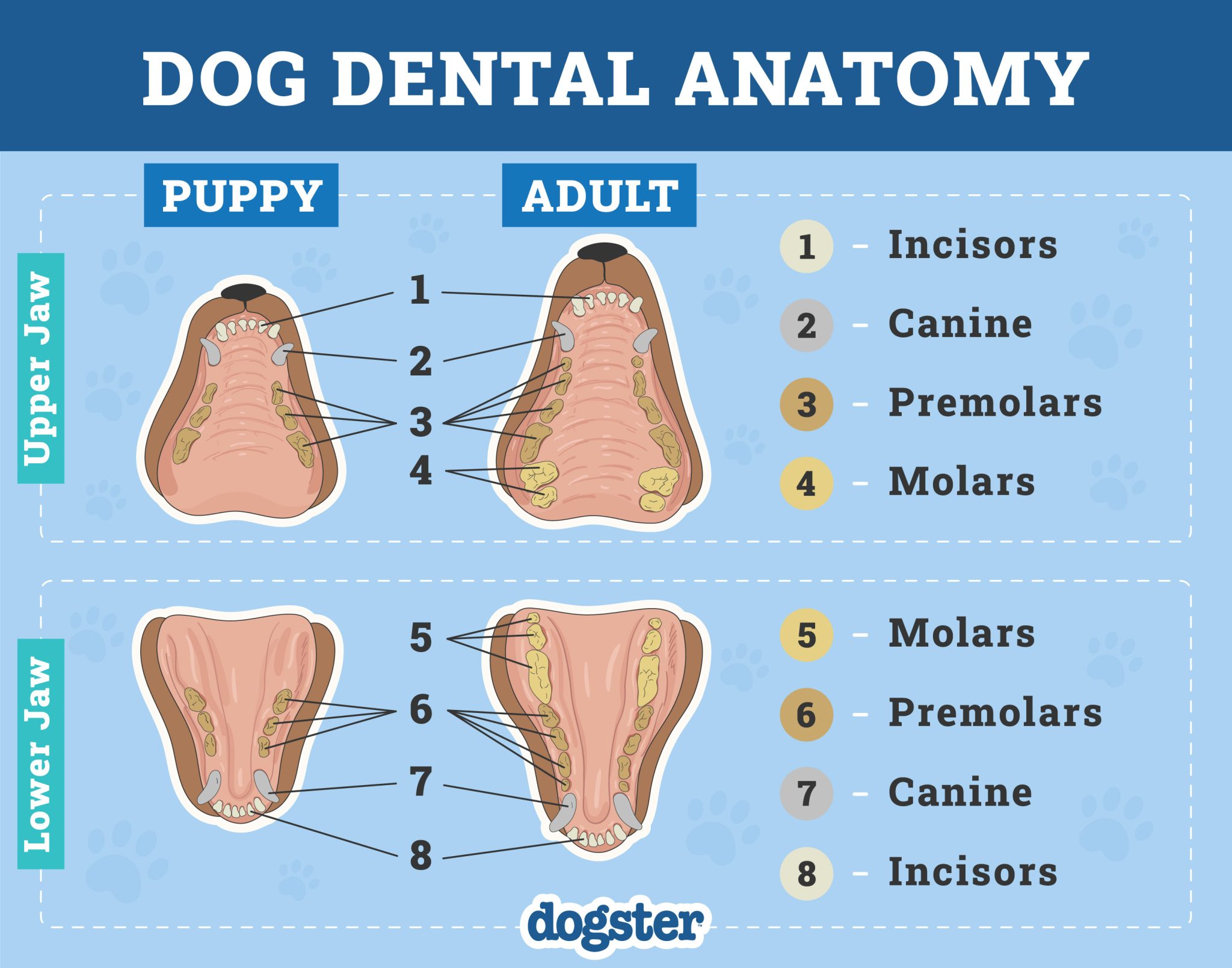
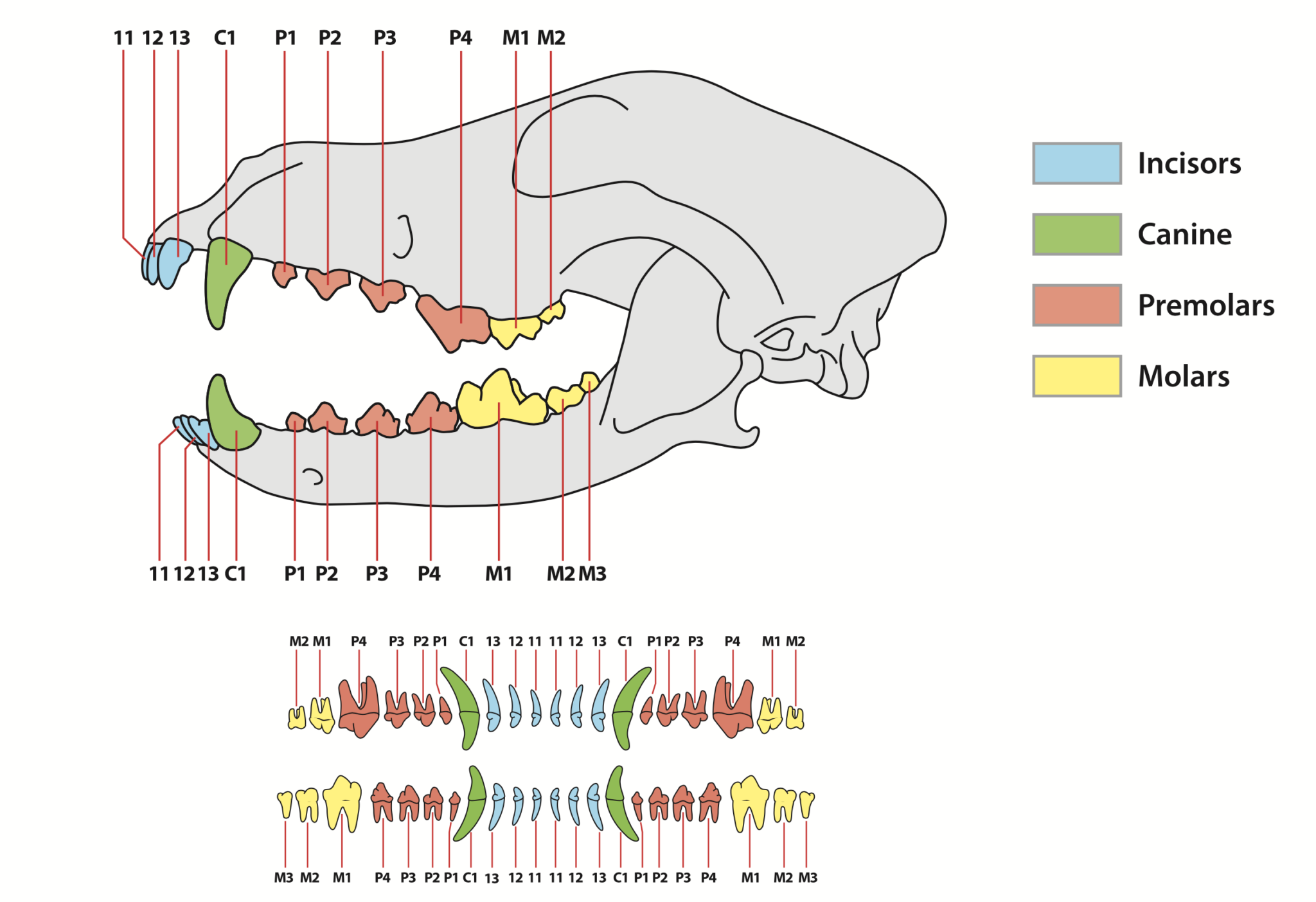
Many dog owners might assume that a dog teeth chart is a complex and intimidating tool, but it's actually a simple and incredibly useful resource. While it may seem like a foreign concept at first, this chart is a straightforward visual guide to understanding your dog's teeth. It's not as scary as it sounds! A dog teeth chart is a handy reference, offering a clear layout of your pup's dental structure, and it can vary slightly depending on the source.
Understanding the Dog Teeth Chart: A Practical Overview
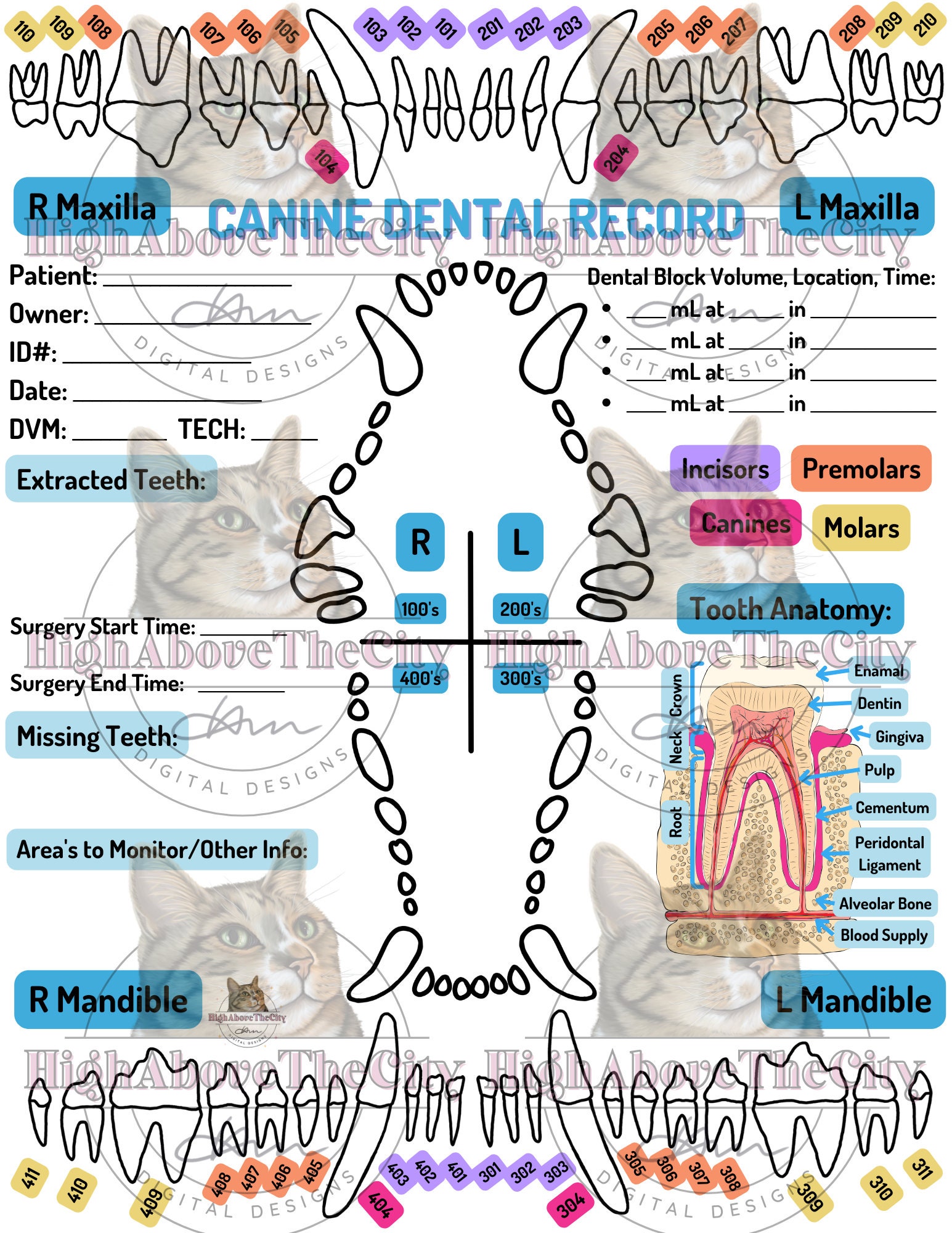
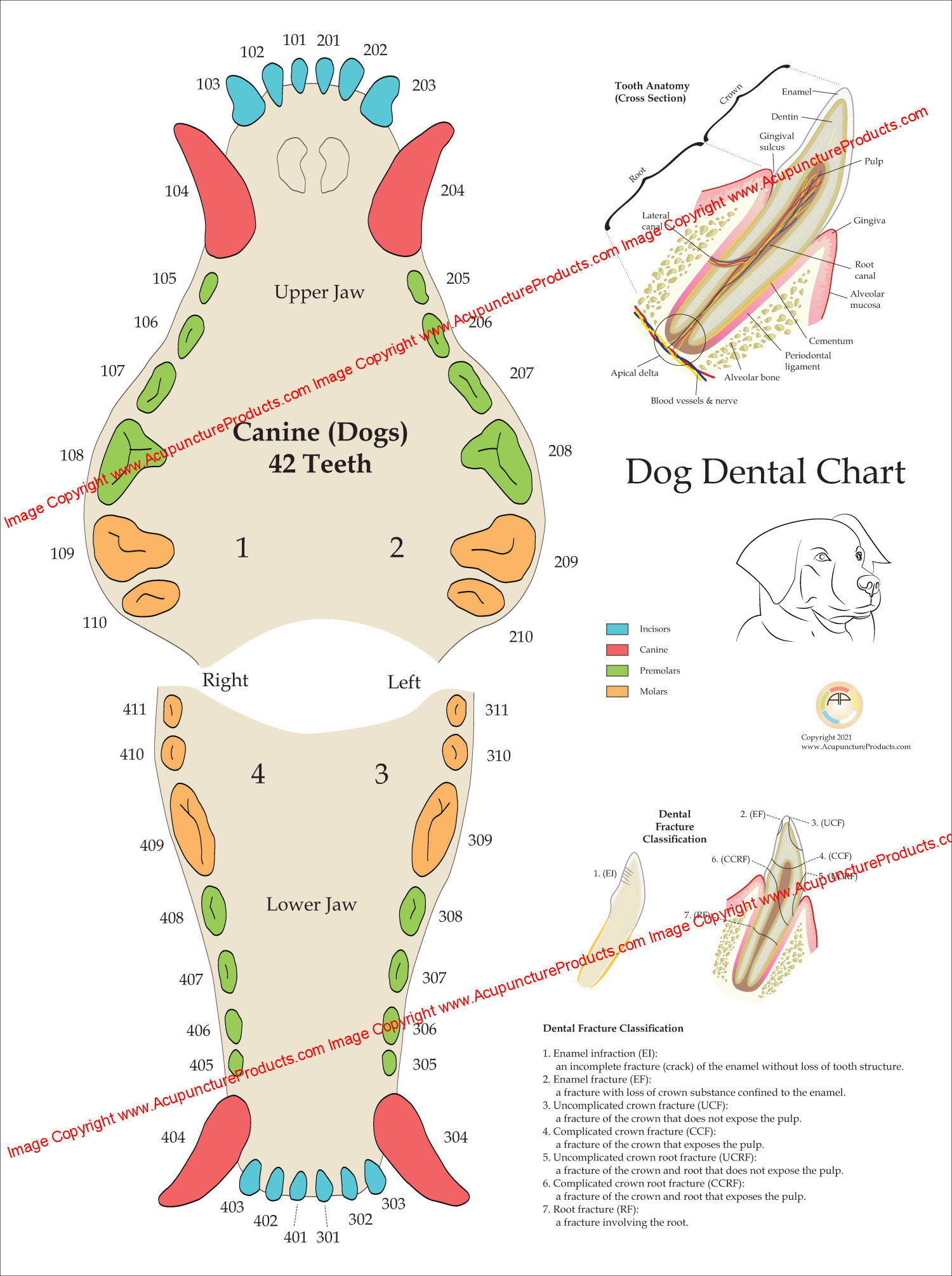
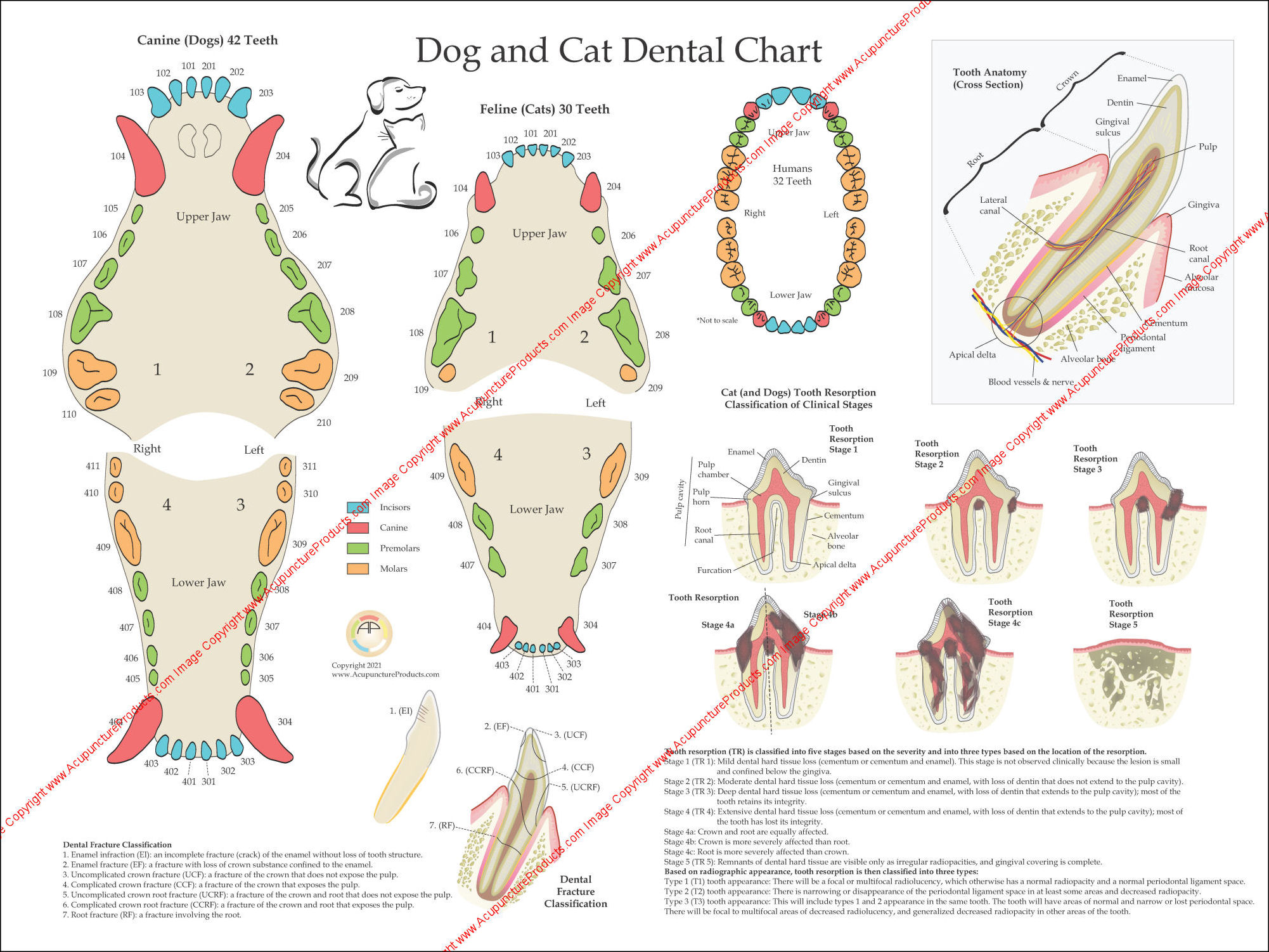
The dog teeth chart is a handy reference tool for dog owners and veterinary professionals. It provides a visual representation of a dog's dental anatomy, offering insights into tooth positions, types, and development. This chart is an essential guide for anyone looking to maintain their furry friend's oral health.
Comparing Chart Formats and Standards
Dog teeth charts come in various formats, but the most common ones follow either the international or US standard. These standards dictate the tooth numbering system, ensuring consistency across veterinary practices. The international standard uses a three-digit system, while the US standard employs a simpler two-digit approach. Both systems have their merits, and it's crucial to know which standard your chart follows to interpret it accurately.
Step-by-Step Guide to Reading the Chart
Reading a dog teeth chart is straightforward once you know the basics. Here's a simple guide:
- Identify the tooth type: The chart typically categorizes teeth into incisors, canines, premolars, and molars. Each tooth type has a unique shape and function.
- Locate the tooth position: The chart displays teeth in their correct positions within the dog's mouth. Understand the left and right sides and the upper and lower jaws.
- Read the tooth notation: Each tooth has a specific notation, following the chosen standard. For instance, the international standard might label an upper right incisor as "101," while the US standard would use "UR1."
- Interpret the tooth's development: The chart often includes information on tooth eruption, showing when permanent teeth replace milk teeth. This is vital for monitoring a dog's dental development.
Avoiding Common Misreadings
Misinterpreting a dog teeth chart can lead to incorrect dental care. Here are some common pitfalls:
- Mixing up left and right sides: Always double-check the chart's orientation to ensure you're treating the correct side.
- Confusing tooth types: Incisors, canines, and premolars can look similar. Pay attention to their unique characteristics and positions.
- Ignoring the standard: Different standards use different notations. Ensure you're familiar with the one your chart follows.
- Assuming universal applicability: While charts provide a general guide, some breeds may have unique dental characteristics. Always consult a veterinarian for breed-specific advice.
Factors Affecting Accuracy
Several factors can influence the accuracy of a dog teeth chart:
- Breed variations: Different dog breeds have distinct dental anatomies. For instance, a Chihuahua's teeth may be smaller and more delicate than a German Shepherd's.
- Age: A dog's dental development changes over time. Puppies have milk teeth, which are replaced by permanent ones as they grow.
- Dental anomalies: Some dogs may have extra or missing teeth, impacted teeth, or other dental abnormalities. These cases require specialized attention.
- Standard variations: As mentioned, different standards exist. Always confirm the standard your chart follows to avoid confusion.
Choosing the Right Chart for Your Needs
When selecting a dog teeth chart, consider your specific requirements:
- Breed-specific charts: If you own a unique breed, opt for a chart tailored to that breed's dental characteristics.
- Age-appropriate charts: For puppies or senior dogs, choose charts designed for their specific dental stages.
- Specialized charts: Some charts focus on specific dental issues, like tooth extraction or orthodontic treatment. Select one relevant to your dog's needs.
- Digital vs. physical charts: Digital charts offer convenience, while physical charts provide a tangible reference. Choose based on your preference and accessibility.
Maintaining Reliable References
To ensure the accuracy and reliability of your dog teeth chart setup:
- Regularly update your chart: Dental science evolves, and new research may impact tooth identification and care. Stay informed and update your chart as needed.
- Consult professionals: Veterinarians and dental specialists are valuable resources. Seek their advice to ensure you're using the most appropriate and up-to-date charts.
- Double-check measurements: When in doubt, verify tooth measurements and positions with a trusted source. Accuracy is crucial for effective dental care.
- Keep a record: Maintain a log of your dog's dental history, including any anomalies or treatments. This record will help you track progress and identify potential issues.
Hey there, dog lovers! We hope this guide has given you a clear understanding of dog teeth charts and how to use them effectively. Remember, while we've covered the basics, the specifics can differ slightly, so always double-check your sources.
Feel free to bookmark this page for future reference; it's always handy to have a quick reminder when you need it. And don't forget to explore our other guides for more practical tips and tricks! We've got you covered.
Related: How to use the Redken color chart?
You're likely here because you need a quick reference for the color chart Redken offers, a go-to resource for anyone seeking precise hair color guidance. This chart, a trusted tool, provides a straightforward visual guide, helping you navigate the world of hair coloring with ease. It's a simple yet effective way to ensure you achieve the desired shade and tone, whether you're a professional stylist or a home user. With various formats available, from guides to wheels, Redken's color system ensures accuracy and consistency, making it a popular choice for those seeking reliable hair color results.
The Redken Color Chart: A Guide to Hair Color Mastery
The Redken color chart is an essential tool for hair professionals and enthusiasts alike, offering a systematic approach to understanding and achieving desired hair colors. This chart serves as a visual reference, helping you navigate the vast world of hair coloring with precision and confidence.
Key Details and Categories
The Redken color chart typically features a range of hair color options, organized into different levels and tones. These levels indicate the depth or lightness of the color, often ranging from 1 (darkest) to 10 (lightest). Tones, on the other hand, represent the underlying hue, such as neutral, warm, or cool. Additionally, the chart may include various shades and intensities, allowing for a wide array of color possibilities.
Step-by-Step: Reading and Applying the Chart
To use the Redken color chart effectively, follow these steps:
Identify your desired hair color. Consider the level and tone you wish to achieve. For instance, a level 7 with a cool tone might be a vibrant, icy blonde.
Locate the corresponding color on the chart. Redken's charts often provide a visual representation, making it easy to find the right shade.
Choose the appropriate product. Redken offers a range of color gel systems, like Color Fusion or Shades EQ, each with its own unique properties. Select the one that best suits your needs and the level of color change desired.
Follow the product instructions. Each system has specific application and processing times, so ensure you understand these steps to achieve the best results.
Monitor the color development. During the processing time, keep an eye on the color change to ensure you achieve the desired result.
Variations and Differences
It's important to note that hair color results can vary based on several factors. These include the natural hair color and texture, previous color treatments, and even the porosity of the hair. Additionally, different standards and regions may have slight variations in their color charts and product offerings. Always refer to the specific instructions and charts provided by Redken for your region to ensure accuracy.
Common Mistakes and How to Avoid Them
One common mistake is failing to perform a strand test before a full application. This simple step can prevent unexpected results and ensure the color is as expected. Another pitfall is not considering the underlying tone of the hair. For instance, a warm-toned hair may require a different approach than a cool-toned hair to achieve the desired result. Always consult the Redken color chart guide and seek professional advice if needed.
Practical Tips for Accurate Results
To achieve natural-looking results, consider the following tips:
Understand your hair's undertones. Redken's hair color wheel can be a useful tool to identify these.
Start with a lighter level and gradually build up to your desired shade. This approach helps prevent over-processing and ensures a more natural transition.
Use color mixing techniques to create custom shades. Redken's color gel chart provides a guide for mixing different colors.
Maintain regular touch-ups to keep your color fresh and vibrant.
Double-Checking and Handling Exceptions
Always double-check the product instructions and the Redken color chart for your specific region. Some hair types may require special considerations, such as pre-lightening or toning, to achieve the desired color. Consult a professional colorist if you're unsure or encounter any challenges.
Remember, the Redken color chart is a valuable resource, but it's just one tool in your hair coloring journey. With practice and an understanding of your hair's unique characteristics, you can master the art of hair coloring and achieve stunning results.
Remember, the specifics may differ slightly, so always refer to the most relevant and up-to-date sources for your particular needs.
Feel free to explore our other guides for more practical insights and tips. Consider bookmarking this page for a handy reference guide whenever you need a quick refresher on color charts and their applications.