










Celestial Dew Elden Ring Overview
"Hmm, I need to find a good general contractor for my home renovation. Any ideas on where to start?"
Understanding General Contractor Names
When you're planning a construction project, whether it's a new build or a renovation, one of the first steps is finding the right general contractor. General contractor names can be a bit of a mystery, but it's an important part of the process. These names are like a window into the company's identity and can give you a sense of their expertise and reputation.
So, how do you go about finding and choosing the right one? Well, it's not just about the name, but what it represents. A good general contractor will have a solid team, the right skills, and a track record of successful projects.
Choosing the Right Contractor
When you're searching for a general contractor, it's essential to do your research. Look for companies with a strong online presence and read reviews from previous clients. Check their portfolio to see if they've worked on similar projects to yours. You want to ensure they have the necessary experience and can handle the scope of your job.
Ask for references and contact previous clients to get an honest opinion on the contractor's work. It's also a good idea to meet with the contractor in person to discuss your project and get a feel for their communication style and approach.
Pricing and Quotes
One of the biggest concerns when hiring a general contractor is the cost. Pricing can vary greatly depending on the scope of the project, materials, and labor costs. It's crucial to get several written quotes to compare and ensure you're getting a fair deal.
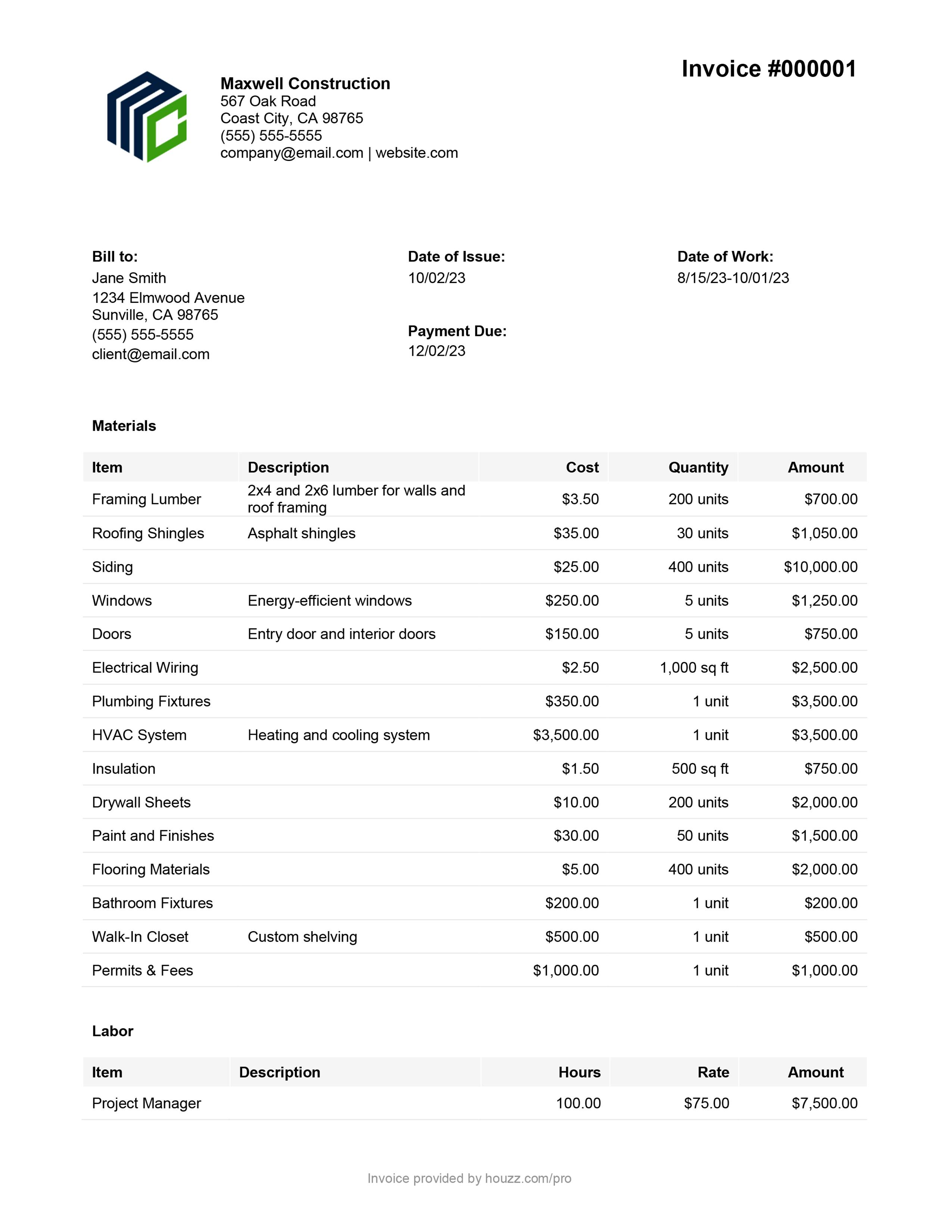
When comparing quotes, look beyond the bottom line. Consider what's included in the price, the timeline, and any potential hidden costs. A detailed, itemized quote is often a good indicator of a professional and transparent contractor.
Naming Your Construction Business
If you're in the construction business, choosing a name for your company is a big decision. It's your brand and can impact how potential clients perceive you. A good name should be memorable, unique, and reflect your company's values and services.
Here are a few name ideas to get you started:
- BuildCraft
- HomeRemodel Pros
- Constructive Solutions
- Renova
- The Build Team
- Crafted Spaces
Remember, before settling on a name, check its availability for domains and local registration to avoid any legal issues down the line.
Industry Tools and Data
In the construction industry, tools like RSMeans can be valuable resources. RSMeans provides cost data and estimating tools, helping contractors and clients understand the financial aspects of a project. It's a great way to ensure accurate pricing and manage expectations.
The Construction Industry
The construction industry is diverse, with companies of all sizes. Larger firms often have the resources to take on bigger projects and may specialize in certain areas. Smaller companies can offer a more personalized service and may be more flexible with pricing.
Wrapping Up
Finding the right general contractor is a crucial step in any construction project. It's all about research, comparing quotes, and understanding what you want and need. Remember, the name is just the beginning; it's the company's reputation and expertise that truly matter.
So, take your time, do your due diligence, and you'll be on your way to a successful construction project. Good luck!
Related: Uncover the Secrets of a Chord Chart Piano
A common misconception about chord chart piano is that it's a complex and daunting tool, but in reality, it's a simple and incredibly useful resource for any pianist. This chart, often a pianist's best friend, is a straightforward guide, offering a visual representation of chords and their formations. While the format may vary, the essence remains the same: a quick reference for pianists to navigate and understand chord progressions and music notation with ease.
Understanding Chord Chart Piano: A Quick Overview
A chord chart piano is a valuable tool for musicians, offering a visual representation of chord structures and their corresponding finger positions on the piano. This chart acts as a quick reference guide, aiding pianists in playing various chords efficiently. It displays the piano keys and indicates where your fingers should be placed to form specific chords.
Comparing Common Chord Chart Formats
There are several formats for chord chart piano, each with its own advantages. The most common formats include:
Standard Notation: This traditional method uses symbols and notes to represent chords. It provides a comprehensive view of chord structure but can be complex for beginners.
Piano Chord Diagram: A simpler approach, often used for beginners, shows the piano keys and finger positions for each chord. It's an easy-to-read visual guide.
Chord Symbol Notation: A concise format using letters, numbers, and symbols to represent chords. While quick to read, it may require some familiarity to interpret accurately.
Step-by-Step Guide: Reading and Using a Chord Chart Piano
Follow these steps to effectively read and utilize a chord chart piano:
Identify the Chord: Start by locating the chord you want to play. Chord charts often list chords alphabetically or by their function in a song.
Find the Diagram: Look for the corresponding diagram or symbol representing the chord. This will show the finger positions and keys involved.
Place Your Fingers: Position your fingers according to the diagram. Ensure your fingers are correctly placed on the indicated keys.
Strum or Play: Once your fingers are in position, strum or play the chord. Adjust your fingers slightly if needed to achieve a clear, harmonious sound.
Practice and Memorize: Repeat this process for different chords. With practice, you'll memorize common chord shapes and positions, making playing smoother and faster.
Avoiding Common Misreadings and Pitfalls
To ensure accurate interpretation, watch out for these common misreadings:
Chord Chart Piano Variations: Different charts may use slightly different symbols or notations. Always refer to the legend or key provided with the chart to understand the specific symbols used.
Major and Minor Chords: Distinguish between major and minor chords, as their finger positions can be similar but result in different sounds. Pay attention to the chord symbol or diagram to ensure you're playing the correct type.
Finger Positioning: Ensure your fingers are correctly placed on the keys. Misplaced fingers can result in an incorrect chord or a dissonant sound.
Factors Affecting Accuracy and Real-World Use
Several factors can influence the accuracy and practicality of using a chord chart piano:
Instrument Type: While these charts are designed for pianos, they can also be adapted for other keyboard instruments. However, the finger positions may vary slightly due to differences in key sizes and layouts.
Chord Progressions: In real-world playing, you'll often encounter chord progressions, where chords change rapidly. Practicing and memorizing common progressions will help you transition smoothly between chords.
Advanced Chord Techniques: As you advance, you may encounter more complex chords and techniques. Some charts may not cover these, so you might need to refer to more specialized resources.
Choosing the Right Chord Chart Format for Your Needs
Select the most suitable chord chart piano format based on your skill level and goals:
Beginners: Opt for a piano chord diagram or a chart with simple, easy-to-understand symbols. These provide a clear visual guide without overwhelming complexity.
Intermediate Players: Consider a chart that offers a balance between simplicity and detail. Look for charts that include both chord symbols and diagrams, providing a quick reference for common chords.
Advanced Musicians: Choose a comprehensive chart with a wide range of chords and variations. These charts often include advanced techniques and less common chord structures.
Keeping Your Reference Reliable for Future Use
To ensure your chord chart piano remains a reliable reference:
Regular Practice: Consistent practice is key. The more you use the chart, the more familiar you'll become with chord shapes and positions, reducing the need for constant reference.
Update and Expand: As your skills progress, consider updating your chart or adding new sections for advanced chords and techniques. This keeps your reference relevant and useful.
Digital vs. Physical: Digital charts offer convenience, but physical charts can be more durable and easier to reference quickly during live performances. Consider having both for different scenarios.
Chord charts are a fantastic tool, and it's great to have a solid understanding of how to use them effectively. Remember, the exact details may differ slightly based on your specific needs and the resources you're working with, so adapt and customize as you see fit.
There's a wealth of knowledge to explore in the world of music, and we've got plenty of guides to help you along the way. Feel free to browse our other resources; you might find some hidden gems to enhance your musical journey!
Related: Understand the Band Seating Chart
A band seating chart can often be a source of confusion, especially for those new to the world of live music and performance. While it may seem like a simple diagram, there's more to it than meets the eye! This chart is a crucial tool for musicians and organizers, offering a clear layout of the stage and ensuring everyone knows their place. It's not just about seating; it's a map for a smooth performance.
Understanding the Layout: Band Seating Chart Basics
A band seating chart is a visual representation of how a band or orchestra is arranged on stage. It's a practical tool for musicians, conductors, and venue staff to ensure everyone knows their position and the overall stage setup. This chart provides a clear layout, helping to avoid confusion and ensure a smooth performance.
Common Configurations and Standards
There are various ways to arrange a band, and the seating chart reflects these differences. The most common configurations include the traditional orchestra layout, where instruments are grouped by family, and the modern band setup, which often features a more flexible and dynamic arrangement. These charts typically use standard symbols and labels to represent instruments and their positions, making them easily readable and adaptable.
Practical Tips for Placement: A Step-by-Step Guide
- Start by identifying the stage dimensions and the desired seating capacity. This will help determine the overall layout and the number of rows or sections needed.
- Place the conductor or lead vocalist at the center, ensuring they have a clear view of the entire band and can effectively lead the performance.
- Group instruments by family or section. For example, place all the string instruments together, followed by woodwinds, brass, and percussion. This traditional arrangement ensures a balanced sound and makes it easier for musicians to communicate and interact during the performance.
- Consider the size and shape of each instrument when positioning them. Larger instruments, like the double bass or tuba, may require more space, so plan accordingly to avoid overcrowding.
- Leave sufficient space between sections to allow for movement and ensure a comfortable playing environment. This is especially important for performances involving dance or energetic movements.
Avoiding Misreadings and Common Pitfalls
While band seating charts are a useful tool, it's important to remember that they are a general guide. Variations may occur based on the specific performance requirements, the venue's unique layout, or even the conductor's preferences. Always double-check the exact specifications and tolerances, especially when dealing with non-standard instruments or unconventional setups. Misreading a chart can lead to confusion and potential issues during the performance, so it's crucial to communicate and clarify any deviations from the standard layout.
Hey there, band seating charts are a handy tool and it's great to have a basic understanding of the process. Remember, the exact details might differ slightly based on your specific needs and the standards you follow. It's always a good idea to refer to the relevant guidelines and adapt them to your situation.
Feel free to explore our other guides; we've got a range of topics covered to help you with your musical adventures. There's always something new to learn, so keep an eye out for our latest posts!