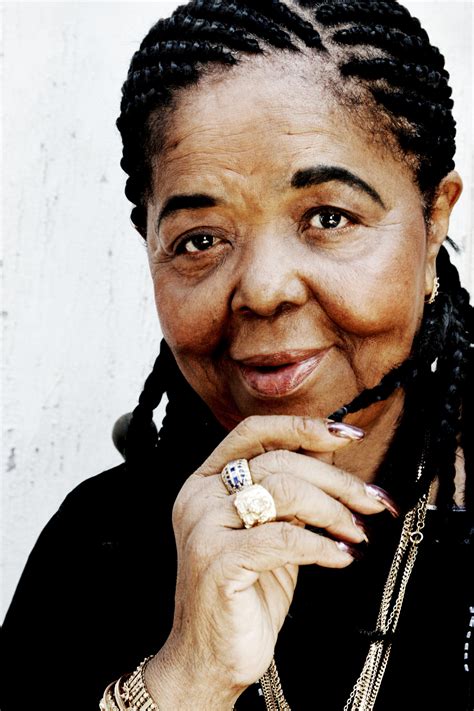
The soulful melodies of Cesaria Evora, a voice that has captivated audiences worldwide with its unique blend of sadness and longing. Born on August 27, 1941, in Mindelo, Cape Verde, Evora’s life was a testament to the power of music to transcend borders and cultures. Her distinctive voice, often described as a warm, soulful contralto, was capable of conveying the deepest emotions, from the sorrow of lost love to the joy of newfound freedom.
Evora’s music was deeply rooted in the traditions of Cape Verde, a collection of islands off the coast of West Africa. The country’s strategic location made it a crossroads for various cultures, and its music reflects this diversity. Evora’s style, known as “morna,” is a unique blend of African, Portuguese, and Brazilian influences, characterized by soulful melodies and poignant lyrics. Morna is often described as the “blues” of Cape Verde, and Evora was its most celebrated exponent.
One of the defining features of Evora’s music was her ability to convey emotion through her voice. Her singing style was characterized by a sense of restraint, as if she was holding back her emotions, only to release them in bursts of intense feeling. This restraint gave her music a sense of intimacy, as if she was sharing secrets with the listener. Her voice was also remarkably expressive, capable of conveying a wide range of emotions, from the deepest sorrow to the most joyful elation.
Evora’s rise to fame was a gradual one. She began singing in local bars and clubs in Mindelo, where she was discovered by a French singer, who invited her to perform in Paris. Her first album, “La Diva Aux Pieds Nus” (The Barefoot Diva), was released in 1988, but it was her 1992 album, “Miss Perfumado,” that brought her international recognition. The album’s success was fueled by the hit single, “Sodade,” a beautiful, melancholic ballad that showcased Evora’s unique vocal style.
Over the course of her career, Evora released several critically acclaimed albums, each one exploring different aspects of Cape Verdean music. Her 1995 album, “Voz d’Amor,” featured a more experimental approach, incorporating elements of jazz and world music. The album was a commercial success, and it helped to establish Evora as a major figure in world music.
Evora’s music was not only a reflection of her own experiences but also a testament to the resilience and creativity of the Cape Verdean people. The country’s history is marked by colonization, slavery, and poverty, but its music is a celebration of life, love, and freedom. Evora’s songs often dealt with themes of love, loss, and longing, but they also conveyed a sense of hope and optimism.
In addition to her musical talents, Evora was also known for her charismatic stage presence. She was a mesmerizing performer, capable of captivating audiences with her unique blend of elegance and humility. Her live shows were often described as spiritual experiences, with Evora’s voice transporting the audience to a world of beauty and emotion.
Evora’s legacy extends far beyond her own music. She was a pioneer for Cape Verdean music, paving the way for future generations of musicians. Her music also helped to promote cultural understanding and exchange, introducing audiences around the world to the rich musical heritage of Cape Verde.
In recent years, Evora’s music has experienced a resurgence in popularity, with a new generation of fans discovering her unique sound. Her influence can be heard in the music of artists such as Angelique Kidjo, Youssou N’Dour, and Salif Keita, all of whom have been inspired by Evora’s pioneering work.
As we reflect on Evora’s life and music, we are reminded of the power of art to transcend borders and cultures. Her unique voice and style have left an indelible mark on the world of music, and her legacy will continue to inspire future generations of musicians and fans.
FAQ Section
What is the significance of Cesaria Evora's music in Cape Verdean culture?
+Cesaria Evora's music is a celebration of Cape Verdean culture, reflecting the country's unique blend of African, Portuguese, and Brazilian influences. Her style, known as "morna," is a unique blend of soulful melodies and poignant lyrics, often described as the "blues" of Cape Verde.
How did Cesaria Evora's music gain international recognition?
+Cesaria Evora's music gained international recognition through her album "Miss Perfumado," released in 1992. The album's success was fueled by the hit single "Sodade," a beautiful, melancholic ballad that showcased Evora's unique vocal style.
What is the significance of Cesaria Evora's legacy in the world of music?
+Cesaria Evora's legacy is a testament to the power of music to transcend borders and cultures. Her unique voice and style have left an indelible mark on the world of music, inspiring future generations of musicians and fans. Her music has also helped to promote cultural understanding and exchange, introducing audiences around the world to the rich musical heritage of Cape Verde.
How has Cesaria Evora's music influenced other artists?
+Cesaria Evora's music has influenced a wide range of artists, including Angelique Kidjo, Youssou N'Dour, and Salif Keita. Her unique style and sound have inspired a new generation of musicians, and her legacy continues to be felt in the world of music.
What is the significance of Cesaria Evora's music in promoting cultural understanding and exchange?
+Cesaria Evora's music has played a significant role in promoting cultural understanding and exchange. Her unique sound and style have introduced audiences around the world to the rich musical heritage of Cape Verde, and her music has helped to break down cultural barriers and promote cross-cultural understanding.
In conclusion, Cesaria Evora’s music is a testament to the power of art to transcend borders and cultures. Her unique voice and style have left an indelible mark on the world of music, and her legacy will continue to inspire future generations of musicians and fans. As we reflect on her life and music, we are reminded of the importance of cultural exchange and understanding, and the role that music can play in promoting these values.