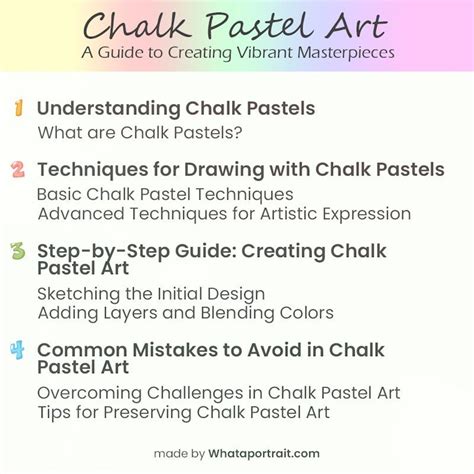
The world of art is a diverse and ever-evolving realm, with various mediums and techniques that artists can explore to express their creativity. Among these, chalk pastel art stands out as a unique and captivating medium that offers a wide range of possibilities for artistic expression. Chalk pastels, with their vibrant colors and soft textures, provide an ideal means for artists to create stunning and delicate masterpieces that can evoke powerful emotions and capture the imagination of viewers.
Introduction to Chalk Pastel Art
Chalk pastel art involves using pastel sticks, which are made from pigments mixed with a binder, to create artworks on a variety of surfaces, including paper, board, and even fabric. The pastel sticks can be applied in different ways to achieve a range of effects, from soft and delicate to bold and vibrant. This versatility, combined with the expressive nature of pastels, makes chalk pastel art an attractive medium for artists of all skill levels, from beginners to seasoned professionals.
The Allure of Chalk Pastels
One of the primary reasons artists are drawn to chalk pastel art is the medium’s inherent expressiveness. Pastels allow for a level of spontaneity and immediacy that can be challenging to achieve with other art forms. The soft, powdery texture of pastels can be blended and layered to create intricate, nuanced colors and subtle shifts in tone that add depth and complexity to a piece. Furthermore, the tactile experience of working with pastels—feeling the gentle resistance of the paper as you apply the pigment—can be deeply satisfying, making the creative process not only intellectually engaging but also physically enjoyable.
Basic Techniques in Chalk Pastel Art
Mastering the basics of chalk pastel art is essential for any artist looking to explore this medium. Here are a few fundamental techniques to get you started:
- Layering: Building up layers of pastel is key to achieving rich, vibrant colors. Start with a light layer and gradually build up to achieve the desired intensity.
- Blending: Use your fingers, a tortillon (a small, blunt tool), or a blending stump to soften edges and blend colors together seamlessly.
- Hatching and Cross-Hatching: These techniques involve applying pastel in quick, expressive strokes (hatching) or layering strokes at different angles (cross-hatching) to create texture, suggest volume, and add depth to your work.
- Resist Technique: Apply a fixative or a light layer of pastel to certain areas of your work to create resistance, allowing you to build up colors in specific patterns or textures.
Tips for Beginners
For those new to chalk pastel art, here are some valuable tips to keep in mind:
- Start Simple: Begin with simple exercises like drawing basic shapes or still-life compositions to get a feel for the medium.
- Invest in Quality Materials: Good quality pastels and paper make a significant difference in the durability and appearance of your artwork.
- Practice Regularly: Like any skill, mastery of chalk pastel art comes with practice. Set aside time each week to experiment and hone your craft.
- Experiment and Take Risks: Don’t be afraid to try new techniques or step out of your comfort zone. Some of the most interesting effects in pastel art come from unexpected experiments.
Creating Vibrant Masterpieces
The essence of creating vibrant masterpieces with chalk pastels lies in understanding how to balance color, composition, and technique. Here are a few strategies to help you achieve truly stunning works:
- Color Harmony: Play with the color wheel to find harmonious color combinations that evoke the mood or atmosphere you wish to convey.
- Composition: Consider the rule of thirds, negative space, and leading lines to create compositions that engage the viewer.
- Technique Variation: Mix your techniques to add visual interest. Combine smooth blending with expressive hatching or cross-hatching to create dynamic, textured pieces.
Conclusion
Chalk pastel art offers a unique blend of expressiveness, versatility, and creativity, making it an exciting medium for artists to explore. Whether you’re a seasoned artist looking for a new challenge or a beginner seeking a creative outlet, the world of chalk pastels awaits with its vibrant colors and soft, inviting textures. With practice, patience, and a willingness to experiment, you can unlock the full potential of this captivating art form and create truly vibrant masterpieces that touch the hearts of all who see them.
One of the lesser-known secrets to mastering chalk pastel art is embracing its impermanence. Unlike other mediums, pastel artworks are more susceptible to smudging and fading. However, this ephemeral nature can also be a source of inspiration, encouraging artists to work spontaneously and capture the essence of a moment or emotion.
FAQ Section
What is the best paper for chalk pastel art?
+How do I prevent my pastel artwork from smudging?
+To prevent smudging, use a fixative spray lightly over your work as you go, especially if you’re layering colors heavily. However, be cautious not to overuse fixative, as it can alter the appearance of the pastels. For finished pieces, consider framing them under glass or using a UV-filtering acrylic to protect the artwork.