



Champagne Alcohol Percentage Overview
I was chatting with a friend the other day, and they mentioned how they wanted to do some home renovations but were overwhelmed by the costs. That got me thinking about means cost estimating and how it can help us navigate these projects. So, let's break it down and see what it's all about!
Understanding Means Cost Estimating
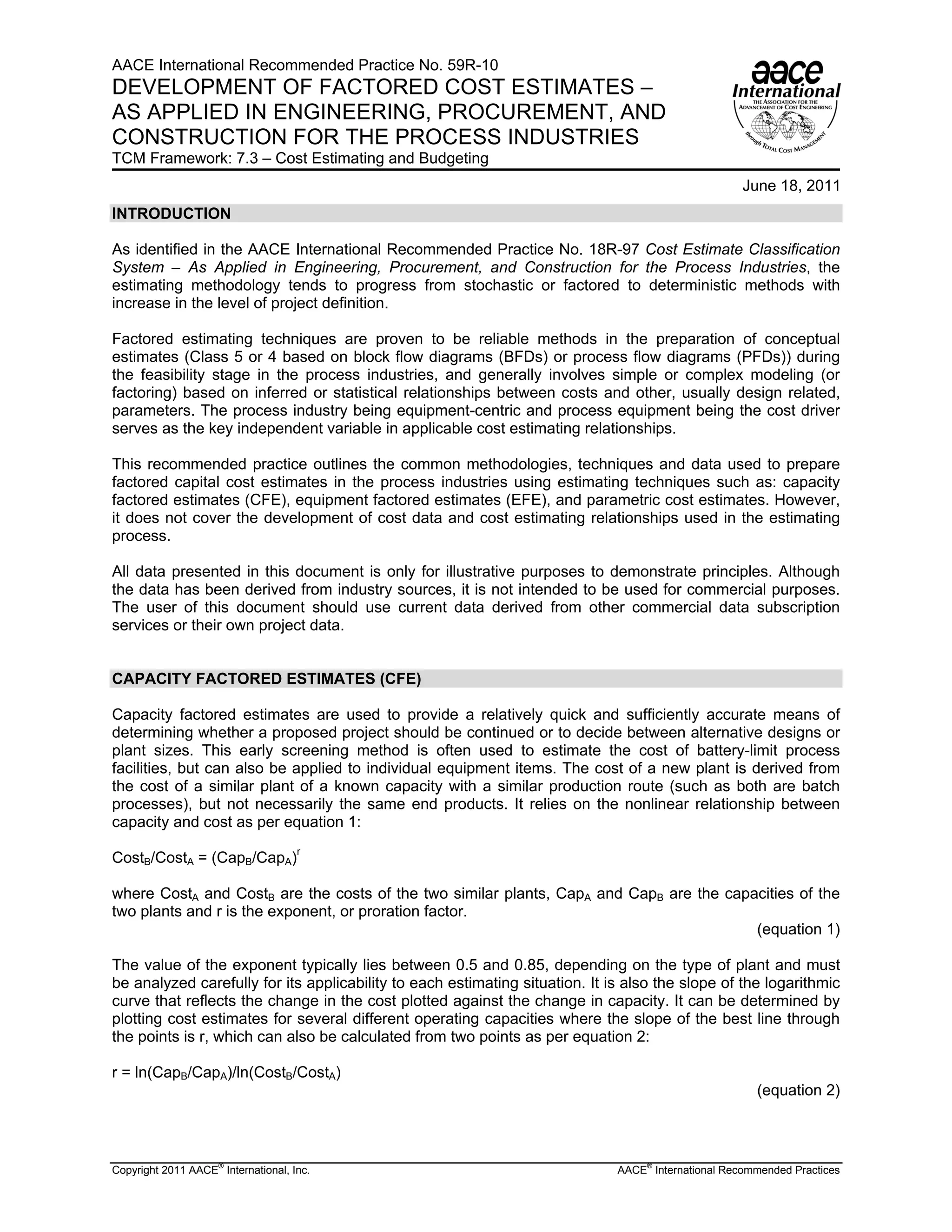
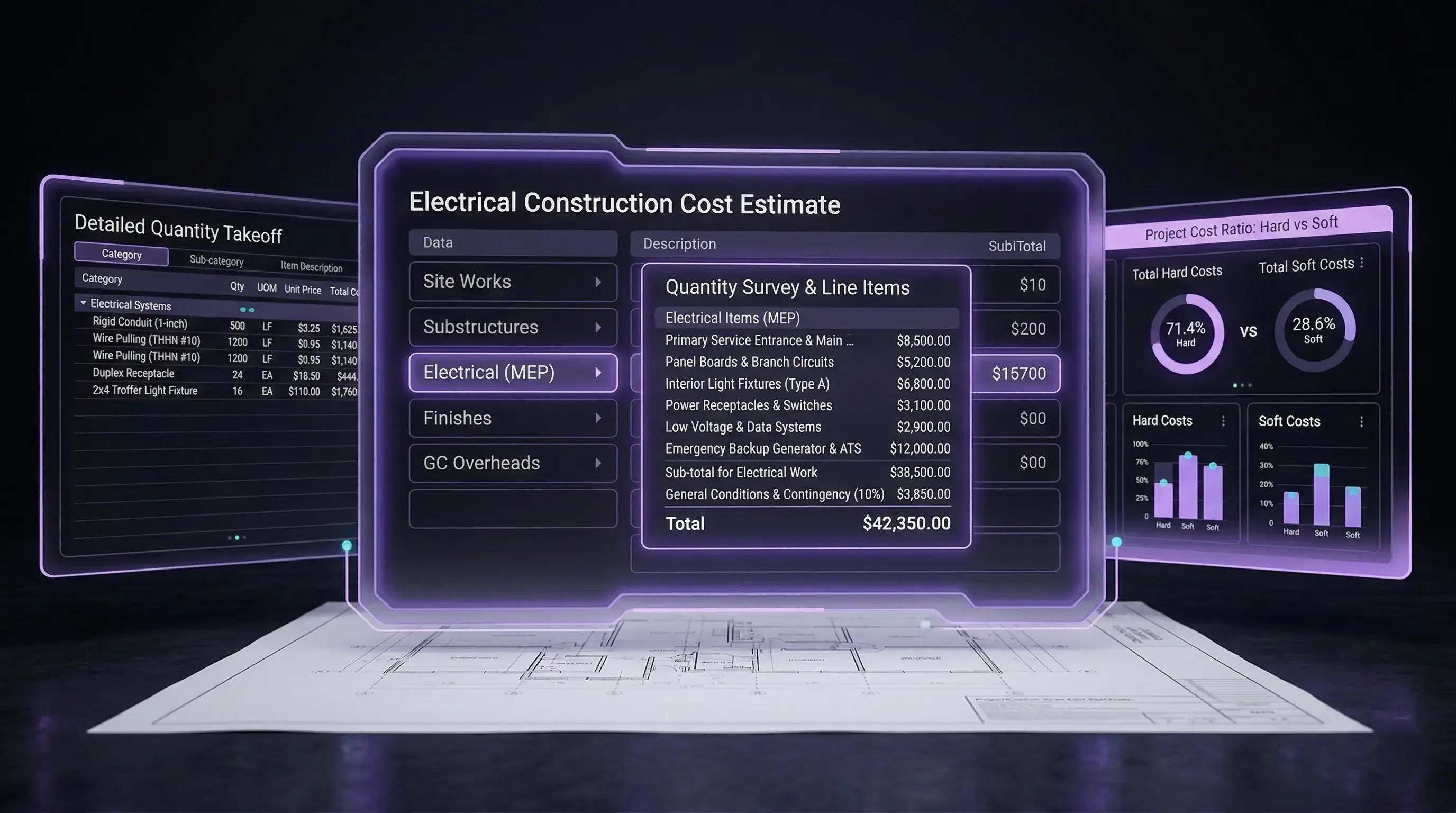
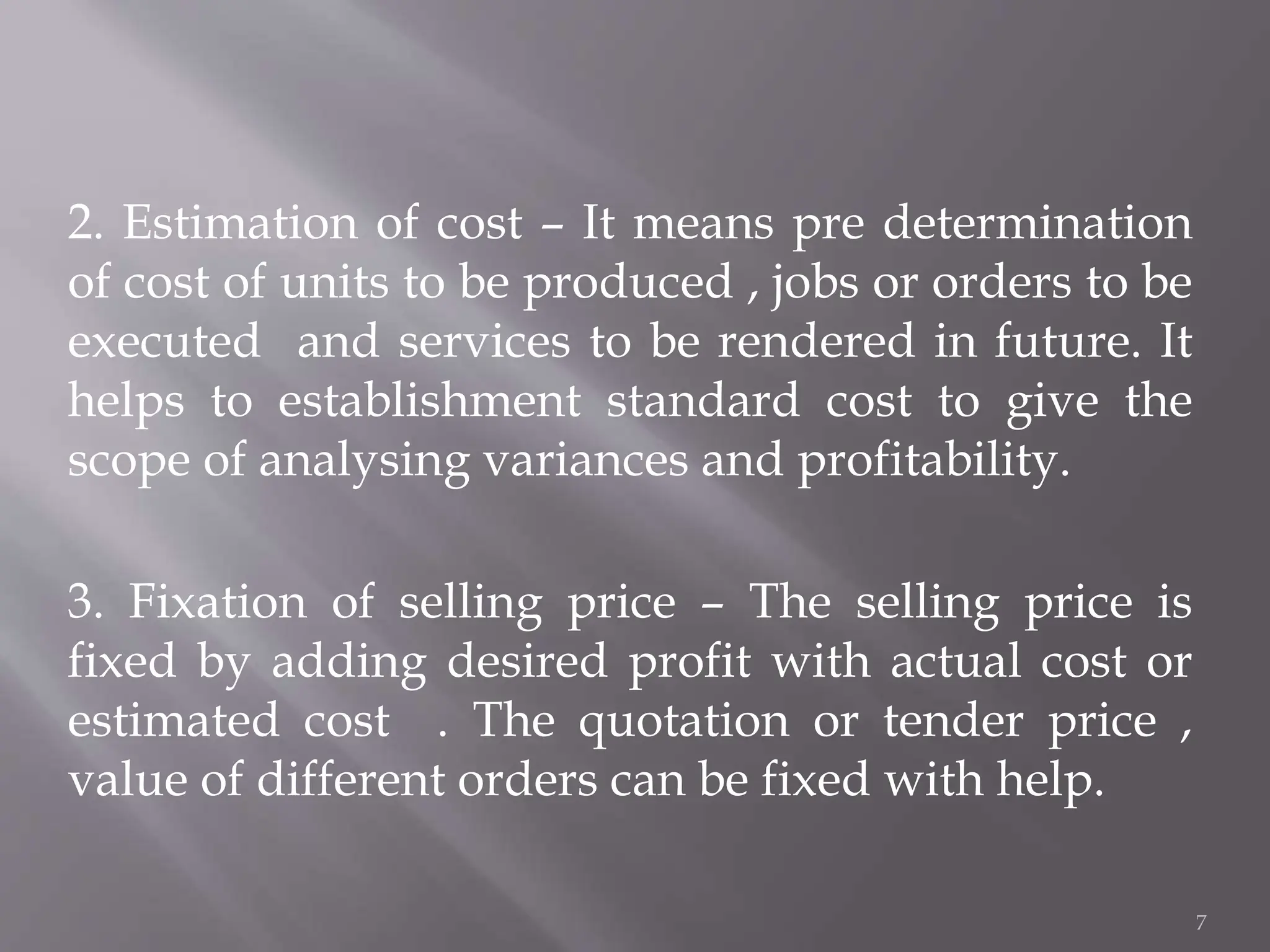
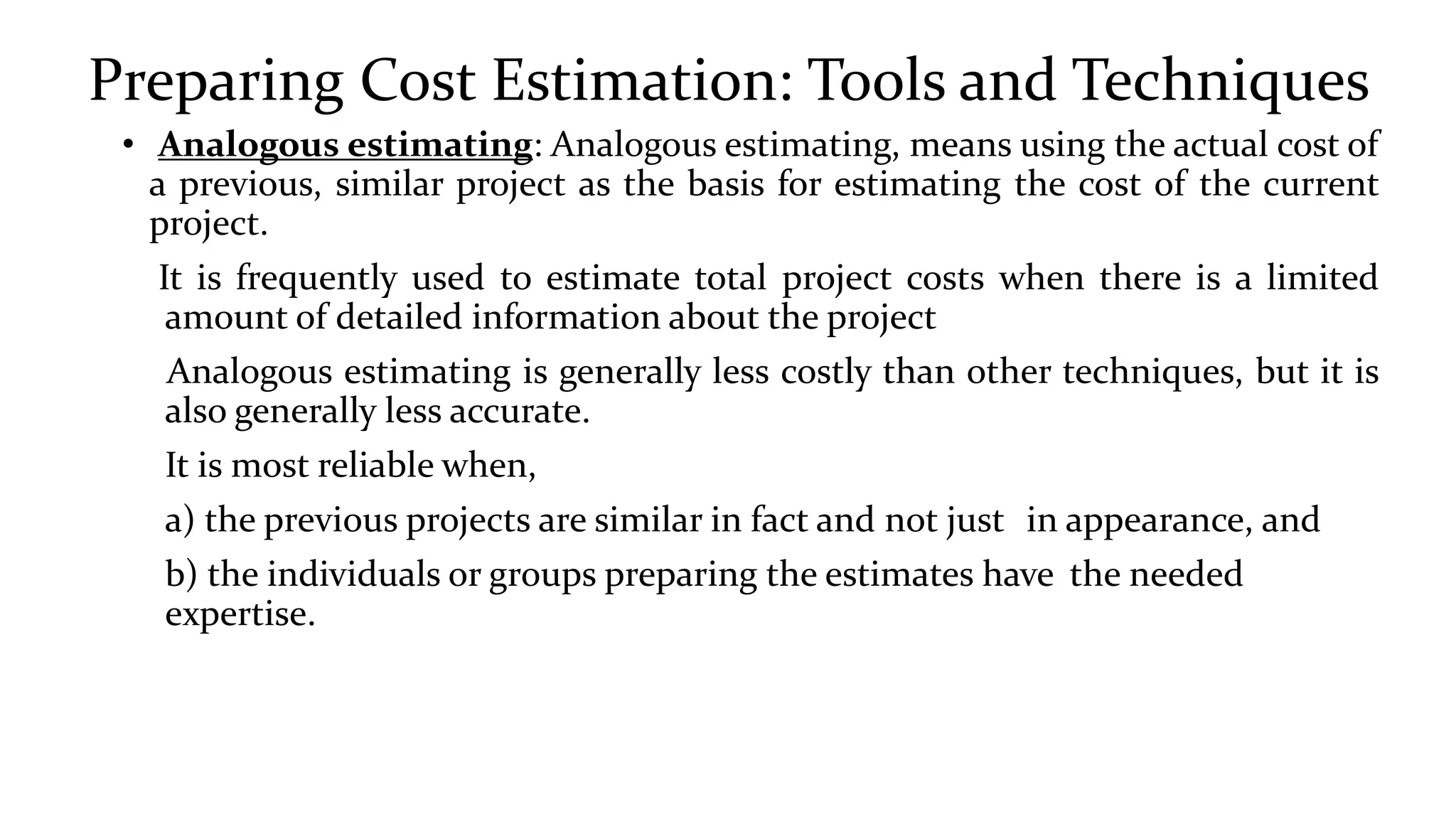
Means cost estimating is a method used in the construction industry to calculate and predict the expenses of a project. It's like a roadmap for builders, helping them plan and budget effectively. This process considers various factors, such as materials, labor, equipment, and even unexpected costs, to provide an accurate estimate. It's a crucial step for any construction project, big or small, and it ensures that you, as a homeowner or business owner, have a clear idea of what you're getting into financially.
What Affects the Cost?
The cost of a construction project can vary greatly depending on several factors. For instance, the size and complexity of the project play a significant role. A simple bathroom renovation will differ greatly from a full-scale house addition. The materials chosen also impact the budget; high-end finishes will cost more than basic ones. Additionally, labor costs can vary by region and the availability of skilled workers. It's essential to get multiple quotes to compare and understand these variations.
Hiring a Contractor
When it comes to hiring a contractor, there are a few things to consider. First, check their credentials and experience. Ask for references and examples of their previous work. A good contractor will provide a detailed estimate, outlining the costs and scope of the project. Ensure they have the necessary licenses and insurance. It's also beneficial to ask about their process and how they handle unexpected issues. A transparent and communicative contractor is often a good sign.
Construction Company Names
Naming a construction company is an important step. It should be memorable, reflect your business values, and stand out. Some construction company names I've come across that I quite like are:
- Build-It-Right
- HomeCrafters
- SkyHigh Construction
- Earthbound Builders
- Structure Solutions
- Renova Renovations
Remember to check the availability of these names and secure the relevant domains and local registrations.
Jobs and Opportunities
The construction industry offers a range of jobs, and means cost estimating is just one aspect. There are roles for estimators, project managers, site supervisors, and more. These jobs often involve working with clients, understanding their needs, and providing solutions. Many construction companies post job openings on their websites or local job boards. It's a great industry to be in, offering a variety of career paths and the satisfaction of seeing your work come to life.
Industry Tools and Resources
Means cost estimating often utilizes tools like RSMeans, a comprehensive database that provides cost data for various construction projects. It's a valuable resource for estimators and contractors, offering accurate information on material and labor costs. Additionally, the industry uses cost indexes to track and predict price fluctuations, ensuring estimates remain relevant. These tools help keep the construction industry efficient and competitive.
Large vs. Small Firms
The construction industry has a range of companies, from small, local businesses to large, national firms. Small firms often provide a more personalized service and may be more flexible with pricing. They tend to focus on local projects and have a deep understanding of the community. Large firms, on the other hand, have the resources to take on bigger projects and often have a wider reach. They may offer more specialized services and have a broader network of connections.
Wrapping Up
So, there you have it! Means cost estimating is a vital process in the construction world, helping us understand and manage costs effectively. Whether you're a homeowner planning renovations or a business owner looking to expand, it's a tool that can provide valuable insights. Remember, when it comes to construction, knowledge is power, and a well-informed decision is always the best one.
Related: Understand Rim Offset Chart: A Visual Guide
A rim offset chart is a valuable tool for anyone seeking precise wheel and tire fitment information. This guide will navigate you through the essentials, ensuring you understand the chart's purpose and how to interpret its data accurately.
The chart provides a quick reference for wheel offset, a critical measurement that ensures your wheels are correctly positioned on the vehicle. While values may vary depending on standards and regional practices, the rim offset chart offers a standardized overview, often accompanied by related charts for rim size and bolt patterns, aiding in the perfect wheel fitment.
Understanding Rim Offset Charts
A rim offset chart is a valuable tool for anyone involved in automotive wheel fitment and customization. It provides a visual representation of the various offset values, helping users determine the correct rim specifications for their vehicle. This chart is an essential reference guide, offering a quick and accurate way to match rim sizes and offsets to ensure proper wheel fitment.
Key Details and Categories
The rim offset chart typically includes three critical dimensions: the offset, rim width, and wheel diameter. The offset is the distance from the wheel's centerline to the hub mounting surface. It is measured in millimeters (mm) and is a crucial factor in wheel fitment. Rim width refers to the distance between the inner and outer flanges of the rim, also measured in mm. Wheel diameter, on the other hand, is the size of the wheel, usually expressed in inches. These three measurements are the foundation of the chart, allowing users to identify the correct rim specifications.
Reading the Chart: A Step-by-Step Guide
- Start by identifying the wheel diameter you require. This is typically based on the vehicle's make and model.
- Locate the corresponding wheel diameter on the chart. The chart will often have a column or section dedicated to different wheel diameters.
- Next, find the desired rim width. Rim widths are usually listed in a separate column adjacent to the wheel diameter section.
- Once you have identified the wheel diameter and rim width, you can read the offset value. The offset is typically presented as a range of values for each combination of wheel diameter and rim width.
- Choose an offset value within the range that suits your preferences and the vehicle's requirements. A positive offset indicates the wheel is positioned towards the vehicle's exterior, while a negative offset moves it inward.
- Cross-reference the chosen offset with the rim width and wheel diameter to ensure they align. This step is crucial to avoid any fitment issues.
Variations and Differences
It's important to note that rim offset charts can vary depending on the standard being used. Different regions and manufacturers may have slight variations in their charts, so it's essential to refer to the appropriate chart for your specific needs. Additionally, some charts may provide a broader range of offset values to accommodate various vehicle modifications and customizations. Always check the chart's specifications and ensure it aligns with your vehicle's requirements.
Common Mistakes and How to Avoid Them
One common mistake is selecting an incorrect offset, which can lead to wheel interference with suspension components or improper tire wear. To avoid this, always double-check the offset value and ensure it falls within the recommended range for your vehicle. Another pitfall is neglecting to consider the overall width of the wheel and tire combination. Ensure the total width, including the tire, fits within the vehicle's wheel wells to avoid rubbing or clearance issues.
Practical Tips for Accurate Results
When using a rim offset chart, it's beneficial to have a basic understanding of wheel fitment principles. Consider the vehicle's stock offset and how modifications, such as lowering or lifting, can impact the optimal offset choice. Additionally, be mindful of the wheel and tire package's overall width and ensure it fits within the vehicle's wheel arches. Regularly consult the rim offset chart during the selection process to make informed decisions and achieve the desired look and performance.
Well, there you have it! A comprehensive guide to understanding rim offset charts and their practical applications. Remember, these charts are a valuable tool, but it's essential to consider your specific needs and the context in which you're using them.
The world of rim offsets is a fascinating one, offering precision and accuracy for those who need it. So, before you put your new-found knowledge into practice, take a moment to ensure you've got the right information for your unique situation. Consider any variations in standards or specific requirements, and you'll be all set. And don't forget, this guide is here for you whenever you need a quick refresh—just bookmark it, and it'll be at your fingertips!
Related: How to Understand the Navajo Clan Chart?
You're here, perhaps with a Navajo clan chart in front of you, wanting a straightforward guide to understanding this unique system. These charts are an essential tool for anyone exploring Navajo culture and its intricate kinship ties. While the Navajo clan chart may seem complex at first, with its specific symbols and terms, it's a valuable resource for navigating the traditional Navajo family structure and its unique clan system diagram.
Understanding the Navajo Clan Chart
The navajo clan chart is a fascinating tool that provides insight into the traditional Navajo kinship system. It visually represents the complex web of relationships and connections within Navajo communities, offering a unique perspective on their cultural heritage.
Key Details and Categories
This chart is a reference guide to the Navajo clan system, which is based on a complex set of relationships and roles. It consists of various symbols and categories that represent different clans, their affiliations, and the associated kinship terms. The chart typically includes four main sections: clan names, kinship terms, clan affiliations, and symbols. Each section provides specific information to navigate the clan system effectively.
Reading the Chart: A Step-by-Step Guide
- Start by identifying the clan names. These are often represented by unique symbols or icons. Understanding the clan names is crucial as they form the foundation of the kinship system.
- Next, locate the kinship terms. These terms describe the relationships between individuals within the clan system. For example, there are specific terms for parents, siblings, cousins, and other extended family members.
- Clan affiliations are an essential part of the chart. They indicate the relationships between different clans and how they are interconnected. This section helps navigate the complex web of clan relationships.
- Symbols play a significant role in the navajo clan chart. Each symbol represents a specific clan or kinship term. Learning to recognize these symbols is key to understanding the chart's visual representation.
Common Variations and Differences
While the navajo clan chart provides a comprehensive overview, it's important to note that variations may exist across different Navajo communities and regions. These variations can include slight differences in kinship terms, clan names, or even the visual representation of symbols. It's essential to be aware of these potential variations when using the chart, especially when dealing with specific cultural contexts.
Avoiding Common Mistakes
One common mistake is assuming that the navajo clan chart is a universal guide applicable to all Navajo communities. While it provides a solid framework, it's crucial to respect the diversity within Navajo culture and be mindful of regional differences. Another pitfall is misinterpretation of symbols. Each symbol has a specific meaning, so it's essential to refer to reliable sources or consult with knowledgeable individuals to ensure accurate interpretation. Lastly, remember that the chart is a tool for understanding, not a strict rulebook. Flexibility and cultural sensitivity are key when applying the navajo clan chart in real-life situations.
Well, there you have it! A handy Navajo clan chart to guide you through the basics. Remember, this chart provides a general overview, so be sure to cross-reference and double-check any specific details or unique cases that may apply to your situation.
Consider bookmarking this page for future reference; it's a quick and easy way to refresh your memory on the Navajo clan system and its key components. Happy exploring!