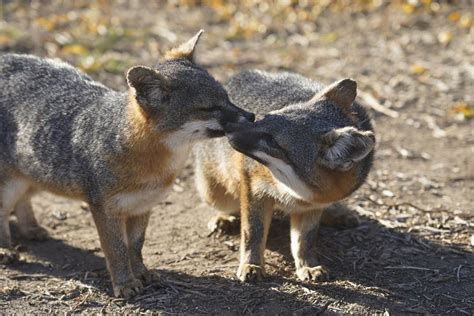
The Channel Island Fox, a diminutive and charismatic species, has captivated the hearts of many with its striking appearance and intriguing history. Found exclusively on the Channel Islands off the coast of California, this small fox has faced numerous challenges to its survival, prompting concerted conservation efforts to protect it. To delve into the complexities of the Channel Island Fox’s conservation status, it’s essential to explore its historical context, the factors threatening its existence, and the multifaceted strategies employed to ensure its survival.
Historical Background and Threats
The Channel Island Fox, scientifically known as Urocyon littoralis, has inhabited the Channel Islands for thousands of years, evolving into six distinct subspecies, each adapted to its respective island environment. Historically, these foxes thrived, playing a crucial role in maintaining the ecological balance of their ecosystems. However, their population began to decline dramatically in the late 20th century due to several key factors. The introduction of non-native species, such as golden eagles, which preyed upon the foxes, significantly contributed to this decline. Additionally, diseases transmitted from domestic dogs, habitat degradation, and human activities further threatened their survival. By the early 2000s, the Channel Island Fox population had reached a critical low, with numbers plummeting to fewer than 50 individuals on Santa Cruz Island, for example, prompting immediate conservation action.
Conservation Efforts
In response to the alarming decline of the Channel Island Fox, a comprehensive conservation program was initiated. This effort involved collaboration between the National Park Service, The Nature Conservancy, and the Island Fox Conservation Program, among others. Key strategies included:
Captive Breeding Programs: Establishing captive breeding programs to increase population numbers and genetic diversity. These programs have been highly successful, with many foxes bred in captivity eventually being released back into the wild.
Habitat Preservation and Restoration: Protecting and restoring the natural habitats of the Channel Island Fox. This includes removing invasive species, restoring native plant communities, and creating fox-friendly environments.
Disease Control: Implementing measures to control the spread of diseases, such as vaccinations and quarantine protocols for domestic animals visiting the islands.
Predator Control: Efforts to manage the population of non-native predators, such as golden eagles, to reduce predation pressure on the foxes. This has involved relocating golden eagles to the mainland and, in some cases, controlling their numbers through other humane means.
Education and Community Engagement: Educating visitors and the local community about the importance of conservation and the simple actions they can take to support the recovery of the Channel Island Fox, such as keeping pets under control and not feeding wild foxes.
Success Stories and Ongoing Challenges
Thanks to these concerted conservation efforts, the Channel Island Fox has shown significant signs of recovery. By 2016, the populations had increased substantially, leading to the delisting of the species from the Endangered Species List, although it remains protected under the Endangered Species Act due to its vulnerable status. This recovery is a testament to the power of collaborative conservation and the resilience of species when given the necessary support and protection.
However, challenges persist. The delicate ecological balance of the Channel Islands means that any upset, such as the introduction of new invasive species or climate change impacts, could potentially threaten the fox population again. Continuous monitoring, adaptive management strategies, and ongoing support for conservation efforts are crucial to ensuring the long-term survival of the Channel Island Fox.
Looking to the Future
As conservationists look to the future, there is a growing recognition of the need to address broader, systemic issues affecting biodiversity, such as climate change and the protection of island ecosystems worldwide. The story of the Channel Island Fox serves as a model for island conservation globally, highlighting the importance of proactive, multi-stakeholder approaches to preserving unique and vulnerable species. Through continued innovation in conservation practices, community engagement, and a commitment to protecting these incredible animals and their habitats, the future of the Channel Island Fox looks more secure than ever.
Key Takeaways
- Conservation Success: The recovery of the Channel Island Fox is a notable success story in conservation, demonstrating what can be achieved through concerted effort and collaboration.
- Ongoing Protection: Despite delisting, the species remains vulnerable and requires continued conservation efforts to protect it from emerging threats.
- Global Relevance: The conservation of the Channel Island Fox has global implications, serving as a model for protecting island species and ecosystems.
FAQs
What are the primary threats to the Channel Island Fox's survival?
+The primary threats include predation by non-native species like golden eagles, diseases transmitted from domestic animals, habitat degradation, and human impacts such as vehicle strikes and indirect effects of climate change.
How have conservation efforts contributed to the recovery of the Channel Island Fox?
+Conservation efforts, including captive breeding programs, habitat restoration, disease control measures, and predator management, have been instrumental in increasing the population and reducing the threats faced by the Channel Island Fox, leading to its recovery.
What can individuals do to support the conservation of the Channel Island Fox?
+Individuals can support conservation by respecting protected areas, keeping pets under control, not feeding wild foxes, spreading awareness about the importance of conservation, and supporting organizations involved in protecting the Channel Island Fox and its habitat.
In conclusion, the conservation story of the Channel Island Fox is one of hope and resilience, showcasing the potential for recovery when concerted action is taken to protect vulnerable species. As we move forward, it’s essential to remain vigilant, addressing new challenges while continuing to support and expand conservation efforts, not just for the Channel Island Fox, but for island species and ecosystems around the world.