

Chart Square Roots Template Overview
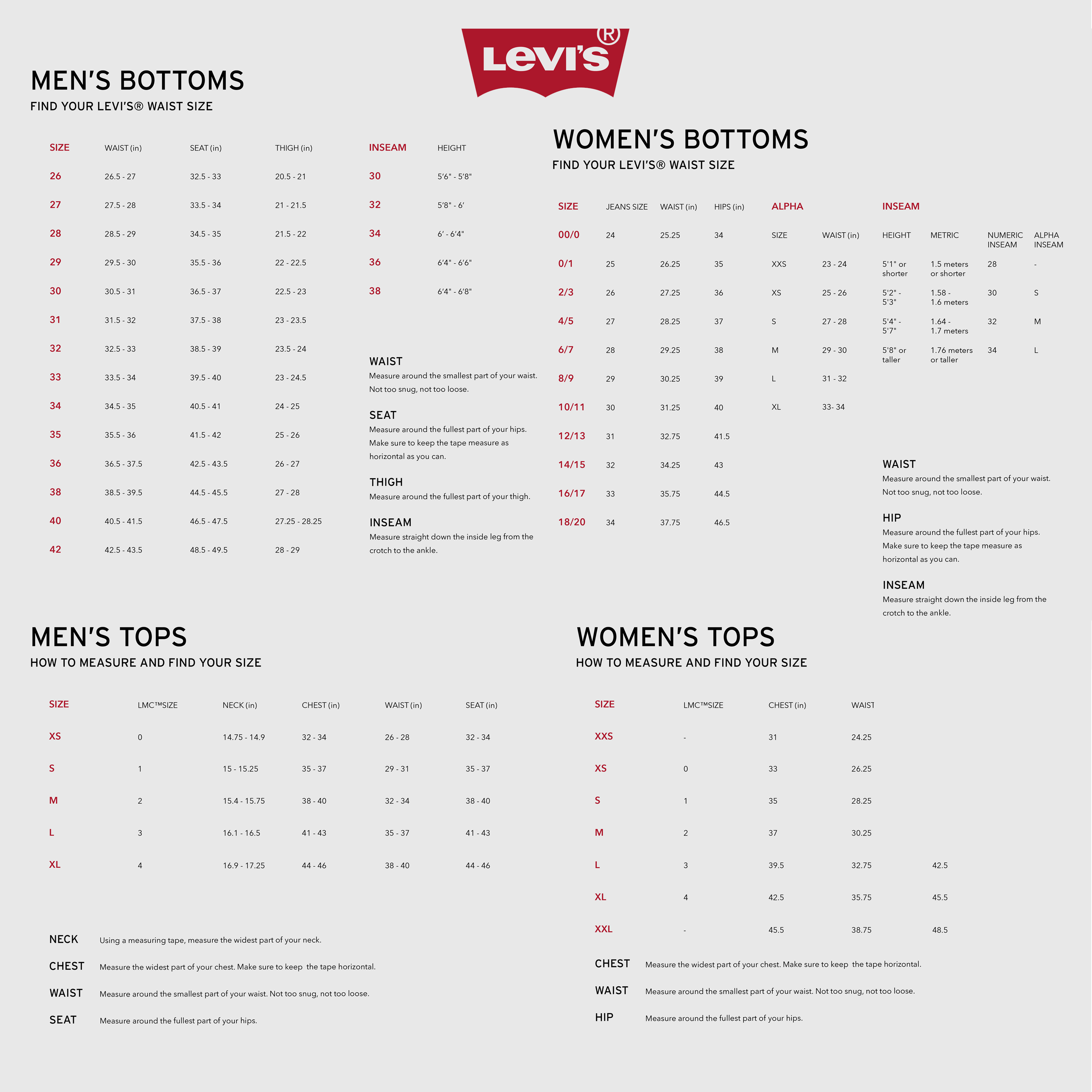
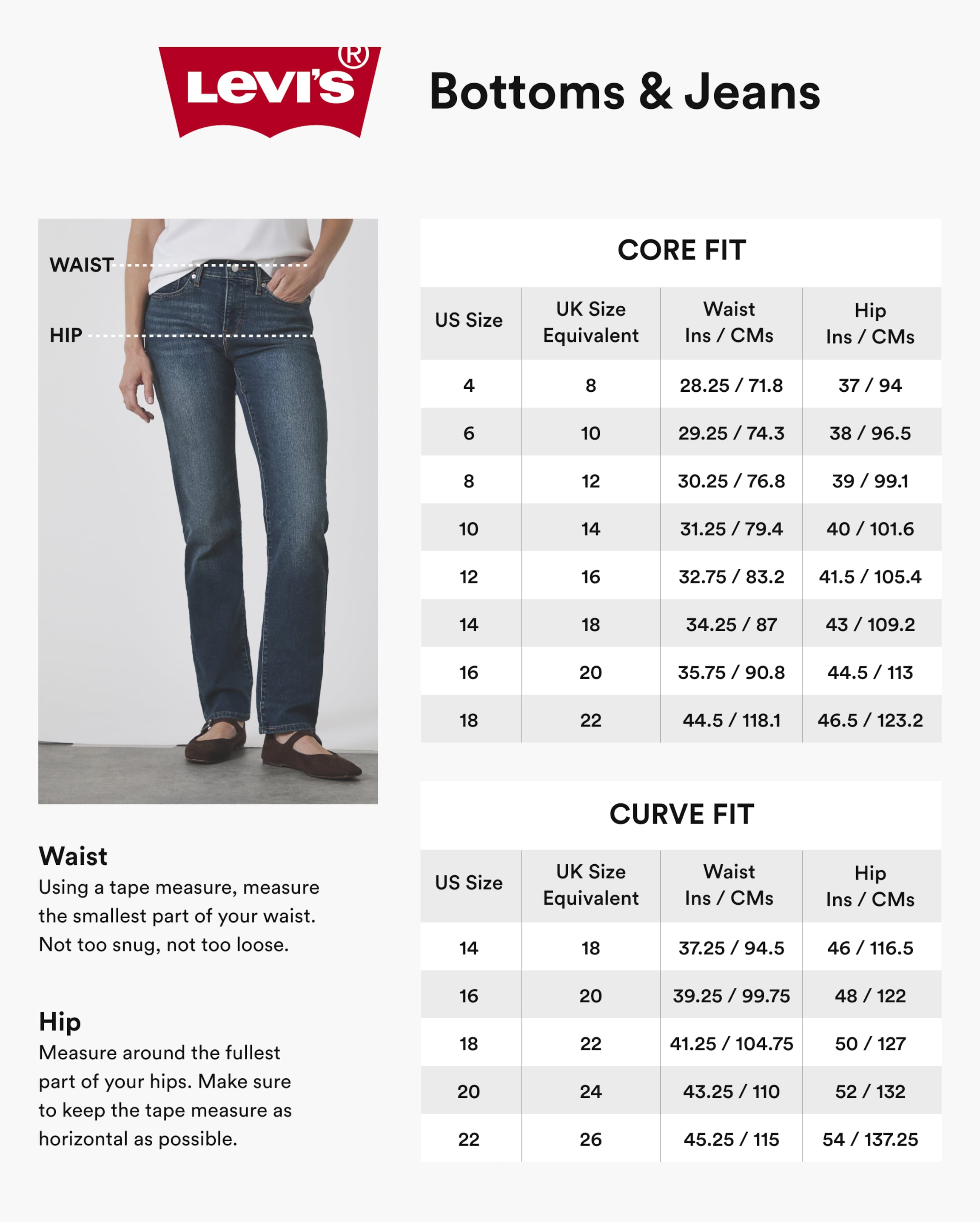
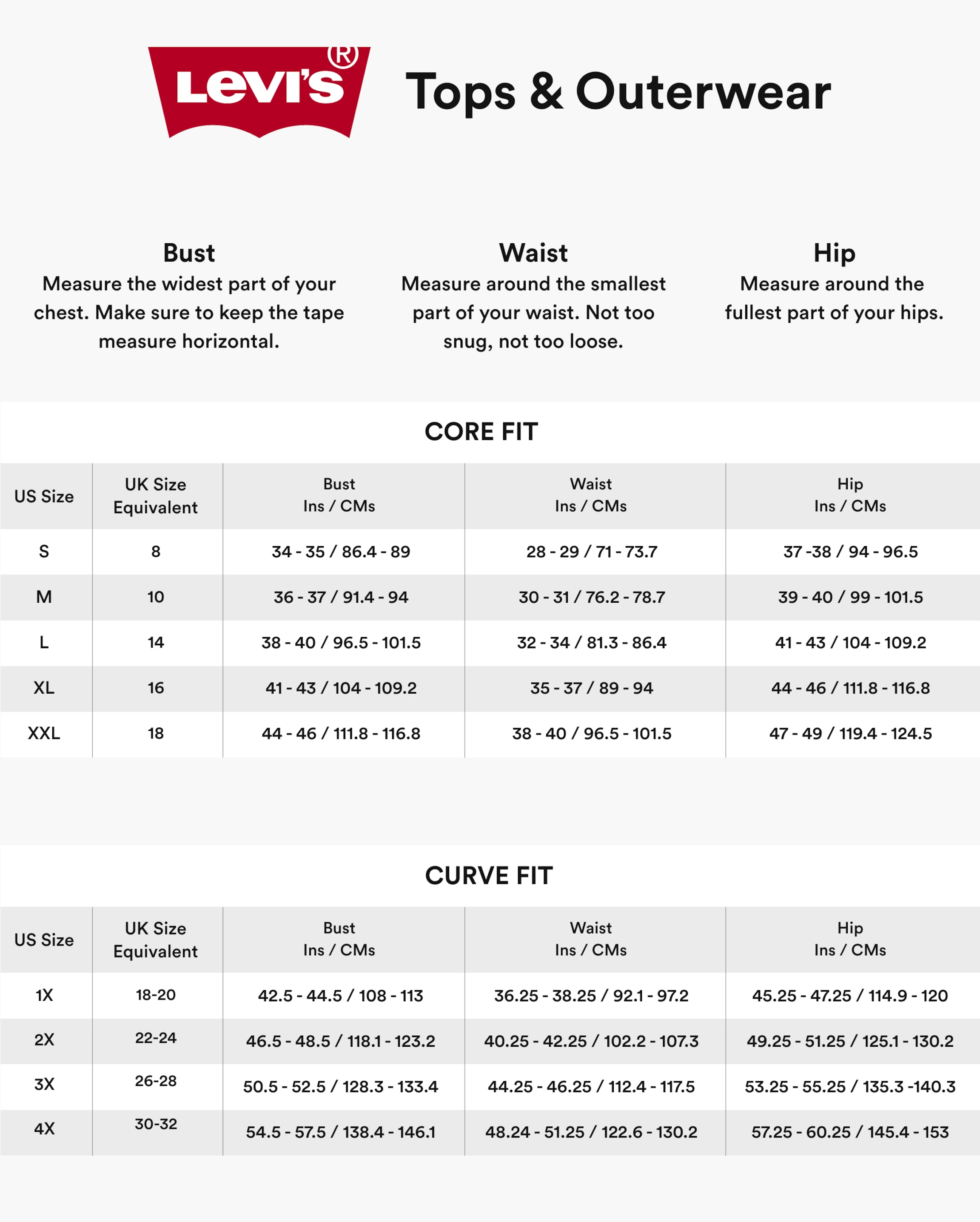
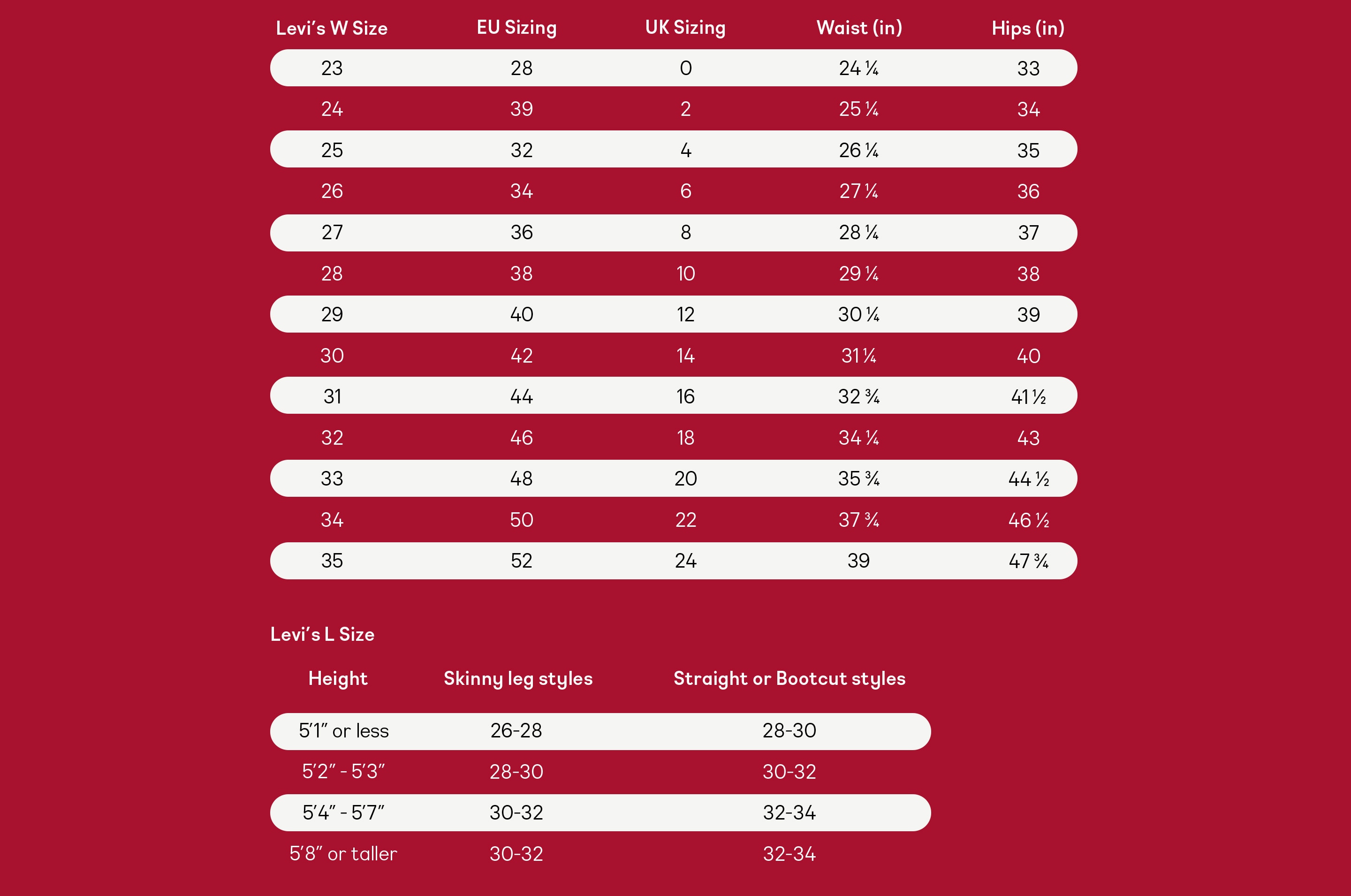
You're here because you need a quick solution, right? Well, if you're looking for a bold and reliable way to find your perfect Levi's fit, the Levi size chart is your go-to tool. It's a simple yet effective guide, offering a visual representation of sizes and measurements, making it easy to navigate. With just a glance, you can ensure you're getting the right size, whether it's for yourself or a gift. This chart is a handy reference, especially when you're in a rush and need a quick sizing solution.
Understanding the Levi Size Chart
The levi size chart is your go-to guide for finding the perfect fit in Levi's jeans and clothing. It's a simple tool to ensure you get the right size, whether you're shopping online or in-store. This chart provides measurements and size categories to help you choose the best fit for your body.
Standard Sizing Options
Levi's size chart follows a standard sizing system, typically based on waist size and inseam length. This means you'll find consistent sizing across their products, making it easier to find your fit. The chart usually includes categories like waist size (in inches or centimeters), inseam length, and sometimes additional measurements like hip and thigh circumference.
How to Use the Levi Size Chart: A Step-by-Step Guide
- Identify your waist size. This is the most critical measurement for jeans. Measure your waist at the point where you usually wear your pants, keeping the tape measure snug but not tight.
- Determine your inseam length. This is the distance from your crotch to the hem of your pants. You can measure this while wearing well-fitting pants or by standing against a wall and measuring the distance from your crotch to the floor.
- Refer to the levi size chart. Find your waist size and inseam length on the chart. The chart will provide you with the corresponding size, typically in numerical or alphabetical categories.
- Consider other measurements. If the chart offers additional measurements like hip or thigh circumference, you can use these to ensure an even better fit.
Common Misreadings and How to Avoid Them
One common mistake is assuming all brands use the same sizing standards. While Levi's size chart is consistent within their brand, sizes may vary across different brands and styles. Always double-check the specific size guide for the item you're interested in. Additionally, be mindful of the units used. Some charts may use inches, while others use centimeters. Ensure you're comparing like with like.
Factors Affecting Size Variations
Several factors can influence the accuracy of your size determination. First, body shape varies, and the chart provides a general guide. Second, the fit you prefer (e.g., slim, regular, or relaxed) can affect the size you choose. Lastly, the fabric and stretchiness of the material can impact the fit, so consider the fabric type when using the chart. Remember, the levi size chart is a helpful tool, but it's always a good idea to try on clothing to ensure the perfect fit.
Hey there! We hope you found this guide on the Levi size chart helpful and that it's made your sizing quest a little easier. Remember, when it comes to size charts, exact details can differ slightly, so always double-check the source and standard you're using.
We've got a bunch of other guides on various topics, so feel free to explore and discover more practical tips and tricks. Happy reading, and we hope to see you around!
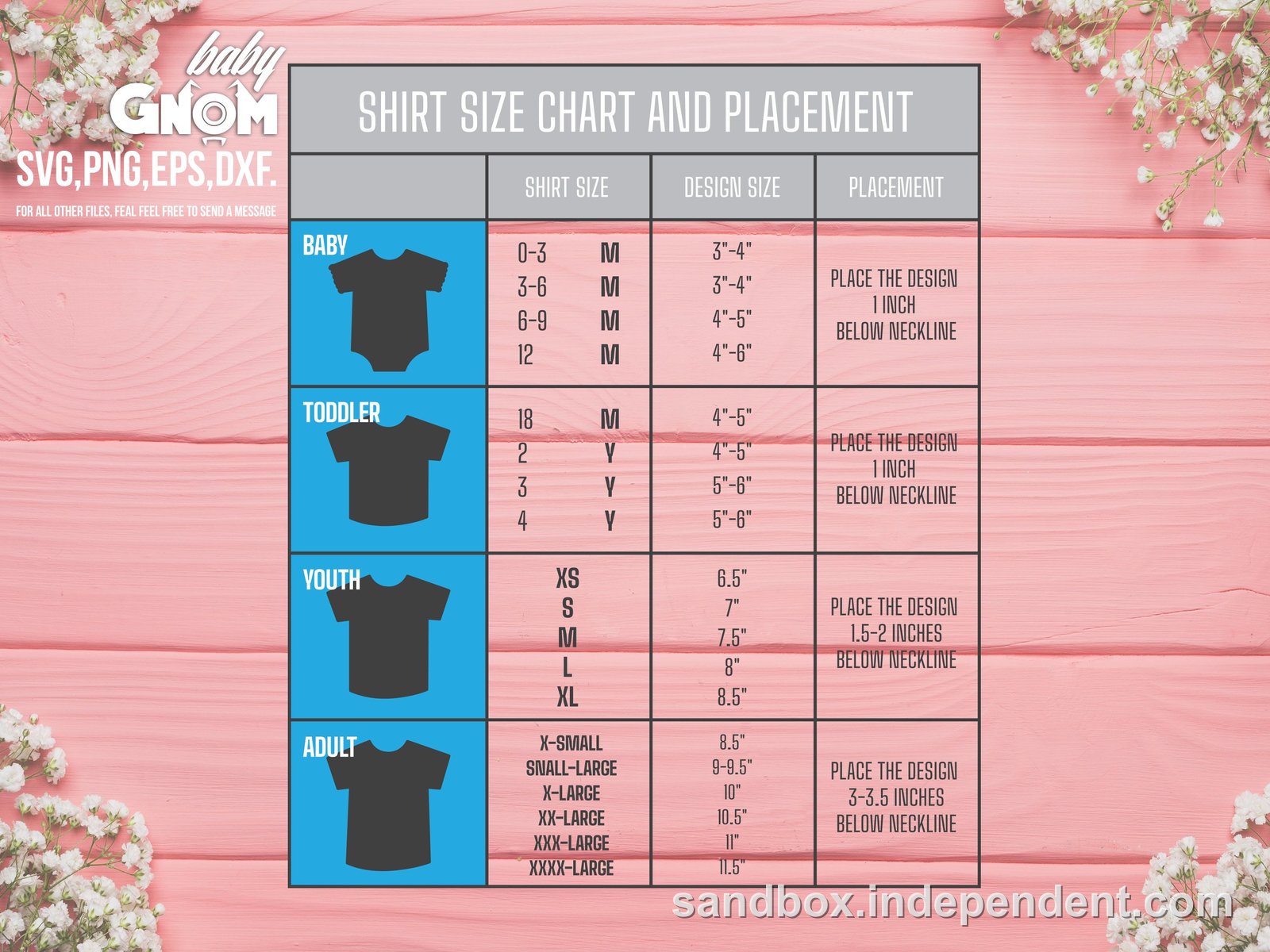
Related: Need a shirt size chart? Find your perfect fit!
You're probably here because you need a quick fix, a simple solution to finding your perfect shirt size. And what better tool than a shirt size chart? It's a handy reference, a map to navigate the world of clothing sizes, and it's right at your fingertips. These charts offer a straightforward way to ensure you get the right fit, and they can vary slightly depending on the brand or region, so it's always good to have a reliable guide.
Shirt Size Chart: A Practical Guide
A shirt size chart is a handy reference tool that helps you find the perfect fit for your shirts. It provides a standardized way to determine your size based on key body measurements. These charts are essential for online shopping or when you need to order custom-made shirts.
Key Details and Categories
The shirt size chart typically includes measurements for chest circumference, waist circumference, and sometimes arm length. These measurements are usually given in inches or centimeters, depending on the standard being used. The chart also provides a range of sizes, often in small increments, to ensure a precise fit. For example, a chart might offer sizes from XS to 5XL, with each size representing a specific measurement range.
Step-by-Step Guide: Reading and Using the Chart
Follow these steps to accurately determine your shirt size using a size chart:
Measure your chest circumference at the fullest part of your chest, keeping the measuring tape parallel to the floor. This measurement is crucial for finding the right fit.
Locate your chest measurement on the chart. The chart will guide you to the corresponding size, often with a range of measurements for each size. For instance, a size Medium might fit chest circumferences between 38 and 40 inches.
If the chart provides waist circumference measurements, repeat the process for your waist. This measurement ensures a comfortable fit around your midsection.
Compare your measurements to the size chart's ranges. Choose the size that aligns most closely with your measurements. If your measurements fall between two sizes, consider factors like your preferred fit (more relaxed or snug) and the fabric's stretchability.
For more precise fitting, some charts may include arm length measurements. Measure your arm length from the base of your neck to your wrist. Match this measurement to the chart's arm length column to ensure a perfect sleeve length.
Understanding Variations and Differences
It's important to note that shirt size charts can vary depending on the brand, manufacturer, or even the specific style of shirt. Some brands may have slightly different measurement standards or size increments. Additionally, the intended fit of the shirt (e.g., slim, regular, or relaxed) can impact the size chart. Always check the brand's size guide or any notes about fit to ensure an accurate selection.
Common Mistakes and How to Avoid Them
One common mistake is relying solely on your usual shirt size without considering the specific brand or style. Each brand may have its own unique sizing system, so it's crucial to refer to their size chart. Another mistake is neglecting to measure yourself accurately. Take precise measurements, especially for the chest and waist, to ensure an accurate fit. Avoid guessing or estimating, as this can lead to disappointment with the final product.
Practical Fitting Tips for Accurate Results
To ensure the best fit, consider these tips:
When measuring, stand naturally and relax your arms. Avoid pulling the measuring tape too tight or too loose.
If you're between sizes, choose the larger size for a more comfortable fit, especially if the shirt has a slim or tailored cut.
Pay attention to the fabric and its stretchability. Some fabrics, like cotton blends, have more give, while others, like linen, are more rigid.
Check the brand's size guide for any specific notes or recommendations. They might offer tips for their unique sizing or suggest sizing up or down for certain styles.
Consider the intended use of the shirt. If it's for a formal occasion, you might want a more tailored fit, while casual shirts can allow for a looser fit.
Remember, the shirt size chart is a valuable tool, but it's just a guide. Always prioritize your comfort and personal style when making a final decision.
Well, there you have it! A shirt size chart is a handy tool to ensure you get the perfect fit every time. Remember, while these charts provide a great starting point, exact values can vary, so it's always wise to check the specific guidelines for your chosen brand or standard.
Don't forget to explore our other guides and resources; we've got plenty of practical tips to help you navigate the world of fashion and sizing with ease. Stay tuned for more!
Related: Decoding Theme Anchor Charts: A Simple Guide
You've stumbled upon the theme anchor chart, a handy tool that's a real lifesaver for quick reference and understanding. It's like having a secret weapon, a simple yet powerful visual guide that keeps you on track.
This chart is your go-to for theme-related queries, offering a clear and concise way to navigate and apply themes. While some details may vary depending on context, the theme anchor chart provides a solid foundation, ensuring you're equipped with the right knowledge.
What is a Theme Anchor Chart?
A theme anchor chart is a visual tool designed to help identify and understand the underlying themes in a text or story. It provides a structured framework to analyze and interpret narratives, making it a valuable resource for readers, writers, and educators alike. These charts are particularly useful for literary analysis, helping to uncover the deeper meanings and messages within a piece of writing.
Comparing Theme Anchor Chart Formats
There are various formats and styles of theme anchor charts, but they generally share common elements. The charts often feature a central theme or topic, with supporting details and examples branching out. These details can include character motivations, setting influences, symbolic elements, and recurring motifs. The structure allows users to visually connect these elements to the main theme, aiding in a comprehensive understanding of the text's message.
Step-by-Step Guide to Using a Theme Anchor Chart
Using a theme anchor chart is a straightforward process:
Identify the Main Theme: Start by determining the primary theme or idea that the text revolves around. This could be a moral lesson, a social issue, or an emotional journey, for instance.
Gather Supporting Details: Look for elements in the text that reinforce or relate to the main theme. This could include specific scenes, character actions, or even word choices that contribute to the overall message.
Plot on the Chart: Place the identified theme at the center of your chart. Then, branch out with supporting details, creating a visual representation of how these elements connect to and reinforce the theme.
Analyze and Interpret: Review your completed chart to gain a deeper understanding of the text. Consider how the various elements work together to convey the theme and the overall message the author intended.
Common Misinterpretations and How to Avoid Them
While theme anchor charts are a powerful tool, they can be misinterpreted if not used correctly. One common mistake is over-simplifying the theme. Themes are often complex and multi-faceted, so it's essential to consider various aspects and not reduce them to simplistic interpretations. Another pitfall is focusing solely on the chart and neglecting the text itself. The chart is a tool to enhance understanding, but the analysis should always be grounded in the text's content and context.
Factors Affecting Theme Anchor Chart Accuracy
The accuracy of a theme anchor chart depends on several factors. Firstly, the chart's effectiveness relies on a thorough understanding of the text. Readers must carefully analyze the narrative, considering its nuances and subtleties. Additionally, the chart's structure and design can impact its usefulness. A well-designed chart should be clear, organized, and flexible enough to accommodate various themes and texts.
Adapting Theme Anchor Charts for Specific Needs
Theme anchor charts are versatile and can be adapted for different purposes. For instance, educators can create customized charts to align with specific learning objectives or curriculums. Writers can use them as a tool to develop and refine their themes, ensuring a coherent and impactful narrative. Moreover, charts can be tailored to different genres, with variations for poetry, fiction, non-fiction, or even visual narratives like films or graphic novels.
Maintaining Reliability for Future Use
To ensure the reliability of theme anchor charts for future use, it's essential to maintain a consistent approach. This includes using a standardized format, ensuring clarity in labeling and categorization, and regularly updating charts to reflect new insights or interpretations. Additionally, encouraging open dialogue and feedback can help refine and improve the chart's effectiveness over time. By treating the chart as a living document, it can evolve to meet the changing needs and understandings of its users.
Well, there you have it! A comprehensive guide to theme anchor charts and their practical use. You should now feel equipped to create your own chart, tailor it to your needs, and avoid any potential pitfalls.
Remember, while this guide offers a solid framework, your specific context matters. Double-check your requirements and adapt the chart to suit your unique situation.
If you're keen to explore more practical tips and guides, feel free to browse our other resources. We've got a range of topics covered, so you're sure to find something useful. Happy learning!