

Chicos Size Chart Black And White Overview
You've likely landed here with a specific goal: to find a clear, concise deer feeding chart that offers reliable information at a glance. This chart is your go-to resource, a simple yet powerful tool for understanding deer nutrition and feeding practices. It provides a quick reference, ensuring you can make informed decisions about deer diet and care. While the exact values and formats may vary, depending on factors like region and specific needs, the deer feeding chart serves as an essential guide, offering insights into deer nutrition and the seasonal changes in their diet.
Understanding the Deer Feeding Chart
The deer feeding chart is a valuable tool for anyone managing deer populations or interested in their nutrition. It provides a comprehensive overview of the dietary needs of deer, offering insights into their feeding habits and requirements. This chart is designed to simplify the process of understanding deer nutrition and ensuring their proper care.
Comparing Chart Formats and Standards
There are various formats and standards for deer feeding charts, often influenced by regional differences and specific use cases. These charts typically present information on the nutritional composition of deer diets, including the percentage of protein, fiber, and other essential nutrients. They may also provide guidelines on the recommended daily intake and the types of forage available during different seasons.
Step-by-Step Guide to Using the Chart
To utilize the deer feeding chart effectively, follow these steps:
Identify the age and weight of the deer you are caring for. This information is crucial as nutritional requirements vary based on these factors.
Locate the relevant section on the chart that corresponds to the deer's age and weight. The chart often has distinct categories for fawns, yearlings, and adult deer.
Read the nutritional values and guidelines provided for each category. Pay attention to the recommended daily intake and the types of forage suggested.
Adjust the feeding plan based on the chart's recommendations. Ensure a balanced diet by providing the right proportion of protein, fiber, and other nutrients.
Monitor the deer's health and behavior. If any issues arise, consult an expert or adjust the feeding plan accordingly.
Avoiding Common Misinterpretations
It's essential to note that deer feeding charts provide general guidelines, and individual deer may have unique needs. Here are some common misinterpretations to avoid:
Assuming that the chart covers all scenarios: Always consider the specific context and environment in which the deer are living. Factors like weather, habitat, and available forage may require adjustments to the feeding plan.
Neglecting individual variations: Each deer is unique, and their nutritional needs can vary. Keep a close eye on their health and behavior to ensure they are receiving adequate nutrition.
Overlooking seasonal changes: Deer's dietary requirements often change with the seasons. The chart should be used as a dynamic tool, adapting to the changing needs of deer throughout the year.
Factors Affecting Accuracy and Real-World Application
When using a deer feeding chart, keep in mind the following key factors that can influence its accuracy and practical application:
Forage availability: The type and amount of forage available in a deer's habitat can greatly impact their diet. Ensure you understand the local forage options and their nutritional value.
Weather conditions: Extreme weather events can affect the nutritional content of forage. Be prepared to adjust feeding plans during droughts, floods, or other weather-related challenges.
Deer diet composition: While the chart provides a guide, deer may have preferences for certain foods. Observe their feeding habits and adjust the diet accordingly.
Special considerations: Pregnant or nursing does, as well as injured or sick deer, may have unique nutritional needs. Consult experts for specialized feeding plans in such cases.
Remember, while the deer feeding chart is a valuable resource, it should be used flexibly and adapted to the specific needs of the deer in your care. Regular monitoring and expert advice can ensure the health and well-being of these magnificent animals.
Remember, every deer and its needs are unique, so while this chart provides a fantastic starting point, you may need to make small adjustments to find the perfect feeding routine for your furry friends. It's all about finding that sweet spot!
We've got a whole library of practical guides just like this one, covering various topics to help you navigate the wonderful world of wildlife care. So, feel free to explore and discover more tips and tricks to enhance your outdoor adventures and make the most of your time with nature's creatures. Happy reading and happy feeding!
Related: Understand Deer Age Charts: A Simple Guide
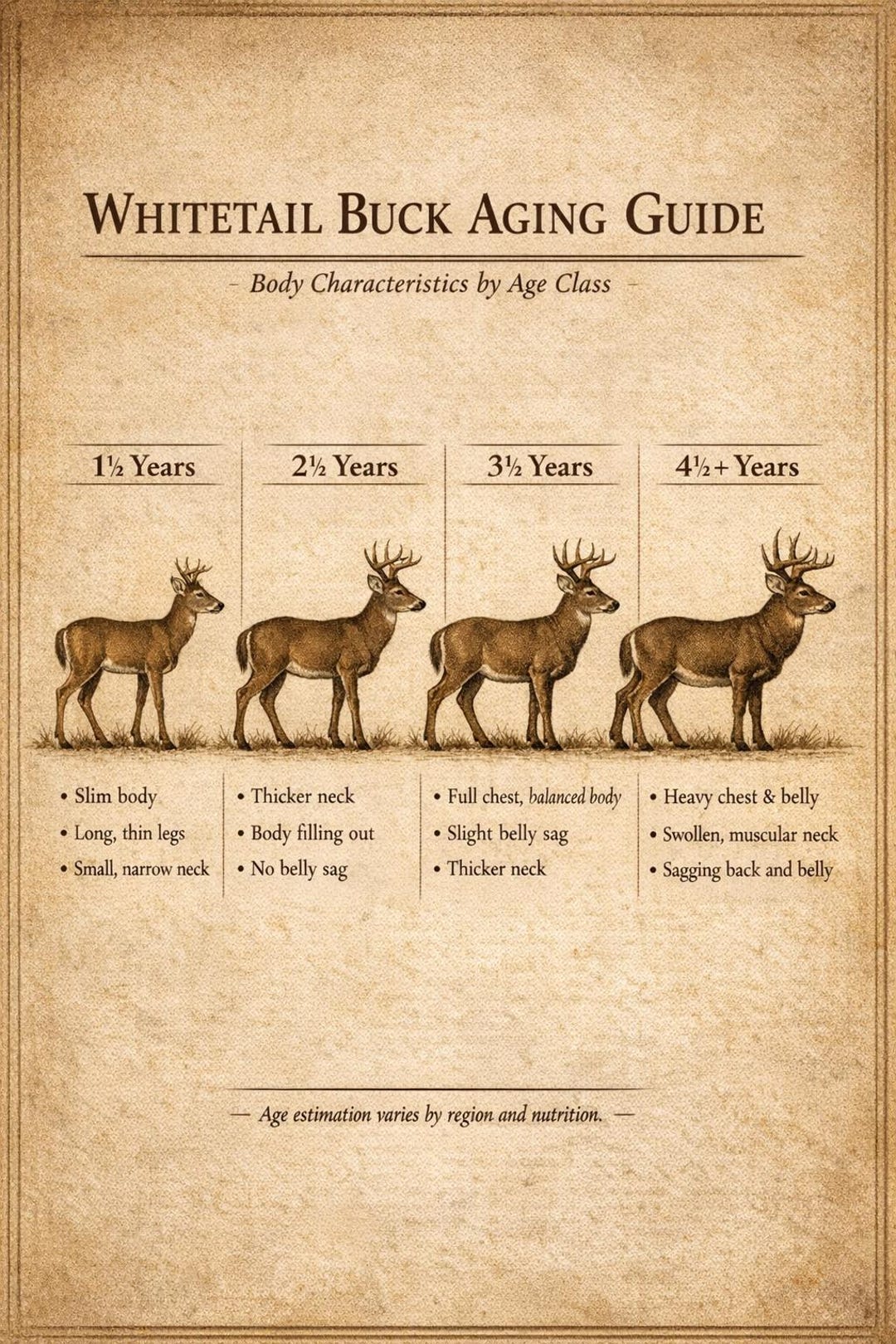
Many outdoor enthusiasts and hunters may assume that estimating a deer's age is an innate skill, but it's actually a precise art that requires a deer age chart as your trusted companion. While it may seem simple, misreading these charts can lead to inaccurate assessments.
The deer age chart, a vital tool for whitetail deer aging, relies on tooth wear and other visual cues. These charts provide a standardized way to estimate a deer's age, but it's important to note that variations exist, often depending on the region and specific deer species.
A Comprehensive Guide to the Deer Age Chart
The deer age chart is an invaluable tool for hunters, wildlife enthusiasts, and researchers, providing an accurate estimate of a deer's age. This chart, often referred to as a tooth wear chart, is a visual representation of the relationship between a deer's teeth and its age. It serves as a practical guide to help determine the age of a deer based on the condition of its teeth.
Comparing Chart Formats and Standards
There are several versions of the deer age chart available, and they can vary slightly depending on the region and the specific deer species being considered. Some charts are designed for whitetail deer aging, while others cater to different deer varieties. It's essential to use the appropriate chart for your region and the deer species you encounter. These charts typically provide a clear and easy-to-read visual representation, often with color-coded categories or a simple diagram.
Step-by-Step Guide to Accurate Deer Age Estimation
Using the deer age chart is a straightforward process, but accuracy is key. Here's a simple guide:
Examine the Deer's Teeth: Focus on the lower jaw, specifically the incisor teeth. These teeth are a reliable indicator of age.
Assess Tooth Wear: Look for signs of wear and erosion. The more worn the teeth, the older the deer.
Consult the Chart: Refer to the deer age chart and match the tooth wear pattern with the corresponding age category. The chart will often provide a range of ages, so select the most appropriate age based on your observation.
Consider Other Factors: While tooth wear is a primary indicator, other factors can influence the accuracy. These include the deer's overall health, diet, and environmental conditions. For instance, a deer with a poor diet may exhibit faster tooth wear.
Practice and Experience: Like any skill, estimating deer age improves with practice. Study various deer teeth patterns and compare them to the chart to refine your skills.
Common Misreadings and How to Avoid Them
While the deer age chart is a reliable tool, there are a few potential pitfalls to avoid:
Deer Aging by Teeth Variations: Different deer species and even individual deer can exhibit variations in tooth wear patterns. Always double-check the specific chart for your region and species.
Environmental Factors: Extreme environmental conditions, such as a harsh winter, can affect tooth wear. Consider these factors when estimating age.
Antler Size Chart: While antler size can indicate a deer's maturity, it's not a reliable indicator of age. Focus on the teeth for accurate age estimation.
Individual Differences: Deer, like all animals, are unique. Some may exhibit faster or slower tooth wear, so always refer to the chart as a guide, but trust your observations and experience.
By following these steps and being mindful of potential variations, you can accurately estimate a deer's age using the deer age chart, contributing to your understanding of deer populations and their behavior.
Remember, while this guide provides a solid framework, the specifics might shift a bit based on your unique circumstances. Every deer and every situation is a little different, so it's important to adapt and stay curious.
We've got a whole library of practical guides and resources here, so feel free to explore and discover more. You might just find the perfect tool to enhance your outdoor adventures and make the most of your time in nature. Happy trails!
Related: How to use a steak cooking chart?
Many folks tend to overlook the steak cooking chart as a simple, basic tool, but it's a powerful guide that can transform your steak game. This chart is your secret weapon, a quick reference to ensure your steaks are cooked to perfection every time.
It's a straightforward, visual representation of the ideal cooking times and internal temperatures for different steak doneness levels. From rare to well done, the chart offers a reliable roadmap, ensuring your steak is cooked just the way you like it.
The Steak Cooking Chart: Your Guide to Steak Perfection
The steak cooking chart is a handy reference tool for anyone wanting to cook the perfect steak. It provides a visual guide to help you achieve your desired level of doneness, from rare to well done. This chart is a simple yet effective way to ensure your steak turns out just right every time.
Key Details and Categories
The steak cooking chart typically displays two key pieces of information: cooking time and internal temperature. These are the two critical factors in determining the doneness of your steak. The chart usually presents these values in a table format, with cooking times on one axis and corresponding internal temperatures on the other. It's important to note that the chart may vary slightly depending on the standard used, so be sure to refer to a reliable source for accurate measurements.
How to Use the Steak Cooking Chart
Using the steak cooking chart is straightforward. First, decide on your preferred doneness: rare, medium-rare, medium, medium-well, or well-done. Each category has a recommended cooking time and a target internal temperature range. For example, a rare steak might have a cooking time of 3-4 minutes per side and an internal temperature of 125-130°F (52-54°C). Follow these steps for a perfect steak:
- Preheat your cooking surface (grill, pan, or oven) to the desired temperature.
- Place your steak on the preheated surface and cook for the recommended time.
- Flip the steak and repeat the cooking process for the other side.
- Use a meat thermometer to check the internal temperature. Ensure it is inserted into the thickest part of the steak, away from any bone.
- Once the steak reaches the desired temperature, remove it from the heat and let it rest for a few minutes before serving.
Understanding Variations
While the steak cooking chart provides a great starting point, there can be variations and differences in the outcomes. Factors such as the thickness of the steak, the type of cut, and the cooking method can all influence the final result. Thicker steaks may require longer cooking times, and different cuts of meat may have varying internal temperature ranges for the same doneness. It's essential to consider these factors and adjust your cooking technique accordingly.
Common Mistakes and How to Avoid Them
One common mistake is relying solely on cooking time without checking the internal temperature. Every steak is unique, and factors like thickness and initial temperature can affect cooking times. Always use a meat thermometer to ensure accuracy. Another mistake is overcooking the steak. It's easy to go from medium-rare to well done in a matter of minutes, so be mindful of the cooking time and check the temperature regularly.
Practical Tips for Perfect Results
To achieve the best results, consider these tips:
- Ensure your steak is at room temperature before cooking. This helps it cook more evenly.
- Use a good-quality meat thermometer for accurate temperature readings.
- Rest your steak properly after cooking. This allows the juices to redistribute, resulting in a juicier steak.
- Experiment with different cooking methods and techniques to find your preferred style.
- Practice makes perfect! The more you use the steak cooking chart, the easier it will be to achieve consistent results.
The steak cooking chart is a valuable tool for any steak enthusiast, offering a simple and reliable guide to cooking the perfect steak. With a little practice and attention to detail, you'll be serving up delicious, mouth-watering steaks every time!
Well, there you have it! A handy steak cooking chart to guide you through the perfect steak experience. Remember, it's a great starting point, but always consider your personal preferences and the specific cut of meat you're working with.
Exact values and cooking times can vary slightly, so it's a good idea to keep an eye on your steak and trust your instincts. Now you're equipped with the knowledge to create steak magic! Don't forget to bookmark this page for future steak adventures; it's a quick and easy reference to have on hand.