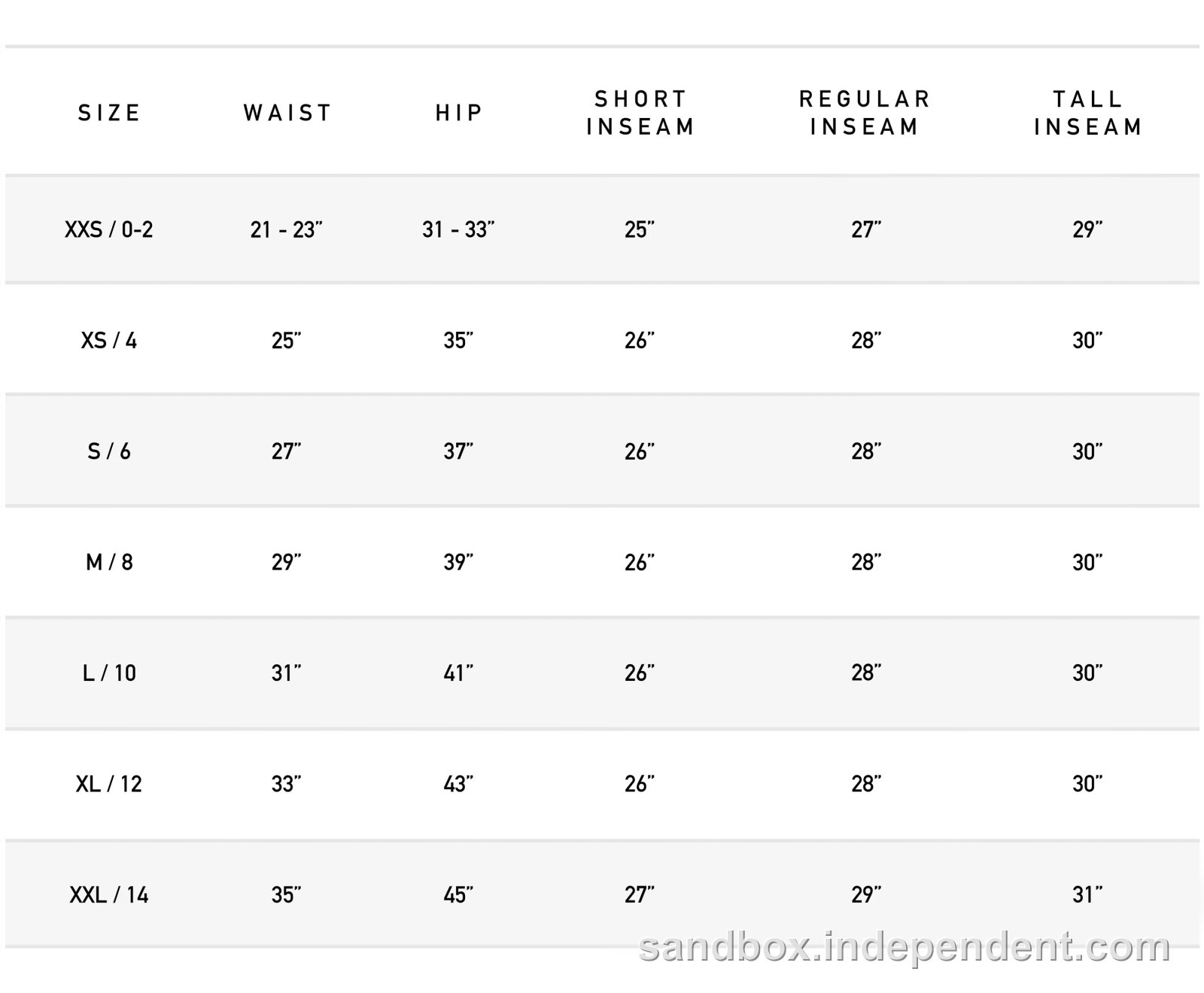








Chicos Size Chart Easy Overview
Many people approach the nail length chart with some confusion, assuming it's a complex tool when it's actually a simple, handy reference. Rest assured, it's an easy-to-use guide!
The chart provides a clear visual representation of nail lengths, offering a quick way to measure and compare. While values may vary slightly depending on your region or the brand you use, the nail length chart remains a reliable tool for anyone seeking precision and consistency. Think of it as your go-to nail size chart or fingernail measurement guide!
Nail Length Chart: A Practical Guide
A nail length chart is a handy tool that provides a reference for various nail lengths, typically used in the beauty and fashion industries. It offers a visual representation of different nail sizes, helping you understand and communicate nail lengths effectively.
Understanding the Key Details
The chart usually displays nail lengths in two common units: inches and millimeters. You'll find categories like "Short," "Medium," and "Long," each with a range of values. For example, short nails might be 0.5 to 1 inch (or 12 to 25 mm), while long nails could be 1.5 to 2 inches (38 to 51 mm).
Reading the Chart and Measuring Nails
Here's a step-by-step guide to using the nail length chart:
- Identify the unit you prefer, whether it's inches or millimeters.
- Locate the category that best describes the nail length you want to measure or achieve.
- Within that category, find the specific length you need. For instance, if you want medium-length nails, you might aim for 1 inch (25 mm).
- Use a nail length gauge or a simple ruler to measure your nails against the chart's values.
Variations and Differences
It's important to note that nail length charts may vary depending on the standard or context. Different regions and industries might have slightly different measurements or categories. For instance, the US and international standards might have slight variations in the exact ranges for each category. Additionally, specific nail art or design trends can influence the definitions of nail lengths.
To ensure accuracy, always refer to the appropriate standard for your industry or region. If you're unsure, it's best to double-check the exact specifications or consult a professional. Remember, the chart provides a general guide, but precise measurements might require additional tools or expertise.
Hey there! I hope this nail length chart guide has been helpful. Remember, these measurements are a great starting point, but they can vary slightly depending on the context and your personal preferences.
It's always good to have a reference guide like this handy, so feel free to bookmark this page for future nail adventures! You'll find other practical guides on our blog too, so make sure to check them out for more tips and tricks. Happy measuring!
Related: Find Your Perfect BJJ Gi Size: A Simple Guide
You're here because you need to find the right size for your BJJ gi, and you want a quick, accurate solution. The BJJ gi size chart is your go-to resource, a simple yet effective tool to ensure you get the perfect fit. This chart, a sizing guide, provides a straightforward way to navigate the world of Brazilian jiu-jitsu gi sizes, offering standard measurements and recommendations. While values may vary slightly depending on the brand or region, the chart is a reliable starting point for your sizing journey.
Understanding the BJJ Gi Size Chart
The bjj gi size chart is your handy guide to finding the perfect fit for your Brazilian Jiu-Jitsu gi. It's a reference tool that simplifies the sizing process, ensuring you get a gi that's comfortable and functional for your training sessions.
Comparing Size Standards and Formats
Size charts for BJJ gis typically follow standard measurements based on body height and weight. These charts often provide a range of sizes, from extra small to extra large, with some brands offering even more specific sizing options like A1, A2, and so on. The key is to find the right balance between a gi that's not too baggy or too tight, allowing for freedom of movement and comfort during rolls.
Step-by-Step Guide to Using the Chart
Using the bjj gi size chart is straightforward. First, measure your height and weight accurately. Then, refer to the chart, which will typically have height and weight categories. Find the intersection of your height and weight categories to determine your gi size. For instance, if you're 5'10" and weigh 170 lbs, you might fall into the A2 size category.
Here's a simple step-by-step process:
- Measure your height and weight.
- Refer to the size chart and identify your height and weight categories.
- Determine the size that corresponds to the intersection of these categories.
- If you're between sizes, consider the fit you prefer. A tighter fit might be better for competition, while a looser fit could be more comfortable for training.
- Always double-check the brand's specific size guide, as some may have slight variations.
Avoiding Common Misreadings and Pitfalls
One common mistake is relying solely on your usual clothing size when choosing a BJJ gi. Bjj gi sizes often differ from regular clothing sizes, so it's crucial to refer to the specific gi size chart. Another pitfall is assuming all brands use the same size standards. While many follow similar guidelines, slight variations exist, so always check the brand's size guide.
Factors Affecting Accuracy and Real-World Use
Several factors can influence the accuracy of the bjj gi size chart. Firstly, the chart is a general guide, and individual body types can vary. For instance, someone with a broader chest or longer arms may need to consider these specific measurements when choosing a gi. Secondly, the fit preference can vary between practitioners. Some prefer a more tailored fit, while others opt for a looser, more traditional look.
Choosing the Right Format for Your Needs
When it comes to bjj gi size charts, you'll find various formats and standards. Some brands provide detailed charts with precise measurements for each size, while others offer a more simplified guide. If you're new to BJJ or unsure about your size, a detailed chart with measurements can be extremely helpful. However, experienced practitioners who know their preferred fit may find a simpler chart sufficient. It's essential to consider your needs and the brand's reputation when choosing a size chart.
Well, there you have it! A comprehensive guide to BJJ gi sizing charts, covering all the bases. We've compared the options, walked you through the process, and highlighted some potential pitfalls. Remember, when it comes to finding the perfect fit, context is key.
So, before you finalize your choice, take a moment to consider your personal preferences and the specific requirements of your practice. It's always a good idea to have this guide bookmarked for future reference, just in case you need a quick sizing reminder. Happy rolling!
Related: What is a Carilion E Chart?
The Carilion E Chart is a valuable tool, often presented as a diagram or reference table, designed to provide a quick and accessible way to understand and interpret data. This guide aims to demystify its use, offering a practical approach to reading and applying the information it presents. From measurement conversions to common use cases, the Carilion E Chart serves as a standard reference, and we'll explore its versatility and how it can be tailored to different contexts.
Carilion E Chart: Unlocking Practical Insights
The Carilion E Chart is a powerful visual tool that provides a comprehensive overview of a specific set of data, offering valuable insights and a quick reference guide for various applications. This chart is particularly useful for understanding and interpreting measurements and categories, making it a go-to resource for professionals and enthusiasts alike.
Key Details and Standard Units
The Carilion E Chart typically displays a range of values or categories on a standardized scale. The chart's axes represent different variables, with the horizontal axis often showing a measurement or quantity, and the vertical axis indicating a corresponding value or category. The units used on the chart depend on the specific standard being followed. For instance, it might display measurements in inches or centimeters, and categories could be labeled with clear, concise terms.
Interpreting the Data: A Step-by-Step Guide
Start by identifying the variables on the chart's axes. The horizontal axis often represents the primary measurement or quantity, while the vertical axis provides the corresponding values or categories.
Next, locate the data points of interest. These points are typically represented by dots, lines, or symbols, each corresponding to a specific value or category.
Read the values or categories carefully. Ensure you understand the units used and any labels or legends provided. This step is crucial for accurate interpretation.
Analyze the patterns and trends. Look for any noticeable patterns, clusters, or outliers. These can provide valuable insights into the data and its context.
Compare and contrast. When working with multiple sets of data, compare the values or categories to identify similarities and differences. This can help you draw meaningful conclusions.
Apply the insights. Use the information gained from the chart to make informed decisions or take appropriate actions. The Carilion E Chart is a practical tool, so its value lies in its application.
Variations and Exceptions
While the Carilion E Chart offers a standardized visual representation, variations can occur due to different standards, regions, or specific use cases. For example, the units of measurement might differ between the US and international systems, or a manufacturer might have unique specifications. It's essential to be aware of these variations and refer to the appropriate standard or specification when using the chart.
Practical Tips for Use and Common Mistakes
To ensure accurate interpretation and avoid common mistakes, consider the following:
Always refer to the latest version of the Carilion E Chart for your specific application or industry. Standards and specifications can evolve, so staying updated is crucial.
Pay close attention to the units of measurement and ensure they align with your requirements. Converting units incorrectly can lead to significant errors.
Be mindful of any assumptions or approximations made when creating the chart. These may not apply to all situations, so double-check the exact specifications when necessary.
Avoid overinterpreting the data. The Carilion E Chart provides a snapshot of information, and further analysis or context may be required for a comprehensive understanding.
When in doubt, consult the original source or an expert in the field. They can provide additional insights and ensure you are using the chart correctly.
Remember, the Carilion E Chart is a valuable tool, but it should be used as a guide rather than a definitive answer. By following these practical tips and being aware of potential variations, you can make the most of this visual aid in your work or projects.
Remember, while the core principles remain the same, exact details can vary slightly depending on your specific context or the standards you're working with. It's always a good idea to double-check and adapt as needed.
Consider bookmarking this page for future reference; it might just save you some time and effort the next time you need a quick reminder. Happy referencing, and feel free to explore our other guides for more practical tips!