

Chicos Size Charts Letter Size Overview
A common mistake when dealing with socket size charts is assuming they are universal. While these charts are incredibly useful, it's important to understand that they can vary depending on your location and the specific standards you're working with.
So, when you're tackling a project, whether it's a simple home repair or a more complex task, referring to the right socket size chart is key. These charts provide a quick and accurate way to identify the right tool for the job, ensuring you don't end up with a metric socket when you need an imperial one!
Understanding Socket Size Charts
Socket size charts are your practical guides to choosing the right socket for the job. They provide a clear, visual reference for different socket sizes, helping you select the correct tool for your needs.
Key Details and Units
These charts typically display socket sizes in either metric or imperial measurements, depending on the standard being used. The metric system is widely adopted internationally, while the imperial system is more common in certain regions like the United States. The chart will list socket sizes in these units, often in millimeters (mm) or inches (in).
Reading the Chart: A Step-by-Step Guide
- Identify the measurement system: Determine whether your chart uses metric or imperial measurements. This is crucial as it affects the size categories and conversions.
- Locate the size category: Look for the specific size you need. Socket size charts often list sizes in ascending or descending order, making it easy to find the right one.
- Note the dimensions: The chart will provide the inner and outer dimensions of the socket. These are critical for ensuring a proper fit with your fastener or tool.
- Consider the drive size: Socket size charts may also include information about the drive size, which is the size of the square hole in the socket that fits onto a ratchet or breaker bar. Ensure this matches your tool.
Variations and Differences
Socket size charts can vary depending on several factors:
- Measurement System: As mentioned, the metric and imperial systems have different units and size categories.
- Standard Organizations: Different organizations or regions may have their own standards and specifications, leading to variations in socket sizes.
- Manufacturer Preferences: Some manufacturers may use slightly different sizes or designs, especially for specialty sockets.
- Tool Type: Sockets designed for specific tools, like impact wrenches, may have unique dimensions.
Common Mistakes and How to Avoid Them
- Mixing Measurement Systems: Always ensure you're using the correct system (metric or imperial) to avoid mismatched sizes.
- Assuming Standard Sizes: Don't assume all sockets follow the same standard. Double-check the exact specifications, especially for specialty sockets or tools.
- Neglecting Drive Size: The drive size is crucial for a proper fit with your ratchet or bar. Always check this specification.
- Forgetting Tolerances: Sockets have tolerance ranges. Ensure your fastener falls within the socket's tolerance range for a secure fit.
Remember, while socket size charts are invaluable tools, they are just guides. Always refer to the specific tool's or manufacturer's instructions for exact specifications.
Hey there, I hope this socket size chart has been a handy reference for you! Remember, while these charts provide a solid framework, the exact details can vary slightly depending on the specific context or standard you're working with. It's always a good idea to double-check the relevant specs for your project.
Feel free to explore our other guides on similar topics. We've got a whole collection of practical resources to help you tackle various DIY and technical challenges. Happy learning and keep those tools organized!
Related: What's the Right Pillow Size for You?
Many people assume that pillow sizes are a one-size-fits-all affair, but that's not the case! A pillow size chart is your go-to resource for understanding the diverse world of pillow dimensions. It's a simple yet powerful tool, offering a quick glance at the various sizes and their intended uses. From standard pillow dimensions to specialty sizes, this chart ensures you find the perfect fit for your needs.
Pillow Size Chart: A Quick Overview
A pillow size chart is a handy reference tool that provides a clear and visual guide to the various dimensions of pillows. It's like a map to help you navigate the world of pillow sizes, ensuring you get the right fit for your needs. This chart is a valuable resource for anyone looking to buy new pillows or pillowcases, as it offers a quick and easy way to understand the standard sizes available.
Comparing Standard and Custom Sizes
The beauty of a pillow size chart is that it presents both standard and custom sizes in a simple format. Standard sizes are the most common and widely used, and they often follow specific measurements and categories. These sizes are consistent across many brands and manufacturers, making it easy to find matching pillowcases or covers. On the other hand, custom sizes offer more flexibility and can accommodate unique preferences or specific requirements. Custom sizes might be necessary for specialty pillows, such as those designed for travel or medical purposes.
Step-by-Step Guide to Using the Chart
Using a pillow size chart is straightforward and can save you time and effort when shopping for pillows. Here's a simple process:
- Identify the Type: First, determine the type of pillow you need. Common types include standard, queen, king, and travel-sized pillows.
- Locate the Size: Find the corresponding size on the chart. The chart typically displays width and length measurements for each size.
- Check the Dimensions: Compare the chart's dimensions with the pillow or pillowcase you need. Ensure you match the width and length accurately.
- Consider Depth: Some charts also provide depth measurements, which is especially useful for pillows with varying thicknesses.
- Choose Your Size: Once you've found the size that matches your needs, you're ready to make an informed purchase.
Avoiding Common Misreadings
While a pillow size chart is user-friendly, it's essential to avoid a few common pitfalls:
- Unit Confusion: Always check the units of measurement. Some charts use inches, while others might use centimeters. Ensure you're comparing like with like.
- Rounding Errors: Charts often provide rounded measurements for simplicity. Be aware that actual products might have slight variations, so always check the exact specifications if precision is critical.
- Size Labels: Pay attention to size labels. For example, a "standard" size might not always be the same across different charts or regions.
Factors Affecting Accuracy
Several key factors can influence the accuracy of a pillow size chart and its real-world application:
- Regional Differences: Pillow sizes can vary between regions and countries. For instance, a "king" size in the US might differ from a "king" in Europe.
- Manufacturer Variations: Even within a region, manufacturers might have slight variations in their standard sizes. Always check the brand's specifications.
- Pillow Type: Different pillow types, like decorative or orthopedic pillows, might have unique size categories.
- Materials: The materials used can affect the overall size and shape of a pillow, especially over time as it ages and settles.
Choosing the Right Format for Your Needs
When it comes to pillow size charts, one size doesn't fit all. Here are some tips for choosing the right format:
- Standard vs. Custom: If you're looking for a quick and easy solution, a standard size chart is ideal. However, for specialized needs, a custom size chart might be more suitable.
- Online vs. Physical: Online charts are convenient, but having a physical chart or reference guide can be handy when shopping in-store.
- Visual Aids: Some charts use visual representations, like images or diagrams, to show size differences. These can be especially helpful for visual learners.
Keeping Your Reference Reliable
To ensure your pillow size chart remains a reliable reference, consider the following:
- Update Regularly: Pillow size standards can evolve over time. Periodically check for updated charts to ensure you have the latest information.
- Multiple Sources: Cross-reference charts from different sources to verify the accuracy of the measurements.
- Manufacturer Guides: Many pillow manufacturers provide their own size guides. Refer to these for specific product lines.
- Personal Notes: If you have unique pillow requirements, make a note of the sizes you need and keep them with your chart for easy reference.
So, there you have it! A handy pillow size chart can be a real game-changer for getting the perfect fit and comfort. But remember, it's always a good idea to double-check your specific needs and measurements to ensure you're getting the right size for your bed and sleeping style.
Feel free to explore our other guides and resources on similar topics. We've got plenty of practical tips and tricks to help you create a cozy and comfortable sleep space. Happy snoozing!
Related: Understand Depth Charts NFL: A Simple Guide
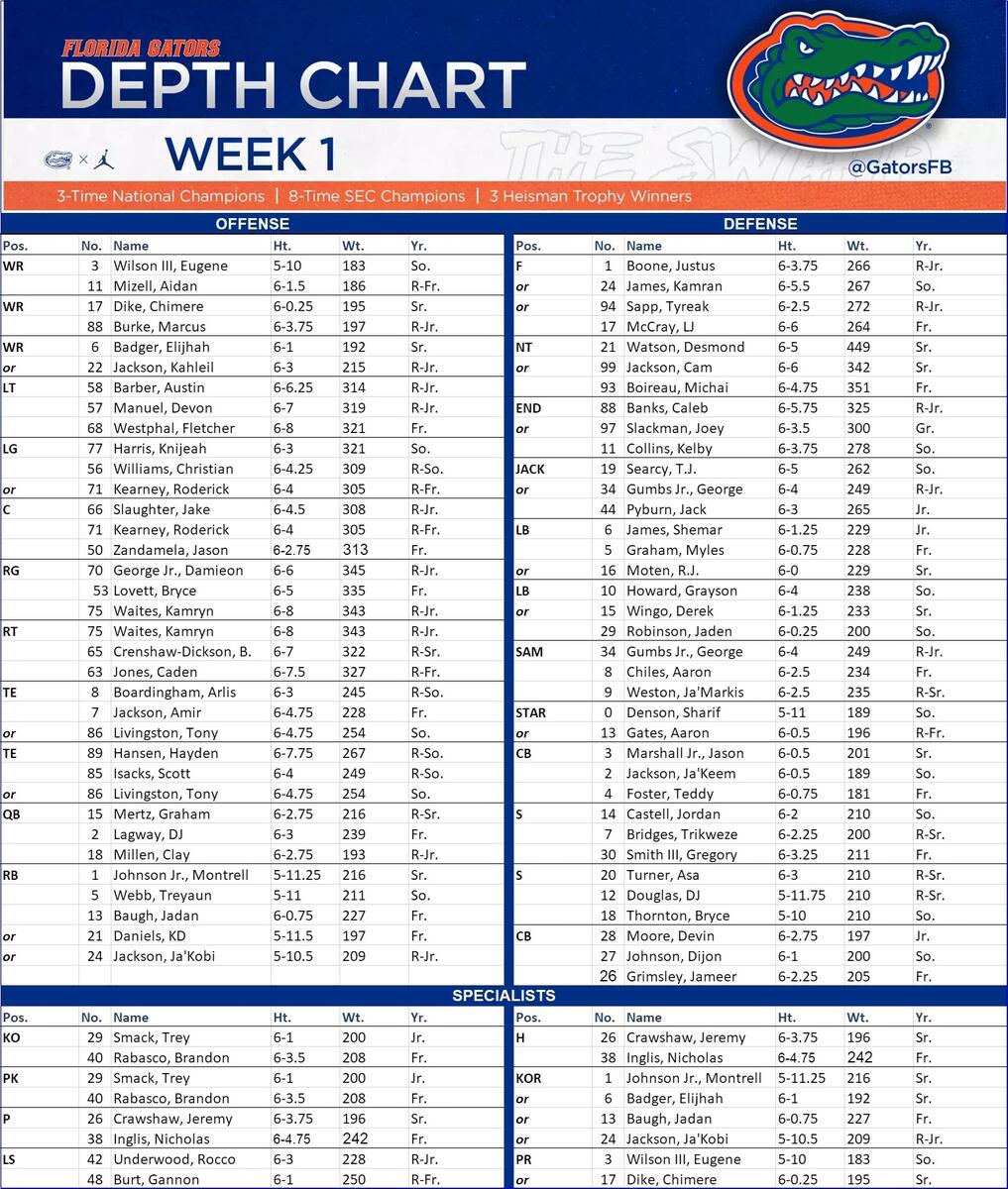
A common misconception about depth charts NFL is that they are merely a list of players; however, these charts are so much more than that. They provide a strategic overview, offering a unique insight into a team's tactics and player hierarchy. Depth charts NFL serve as a concise reference, allowing fans and analysts to quickly grasp a team's depth and potential, especially in specific positions.
Understanding Depth Charts: An Overview
A depth chart in the NFL is a valuable tool that provides an organized, visual representation of a team's roster. It offers a snapshot of the players' positions and their hierarchy within the team, giving coaches, players, and fans a clear understanding of the team's structure. This chart is an essential reference for strategizing and making informed decisions.
Comparing Depth Chart Formats and Standards
The depth chart follows a standardized format, typically arranged by position groups. Each position group is further organized with the starters at the top, followed by backups, and sometimes even further depth players. The chart may also include injury status indicators or notes about player availability. The NFL depth chart is a consistent tool, ensuring a clear and comparable view of team rosters across the league.
Reading a Depth Chart: A Step-by-Step Guide
To read a depth chart, start by identifying the position groups. These are usually labeled clearly, such as "Offensive Line," "Running Backs," or "Defensive Backs." Within each group, the players are listed in a hierarchical order. The starters, or the first-choice players, are at the top, followed by the backups, who are often listed in the order of their experience or skill level. Pay attention to any notes or symbols indicating injuries or special circumstances. These can provide valuable insights into a player's availability and the team's strategy.
Common Misreadings and How to Avoid Them
One common mistake is assuming that the depth chart is a strict hierarchy, where the second player listed is always the direct backup. While this is often the case, it's important to note that coaches may have specific strategies and plans. For instance, a team might have a veteran player listed as a backup, but they could be used in a rotational role or for specific packages. Additionally, injury situations can lead to unexpected changes, so always consider the latest updates and news to ensure an accurate interpretation.
Key Factors Affecting Depth Chart Accuracy
- Injury Status: Player injuries can significantly impact the depth chart. When a starter is injured, the backup steps up, and this can cause a ripple effect, moving players further down the depth chart into starting roles.
- Player Performance: The depth chart is a living document, and player performance can cause fluctuations. A player's impressive performance may see them rise up the chart, while a struggling player might find themselves demoted.
- Team Strategy: Coaches may have long-term plans and strategies, which can influence the depth chart. For instance, a team might want to develop a young player, so they might be listed higher on the chart to ensure they get more playing time.
Adapting Depth Charts for Specific Needs
While the standard depth chart format is consistent, teams and analysts may adapt it for their specific needs. Some teams might create more detailed charts, including additional notes on player strengths, weaknesses, or specific roles. Analysts might create depth charts that focus on specific scenarios, such as a "Red Zone" depth chart, which highlights the players most likely to be used in short-yardage situations. These adaptations ensure that the depth chart remains a versatile and valuable tool for various users.
Depth charts are a handy tool, offering a quick reference and a clear overview. It's important to remember that while they provide a valuable snapshot, they are just one part of the puzzle.
As you've seen, there are various factors and considerations to keep in mind when working with depth charts. Always ensure you're using the right format and data for your specific needs. Double-check the sources and standards you're referencing to ensure accuracy and relevance.
Feel free to explore our other guides and resources for more insights and practical tips. We've got a range of topics covered, so you can find the information you need to stay informed and make the most of your reference tools.