



Childrens Crossword Puzzles Printable Overview
A common misconception about the cat chonk chart is that it's solely about judging a cat's appearance; however, this visual tool serves a much more practical purpose. The cat chonk chart, or feline weight chart, is an essential reference for cat owners, providing a clear guide to assess a cat's body condition and overall health. It offers a simple yet effective way to understand and monitor your cat's weight, ensuring they maintain an ideal and healthy size.
Understanding the Cat Chonk Chart
The cat chonk chart is a valuable tool for cat owners and veterinary professionals to assess a cat's body condition and determine if they are at a healthy weight. It provides a visual representation of different body types and helps identify if a cat falls within the ideal weight range. This chart is a simple yet effective way to monitor a cat's health and make informed decisions about their diet and lifestyle.
Key Details and Categories
The cat chonk chart typically consists of a reference grid or a series of images depicting cats with varying body conditions. It often includes categories such as "Underweight," "Ideal Weight," "Overweight," and "Obese." These categories are further divided into sub-ranges, providing a more detailed assessment. The chart may also feature additional information, such as breed-specific considerations and guidelines for different life stages. It is essential to note that the chart's accuracy depends on the standard used; some charts follow international guidelines, while others may be region-specific.
Interpreting Results: A Step-by-Step Guide
To use the cat chonk chart accurately, follow these steps:
- Familiarize yourself with the chart's layout and categories. Understand the visual representations and their corresponding weight ranges.
- Assess your cat's body condition by feeling their ribcage, spine, and hips. These areas should have a slight covering of fat but not be overly padded.
- Compare your cat's body condition to the images or descriptions on the chart. Look for similarities in terms of body shape, muscle definition, and overall appearance.
- Determine which category your cat falls into. If your cat's body condition aligns with the "Ideal Weight" category, they are likely at a healthy weight. If they are on the border or slightly above, it may indicate a need for weight management.
- Consult with a veterinarian if you have concerns or need further guidance. They can provide personalized advice and help you create a plan to maintain or improve your cat's health.
Variations and Differences Across Standards
It is important to note that cat body condition score charts may vary depending on the standard or region. Different organizations and veterinary associations may have slightly different criteria and weight ranges. Additionally, breed-specific considerations and individual factors can influence the interpretation of the chart. For instance, certain breeds may have naturally larger or smaller frames, affecting their ideal weight range. Always refer to reputable sources and consult professionals to ensure you are using the most appropriate chart for your cat's needs. While the cat chonk chart provides a helpful framework, it is essential to consider each cat's unique characteristics and consult experts for accurate weight management.
While the chart provides a clear and concise guide, it's important to remember that the specifics may differ slightly based on individual circumstances. Each cat is unique, and their health and weight journey is a personal one. So, keep an eye on your furry friend's progress and adjust as needed.
If you're keen to explore more practical guides like this, feel free to browse our other resources. We've got a range of topics covered, so you're sure to find something useful. Happy reading and here's to healthy, happy cats!
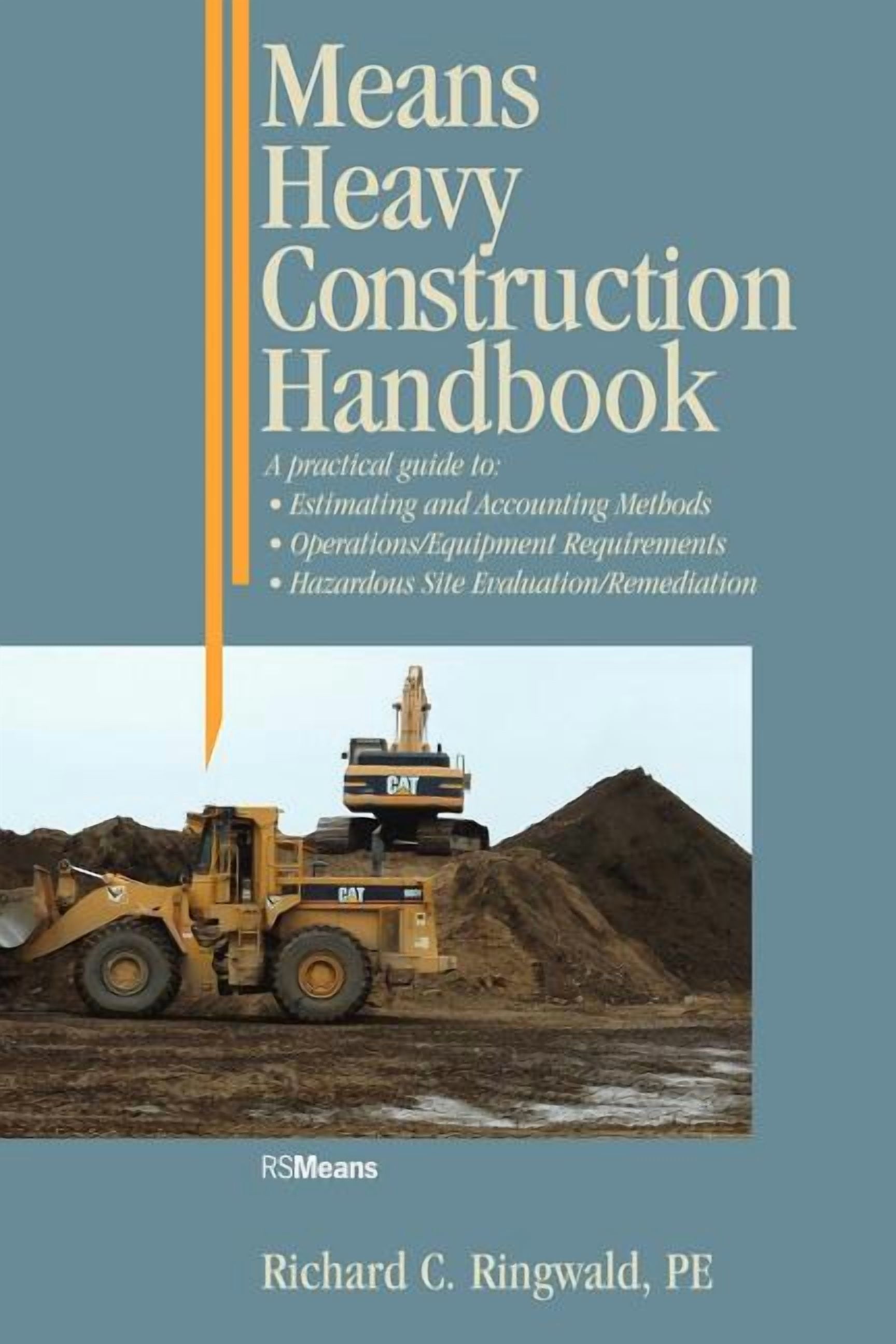
Related: RSMeans Estimating Essential Guide For Builders
RSMeans estimating... it's a term I've come across recently, and I was curious to know more. As someone who's dabbled in home renovations and heard about construction projects, I wanted to understand what this phrase means and how it relates to the world of building and remodeling. So, let's dive in and uncover the secrets behind RSMeans estimating!
Unraveling the Mystery: What is RSMeans Estimating?
RSMeans estimating is a tool, a resource, and a method used by construction professionals to estimate the costs and pricing of various projects. It's like a handy guide that helps builders, contractors, and even homeowners like me make informed decisions. This estimating process considers factors like labor, materials, and the overall scope of the work to provide an accurate cost estimate.
For those of us considering a home renovation, understanding RSMeans estimating can be a game-changer. It empowers us to compare quotes, ensure we're getting a fair deal, and make smart choices about our projects. Whether it's a bathroom renovation or a full-scale house addition, having a reliable estimate is crucial.
Hiring the Right Contractor: A Guide
When it comes to hiring a contractor for your project, RSMeans estimating can be a valuable tool. It helps you evaluate quotes and understand the breakdown of costs. Here's a simple guide:
- Check the contractor's experience and reputation.
- Ask for references and read reviews.
- Get multiple quotes and compare them.
- Ensure the quote covers all aspects of the job.
- Look for transparency and clear communication.
A good quote should detail the work, materials, and labor costs. It should also include any potential additional expenses, like permits or unexpected issues. Remember, it's not just about the lowest price; it's about finding a reliable and skilled contractor who understands your vision.
Construction Business Names: A Creative Challenge
Naming a construction business is an art! It's a chance to be creative and leave a lasting impression. A great name should be memorable, reflect your company's values, and stand out in a competitive market. Here are a few ideas:
- BuildCraft
- HomeWorkz
- SkyRise Solutions
- EarthMovers
- Brick & Mortar Pros
- BuildTech Innovations
Before settling on a name, check its availability for domains and local registration. You want to ensure your business name is unique and can be easily found online.
The World of Construction Jobs
The construction industry offers a wide range of roles, from estimators to project managers and skilled laborers. Estimator jobs, for instance, involve using tools like RSMeans to calculate costs accurately. These professionals are in demand and play a crucial role in the success of projects.
If you're interested in construction jobs, explore online job boards, local newspapers, and industry-specific websites. Many construction companies also advertise directly on their websites, so it's worth keeping an eye out for openings.
RSMeans: A Powerful Tool for Professionals
RSMeans is a trusted resource in the construction industry. It provides cost databases, escalation data, and cost indexes, helping professionals make informed decisions. Whether you're a general contractor or a remodeling company, RSMeans estimating offers valuable insights.
This tool is especially useful when planning projects, as it helps anticipate costs and stay within budget. It's a go-to resource for many in the industry, providing accurate and up-to-date information.
Big vs. Small: The Construction Industry Landscape
The construction industry is diverse, with both large corporations and small, local businesses. Large firms often have the resources to take on major projects and offer a wide range of services. They may have a broader reach and access to more specialized skills.
Small businesses, on the other hand, can provide a more personalized experience. They often have a strong local presence and can offer competitive pricing. When choosing a company, consider your project's scope and your preferences for size and expertise.
In conclusion, RSMeans estimating is a valuable tool for anyone involved in construction, remodeling, or building projects. It empowers us to make informed decisions, compare costs, and ensure a successful outcome. So, whether you're in Atlanta, Baltimore, or San Francisco, RSMeans estimating is a resource worth exploring!
Related: Find the Right Horse Color: A Simple Chart
A common misconception about the horse colors chart is that it's solely for identifying a horse's color; however, it serves a more nuanced purpose. This chart is an essential tool, offering a comprehensive guide to understanding and categorizing equine coat colors and patterns. It provides a structured way to navigate the diverse world of horse colors, ensuring accuracy and consistency.
Horse Colors Chart: A Guide to Equine Coat Colors
The horse colors chart is a valuable tool for anyone interested in understanding and identifying the diverse range of coat colors found in horses. This reference guide provides a comprehensive overview of the various colors and patterns, helping you accurately describe and categorize equine coats.
Key Color Categories and Terminology
The chart organizes horse coat colors into several main categories, each with its own unique characteristics. These categories include:
- Base Colors: The foundation colors, such as bay, black, and chestnut, form the basis of many other variations.
- Dilute Colors: When a dilution gene is present, it modifies the base color, resulting in shades like palomino, buckskin, and cremello.
- Patterned Coats: These include distinctive patterns like pinto, which features large patches of white, and appaloosa, known for its unique spotted patterns.
- Markings and White Patterns: Separate from coat colors, these include facial markings like stars and blazes, as well as white leg markings.
Practical Color Identification: Step-by-Step
To use the horse colors chart effectively:
- Start by identifying the base color. Is it bay, black, or chestnut? This forms the foundation.
- Look for any dilution effects. Does the horse's coat appear lighter than the base color? This could indicate the presence of a dilution gene.
- Note any distinctive patterns. Are there large white patches, indicating a pinto, or unique spots, suggesting an appaloosa?
- Observe and record any facial or leg markings. These add further detail to your color description.
- Combine these observations to determine the horse's overall coat color and pattern.
Variations and Differences Across Standards
It's important to note that horse colors chart standards may vary slightly between different regions and organizations. While the basic categories remain consistent, specific definitions and terminology can differ. For example, some charts may include more detailed subcategories for certain colors or patterns. Always refer to the specific standard or association for precise definitions.
Common Mistakes and How to Avoid Them
- Misinterpreting Dilution: Mistaking a dilute color for a base color is common. Always look for signs of dilution, such as lighter eyes or a lighter mane and tail.
- Confusing Patterns: Pinto and appaloosa patterns can be similar at first glance. Take time to observe the size, shape, and distribution of white or spotted areas.
- Neglecting Markings: Facial and leg markings are unique identifiers. Don't overlook these when describing a horse's color.
- Relying on One Reference: While the horse colors chart is a great tool, it's beneficial to cross-reference with other resources or experts to ensure accuracy.
Tips for Accurate Color Description
- Lighting and Time of Day: Observe the horse's coat in various lighting conditions and times of day. Some colors may appear different under different lighting.
- Distance and Angle: View the horse from different angles and distances to get a comprehensive understanding of its coat.
- Compare and Contrast: Use reference images or consult with experienced horse owners or breeders to compare and confirm your observations.
- Document and Record: Keep a record of the horse's color and markings, especially if you're working with multiple horses. This helps with accurate identification and description.
By following these steps and tips, you can accurately utilize the horse colors chart and enhance your understanding of equine coat colors.
Remember, while this chart serves as a fantastic reference, it's always wise to cross-reference with other resources or experts in your field to ensure you're up-to-date with the latest standards and practices.
Take a moment to review the specific requirements of your project or context. Every situation is unique, and while this guide provides a solid foundation, it's important to tailor your approach accordingly. Consider bookmarking this page for future reference; it might just save you some time and effort down the line!