


Christmas Gift Png Overview
Many people often assume that abc behavior charts are solely for teachers and classrooms, but they are so much more versatile and beneficial than that! While they are commonly used in educational settings, these charts are a powerful tool for anyone looking to track and improve behavior. The beauty of abc behavior charts lies in their simplicity and adaptability; they can be tailored to suit various contexts and goals.
Understanding the ABC Behavior Chart
The ABC Behavior Chart is a simple yet effective tool for tracking and managing behavior. It provides a visual representation of an individual's behavior patterns, helping to identify and address any issues or positive trends. This chart is a great way to encourage desired behaviors and set clear expectations.
Key Details and Categories
The ABC Behavior Chart consists of three main columns: Antecedent, Behavior, and Consequence. Each column represents a critical aspect of behavior analysis:
- Antecedent: This column notes the triggers or events that precede a behavior. It helps identify potential causes or situations that lead to certain behaviors.
- Behavior: Here, you record the actual behavior observed. It could be positive, negative, or neutral, depending on the context.
- Consequence: The final column details the outcome or response to the behavior. It could be a reward, a consequence, or simply a neutral reaction.
Additionally, the chart often includes a date and time column to track when behaviors occur. This provides a timeline for analysis and helps identify patterns.
Tracking Behavior: A Step-by-Step Guide
Using the ABC Behavior Chart is straightforward:
- Observe and Record: Start by noting the antecedent, the event or trigger that precedes the behavior. Be specific and descriptive.
- Describe the Behavior: Next, write down the behavior itself. Be objective and focus on the action, not judgments or interpretations.
- Note the Consequence: Finally, record the consequence or response to the behavior. This could be a reward, a redirection, or a neutral response.
- Analyze and Adjust: Regularly review the chart to identify patterns. Look for trends in behaviors and their antecedents. This analysis helps you understand what triggers certain behaviors and allows you to adjust your strategies accordingly.
Variations and Customizing the Chart
While the ABC Behavior Chart provides a standard framework, it can be customized to suit different needs and contexts. Here are some factors that may vary:
- Frequency: The chart can be used daily, weekly, or even monthly, depending on the behavior being tracked and the goals.
- Focus: The chart can be tailored to specific behaviors, such as focusing on positive behaviors or addressing challenging ones.
- Rewards and Consequences: The consequences or rewards listed can be adjusted based on individual preferences and the behavior intervention plan.
- Visual Design: The chart's design can be adapted to make it more engaging. Adding colors, icons, or even a point system can make it more appealing, especially for younger individuals.
Remember, the ABC Behavior Chart is a flexible tool. It's essential to review and adapt it to ensure it remains an effective behavior management strategy. By understanding the chart's core components and customizing it to your needs, you can create a powerful behavior tracking system.
Hey there! We've covered a lot of ground with the ABC behavior chart, and I hope it's given you a solid understanding of this practical tool. Remember, while the basics remain the same, the exact details might shift a little depending on your specific context or the source you're using. It's always a good idea to adapt and make it work for your unique situation.
So, the next time you need a quick refresh on this topic, be sure to bookmark this page for easy access. There's no need to scour the internet; you've got all the key info right here! Feel free to explore our other guides too; we've got plenty more practical tips and tricks to share. Happy learning!
Related: How to Read a Wheel Torque Chart
You're here, probably with a spanner in hand, searching for that crucial wheel torque chart to ensure your wheels are tightened just right. It's a simple yet essential task, and that's why having a reliable chart is key. This reference guide is your go-to for getting the torque specifications right, whether you're a pro or a DIY enthusiast. The chart provides a quick and easy way to find the right lug nut torque, ensuring your wheels are securely fastened.
What is a Wheel Torque Chart?
A wheel torque chart is a handy reference tool that provides crucial information for properly tightening the lug nuts on your vehicle's wheels. It ensures your wheels are securely fastened, reducing the risk of them coming loose while driving.
Key Details and Categories
The chart displays standard torque specifications for various vehicle makes and models, along with the recommended torque values for their lug nuts. These values are typically measured in foot-pounds (ft-lbs) or newton meters (Nm). It's important to note that the chart is based on specific standards and may vary depending on the region and manufacturer.
Reading and Applying the Chart
To use the wheel torque chart, follow these steps:
- Identify your vehicle's make, model, and year. This information is essential to find the correct torque specifications.
- Locate the recommended torque value for your vehicle's lug nuts on the chart. It will be listed in either ft-lbs or Nm, depending on the standard used.
- Use a torque wrench calibrated to the appropriate unit of measurement to tighten the lug nuts to the specified torque. Ensure the wrench is set to the correct value and is in good working condition.
- Follow a tightening sequence as indicated on the chart or in your vehicle's manual. This ensures even distribution of force and prevents uneven stress on the wheel.
- Double-check the torque by re-measuring after tightening. This step is crucial to ensure the lug nuts are securely fastened to the recommended torque.
Understanding Variations
Variations in wheel torque chart specifications can occur due to several factors:
- Different vehicle makes and models may have unique requirements based on their design and weight distribution.
- Regional standards and guidelines can influence the recommended torque values. For example, the US and metric systems may have slight differences.
- Manufacturer-specific recommendations may vary to accommodate specific vehicle features or components.
- The type of wheel and lug nut material can also impact the torque specifications.
Common Mistakes and How to Avoid Them
When using a wheel torque chart, avoid these common mistakes:
- Failing to identify the correct vehicle specifications can lead to using the wrong torque values. Always refer to the chart for your specific make and model.
- Neglecting to calibrate or check the accuracy of your torque wrench can result in improper tightening. Ensure your wrench is in good condition and calibrated to the correct unit of measurement.
- Not following the recommended tightening sequence can cause uneven stress on the wheel, potentially leading to premature wear or failure.
- Relying solely on the chart without considering other factors, such as wheel and lug nut material, can be risky. Always refer to your vehicle's manual for any additional guidelines or precautions.
Remember, while the wheel torque chart provides valuable guidance, it's essential to double-check the exact specifications and tolerances for your vehicle to ensure optimal safety and performance.
So, there you have it, a quick and easy guide to understanding and using wheel torque charts. These charts are a handy reference tool, but it's always good to remember that the values can vary, so make sure you double-check the specific requirements for your project.
It's a simple process once you know how, and with this guide, you should be able to navigate any wheel torque chart with ease. Consider bookmarking this page for future reference; it might just save you some time and hassle down the line!
Related: Uncover the Army Ribbons Chart: A Simple Guide
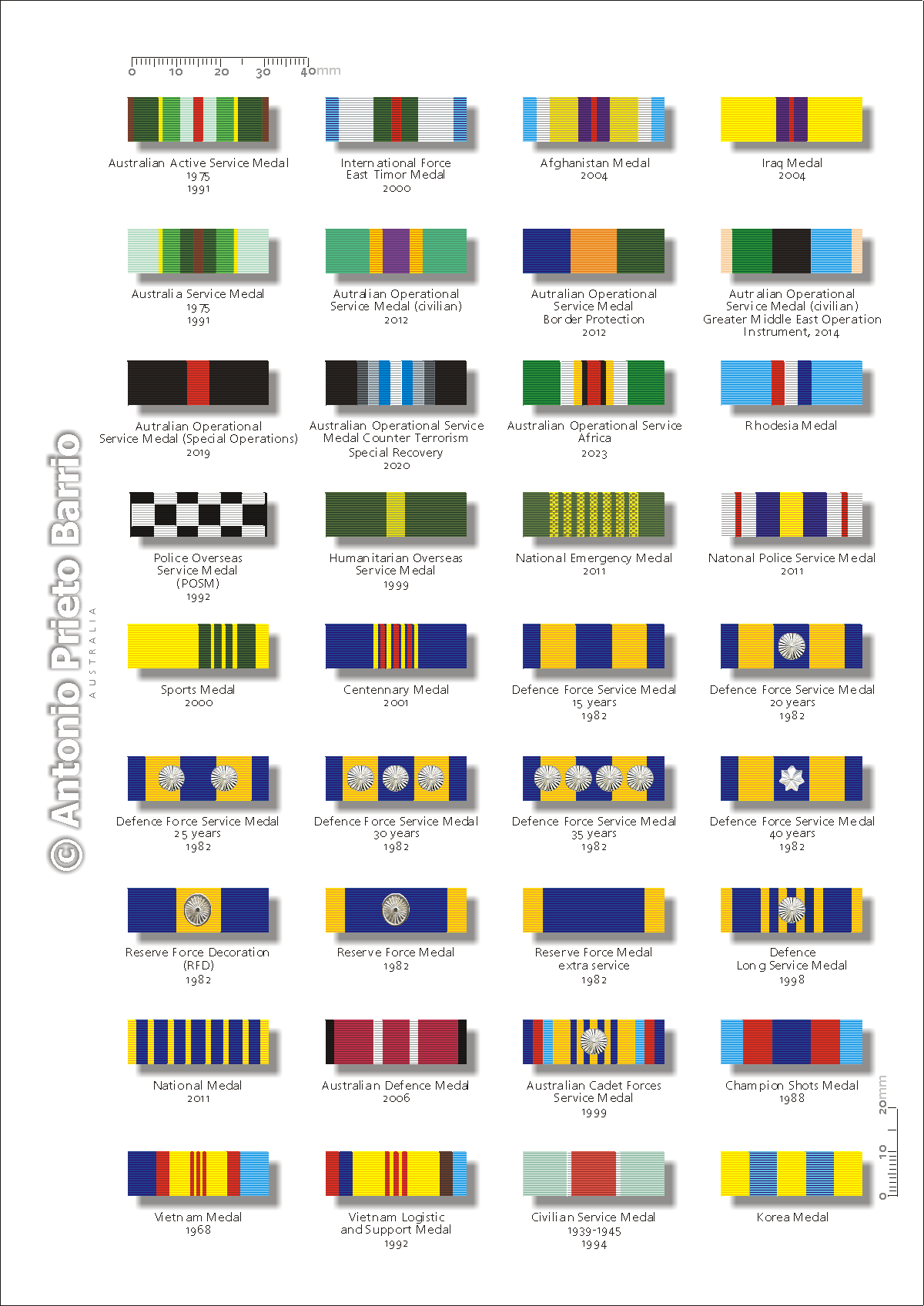
An army ribbons chart is a handy tool for anyone wanting to quickly identify and understand military awards and decorations. This guide will give you a simple breakdown of what these charts are and how they work, covering the basics you need to know.
These charts, often referred to as an army awards chart or military ribbon rack, provide a visual representation of the various service ribbons and medals. While the specific values and formats may vary, they offer a clear and concise way to display and organize these awards, ensuring an accurate and efficient reference.
Understanding Army Ribbons Chart
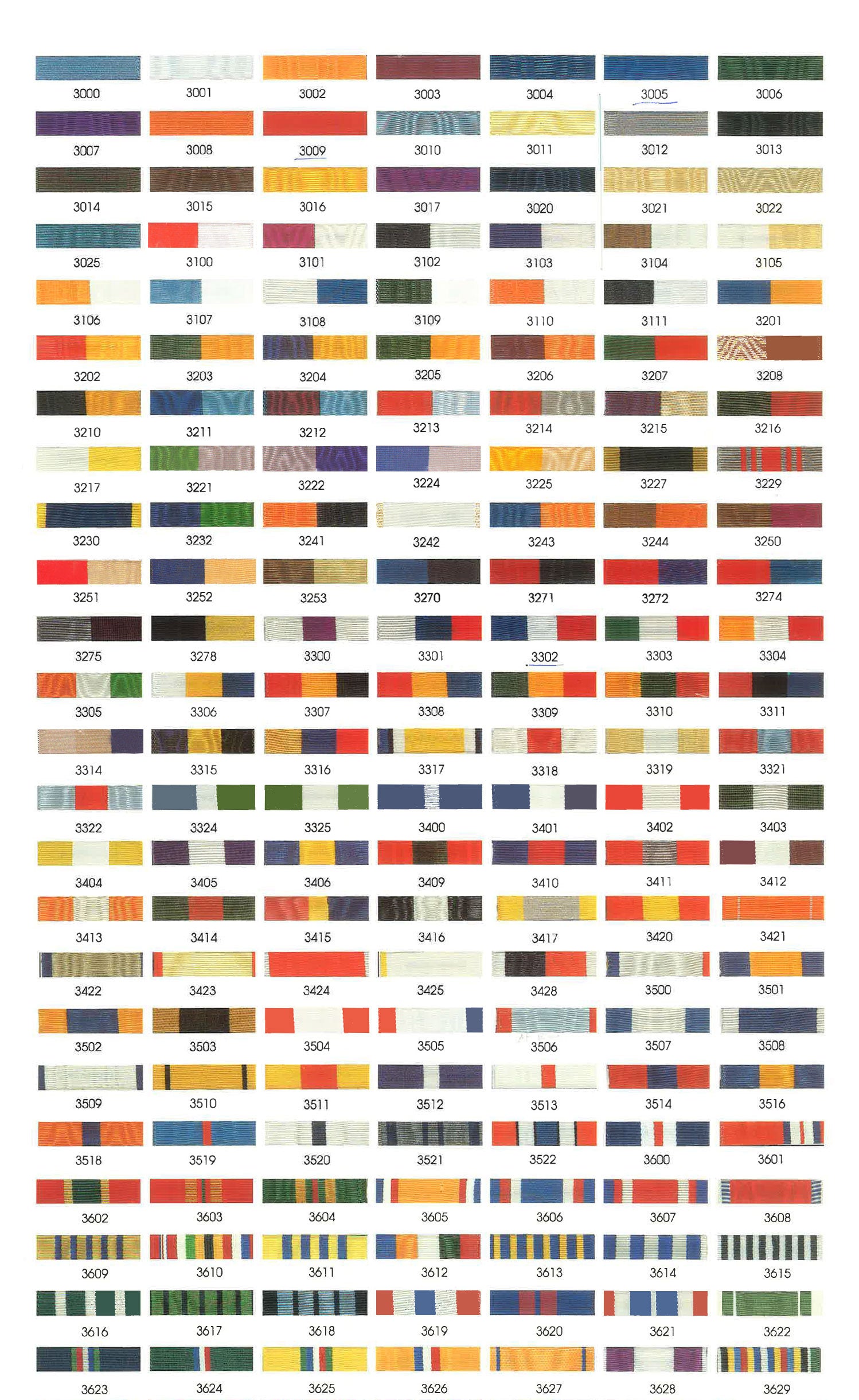
An army ribbons chart is a visual guide that displays the various awards and decorations earned by military personnel. It provides a clear and organized way to showcase an individual's achievements and honors. This chart is an essential tool for understanding and appreciating the recognition given to service members.
Key Details and Categories
The chart typically includes different types of ribbons, each representing a specific award or decoration. These ribbons are arranged in a specific order, known as the "award and decoration order." The order is crucial as it indicates the seniority and importance of each award. Common ribbon categories include service ribbons, campaign ribbons, and achievement medals. Each ribbon has its own unique design and color scheme, making it easy to identify.
Reading the Rack: A Step-by-Step Guide
When reading an army ribbons chart, pay attention to the placement and arrangement of the ribbons. The chart often follows a standard format, with ribbons displayed in rows or columns. Start by identifying the top row, which usually represents the highest-ranking awards. Work your way down, noting the different ribbons and their positions. Each ribbon's position indicates its order of precedence, with the most prestigious awards placed higher.
Variations and Differences
It's important to note that army ribbons charts can vary depending on the military branch and the specific standards followed. Different countries and regions may have their own unique award systems and ribbon designs. Additionally, within the same military branch, variations can occur due to changes in regulations or the introduction of new awards. Common factors that cause variations include the individual's service record, unit-specific awards, and the time period in which the awards were earned.
To ensure accuracy, it's recommended to refer to official sources and guidelines provided by the relevant military branch. These sources will provide detailed information on the correct placement and order of ribbons, ensuring an accurate and respectful display. Remember, the army awards chart is a dynamic representation of an individual's achievements, and understanding these variations is key to interpreting it correctly.
Well, there you have it! A handy chart to keep close by for all your army ribbon queries. Remember, these are general guidelines, and it's always wise to confirm the specifics for your particular situation.
Feel free to explore our other resources on similar topics. We've got a bunch of guides and references to help you navigate these details with ease. Happy learning!