





Cinco De Mayo Coloring Pages Overview
You're probably familiar with the term "bo7 steam charts" and are seeking a straightforward guide to understanding them. These charts offer a quick glimpse into the world of gaming analytics, providing valuable insights into player counts and game popularity. Bo7 steam charts can vary depending on several factors, so it's essential to know how to interpret them accurately. With a simple reference like this, you can gain a better understanding of steam game charts and the data they present.
Understanding Bo7 Steam Charts: A Practical Guide
The Bo7 Steam Charts are a valuable resource for gamers and industry professionals alike, offering insights into the popularity and performance of games on the Steam platform. This guide will help you navigate and interpret these charts effectively.
Key Details and Categories
Bo7 Steam Charts typically display data on a daily, weekly, or monthly basis, providing a snapshot of a game's player count and engagement over time. The charts often feature a range of categories, including:
- Player Count: This represents the number of active players for a specific game during the chosen time frame.
- Peak Players: The highest recorded player count for a game within the selected period.
- Average Players: The mean player count, calculated by averaging the daily player numbers.
- Concurrent Players: A measure of the maximum number of players online simultaneously.
- Game Popularity: A ranking or index indicating a game's overall popularity relative to others.
Interpreting the Data: A Step-by-Step Guide
To read and understand Bo7 Steam Charts, follow these steps:
- Identify the Time Frame: Determine whether the chart represents daily, weekly, or monthly data. This context is crucial for interpreting the trends.
- Locate the Game: Find the specific game you're interested in on the chart. Each game is typically represented by a unique line or color.
- Examine the Player Count: Pay attention to the scale of the chart. The y-axis often represents the player count, with higher values indicating greater popularity.
- Analyze Trends: Look for patterns over time. Is the player count consistently high, or does it fluctuate? Are there any significant spikes or drops?
- Compare Games: If the chart includes multiple games, compare their trajectories. This can provide insights into relative popularity and market trends.
- Consider Peak and Average Players: Note the difference between peak and average players. A game with a high peak but low average may indicate a dedicated fan base with sporadic playtimes.
- Interpret Concurrent Players: Concurrent players offer insights into a game's ability to sustain a large player base simultaneously. Higher concurrent numbers suggest a more engaging or multiplayer-focused game.
Variations and Differences Across Standards
It's important to note that Bo7 Steam Charts can vary depending on the standard or context. Here are some key factors that may influence the data:
- Game Genre: Different genres may have varying player retention rates and engagement patterns.
- Release Date: Newer games may experience a surge in players initially, while older games might have a more stable player base.
- Seasonal Trends: Certain games may see increased popularity during specific times of the year, such as holiday periods or special events.
- Platform Exclusivity: Games exclusive to Steam may have different player counts compared to those available on multiple platforms.
- Regional Differences: Player demographics and preferences can vary across regions, impacting game popularity.
Common Mistakes and How to Avoid Them
When interpreting Bo7 Steam Charts, avoid these common pitfalls:
- Assuming Direct Correlation: Player count alone doesn't always reflect a game's quality or success. Other factors like marketing, reviews, and player engagement should be considered.
- Ignoring Context: Always consider the time frame and any external factors that may influence player behavior.
- Overlooking Game Specifics: Each game has unique characteristics. Understand the game's genre, target audience, and release strategy to interpret the data accurately.
- Relying Solely on Charts: While Bo7 Steam Charts provide valuable insights, they are just one piece of the puzzle. Combine them with other analytics and industry knowledge for a comprehensive understanding.
- Failing to Update: Charts represent a snapshot in time. Regularly check for updates to ensure you have the latest data.
Hey there! I hope this guide has given you a clear understanding of the Bo7 Steam Charts and how to use them effectively. Remember, while the basics remain consistent, there might be slight variations in the exact details depending on the context and your specific needs.
Feel free to explore our other guides; we've got a range of practical resources to help you navigate various topics with ease. Happy learning, and keep those charts organized!
Related: How To Remodel Painting Easy
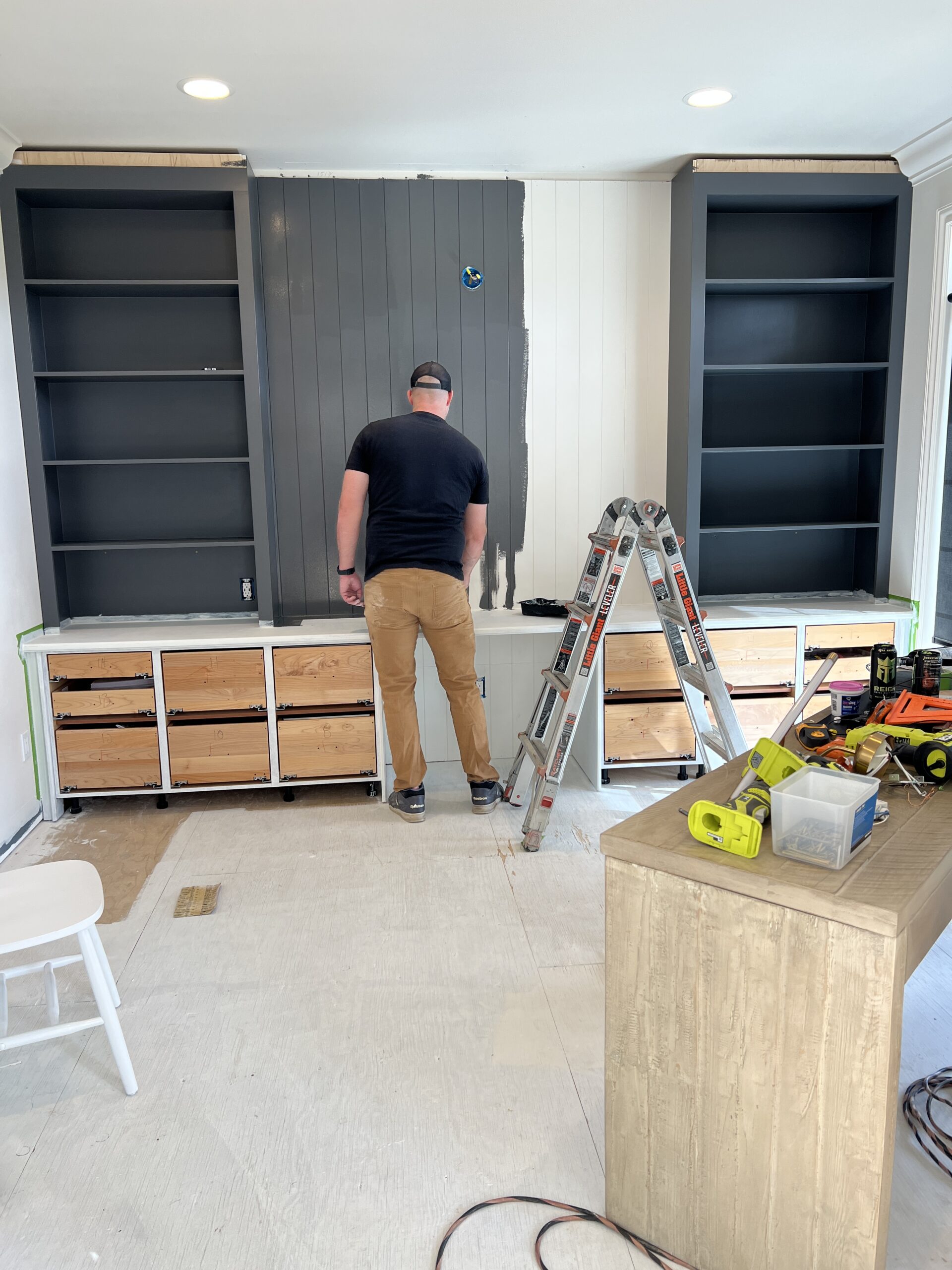
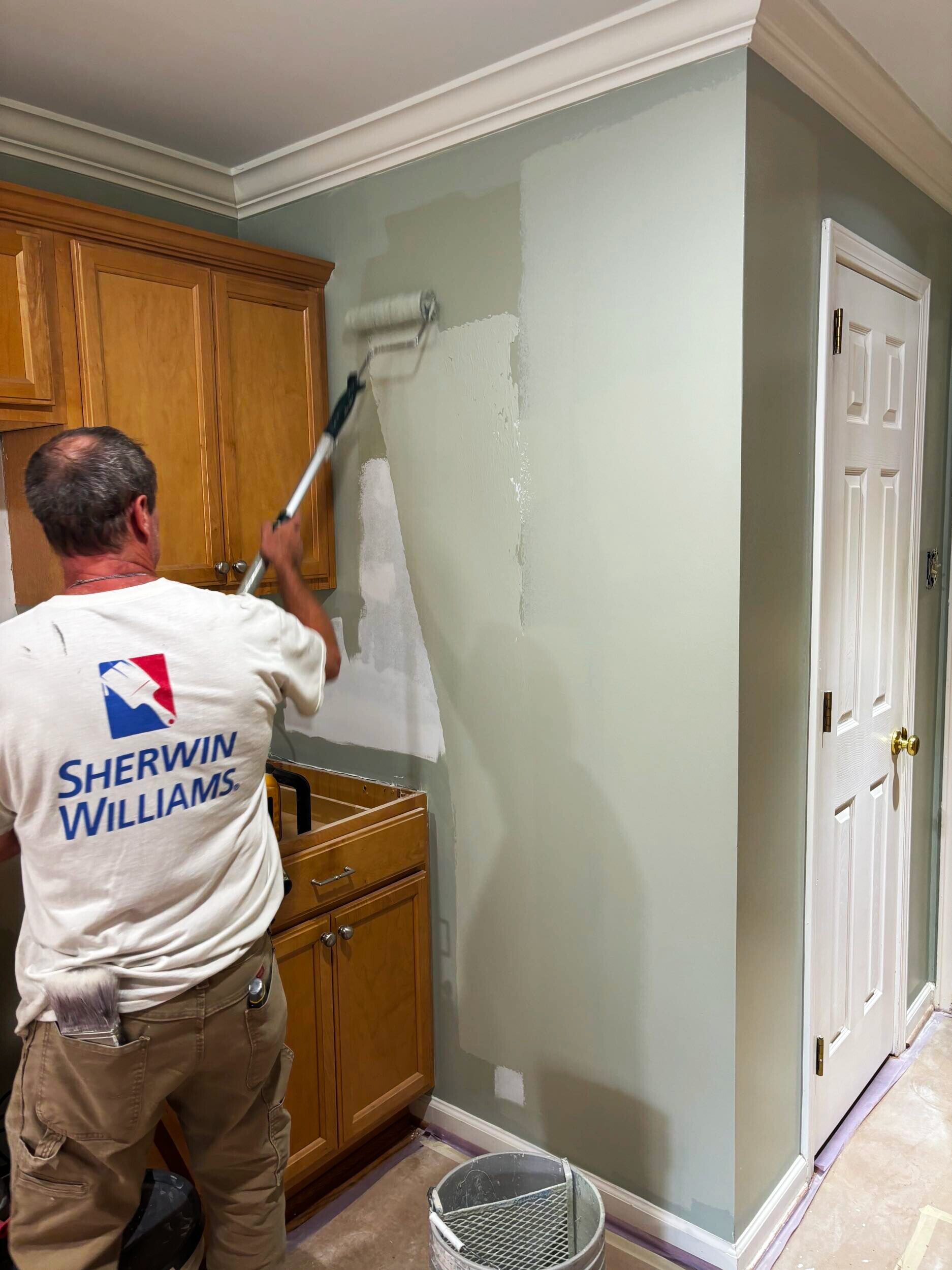
I'm getting ready to tackle a how to remodel painting project and it's a bit daunting. I mean, where do I even start? I've never done this before and I want to make sure I do it right. So, I've been doing some research and I've learned a few things that I think might help others in a similar situation.
Understanding the Process
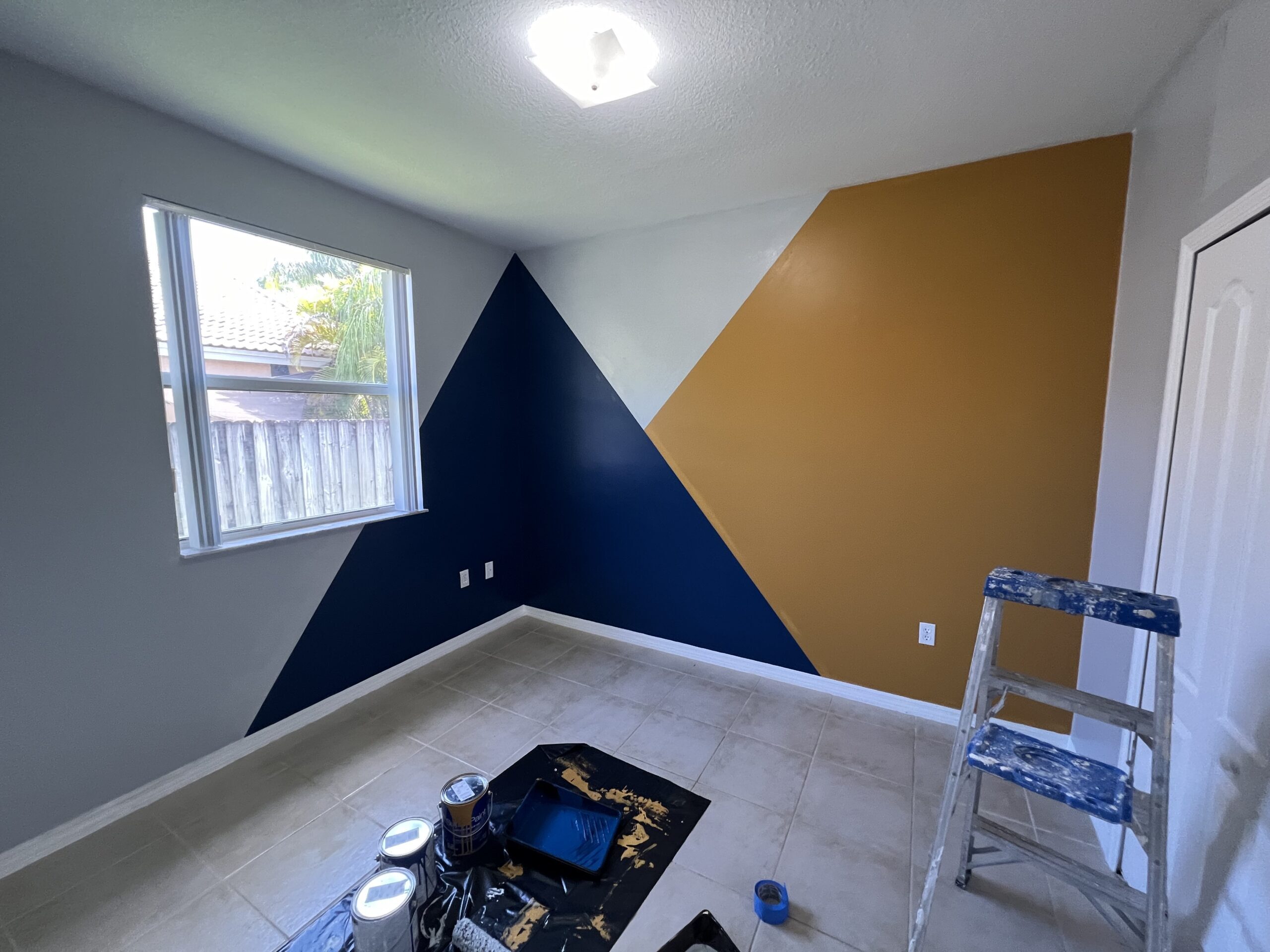
How to remodel painting is a specific type of home remodeling project that involves updating the look and feel of a room or space through a fresh coat of paint. It's a great way to transform a space without a major renovation, and it can be a fun and creative process. But, it's important to know what you're getting into and how to navigate the world of painting contractors and costs.
The first step is to assess the scope of your project. Consider the size of the space, the number of rooms, and the type of paint you want to use. This will impact the overall cost and the time it takes to complete the job. You'll also need to decide if you want to tackle the project yourself or hire a professional.
Hiring a Contractor
If you decide to hire a contractor, there are a few things to keep in mind. First, get multiple quotes. Compare prices, but also consider the quality of the work and the reputation of the company. Check online reviews and ask for references. A good contractor will be transparent about their process and pricing.
When comparing quotes, look for a detailed breakdown of the costs. This should include labor, materials, and any additional services like preparation work or special finishes. Make sure the quotes are for the same scope of work so you can make an apples-to-apples comparison.
Company Names and Reputation
The construction and remodeling industry is full of companies with unique names. A good company name should be memorable, easy to spell and pronounce, and reflect the nature of the business. It's also important to check the availability of the name and secure the relevant domain and local business registrations.
Some example names could be:
- Brushstroke Builders
- Colorful Creations
- Fresh Coat Pros
- Paint Perfect Pros
- Wall Wizards
- The Paint Pros
Construction Jobs and Salaries
The construction industry offers a range of jobs, from general contractors to estimators and project managers. Salaries can vary depending on experience, location, and the size of the company. It's a diverse industry with opportunities for growth and specialization. Many construction companies post job openings on their websites, and there are also dedicated construction job boards online.
Industry Tools and Data
Tools like RSMeans provide valuable data for the construction industry. They offer cost databases and escalation tools that help contractors and estimators calculate and manage project costs. This data is essential for accurate quotes and project planning. It ensures that costs are estimated correctly and that projects are profitable.
Large vs. Small Companies
The construction industry is diverse, with both large and small companies. Large companies often have more resources, allowing them to take on bigger projects and offer a wider range of services. They may also have more specialized staff. Small companies, on the other hand, can offer a more personalized service and may be more flexible in their approach.
Final Thoughts
How to remodel painting is a great way to update your home, and with the right approach, it can be a smooth and satisfying process. Remember to do your research, get multiple quotes, and choose a contractor who suits your needs and budget. It's a fun project that can really transform a space, so enjoy the process and the results!
Related: Roof Pitch Chart: A Simple Guide to Understanding
Many people often overlook the importance of understanding a roof pitch chart and its role in roofing projects. It's a simple yet powerful tool, often underestimated, but it can make a huge difference!
A roof pitch chart is your guide to determining the slope or incline of your roof, offering a clear visual representation. While values may vary, this chart ensures you get the right measurements, whether you're a DIY enthusiast or a professional. It's an essential step to ensure your roof is built or repaired correctly.
Understanding Roof Pitch Charts
A roof pitch chart is a handy tool that helps you visualize and understand the slope or incline of a roof. It provides a simple way to measure and categorize roof angles, which is crucial for various construction and design purposes.
Key Details and Categories
The chart typically displays roof slope values, often in degrees, along with a corresponding pitch ratio. The pitch ratio is a simple way to describe the steepness of the roof, usually given as a fraction or a ratio of rise to run. For example, a 4:12 pitch ratio means the roof rises 4 inches for every 12 inches of horizontal run.
How to Read and Apply the Chart
To use the roof pitch chart, you'll need to measure the roof's slope or angle. This can be done using a simple tool like a level or a more advanced device like a laser distance meter with an angle measurement feature. Once you have the angle, you can find it on the chart and read the corresponding pitch ratio.
Here's a step-by-step guide:
- Measure the roof angle: Place your tool on the roof surface and measure the angle relative to the horizontal plane.
- Locate the angle on the chart: Find the angle value on the chart, which often has a scale or a series of angles listed.
- Read the pitch ratio: Next to the angle, you'll see the pitch ratio, which tells you the steepness of the roof.
- Use the pitch ratio: This ratio is essential for various calculations and considerations, such as determining the amount of roofing material needed, the pitch of gutters, or the structural integrity of the roof.
Variations and Differences
It's important to note that roof pitch charts can vary depending on the standard being used. Different regions and industries may have their own conventions for measuring and categorizing roof slopes. For example, some charts may use different units or have slightly different categories. It's crucial to ensure you are using the right chart for your specific context and region.
Common Mistakes and How to Avoid Them
One common mistake is assuming all roof pitch charts are the same. Always double-check the units and categories used in the chart to ensure accuracy. Another pitfall is misinterpreting the pitch ratio. Remember, the pitch ratio is a simple representation of the roof's steepness, but it doesn't provide all the information about the roof's design.
Practical Tips for Accurate Results
When measuring roof angles, ensure you are measuring the correct surface. Some roofs may have multiple slopes or complex designs, so it's essential to measure the specific area you are interested in. Additionally, consider the roof's orientation and ensure your measurements are consistent with the chart's orientation.
Double-Checking and Handling Exceptions
While roof pitch charts are valuable, they may not cover every possible scenario. For unique or complex roof designs, it's best to consult an expert or refer to detailed specifications. Always double-check critical measurements and consider seeking professional advice for precise results, especially for safety-critical applications.
Hey there! I hope this roof pitch chart guide has been helpful and easy to follow. Remember, while the basics remain the same, the exact details might shift a bit based on your specific project and the standards you're working with.
Feel free to explore our other guides for more practical tips and tricks. We've got a range of topics to help you with all your DIY and home improvement projects. Happy building!