








Cinnamon Roll Sanrio Printable Overview
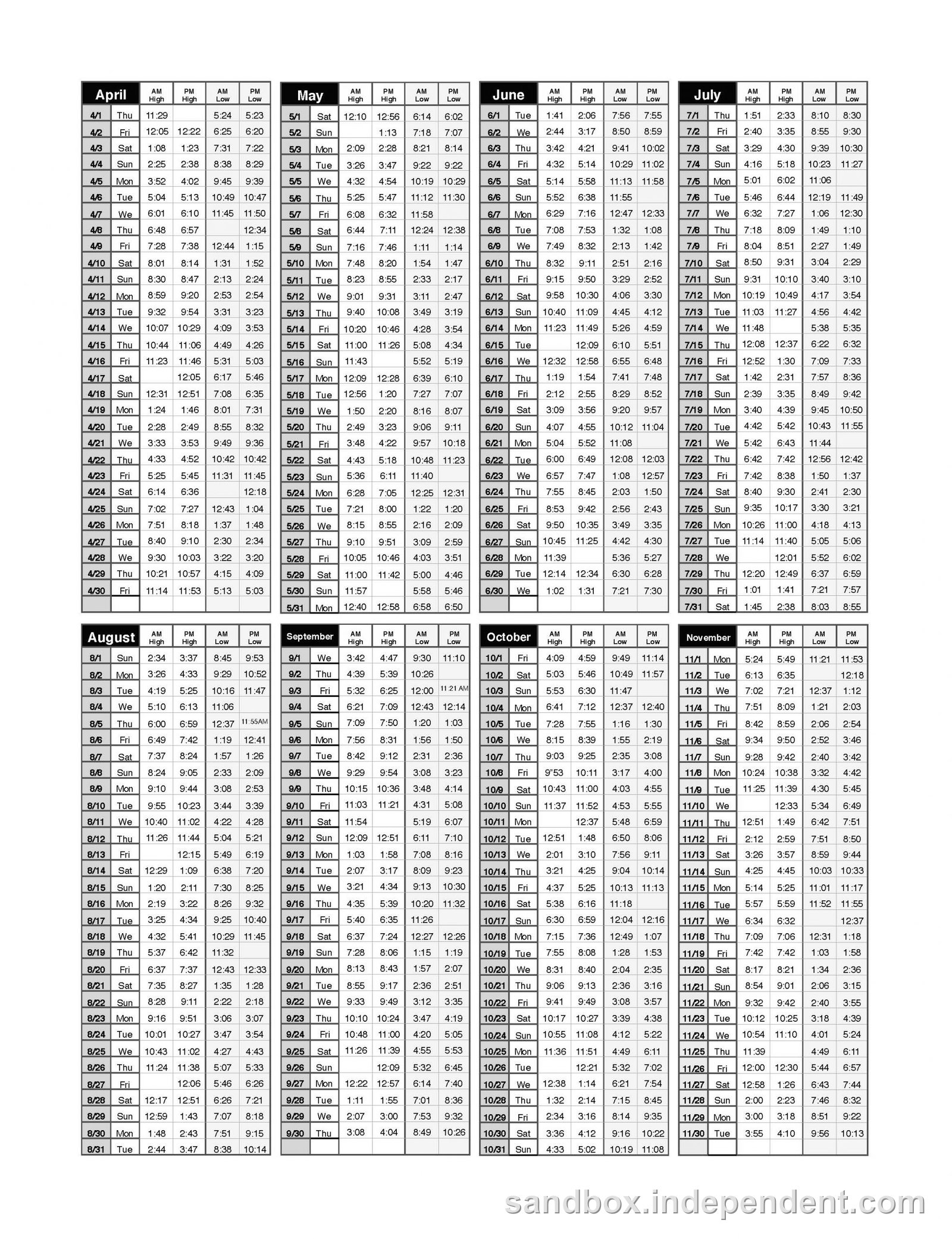
You're probably here because you need a quick answer, a reliable reference, or some clarity on reading Corolla tide charts. These charts are a handy tool, offering a simple visual guide to help you plan your day by the sea. They provide valuable insights into the ebb and flow of the tides, showing you the tide times and heights, which can vary depending on your location.
Understanding Corolla Tide Charts
A tide chart is a handy tool that shows the predicted times and heights of high and low tides for a specific location, like Corolla. These charts are essential for anyone planning activities near the coast, from fishing and boating to beachcombing and surfing. By understanding and using a tide chart, you can make the most of your time on the water or along the shore.
Key Details and Categories
A tide chart typically displays the following information: the date and time of each tide, the height of the tide (usually in feet or meters), and sometimes additional details like the moon phase or tidal current speeds. The times are often given in a 24-hour clock format, so it's good to be familiar with that. The height of the tide is a crucial factor, as it affects water depth and can impact various activities.
Reading and Applying Tide Levels
Here's a step-by-step guide to reading and using a corolla tide chart:
- Identify the date and time you're interested in. Tide charts usually cover a specific period, often a month, so find the relevant date.
- Look for the corresponding high and low tide times. These are typically marked clearly, with the height of the tide noted beside each time.
- Consider the height of the tide for your activity. For example, if you're fishing, you might want to aim for a high tide to access deeper waters.
- Plan your activities accordingly. With the tide times and heights in mind, you can schedule your day to make the most of the conditions.
- Remember to check the moon phase, if available. This can give you an idea of the tidal range and the potential for strong currents.
Variations and Differences
Tide charts can vary based on several factors:
- Location: Different coastal areas will have unique tide patterns due to geographical features and ocean currents.
- Moon and Sun: The gravitational pull of these celestial bodies affects tides, so lunar and solar cycles can cause variations.
- Weather: Storms and high winds can influence tidal behavior.
- Seasonal Changes: Tides can exhibit different patterns throughout the year.
Common Mistakes and How to Avoid Them
- Misreading the Time: Always double-check the time format. A simple mistake like confusing AM and PM can lead to missed opportunities.
- Ignoring Tidal Currents: Strong currents can make boating and fishing challenging. Check for any notes on current speeds on your tide chart.
- Assuming Consistency: Tide patterns can change, so avoid relying solely on past experiences. Always check the latest tide data.
- Forgetting to Adjust for Daylight Saving: Remember to account for time changes, especially during spring and autumn.
Practical Tips for Accurate Results
- Use Reputable Sources: Ensure your tide chart comes from a reliable source, such as a trusted website or a local marina.
- Check Regularly: Tide conditions can change, so update your tide data frequently, especially if you're planning activities over several days.
- Consider Weather Forecasts: Weather can impact tides, so keep an eye on forecasts to anticipate any unusual tidal behavior.
- Learn Local Patterns: If you frequent a specific coastal area, study the local tide patterns to better predict conditions.
Double-Checking and Handling Exceptions
While tide charts are valuable, they are predictions and may not always be accurate, especially during extreme weather events. Always be prepared for variations and:
- Check for Any Alerts: If there's a storm or unusual weather, confirm the tide predictions with local authorities or marine experts.
- Use Multiple Sources: Compare predictions from different sources to get a more accurate picture, especially during exceptional circumstances.
- Plan for Flexibility: If you're dependent on specific tide conditions, consider having a backup plan or being ready to adapt.
- Stay Informed: Keep updated with the latest weather and marine forecasts to make informed decisions.
Well, there you have it! Understanding the Corolla Tide Chart is a handy skill, and now you're equipped with the knowledge to navigate it like a pro. Remember, while this guide provides a solid foundation, always double-check the specific context and requirements for your project or location. It's a good idea to keep an eye on any unique factors that might affect your readings.
Feel free to explore our other resources for more practical insights and guides. We've got you covered with a range of topics to enhance your knowledge and skills. Happy charting!
Related: US General Contractors Reliable Guide
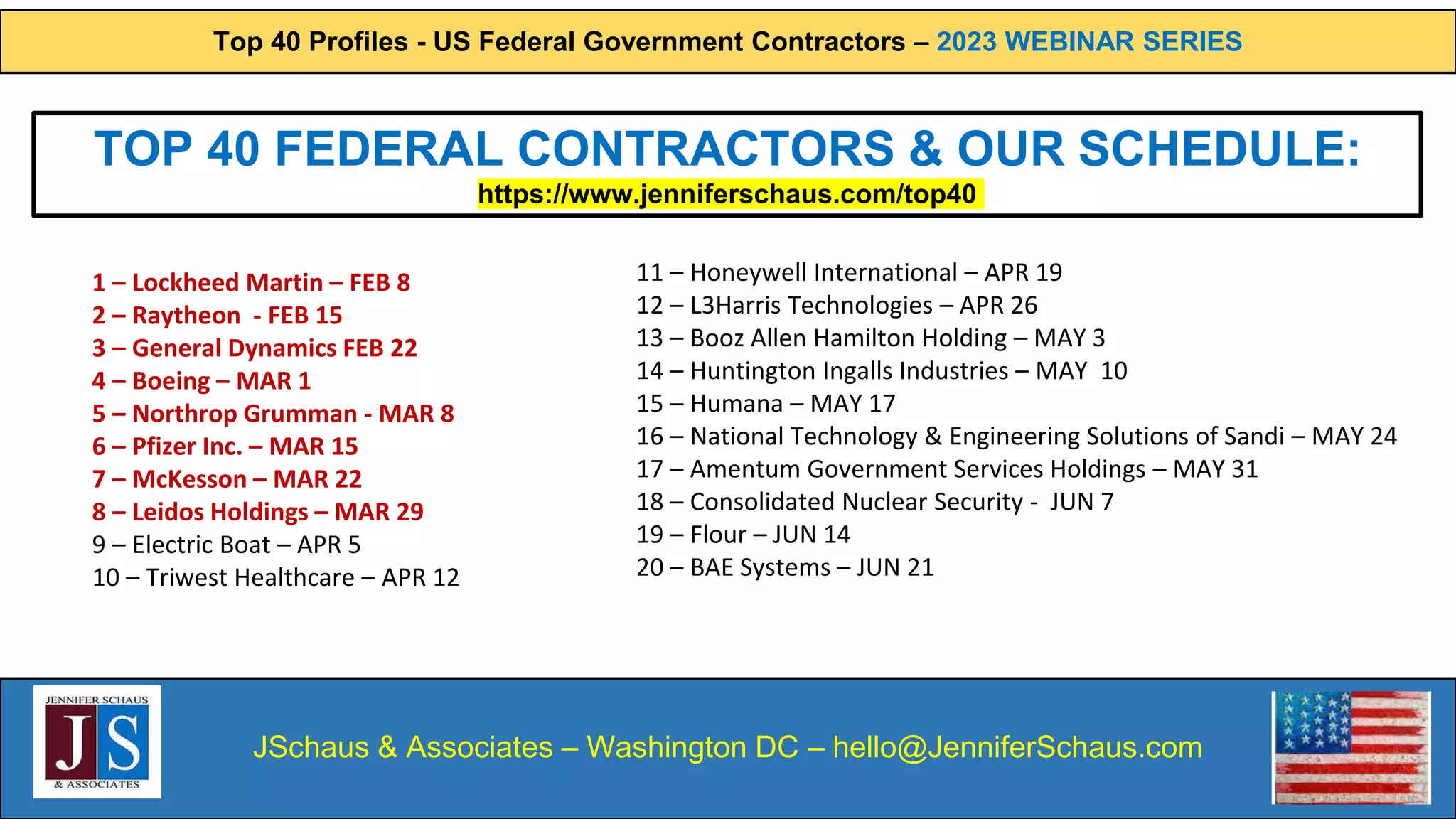
I was chatting with a friend the other day, and the topic of home renovations came up. It got me thinking about top US general contractors and how crucial it is to find the right one for any construction project. So, let's explore what this term means and how it can impact your building or remodeling journey.
Understanding General Contractors
A general contractor is a professional who manages and oversees construction projects, acting as a key point of contact for homeowners and businesses. They handle everything from hiring subcontractors to ensuring the work is completed on time and within budget. These contractors are the backbone of any construction project, big or small.
When you're searching for a top-notch general contractor, it's essential to consider their experience, reputation, and the services they offer. While some specialize in residential projects, others focus on commercial builds or specific trades like plumbing or electrical work. Knowing their expertise is key to finding the right fit for your needs.
Hiring Tips and Considerations
Finding a reputable general contractor is a crucial step in any construction project. Here are some tips to help you make an informed decision:
- Check their licensing and insurance: Ensure they are properly licensed and insured for your state's requirements. This protects you and your investment.
- Ask for references: Speak to past clients to get an idea of the contractor's work quality and professionalism.
- Get multiple quotes: Compare quotes from different contractors to ensure you're getting a fair price and to understand the scope of the project.
- Understand the contract: Read and understand the terms of the contract before signing. It should outline the project details, timeline, and payment schedule.
- Consider their expertise: Look for contractors with experience in your specific project type. Whether it's a home addition or a commercial build, their expertise matters.
Company Names and Branding
Naming your construction business is an important step in building a brand. A good name should be memorable, unique, and reflect your company's values and services. Here are a few creative ideas to inspire you:
- BuildPro: A strong name suggesting professional building services.
- Crafted Spaces: Emphasizes the creation of unique and tailored spaces.
- Renova Construction: Combining renovation and construction, it hints at a full-service offering.
- Skyrise Builders: Evoking a sense of height and ambition, it's perfect for commercial projects.
- Green Build Group: Highlighting eco-friendly practices, this name appeals to environmentally conscious clients.
- Constructive Solutions: Suggesting a problem-solving approach, it's a great choice for a versatile contractor.
Industry Tools and Resources
The construction industry relies on various tools and resources to ensure projects run smoothly and efficiently. One such resource is RSMeans, a comprehensive database providing cost data and estimates for construction projects. It's a valuable tool for contractors and estimators, helping them price projects accurately.
Additionally, the industry uses cost indexes to track and forecast construction costs over time. These indexes consider factors like labor, materials, and market trends, providing valuable insights for budgeting and planning.
Construction Jobs and Opportunities
The construction industry offers a wide range of career paths, from general contractors and estimators to specialized trades like plumbing and electrical work. Job opportunities are abundant, and the industry is known for its skilled workforce.
When searching for construction jobs, online job boards and industry-specific websites are great resources. Additionally, networking and building relationships within the industry can lead to valuable connections and opportunities.
Wrapping Up
Exploring top US general contractors has given us a glimpse into the world of construction and the vital role these professionals play. From hiring tips to industry insights, I hope this guide has provided some valuable knowledge. Remember, when it comes to construction projects, taking the time to find the right general contractor is an essential step towards a successful and stress-free experience.
Related: Understand Thunder Depth Chart: A Simple Guide
A thunder depth chart is a valuable tool for basketball enthusiasts and analysts, offering a concise snapshot of a team's player lineup and their roles. This guide will navigate you through the ins and outs of reading and interpreting these charts, ensuring you can quickly grasp the information they present. From the thunder roster to the oklahoma city thunder lineup, these charts provide an essential overview, allowing you to understand player positions and the starting five with ease.
Understanding the Thunder Depth Chart
The Thunder depth chart is a valuable tool for basketball enthusiasts and analysts, offering a comprehensive overview of the Oklahoma City Thunder's roster and player positions. It provides a visual representation of the team's lineup, helping fans and experts grasp the strategic makeup of the team.
Key Details and Categories
This chart typically displays the Thunder's players in a hierarchical structure, with the starting five at the top and subsequent players in descending order of their roles. The positions are labeled clearly, such as point guard, shooting guard, small forward, power forward, and center. Alongside each player's name, you'll find their jersey number and sometimes additional stats or roles they excel in.
Reading the Lineup: A Step-by-Step Guide
Begin by identifying the starting five. These players are usually the team's top performers and the first choice for the coach. They are listed at the top of the chart, with their positions clearly marked.
Below the starting five, you'll find the bench players. These are the substitutes, often arranged in a way that reflects their potential impact or the strategies they might be used for. For instance, a player known for their defensive skills might be listed higher, indicating they are a preferred choice for defensive substitutions.
Pay attention to the player positions. The Thunder depth chart will typically use standard basketball positions, but it's essential to understand these roles: point guard (PG), shooting guard (SG), small forward (SF), power forward (PF), and center (C). Each position has unique responsibilities and skills.
Compare players within their positions. The chart allows you to quickly assess the depth and talent within each role. You can identify the team's strengths and weaknesses by comparing the stats or skills of players in the same position.
Note any special roles or skills listed. Some charts might include additional information, such as a player's ability to handle the ball, shoot three-pointers, or their defensive prowess. These details provide a more comprehensive understanding of the team's strategic options.
Variations and Differences
The Thunder depth chart, like any other sports lineup, can vary based on several factors. These include the coach's strategy, player injuries or suspensions, and even the specific opponent the Thunder are facing. Different coaches may have unique preferences for player rotations and substitutions, leading to variations in the depth chart's structure.
Common Mistakes and How to Avoid Them
One common mistake is assuming that the depth chart remains static throughout the season. It's crucial to keep an eye on updates, as player performances, injuries, and trades can lead to frequent changes. Another pitfall is overlooking the strategic intent behind the chart. While it provides a clear lineup, understanding the coach's reasoning behind certain player placements adds depth to your analysis.
Practical Tips for Accurate Results
To ensure you're working with the most accurate Thunder depth chart, consider the following:
- Check for recent updates, especially before each game.
- Compare multiple sources to verify the information.
- Understand the context; is the chart for a specific game, or does it represent a more general lineup?
- Keep an eye on player injuries or personal issues that might impact their availability.
- Stay informed about the team's overall strategy and goals for the season.
Double-Checking and Handling Exceptions
While the Thunder depth chart provides a valuable framework, it's essential to double-check specific details for critical games or when analyzing player performance. Some exceptions to consider:
- Player injuries or illnesses can lead to unexpected lineup changes.
- Strategic substitutions might be made based on the opponent's strengths or weaknesses.
- Certain players may excel in specific roles or against particular opponents, so their position on the chart might not always reflect their actual impact.
- Always refer to official sources or trusted media outlets for the latest and most accurate information.
Well, there you have it! A comprehensive guide to understanding and utilizing the thunder depth chart. Remember, while the fundamentals remain consistent, the specifics might shift slightly based on your unique context.
Feel free to explore our other guides; we've got a variety of practical resources to help you navigate different topics with ease. Happy learning, and stay organized!