Ckd Stages Chart Black And White Overview
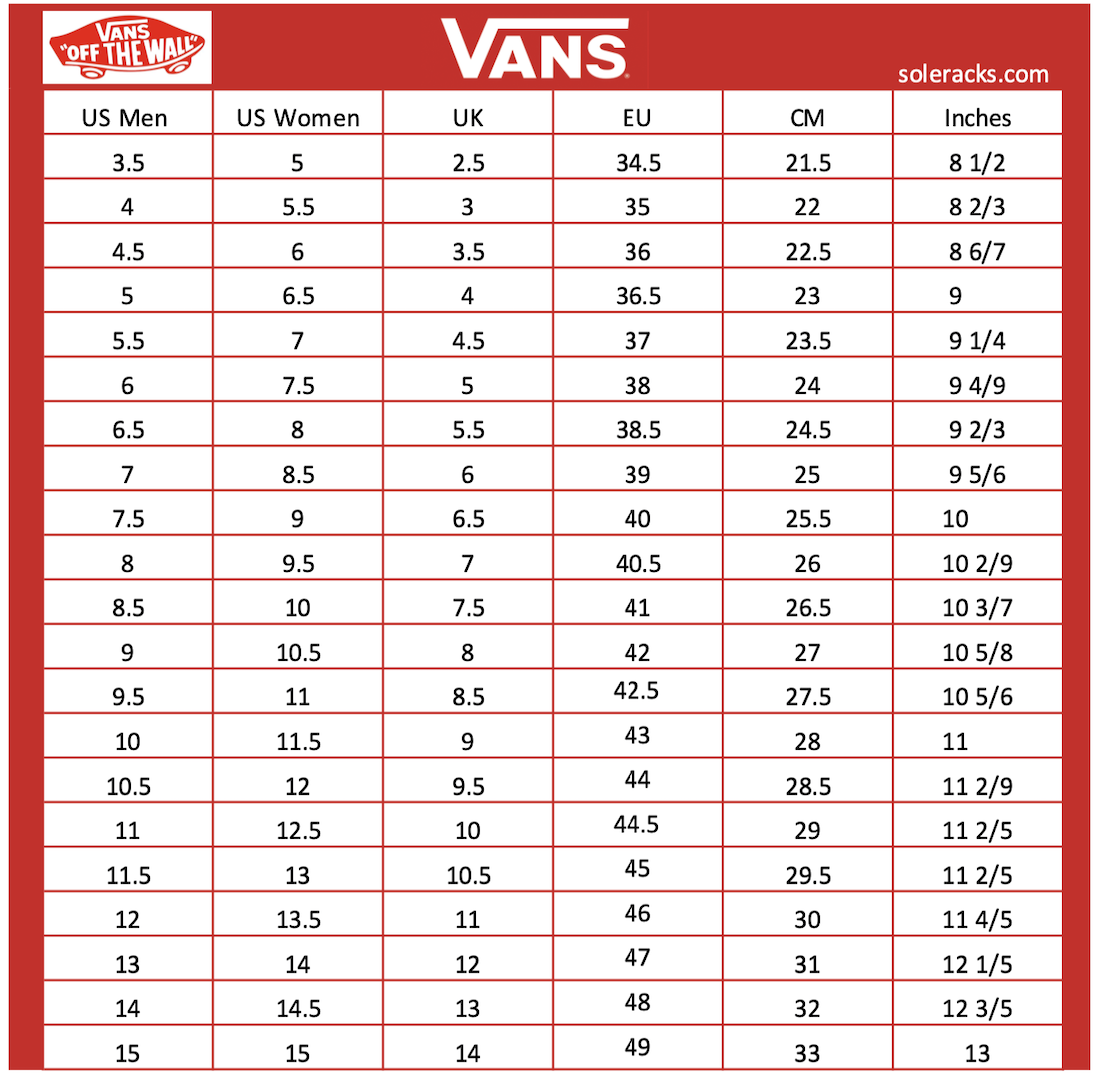
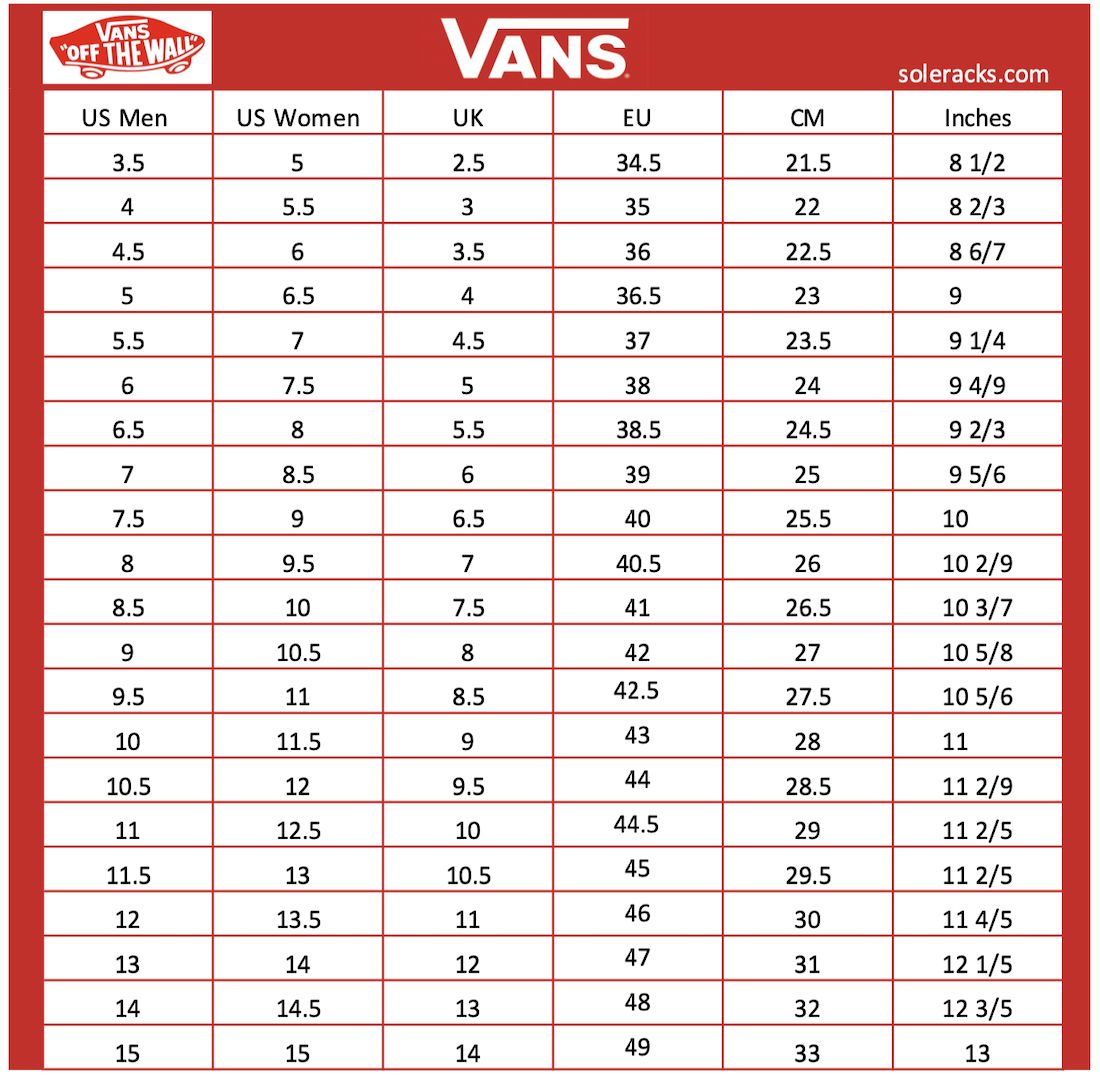
You're on a mission to find the perfect fit for your new Vans, and the Vans size chart is your trusty guide. It's a simple yet effective tool, offering a quick and reliable way to ensure you get the right size. This chart, a handy reference, provides an easy-to-read overview of men's and women's sizes, with length and width measurements to help you match your feet to the ideal pair. While the values may vary slightly depending on the style and region, the Vans size chart is a great starting point for an accurate fit.
Understanding Vans Size Chart
The Vans size chart is your go-to guide for finding the perfect fit for your favorite Vans sneakers. It's a handy tool that simplifies the sizing process, ensuring you get the right size for a comfortable and stylish stride.
Key Details and Categories
This chart provides a comprehensive breakdown of Vans shoe sizes, covering both men's and women's styles. The sizes are typically presented in US standard measurements, with length and width dimensions for each size. You'll find a clear table or diagram, making it easy to locate your ideal size.
Step-by-Step Guide to Reading the Chart
Here's a simple guide on how to navigate the Vans size chart:
- Identify your gender: The chart often separates men's and women's sizes, so start by locating the relevant section.
- Find your US size: Look for the column or row labeled with your US shoe size.
- Check the length and width: The chart will provide measurements for both length and width, ensuring a precise fit.
- Convert if needed: If you're more familiar with international sizes, use the conversion chart provided to find your equivalent US size.
- Choose your style: Different Vans styles might have slight variations, so ensure you're referring to the correct style guide.
Variations and Differences
It's important to note that shoe sizing can vary slightly between brands and even within the same brand for different styles. Vans, like many other shoe manufacturers, may have slight variations in their sizing charts to accommodate different foot shapes and preferences. These variations ensure a comfortable fit for a wide range of wearers.
Common Mistakes and How to Avoid Them
One common mistake is assuming that your Vans size will be the same as your regular shoe size. Always refer to the Vans shoe size chart specifically, as it may differ from other brands you wear. Another pitfall is neglecting to measure your foot properly. Ensure you follow the provided guidelines for accurate measurements.
Tips for Accurate Sizing
To ensure an accurate fit, consider these practical tips:
- Measure your foot regularly, especially if you're between sizes or notice any changes.
- Try on multiple sizes if possible, especially if you're new to Vans or have unique foot characteristics.
- Pay attention to the width measurements; a wide foot might require a different size than what you usually wear.
- Consider the style of Vans you prefer; some styles might fit slightly differently due to their design.
Double-Checking and Handling Exceptions
While the Vans size chart is a reliable guide, it's always a good idea to double-check the specific style and model you're interested in. Some Vans styles might have unique features or fit preferences, so referring to the detailed sizing guide for that particular style is recommended. Additionally, if you have unique foot characteristics, such as a wide or narrow foot, you may need to adjust your size accordingly. Always trust your comfort and fit preferences.
Well, there you have it! A comprehensive guide to understanding the Vans size chart. It's always best to be prepared and know your size, especially when it comes to finding the perfect fit.
Remember, while this guide provides a solid foundation, it's always wise to check the specific size chart for the style you're interested in. Vans, like many brands, may have slight variations, so double-checking ensures you get the right size for your feet. Happy shopping, and don't forget to explore our other helpful guides to enhance your shoe-buying experience!
Related: Find the Right Horse Color: A Simple Chart
A common misconception about the horse colors chart is that it's solely for identifying a horse's color; however, it serves a more nuanced purpose. This chart is an essential tool, offering a comprehensive guide to understanding and categorizing equine coat colors and patterns. It provides a structured way to navigate the diverse world of horse colors, ensuring accuracy and consistency.
Horse Colors Chart: A Guide to Equine Coat Colors
The horse colors chart is a valuable tool for anyone interested in understanding and identifying the diverse range of coat colors found in horses. This reference guide provides a comprehensive overview of the various colors and patterns, helping you accurately describe and categorize equine coats.
Key Color Categories and Terminology
The chart organizes horse coat colors into several main categories, each with its own unique characteristics. These categories include:
- Base Colors: The foundation colors, such as bay, black, and chestnut, form the basis of many other variations.
- Dilute Colors: When a dilution gene is present, it modifies the base color, resulting in shades like palomino, buckskin, and cremello.
- Patterned Coats: These include distinctive patterns like pinto, which features large patches of white, and appaloosa, known for its unique spotted patterns.
- Markings and White Patterns: Separate from coat colors, these include facial markings like stars and blazes, as well as white leg markings.
Practical Color Identification: Step-by-Step
To use the horse colors chart effectively:
- Start by identifying the base color. Is it bay, black, or chestnut? This forms the foundation.
- Look for any dilution effects. Does the horse's coat appear lighter than the base color? This could indicate the presence of a dilution gene.
- Note any distinctive patterns. Are there large white patches, indicating a pinto, or unique spots, suggesting an appaloosa?
- Observe and record any facial or leg markings. These add further detail to your color description.
- Combine these observations to determine the horse's overall coat color and pattern.
Variations and Differences Across Standards
It's important to note that horse colors chart standards may vary slightly between different regions and organizations. While the basic categories remain consistent, specific definitions and terminology can differ. For example, some charts may include more detailed subcategories for certain colors or patterns. Always refer to the specific standard or association for precise definitions.
Common Mistakes and How to Avoid Them
- Misinterpreting Dilution: Mistaking a dilute color for a base color is common. Always look for signs of dilution, such as lighter eyes or a lighter mane and tail.
- Confusing Patterns: Pinto and appaloosa patterns can be similar at first glance. Take time to observe the size, shape, and distribution of white or spotted areas.
- Neglecting Markings: Facial and leg markings are unique identifiers. Don't overlook these when describing a horse's color.
- Relying on One Reference: While the horse colors chart is a great tool, it's beneficial to cross-reference with other resources or experts to ensure accuracy.
Tips for Accurate Color Description
- Lighting and Time of Day: Observe the horse's coat in various lighting conditions and times of day. Some colors may appear different under different lighting.
- Distance and Angle: View the horse from different angles and distances to get a comprehensive understanding of its coat.
- Compare and Contrast: Use reference images or consult with experienced horse owners or breeders to compare and confirm your observations.
- Document and Record: Keep a record of the horse's color and markings, especially if you're working with multiple horses. This helps with accurate identification and description.
By following these steps and tips, you can accurately utilize the horse colors chart and enhance your understanding of equine coat colors.
Remember, while this chart serves as a fantastic reference, it's always wise to cross-reference with other resources or experts in your field to ensure you're up-to-date with the latest standards and practices.
Take a moment to review the specific requirements of your project or context. Every situation is unique, and while this guide provides a solid foundation, it's important to tailor your approach accordingly. Consider bookmarking this page for future reference; it might just save you some time and effort down the line!
Related: What is the reta dosing chart all about?
The reta dosing chart is an essential tool for anyone seeking accurate medication dosage information. This guide aims to provide a clear understanding of how to navigate and utilize such charts effectively. Whether you're a healthcare professional, caregiver, or simply need to administer medication, having a reliable reference is crucial.
Reta dosing charts can vary in format and detail, but their purpose remains consistent: to ensure safe and precise medication administration. This resource will cover the key elements and offer insights into reading and interpreting these charts, including any potential variations you may encounter.
Understanding the Reta Dosing Chart
The reta dosing chart is a valuable tool designed to guide medication administration, especially for oral medications. It serves as a reference guide, providing clear and precise information on dosage amounts based on various factors. This chart ensures accurate dosing, which is crucial for effective treatment and patient safety.
Comparing Chart Formats and Standards
Different regions and healthcare systems may have variations in their dosing charts. For instance, the reta dosing chart typically follows standard dosing protocols, but it's essential to be aware of potential differences. These charts can be found in metric or imperial units, so it's crucial to use the correct format for your region.
Step-by-Step Guide to Using the Chart
To utilize the reta dosing chart accurately, follow these steps:
- Identify the medication and its strength. Ensure you have the correct drug and understand its concentration or dosage form.
- Locate the patient's weight on the chart. This is a critical factor as dosing often depends on body weight.
- Read across the row corresponding to the patient's weight. Here, you'll find the recommended dosage for that specific medication and strength.
- If the patient's weight falls between two categories, you may need to adjust the dose. Consult a healthcare professional for guidance in such cases.
- Double-check the dosage and administration instructions. Ensure you understand the route of administration (oral, for instance) and any specific instructions for that medication.
Avoiding Common Misreadings
Misinterpreting the reta dosing chart can lead to errors. Here's how to avoid them:
- Pay close attention to the units of measurement. Ensure you are using the correct unit system, whether it's milligrams (mg) or milliliters (ml).
- Be cautious with decimal points. Some charts may use decimals to represent fractions, so read carefully to avoid confusion.
- Understand the medication's concentration. Different strengths require different dosages, so ensure you have the right medication and its corresponding dosage.
Factors Affecting Accuracy
Several key factors can impact the accuracy of the reta dosing chart and its application:
Weight variations: Significant changes in a patient's weight may require dose adjustments.
Medication strength: Different strengths of the same drug can have varying dosages.
Age and health factors: Certain conditions or age groups may have specific dosing guidelines.
Route of administration: The chart may provide dosages for oral administration, but other routes (like intravenous) may require different calculations.
Patient tolerance: Some individuals may have unique sensitivities or tolerances, requiring dose adjustments.
Adapting the Chart for Specific Needs
The reta dosing chart is versatile and can be adapted to meet specific requirements:
- Pediatric dosing: For children, the chart can be adjusted based on their weight and age.
- Adult dosing: Adults may require higher dosages, and the chart can guide appropriate adjustments.
- Special populations: Elderly patients or those with renal or hepatic impairments may need modified dosages, which the chart can help determine.
Keeping Your Reference Reliable
To ensure the reliability of your reta dosing chart:
- Regularly update your chart to reflect the latest dosing guidelines and standards.
- Cross-reference with reputable sources and consult healthcare professionals for any doubts.
- Store the chart in a safe and accessible place, ensuring it's easily retrievable when needed.
- Consider using digital versions or apps that offer real-time updates and additional features for convenience and accuracy.
While the reta dosing chart is a handy tool, it's important to remember that its specifics can vary depending on your unique situation and the standards or sources you refer to. The key is to find a format that works best for your needs and ensures accuracy in real-world applications.
Feel free to explore other guides and resources to further enhance your understanding and stay informed. And don't forget to bookmark this page for a quick reference guide the next time you need a reliable reta dosing solution!