

Ckd Stages Chart Letter Size Overview
A trumpet note chart is a handy tool for any trumpeter, offering a quick glance at the notes and their corresponding fingerings. This guide will take you through the basics, ensuring you can read and use the chart with ease.
It's a simple reference, but an essential one, as it covers the standard range and common scales. While the exact values may vary slightly, the chart provides a solid foundation for understanding note names and their pitch frequencies.
Understanding the Trumpet Note Chart
The trumpet note chart is a valuable tool for any trumpeter, offering a visual representation of the notes and their corresponding fingerings. It's like a map, guiding you through the world of trumpet playing. This chart simplifies the process of learning and mastering different notes, making it an essential resource for beginners and experienced players alike.
Key Details and Categories
Before diving into the chart, it's crucial to understand some basics. The chart typically covers the standard range of a trumpet, which includes both the natural notes and those produced using valve combinations. You'll find notes organized by their pitch frequency, from low to high. Each note is represented by a specific fingering, often shown as a combination of valve positions. Additionally, some charts may include alternate fingerings, offering options for different playing styles or instruments.
Reading the Notation and Applying It
Using the trumpet note chart is straightforward. Start by identifying the note you want to play. Then, locate it on the chart, which will show you the correct fingering. For example, if you want to play a C note, you'll see a specific valve combination indicated. Follow this fingering, and you'll produce the desired note. It's as simple as that! Practice reading the chart and applying the fingerings to become more comfortable with it. Over time, you'll develop muscle memory, making note transitions seamless.
Variations and Differences
While the trumpet note chart provides a solid foundation, it's important to note that variations exist. Different standards, such as US or international, may have slight differences in note names or fingerings. Additionally, some charts might focus on specific scales or playing techniques. Always double-check the exact specifications for your instrument and playing style. Here are some common factors that can cause variations:
- Standard range variations: Some charts may extend beyond the standard range, offering additional notes.
- Instrument type: Different trumpet models might have slight variations in fingering.
- Playing style: Certain charts cater to specific genres or techniques, like jazz or classical.
- Alternate fingerings: These provide options for achieving the same note with different finger combinations.
Remember, the trumpet note chart is a versatile tool, but it's essential to adapt it to your specific needs and context. With practice and familiarity, you'll navigate the chart with ease, unlocking the full potential of your trumpet playing.
Well, there you have it! A handy trumpet note chart can be a great tool to have in your musical arsenal. Remember, these charts provide a solid foundation, but exact values might differ slightly across different standards or resources.
So, before you put your new knowledge into practice, take a moment to ensure you're using the right chart for your specific needs. And don't forget to explore our other guides; there's plenty more musical magic to discover!
Related: Find Your Perfect Fit: The Wig Length Chart
Many people struggle with understanding wig length charts, often assuming they are complex and intimidating. But fear not, they are actually a simple and handy tool!
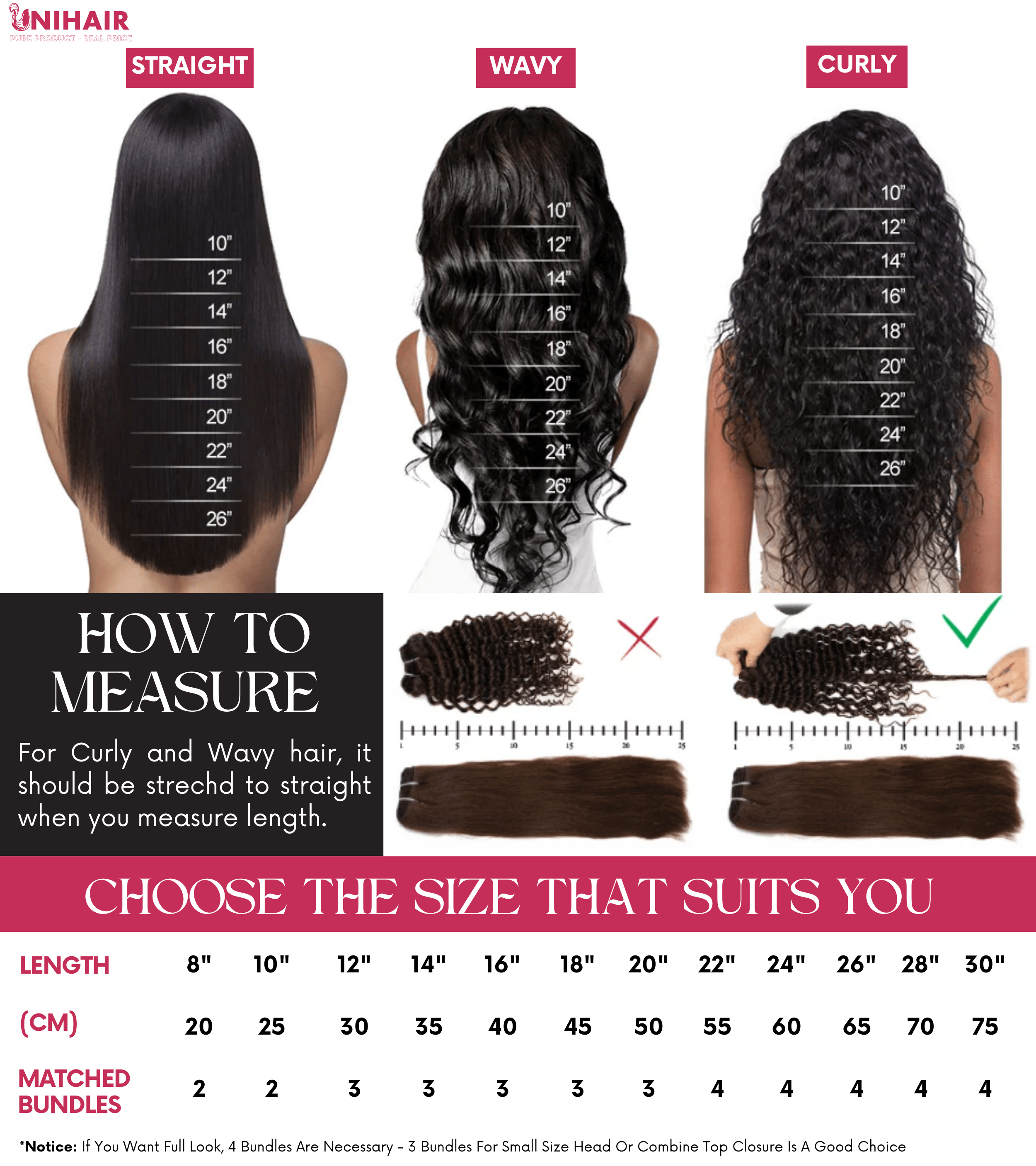
The wig length chart is your friend, providing a clear visual guide to help you choose the right wig length. It's a straightforward reference, offering a quick solution to ensure you get the perfect fit and style. While the values might vary slightly, the chart's purpose remains the same: to make your wig journey an easy and enjoyable one!
Wig Length Chart: Unlocking the Perfect Fit
Wig length charts are your secret weapon to finding the ideal wig. These charts provide a visual guide to help you understand and choose the right wig length based on your preferences and head shape. It's like having a personal stylist at your fingertips!
Key Details and Categories
The wig length chart typically displays different wig lengths, often categorized into short, medium, and long. These categories are further divided into sub-lengths, offering a more precise selection. You'll find measurements in inches or centimeters, depending on the standard used. For instance, a short wig might range from 8 to 14 inches, while a long wig could go beyond 20 inches.
Reading and Applying the Chart
Using the wig length chart is simple:
- Identify your preferred wig length. Are you aiming for a chic bob or a flowing, Rapunzel-inspired look?
- Check the chart for the corresponding category. Short, medium, or long?
- Within each category, find the specific length that matches your vision.
- If you're between sizes, consider your face shape and personal style. A little adjustment can make a big difference!
Variations and Differences
It's important to note that wig length charts may vary slightly across different manufacturers and standards. Some brands might offer more detailed sub-lengths, while others keep it simple. Additionally, the chart's categories and measurements can differ between human hair wigs and synthetic ones. Always double-check the specific chart for the wig you're interested in to ensure an accurate fit.
Common Mistakes to Avoid
A common pitfall is relying solely on the chart without considering your head size and shape. Remember, wig lengths are just one aspect; the overall fit is crucial. Another mistake is ignoring the hair density and style. Thicker hair might require a slightly larger wig cap for comfort. Always measure your head accurately and refer to a wig cap size chart for guidance.
Practical Tips for Accurate Results
To ensure the best fit, measure your head circumference at the widest point, usually just above the ears. This measurement will help you choose the right wig cap size. When trying on wigs, adjust the straps or combs for a comfortable, secure fit. If you're between sizes, consider going up a size for a more relaxed feel.
Double-Checking and Edge Cases
While the wig length chart is a valuable tool, it's not an exact science. Individual head shapes and preferences can vary greatly. If you're unsure, consult a professional stylist or wig expert. They can provide personalized advice and help you find the perfect wig length and style to complement your features.
In conclusion, the wig length chart is a fantastic resource for finding your ideal wig. By understanding the categories, reading the chart accurately, and considering your unique features, you'll be well on your way to a confident and comfortable wig experience. Happy wig hunting!
Well, there you have it! A handy wig length chart that will be your go-to resource for all things wig-related. Remember, while this chart provides a great starting point, it's always wise to double-check the specific requirements or standards relevant to your project or context.
Consider bookmarking this page for future reference; it's a simple yet effective tool that will save you time and effort. Happy wig adventures!
Related: How to Read a BBT Chart for Pregnancy
A bbt chart pregnant is a simple yet powerful tool for anyone on a pregnancy journey. This guide will show you how to make the most of it.
The chart is a handy reference for tracking your basal body temperature, which can indicate ovulation and help with pregnancy planning. It's a straightforward way to interpret your body's signals, and while the values may vary slightly, the concept is universal. With a bbt chart pregnant, you can gain insights into your cycle and take control of your fertility awareness.
A Quick Overview of BBT Charting for Pregnancy
The basal body temperature (BBT) chart is a simple yet powerful tool for those trying to conceive. It helps track your fertility awareness and can indicate when you're most likely to get pregnant. This chart records your body's temperature, which rises slightly after ovulation, providing valuable insights into your ovulation tracking.
Comparing BBT Charting Methods and Standards
There are various ways to create a BBT chart pregnant record. You can use a simple pen and paper, a dedicated fertility tracking app, or a specialized BBT thermometer with accompanying software. The method you choose depends on your personal preference and the level of detail you wish to record.
Step-by-Step Guide to Using a BBT Chart
Here's a simple process to get started with BBT charting:
Choose your preferred method of recording (paper, app, or software).
Take your basal body temperature first thing in the morning, before getting out of bed or doing any physical activity. Use a reliable BBT thermometer, which is more sensitive than a regular thermometer.
Record the temperature accurately. Most BBT thermometers have a memory function to store the reading, but if you're using a manual method, write it down immediately to avoid forgetting.
Plot the temperature on your chart or enter it into your app/software. Connect the dots to visualize the temperature pattern over time.
Look for the temperature shift. After ovulation, your BBT typically rises by 0.4 to 1.0 degrees Fahrenheit (or 0.2 to 0.5 degrees Celsius). This shift indicates that ovulation has likely occurred.
Common Misreadings and How to Avoid Them
It's easy to misinterpret the data on a BBT chart pregnant. Here are some common mistakes and how to avoid them:
Don't rely solely on the temperature rise to confirm ovulation. Other factors, like stress or illness, can cause temperature fluctuations. Look for a sustained rise for at least three days to confirm ovulation.
Be consistent with your timing. Always take your temperature at the same time each morning, preferably within a one-hour window.
Avoid drinking or eating before taking your temperature, as this can affect the reading.
If you have an irregular cycle, consider using additional ovulation tracking methods, like cervical mucus observation or ovulation predictor kits, to cross-reference your BBT chart.
Factors Affecting BBT Chart Accuracy
Several factors can impact the accuracy of your BBT chart pregnant:
Sleep quality and duration: Ensure you get a good night's rest and try to maintain a consistent sleep schedule.
External factors: Keep the thermometer in the same room each night to avoid temperature variations. Avoid using an electric blanket, as this can raise your body temperature.
Illness or medication: If you're unwell or taking certain medications, your temperature may be affected. Note these instances on your chart to avoid misinterpretation.
Stress and lifestyle: High-stress levels or intense physical activity can impact your BBT. Try to maintain a balanced lifestyle and manage stress through relaxation techniques.
Adapting Your BBT Chart for Specific Needs
While the basic principles of a BBT chart pregnant remain the same, you may need to adapt it for your unique circumstances:
If you have an irregular cycle, consider using a longer chart to capture more data points and identify patterns.
For those with shorter cycles, a condensed chart may be more suitable to visualize the temperature shifts.
If you're using fertility awareness methods for birth control, consult with a healthcare professional to ensure you're interpreting the chart correctly to avoid unintended pregnancies.
So, there you have it! A simple yet powerful tool to guide you through your pregnancy journey. Remember, every woman's experience is unique, so always refer to reliable sources and consult professionals for personalized advice.
This chart is a handy reference, but it's just a starting point. Be sure to adapt and customize it to your specific needs and circumstances. Bookmark this page for future use, and you'll always have a quick reminder of the basics when you need it!