




Cle Depth Chart Easy Overview
Many folks new to verb anchor charts might think they're just for kids or a basic tool. But these charts are powerful, offering a quick, visual way to grasp verb tenses and forms. A verb anchor chart is an essential reference, a simple yet effective diagram that ensures your verb usage is spot on. It's a handy tool to have, and its format can vary, offering a tailored verb guide for different needs.
Understanding the Verb Anchor Chart
The verb anchor chart is a handy tool that provides a visual representation of verbs and their various forms and tenses. It's like a map for verb usage, guiding you through the different ways verbs can be expressed. This chart is a reference point, offering a clear and organized layout to enhance your understanding and application of verbs.
Key Details and Categories
The verb chart typically includes columns representing different verb tenses, such as present, past, and future, along with their progressive and perfect forms. Each row contains a verb, often listed alphabetically, with its corresponding forms in the respective tense columns. You'll find regular verbs following a consistent pattern, while irregular verbs stand out with their unique forms. The chart may also indicate the verb's type, like action or linking verbs, and provide examples of usage.
Reading and Applying the Chart
To use the verb anchor chart effectively, follow these steps:
Identify the verb you wish to explore. Let's say you're interested in the verb "run."
Locate "run" on the chart. You'll find it listed under the present, past, and future tense columns.
Read across the row to see the different forms. For "run," you'll see "runs" (present), "ran" (past), and "will run" (future).
If you need to use a progressive tense, look for the "-ing" form. In this case, it's "running."
For perfect tenses, check the "have/has" and "had" columns. So, "has run" and "had run" are the perfect tenses for "run."
By following this simple process, you can quickly find the correct verb form for your sentence, ensuring accurate and consistent verb usage.
Variations and Differences
It's important to note that verb charts can vary based on the standard or context. Different regions or styles may have slight variations in verb forms or tenses. Here are some key factors that can cause these variations:
Regional differences: Verb usage can vary between countries or even within regions. For example, British English and American English have some distinct verb forms.
Style guides: Various style guides, like APA or MLA, may have specific preferences for verb tenses or forms, especially in academic writing.
Contextual usage: The verb's function in a sentence, such as whether it's an action or linking verb, can impact its form.
Irregular verbs: These verbs don't follow the typical patterns, so they require special attention and memorization.
Common Mistakes and How to Avoid Them
When using a verb diagram or chart, it's easy to make mistakes if you're not careful. Here are some common pitfalls to watch out for:
Misreading the chart: Always double-check the verb's tense and form. Mistakes can happen when you confuse past and present tenses, for instance.
Neglecting context: Remember that verb forms can change based on the sentence's context. Ensure you choose the right form for your specific usage.
Relying solely on the chart: While the chart is a great tool, it's not exhaustive. Some verbs have unique forms or usages that may not be covered. Always refer to additional resources or examples when in doubt.
Ignoring regional variations: Be mindful of regional differences, especially if your audience is from a different region. Ensure your verb usage aligns with their expectations.
By being aware of these potential issues and taking a careful, contextual approach, you can ensure accurate and effective verb usage in your writing.
So, there you have it! A handy verb anchor chart can be an incredibly useful tool to have in your kit. It's a simple yet effective way to keep your language skills sharp and ensure you're using verbs accurately.
Remember, while this guide offers a general overview, it's always wise to double-check any specific requirements or context-related nuances. Every situation is unique, and language can be a tricky beast!
Feel free to explore our other guides; we've got plenty of resources to help you master various language-related topics. Happy learning, and keep those verbs in check!
Related: Diaper Size Chart: A Quick Reference Guide
A common misconception about diaper size charts is that they are one-size-fits-all, but in reality, these charts are a guide, and an important one at that, to help you find the perfect fit for your little one. While it may seem straightforward, choosing the right diaper size is crucial for your baby's comfort and well-being.
These charts provide a quick reference, offering a range of sizes and their corresponding weight and height recommendations. It's a simple tool, but one that can save you from the hassle of constantly guessing and ensuring your baby has the right-sized diaper. With various brands and types available, including cloth and disposable options, the diaper size chart is your go-to resource for an accurate fit.
Understanding the Diaper Size Chart: A Practical Overview
The diaper size chart is a handy tool for parents and caregivers, offering a quick reference guide to ensure your little one's diaper fits perfectly. This chart provides a simple way to match your baby's weight and waist size to the right diaper size, typically categorized by letters or numbers.
Comparing Diaper Size Standards and Formats
Diaper size charts can vary depending on the brand and region. While most follow a similar format, the specific weight and waist measurements may differ slightly. For instance, some brands might use a letter-based system (e.g., S, M, L), while others prefer a numerical approach (e.g., 1, 2, 3). Additionally, international standards may use different units, such as kilograms and centimeters, so it's essential to check the chart's origin.
Step-by-Step Guide to Using the Diaper Size Chart
Here's a simple process to determine the correct diaper size for your baby:
Weigh your baby: Use a reliable scale to get an accurate weight measurement.
Measure the waist: Place your baby on their back and use a soft measuring tape to get the waist circumference. Ensure the tape is snug but not tight.
Refer to the chart: Locate your baby's weight and waist size on the diaper size chart. The chart will guide you to the appropriate diaper size, usually indicated by a letter or number.
Choose the right diaper: Select diapers that match the size indicated on the chart.
Common Misreadings and How to Avoid Them
It's easy to misinterpret the diaper size chart, especially if you're new to parenting. Here are some common mistakes and how to avoid them:
Don't rely solely on age: While age can be a rough guide, it's not always accurate. Babies grow at different rates, so always check the weight and waist measurements.
Understand weight ranges: Diaper sizes often cover a range of weights. Ensure your baby's weight falls within the specified range for that size.
Consider growth spurts: If your baby is going through a growth spurt, their weight and size may change rapidly. Regularly check the chart to ensure you're still using the right size.
Factors Affecting Accuracy: Key Considerations
Several factors can impact the accuracy of the diaper size chart:
Cloth vs. disposable diapers: Cloth diapers often have different sizing standards, so ensure you're using the right chart.
Baby's build: Some babies have a stockier build, while others are longer and leaner. The chart provides a general guide, but individual variations may require some trial and error.
Manufacturer variations: Different diaper brands may have slightly different sizing standards, so always check the specific brand's chart.
Newborns and preemies: Newborn and preemie diaper sizes are critical, as these babies have unique needs. Ensure you're using the correct chart for their specific size.
Adapting the Diaper Size Chart for Your Needs
While most diaper size charts provide a general guide, you may need to adapt them for specific situations:
Premature babies: Preemie diaper sizes are essential for these tiny babies. Ensure you're using a chart designed for premature infants, as their sizes may differ significantly from full-term babies.
Mixed-age daycare: If you're caring for multiple children of different ages, you may need to refer to different charts or have a clear system to ensure each child gets the right size.
Overweight or underweight babies: If your baby is significantly above or below the average weight for their age, you may need to consult a healthcare professional for advice on the best diaper size.
Keeping Your Diaper Size Guide Reliable
To ensure your diaper size chart remains accurate and reliable:
Regularly update: As your baby grows, their size will change. Ensure you update your chart or refer to a newer version to account for these changes.
Check for updates: Manufacturers may update their sizing standards over time. Stay informed by checking for the latest charts or asking healthcare professionals or other parents for recommendations.
Keep a record: Consider keeping a record of your baby's weight and waist measurements. This can help you quickly identify when it's time to move up a size and ensure a perfect fit every time.
Well, that's a wrap on our diaper size chart guide! We've covered a lot of ground, from understanding the different standards to finding the right fit and avoiding common mistakes. Remember, when it comes to diaper sizing, exact details might differ slightly, so always refer to the brand's guidelines or consult a professional if needed.
If you found this guide helpful, why not explore more of our practical parenting resources? We've got plenty of other tips and tricks to share, so feel free to browse and discover something new!
Related: Understand Your Hair Level Chart Easily
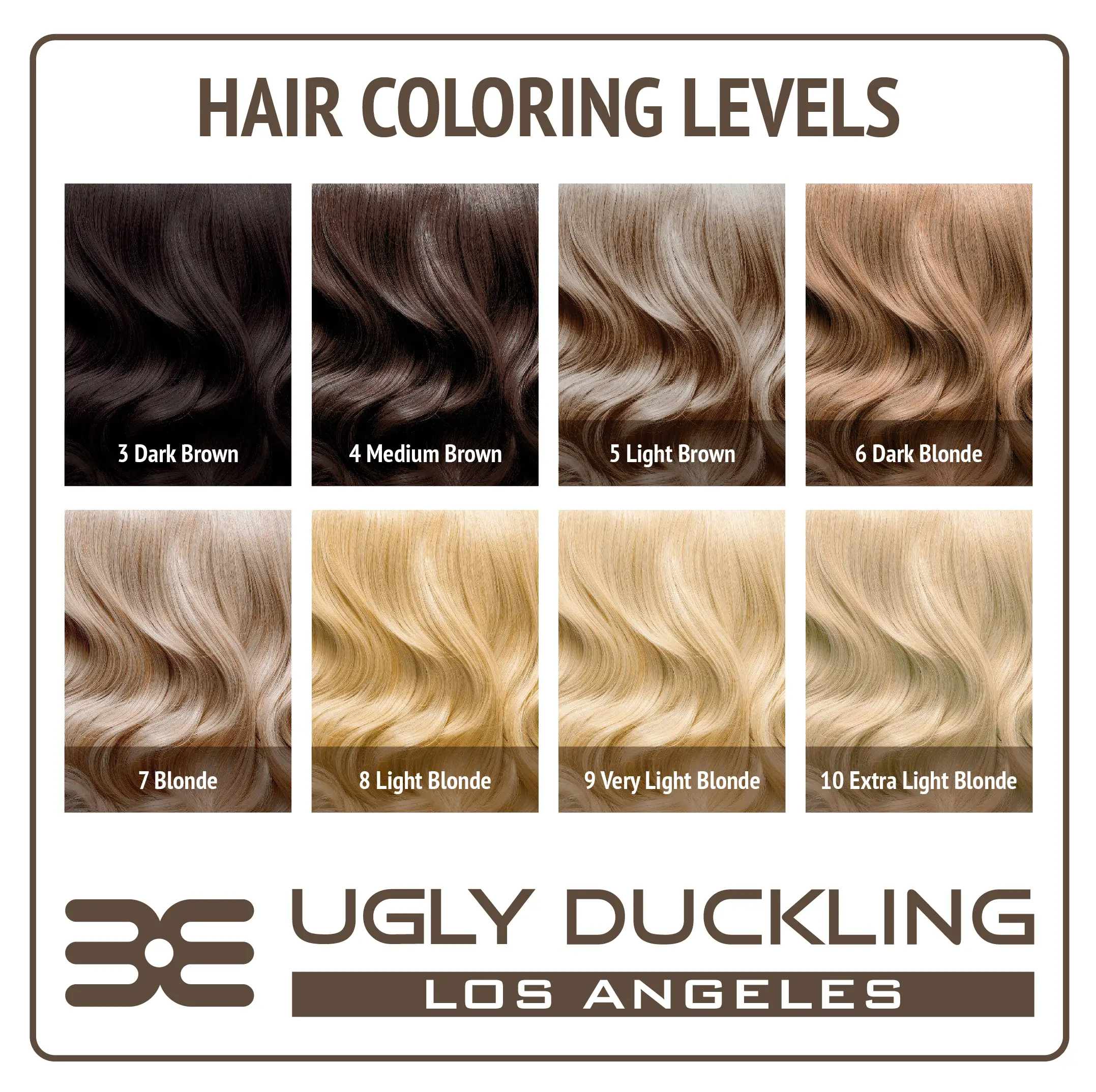
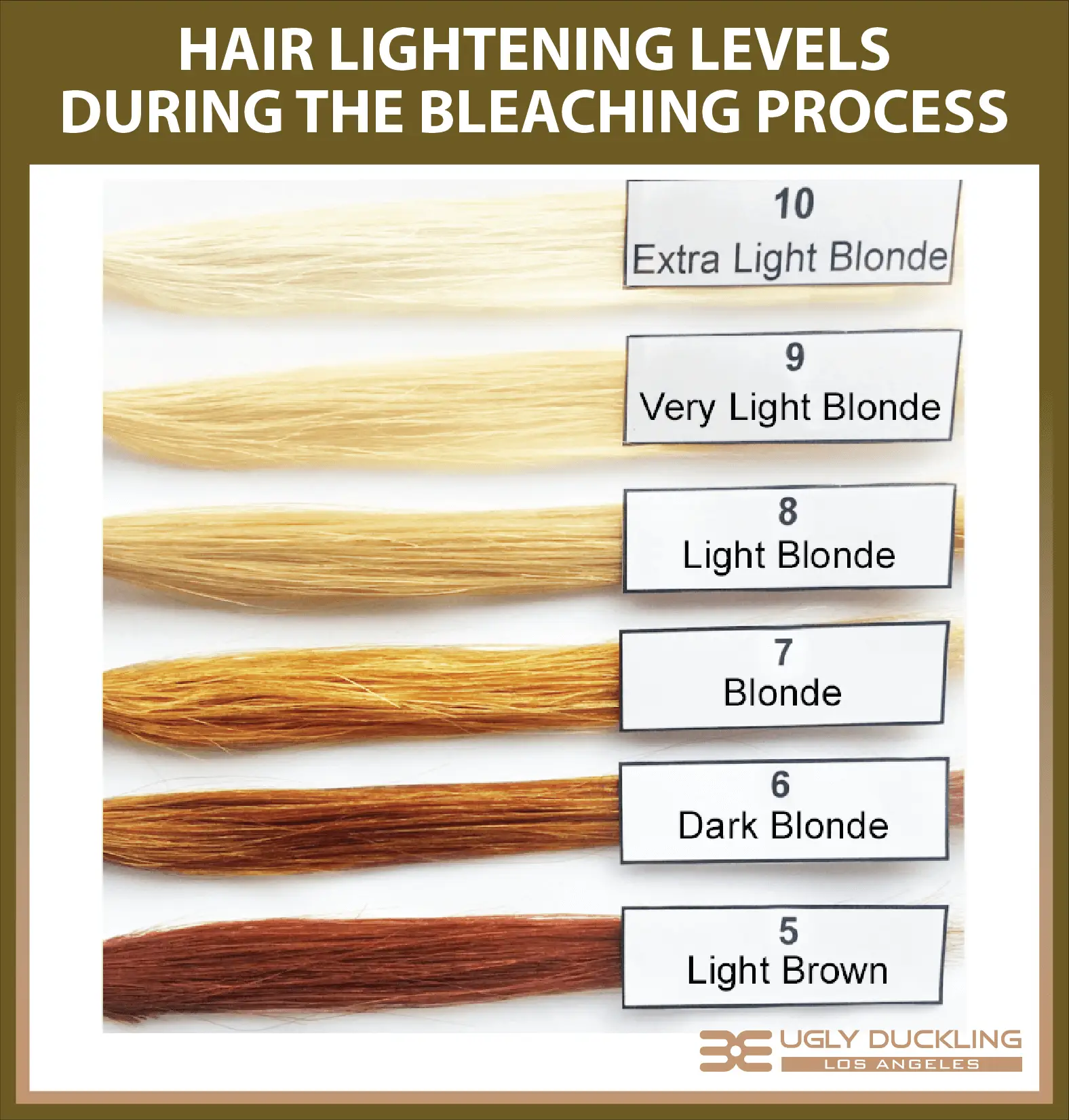
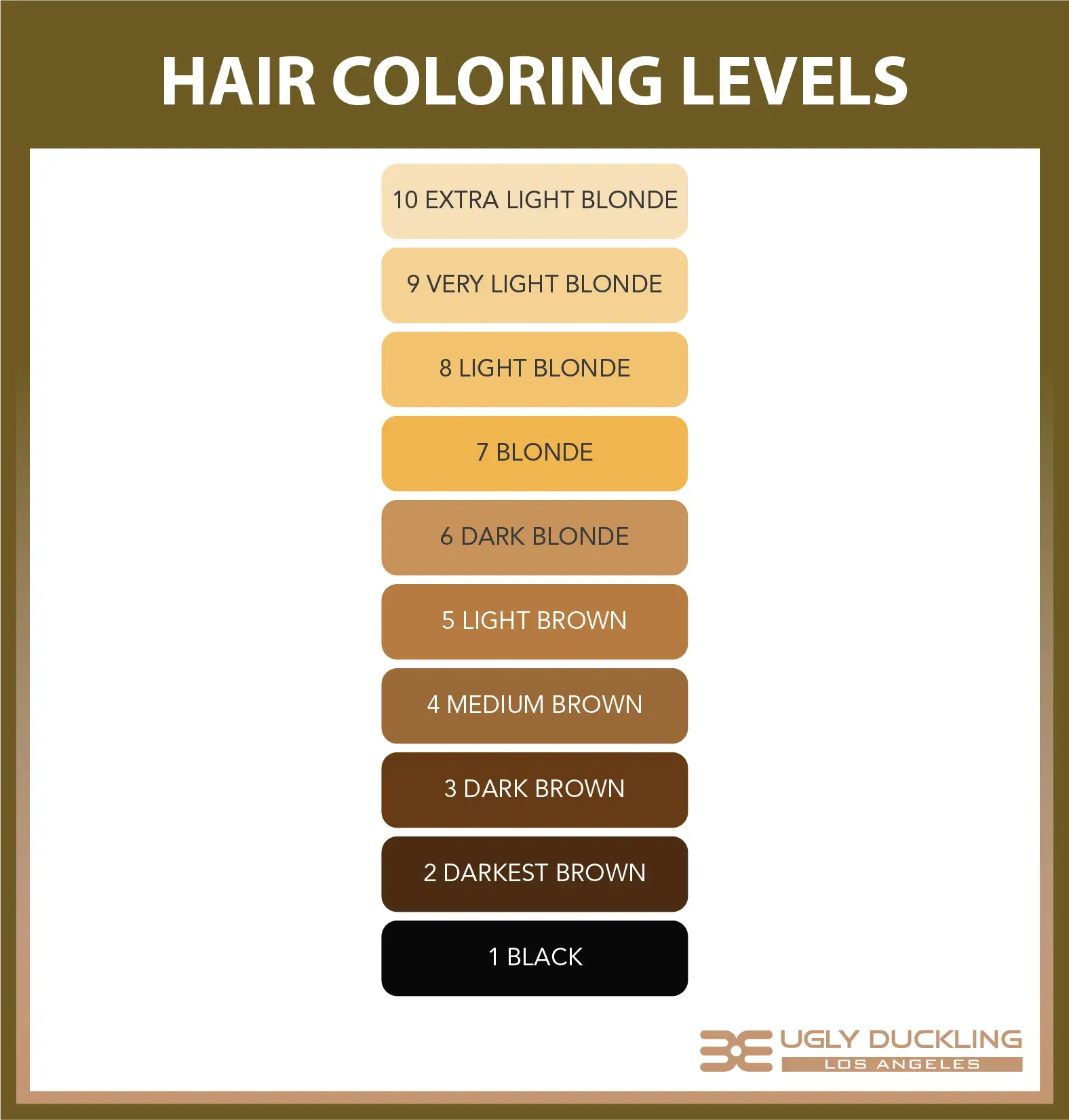
You're probably here because you need a quick solution, right? Well, if you're looking for a simple guide to understanding hair length, the hair level chart is a handy tool. It's like having a secret code to deciphering those tricky hair measurements. This chart, a simple yet effective reference, can help you determine your hair's growth and length accurately. From there, you can explore various hair growth charts, length guides, and even styling tips tailored to your hair's level.
Understanding the Hair Level Chart: A Quick Overview
The hair level chart is a useful tool for anyone interested in hair care and styling. It provides a visual representation of hair length, offering a standardized way to measure and communicate hair length. This chart is especially handy for professionals in the hair industry, ensuring consistency in haircuts and styles.
Comparing Hair Level Chart Standards and Formats
There are a few different standards and formats for hair level charts. The most common one is based on the hair growth chart, which typically uses a numerical scale. This scale ranges from 1 to 10, with each number representing a specific hair length. For example, level 1 might indicate very short hair, while level 10 represents extremely long hair.
Another format uses descriptive terms, such as "short," "medium," and "long," to categorize hair lengths. This method is often used in everyday conversations and provides a more general idea of hair length. However, it lacks the precision of numerical scales.
Measuring Hair Accurately: A Step-by-Step Guide
To use the hair level chart accurately, follow these simple steps:
- Start by determining your current hair length. You can do this by measuring your hair from the scalp to the tip.
- Compare your measurement to the chart. Look for the closest match on the numerical scale or find the descriptive term that best describes your hair length.
- If you're using a numerical scale, you might find your hair length falls between two levels. In such cases, you can estimate or round up to the nearest level.
- Once you've identified your hair level, you can communicate it to your hairstylist or use it as a reference for styling and product choices.
Common Misconceptions and Pitfalls to Avoid
While the hair level chart is a practical tool, there are a few things to keep in mind:
- Hair length can vary depending on factors like hair type, texture, and individual growth rates. So, while the chart provides a standard, your personal hair characteristics may influence the accuracy of the measurement.
- The chart might not cover all hair types and styles. For instance, some hairstyles, like dreadlocks or extensions, may require additional considerations.
- It's essential to measure your hair accurately. Ensure you measure from the scalp and consider the natural fall of your hair.
- Remember, the chart is a guide, and individual preferences may vary. Feel free to adjust the level based on your desired style and comfort.
By understanding these factors, you can use the hair level chart effectively and make informed decisions about your hair care and styling.
Well, there you have it! A handy hair level chart can be a great tool to ensure you're getting the right products and services for your hair type. It's always a good idea to refer to these charts and guides, but remember, every head of hair is unique, so make sure to consider your specific needs and goals.
Feel free to explore our other guides and resources; we've got plenty of practical tips and tricks to help you navigate the world of hair care and styling. Happy hair adventures!