

Clear Tail Lights R34 Overview
A nail shapes chart is a handy tool for anyone wanting to explore different nail styles. It's a simple yet effective way to visualize and understand the various shapes and lengths available. This guide will cover the basics, offering a quick reference for those new to nail art and design.
The chart provides a clear overview, often with visual representations, to help you identify and choose the right shape. It's a great starting point for experimenting with your nail look, and you'll find it includes classic shapes like square and oval, as well as more unique styles.
Understanding the Nail Shapes Chart: A Quick Overview
The nail shapes chart is a handy reference tool for anyone interested in nail art and design. It's a simple guide that helps you choose the right nail shape for your style and preferences. This chart provides a visual representation of various nail shapes, making it easy to explore and decide on the perfect shape for your next manicure.
Comparing Popular Nail Shape Options
The nail shape guide typically includes a range of standard and trendy shapes. You'll find classic options like oval, square, and rounded shapes, as well as more unique styles such as coffin, stiletto, and almond. Each shape has its own charm and can create different effects on your nails. The chart often uses visual icons or illustrations to represent these shapes, making it fun and easy to browse through the options.
Creating Balance: Step-by-Step Guide to Using the Chart
Using the nail shapes chart is straightforward and can enhance your nail art experience. Here's a simple guide:
- Start by identifying your current nail shape. This helps you understand the transformation you're aiming for.
- Browse the chart and explore the various shapes. Consider the length and width of your nails and how each shape might complement them.
- Choose a shape that aligns with your personal style and the look you want to achieve. For instance, if you prefer a natural, elegant look, an oval or almond shape might be ideal.
- Discuss your choice with your nail technician, if applicable. They can offer expert advice and ensure the shape suits your nail type and lifestyle.
- Remember, the chart is a guide, and you can always customize and adapt shapes to your liking.
Common Misconceptions and How to Avoid Them
While the nail shapes chart is a valuable tool, it's essential to be aware of a few potential pitfalls:
- Nail length can influence the final appearance of a shape. Ensure you consider both the shape and length when making your choice.
- Different nail art trends may suit specific shapes better. Stay updated on trends to ensure your chosen shape aligns with your desired style.
- Individual nail care tips can impact the final result. Always ensure your nails are in good condition before shaping them.
- Remember, the chart provides a general guide. Your unique nail shape and structure may require slight adjustments to achieve the perfect fit.
The nail shapes chart is a fantastic resource for discovering and experimenting with different nail shapes. With a simple, visual approach, it empowers you to create beautiful and balanced nail designs.
Hey there! I hope this nail shapes chart has been a handy guide for you. It's a simple yet effective tool to explore and understand the different options available.
Remember, when applying this knowledge, always consider your personal preferences and the specific context. Exact values may vary slightly, so it's a good idea to double-check and adapt to your needs.
Feel free to bookmark this page; it's a quick and easy reference for whenever you need a reminder. Happy nailing!
Related: Clear Reference: Math Anchor Charts Explained
A common misconception about math anchor charts is that they are only useful for teachers or advanced math enthusiasts. However, these charts are incredibly accessible and beneficial for anyone looking to improve their math skills or simply need a quick refresh!
Math anchor charts offer a visual and organized way to understand and apply mathematical concepts. Whether it's a reference chart for common formulas or a diagram explaining a specific math topic, these tools provide an easy-to-follow guide, ensuring you don't get lost in complex equations. Keep an eye out for variations in formats and values, as these can differ depending on your region or the specific math subject.
Math Anchor Charts: Your Visual Study Buddy
Math anchor charts are like having a helpful study guide right in front of you, making complex math concepts easier to grasp. These charts are visual tools that break down math topics into simple, organized formats, often using diagrams, graphs, or tables. They're designed to be quick references, helping you understand and apply math rules and formulas.
Standard Units and Categories
The beauty of math anchor charts is their consistency. Most charts use standard units and categories, ensuring everyone understands the same thing. For instance, when measuring angles, you'll find degrees as a standard unit. Other common categories include shapes, formulas, and mathematical operations. These charts often cover a range of topics, from basic arithmetic to more advanced concepts.
Reading and Interpreting: A Step-by-Step Guide
Using a math anchor chart is simple once you know how. First, identify the topic you need help with, like finding the area of a triangle. Then, locate the relevant section on the chart. Read the labels and categories carefully. The chart will often provide a formula or rule, along with a visual representation to make it clearer. For our triangle example, you might see a diagram of a triangle, the formula for its area, and perhaps some sample calculations. Follow the steps or rules provided, and you'll be solving math problems like a pro!
Common Chart Variations and Their Causes
While math anchor charts follow standard formats, there can be variations. These often depend on the specific topic or the standard being used. For instance, a chart about fractions might use different notations or representations depending on whether it's for elementary or advanced math. Other factors like regional differences (e.g., metric vs. imperial) can also lead to variations. It's important to ensure you're using the right chart for your specific needs and level of study.
Practical Tips and Tricks: Avoiding Common Mistakes
One common mistake is assuming all math anchor charts are the same. Always check the chart's title and purpose to ensure it's relevant to your topic. Another pitfall is ignoring the chart's labels and categories, which can lead to misinterpreting the information. Always read carefully! Finally, remember that charts are guides, not absolute truths. Always double-check the exact specifications or tolerances for your specific problem, especially when dealing with real-world applications.
By understanding these practical tips and being aware of potential variations, you can use math anchor charts effectively and avoid common errors. They're a great tool to have in your math toolkit!
Math anchor charts are a fantastic tool to have at your disposal, offering a quick reference guide to keep your calculations on track. Remember, the exact details might differ slightly based on your specific needs or the standards you follow, so it's always good to double-check.
Feel free to explore our other guides; we've got plenty of practical tips and tricks to make math more accessible and fun! You'll find a wealth of resources to enhance your learning journey.
Related: Bat Sizes Chart: A Clear Guide for Selection
A bat sizes chart is a handy tool for anyone looking to find the perfect bat size, and it's a great starting point for your sporting equipment journey. This guide will cover the basics, showing you how to read and use these charts effectively, whether you're a baseball or softball enthusiast.
These charts provide a quick reference, offering standard bat measurements and sizes, which can vary depending on your sport and age group. It's an easy way to ensure you're on the right track when choosing equipment, and we'll explore the key factors to consider.
Understanding Bat Sizes Chart
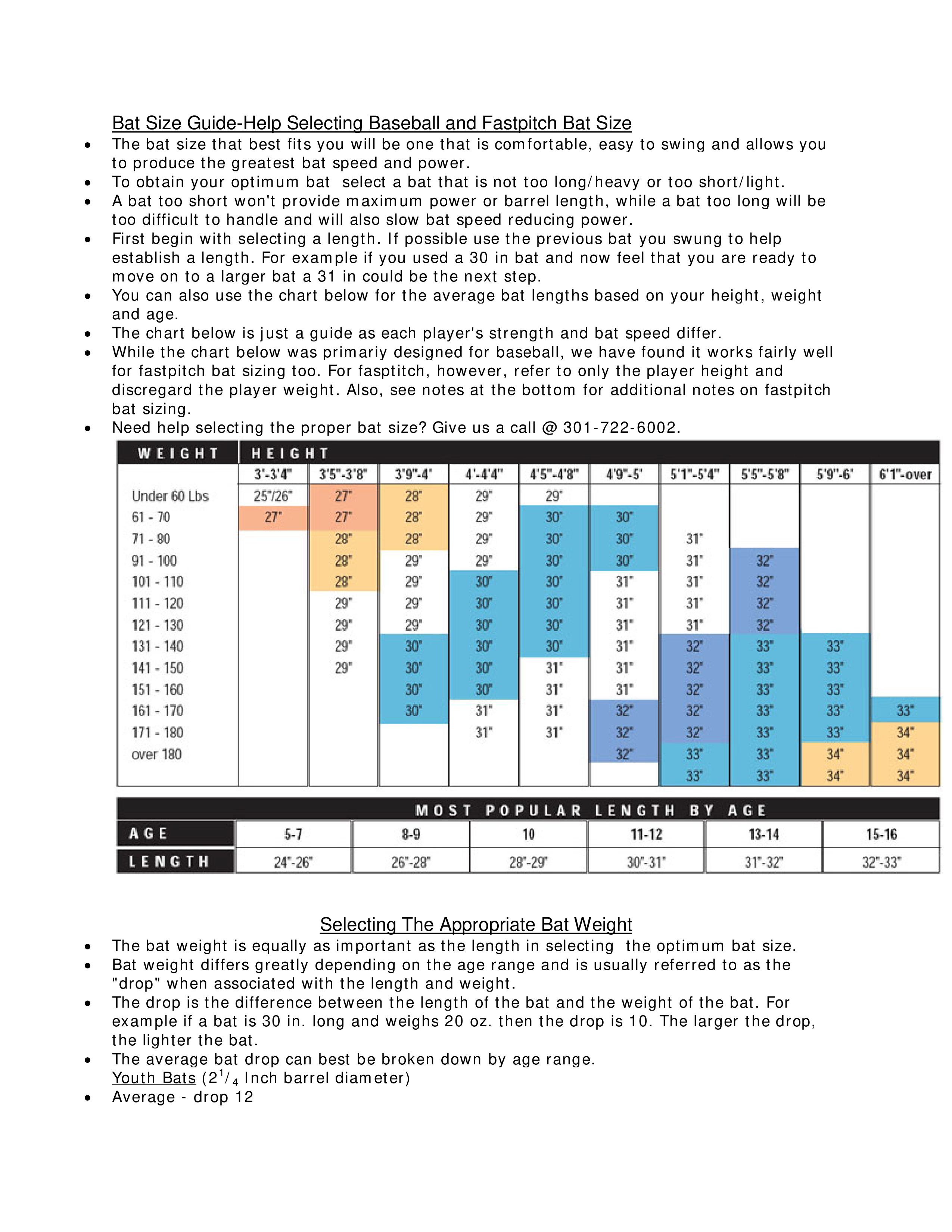
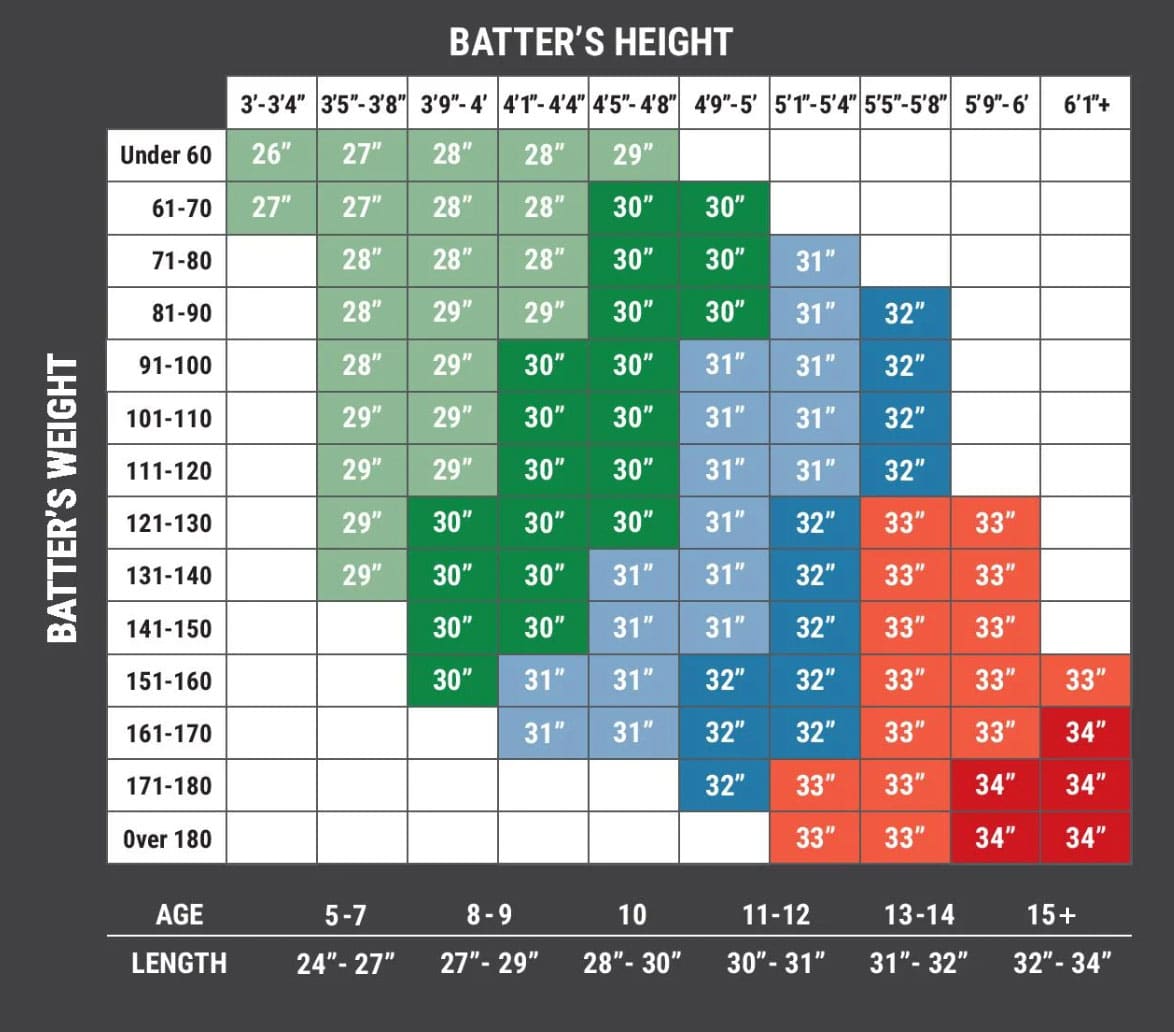
A bat sizes chart is a helpful tool for anyone looking to choose the right bat for their needs. It provides a visual guide to help you determine the ideal length and weight of a bat based on factors like age, height, and the sport you play. This chart is a great starting point, offering a quick reference to ensure you select a bat that suits your physical attributes and playing style.
Key Details and Categories
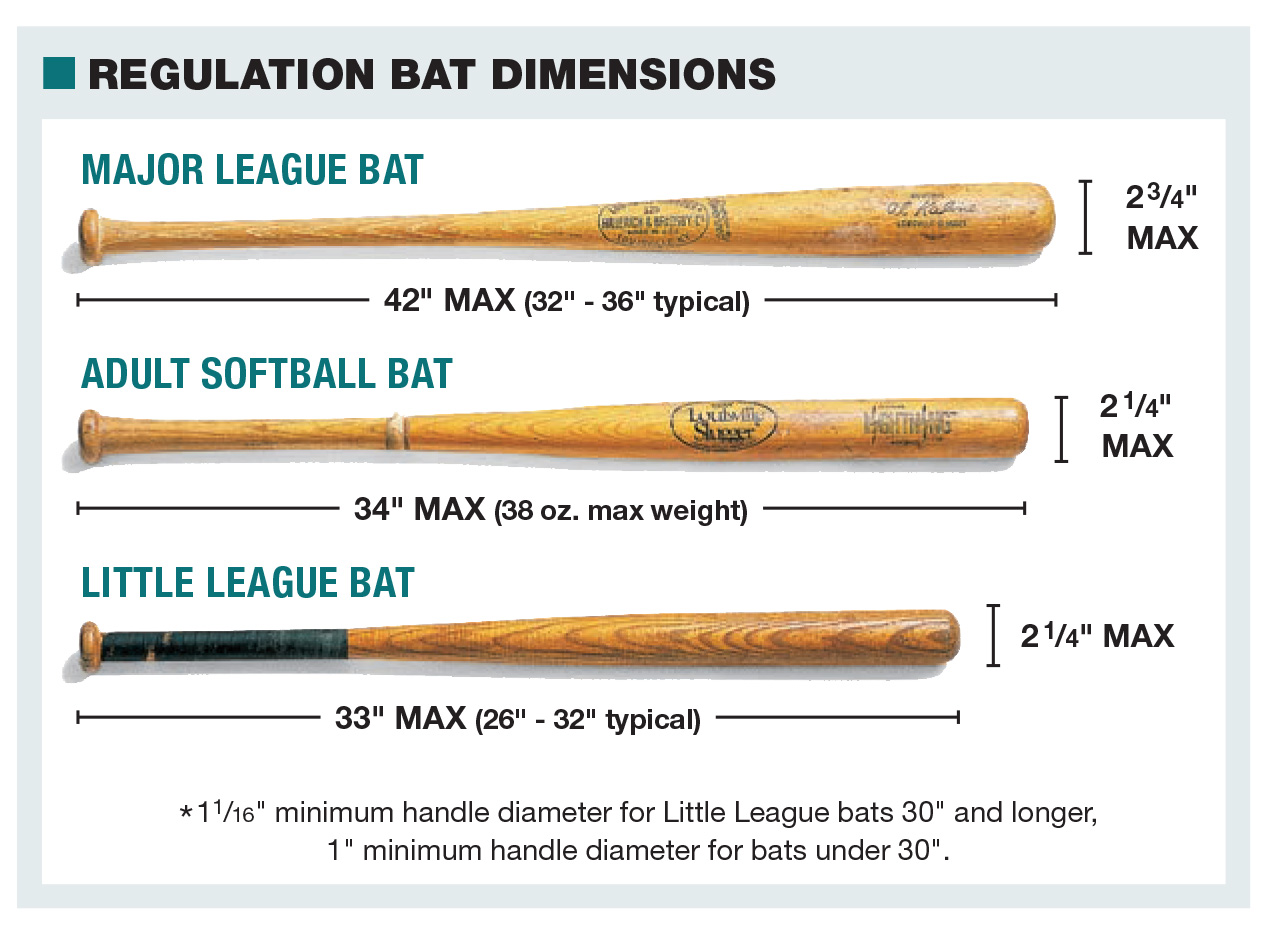
The bat sizes chart typically displays two main categories: length and weight. Length is usually measured in inches, with common sizes ranging from 24 to 34 inches. Weight is often shown in ounces, with a variety of options available. The chart may also include age and height recommendations to guide your selection. Remember, these charts are designed as a general guide, so it's important to consider individual preferences and playing experience.
How to Read and Apply the Chart
Using the bat sizes chart is straightforward. First, identify your age group or height range. Then, find the corresponding recommended length and weight ranges. For example, if you're an adult, the chart might suggest a longer and heavier bat, while youth players may need shorter and lighter options. It's essential to consider your comfort and swing speed when choosing. If you prefer a faster swing, a lighter bat might be best, even if the chart suggests a heavier one for your age.
Bat Size Variations and Differences
Bat sizes charts can vary depending on the sport and the standards used. For instance, baseball bat size charts and softball bat sizing guides may have different length and weight recommendations. Additionally, manufacturers might offer slightly different measurements or weight distributions. It's crucial to check the specific sport and brand guidelines to ensure you get the right bat for your needs. Regional variations also exist, with some countries using metric measurements, which can impact the chart's values.
Common Mistakes and How to Avoid Them
One common mistake is relying solely on the chart without considering personal preferences. Always try out a few bats to find the one that feels comfortable in your hands and allows for a smooth swing. Another pitfall is neglecting to check the latest standards and regulations, especially for competitive play. These can change over time, so it's essential to stay updated. Lastly, don't forget to measure your bat properly. Incorrect measurements can lead to an ill-fitting bat, affecting your performance. Always double-check your measurements against the chart's specifications.
Hey there, I hope this bat size chart has been helpful and easy to navigate. Remember, when it comes to choosing the right bat, it's all about finding the perfect fit for your game.
While this guide provides a solid foundation, it's always a good idea to double-check the specific requirements or regulations for your league or competition. Exact values can vary, so it's best to be prepared and ensure you're covered.
Feel free to explore more of our sports equipment guides and resources. We've got plenty of practical tips and insights to share, so stick around and discover more!