


Clip Art Picnic Basket Overview
A youth sizing chart is a handy tool to have when shopping for kids' clothes and shoes. This guide will show you how to navigate these charts with ease, ensuring you get the right fit every time.
These charts are a quick reference, offering standard youth measurements to help you find the perfect size. While values may vary slightly by brand and region, they provide a reliable starting point. You'll find clothing size charts, shoe size guides, and even a head circumference guide, all designed to make sizing a breeze!
Understanding the Youth Sizing Chart
The youth sizing chart is your go-to guide for finding the perfect fit for kids' clothing and shoes. It's a simple yet powerful tool that helps you navigate the world of sizing, ensuring your little ones look and feel their best.
Key Details and Categories
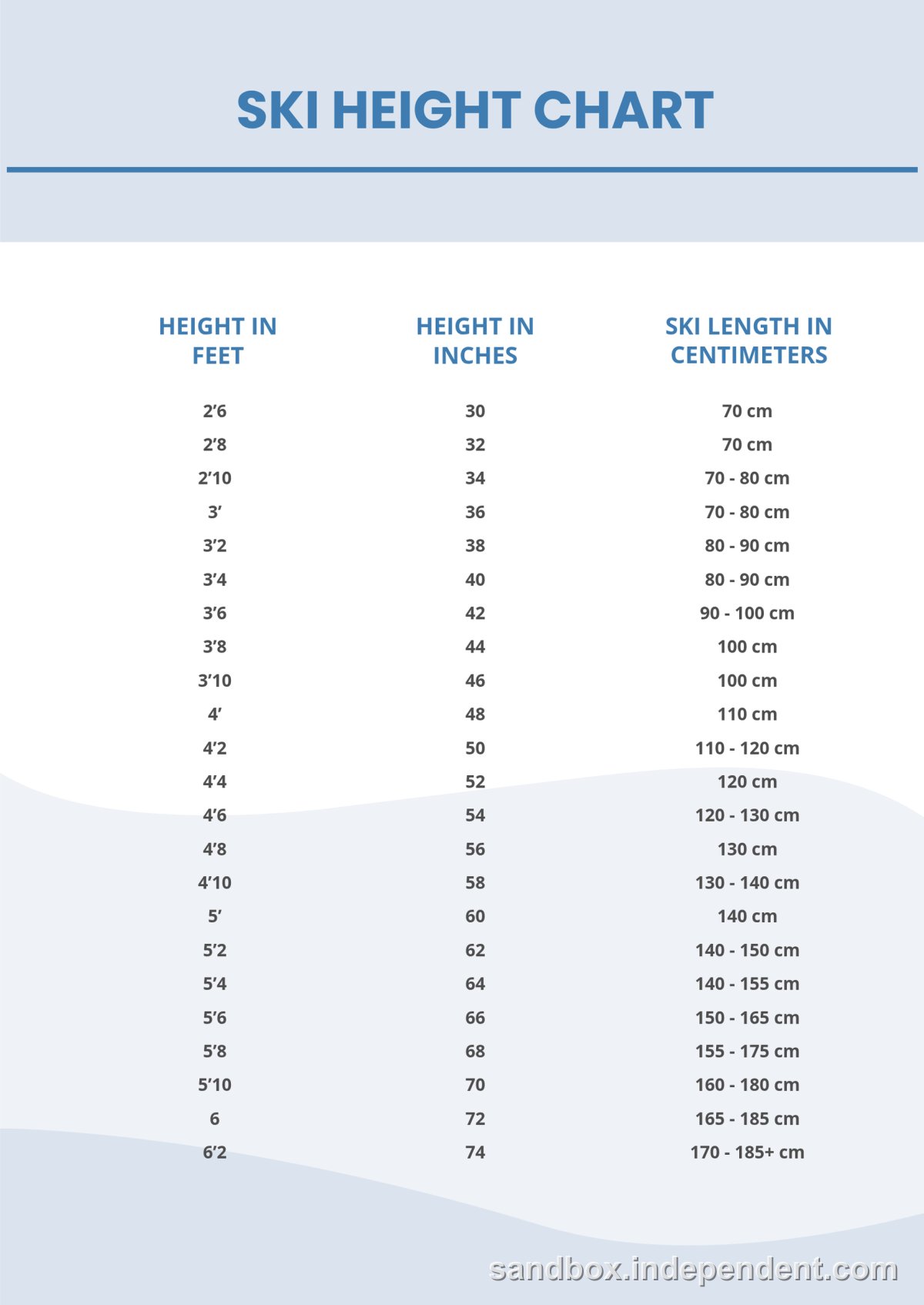
This chart typically includes measurements for height, weight, and sometimes even age. These measurements are divided into categories, often based on age groups or specific size ranges. You'll find units in both centimeters (cm) and inches, so it's essential to know which system you're using. For instance, a child's height might be listed as 122 cm or 48 inches, depending on the standard.
How to Read and Apply the Chart
Using the youth sizing chart is straightforward:
Start by measuring your child's height and weight. If you're unsure, ask a friend or family member to help. It's best to measure in the morning, before any major activities, to get an accurate reading.
Locate the height and weight categories on the chart that match your child's measurements. These categories will often have a range, so find the one that best fits your child's size.
Once you've identified the right category, you'll see a recommended size or a range of sizes. This is the size you should choose when shopping for clothing or shoes.
For clothing, you might see a letter (e.g., S, M, L) or a number (e.g., 6, 8, 10) indicating the size. For shoes, you'll often find a number followed by a width indicator (e.g., 13 M, 1 M).
Variations and Differences
It's important to note that youth sizing charts can vary depending on the standard being used. For instance, a clothing size chart from one brand might not align perfectly with another brand's chart. This is especially true when comparing international sizing standards. Additionally, some charts might be more detailed, including measurements for head circumference or chest size, which can further refine the fit.
Common Mistakes and How to Avoid Them
One of the most common mistakes is not measuring accurately. Always take precise measurements, especially if your child is on the border of two size categories. Another pitfall is assuming that all brands or manufacturers use the same sizing standards. Always double-check the specific kids sizing guide or standard youth measurements provided by the brand or retailer. Lastly, don't forget to consider the material and design of the clothing or shoes. Some items might run larger or smaller than expected, so it's always a good idea to check reviews or ask for recommendations.
Well, that's the lowdown on youth sizing charts! You now have the tools to navigate these charts with ease and ensure a perfect fit for your little ones. Remember, while these charts are a fantastic guide, it's always wise to double-check the specific requirements or standards you're working with.
Feel free to explore our other resources; we've got a range of practical guides to help you tackle various tasks with confidence. Happy sizing and see you around!
Related: What is the UGA Depth Chart?
A uga depth chart is a handy tool for any sports fan, especially those passionate about the Georgia Bulldogs. It's a simple yet effective way to visualize the team's lineup and understand player positions. This guide will take you through the basics, covering what you need to know to read and interpret these charts like a pro. From the uga football roster to the starting lineup, we'll explore how these charts can provide valuable insights into the team's strategy and player depth.
What is the UGA Depth Chart?
The UGA depth chart is a valuable tool for fans and analysts of the Georgia Bulldogs football team. It provides a visual representation of the team's roster, showcasing player positions and their depth within the squad. This chart offers a quick reference guide to understand the team's lineup and potential strategies.
Key Details and Categories
When examining a UGA depth chart, you'll notice several columns and rows. The columns typically represent different player positions, such as quarterback, running back, wide receiver, and so on. Each position has a specific role and contributes uniquely to the team's success. The rows, on the other hand, indicate the depth of players within each position. You'll often see the starting players listed first, followed by backups and potential replacements.
Reading and Applying the Chart
Understanding how to read the UGA depth chart is straightforward. Here's a step-by-step guide:
- Identify the Position: Locate the column representing the position you're interested in. For instance, if you want to know about the quarterbacks, find the "QB" column.
- Analyze Depth: Within each position column, players are listed in order of their depth. The top player is usually the starter, followed by backups. Take note of the names and their order.
- Recognize Abbreviations: Sometimes, you might encounter abbreviations or codes next to player names. These could indicate special teams roles or specific skills. For example, "KR" might stand for "kick returner."
- Study Player Rankings: The depth chart often provides a ranking or evaluation of players within their positions. This can help you understand the team's hierarchy and potential playing time.
- Consider Flexibility: Keep in mind that coaches may adjust the lineup based on game plans and opponent strategies. The depth chart offers a snapshot, but actual game-time decisions can vary.
Variations and Differences
While the UGA depth chart follows a standard format, variations can occur due to several factors:
- Player Injuries: Injuries can impact the depth chart significantly. A starter's absence might push a backup into the starting role, affecting the entire lineup.
- Game Strategy: Coaches may adjust the depth chart based on the opponent's strengths and weaknesses. Certain players might be moved up or down to counter specific tactics.
- Position Flexibility: Some players are versatile and can play multiple positions. This flexibility allows coaches to adapt their lineup based on game flow.
- Development and Growth: As the season progresses, players may improve or regress. This can lead to changes in the depth chart as coaches assess performance.
Common Mistakes and How to Avoid Them
When interpreting a UGA depth chart, it's important to avoid these common pitfalls:
- Overlooking Abbreviations: Take the time to understand the abbreviations used. Misinterpreting these codes can lead to incorrect assumptions about player roles.
- Assuming Starting Lineup: While the depth chart lists starters first, remember that coaches may make last-minute changes. Always check the official game-time lineup for the most accurate information.
- Ignoring Depth: Depth charts provide a hierarchical view of the team. Don't focus solely on starters; understanding the entire depth can give you insights into the team's overall strength.
- Neglecting Player Movement: Players can be moved between positions or even traded. Stay updated with the latest news to ensure your analysis is accurate.
Practical Tips for Accurate Results
To make the most of the UGA depth chart, consider these practical tips:
- Regular Updates: Depth charts can change frequently, especially during the season. Stay tuned to official sources for the latest updates.
- Compare with Previous Years: Analyzing historical depth charts can provide context and help you understand player progression and team dynamics.
- Combine with Other Resources: Use the depth chart as a starting point, but also refer to player statistics, game analysis, and expert opinions for a comprehensive understanding.
- Consider Player Chemistry: The depth chart focuses on individual roles, but the team's success also relies on player chemistry and cohesion.
Double-Checking and Handling Exceptions
While the UGA depth chart is a valuable tool, it's essential to double-check certain aspects:
- Official Lineup Announcements: Always confirm the official starting lineup before the game. Coaches may make last-minute changes due to injuries or strategic decisions.
- Position Flexibility: Some positions, like wide receivers or defensive backs, may have players who can fill multiple roles. Understand the team's flexibility to predict potential lineup adjustments.
- Injury Reports: Keep an eye on injury reports, as they can impact the depth chart significantly. Injured players might be listed as questionable or out, affecting their availability and depth chart position.
Well, there you have it! A depth chart is a handy tool, but it's important to remember that every situation is unique. So, always take a moment to ensure your specific needs are met and double-check the details for your context.
Consider bookmarking this page for future reference; it might just save you some time and effort down the line. Until next time, happy charting!
Related: Beef Cuts Chart: A Simple Visual Guide
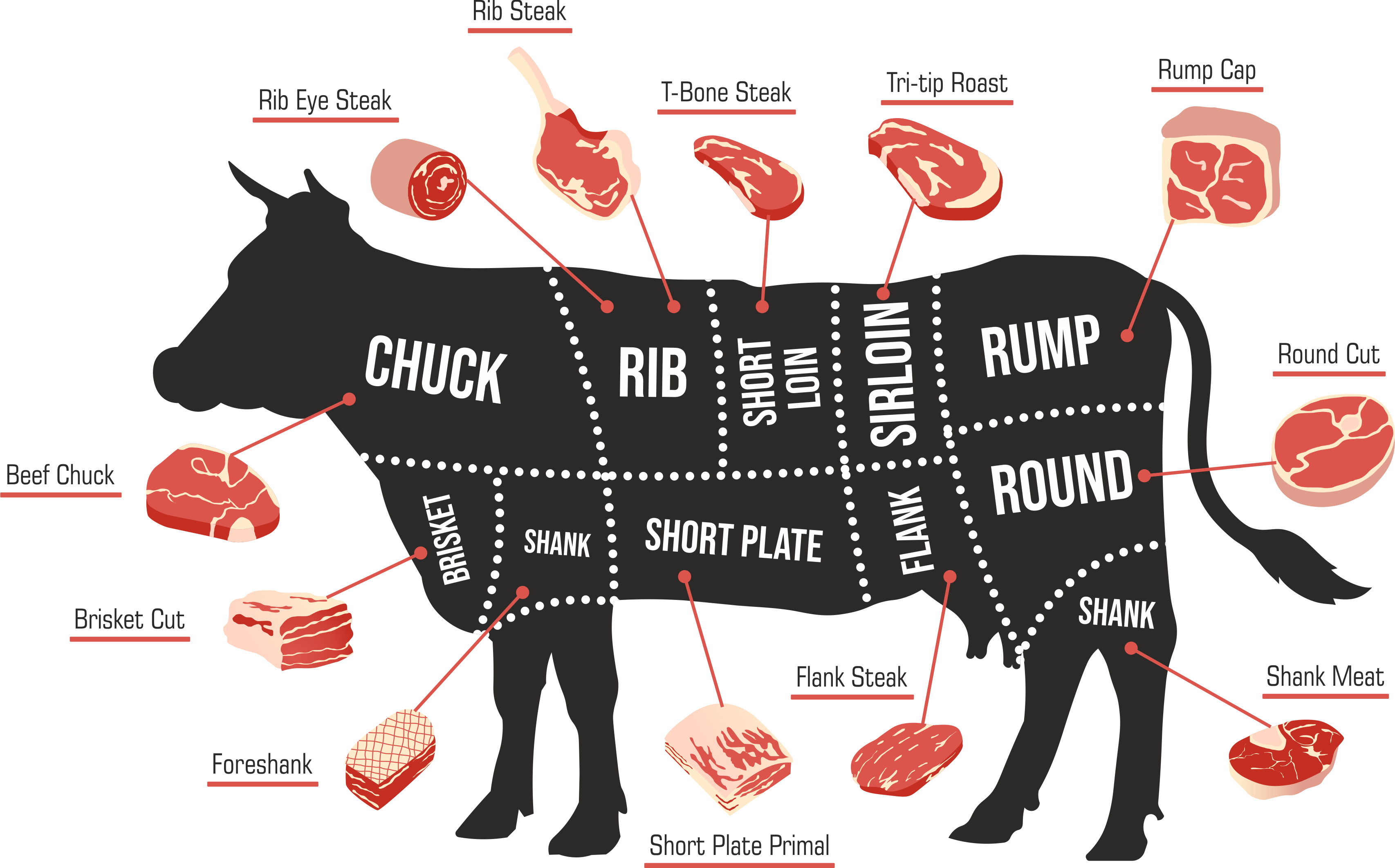
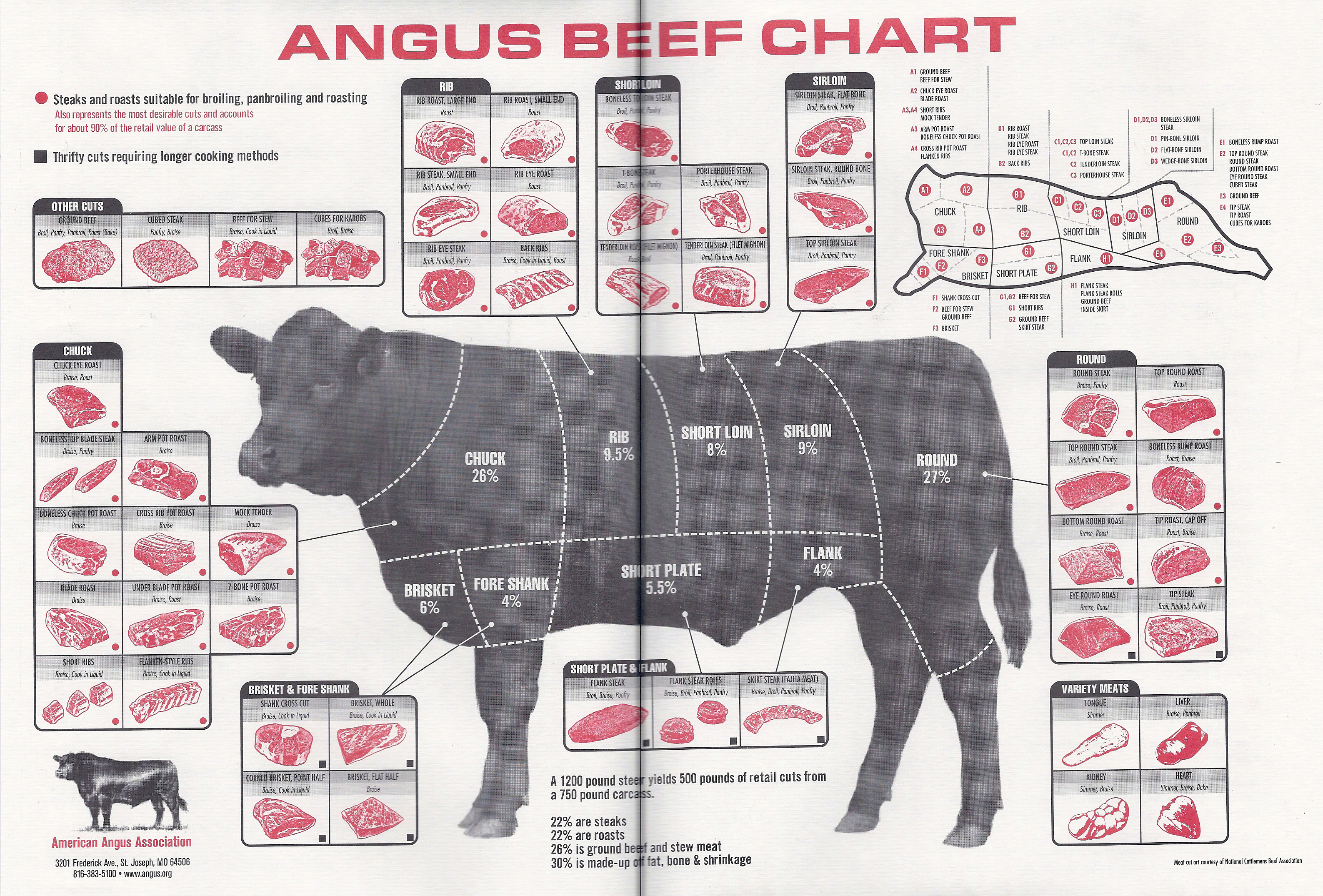
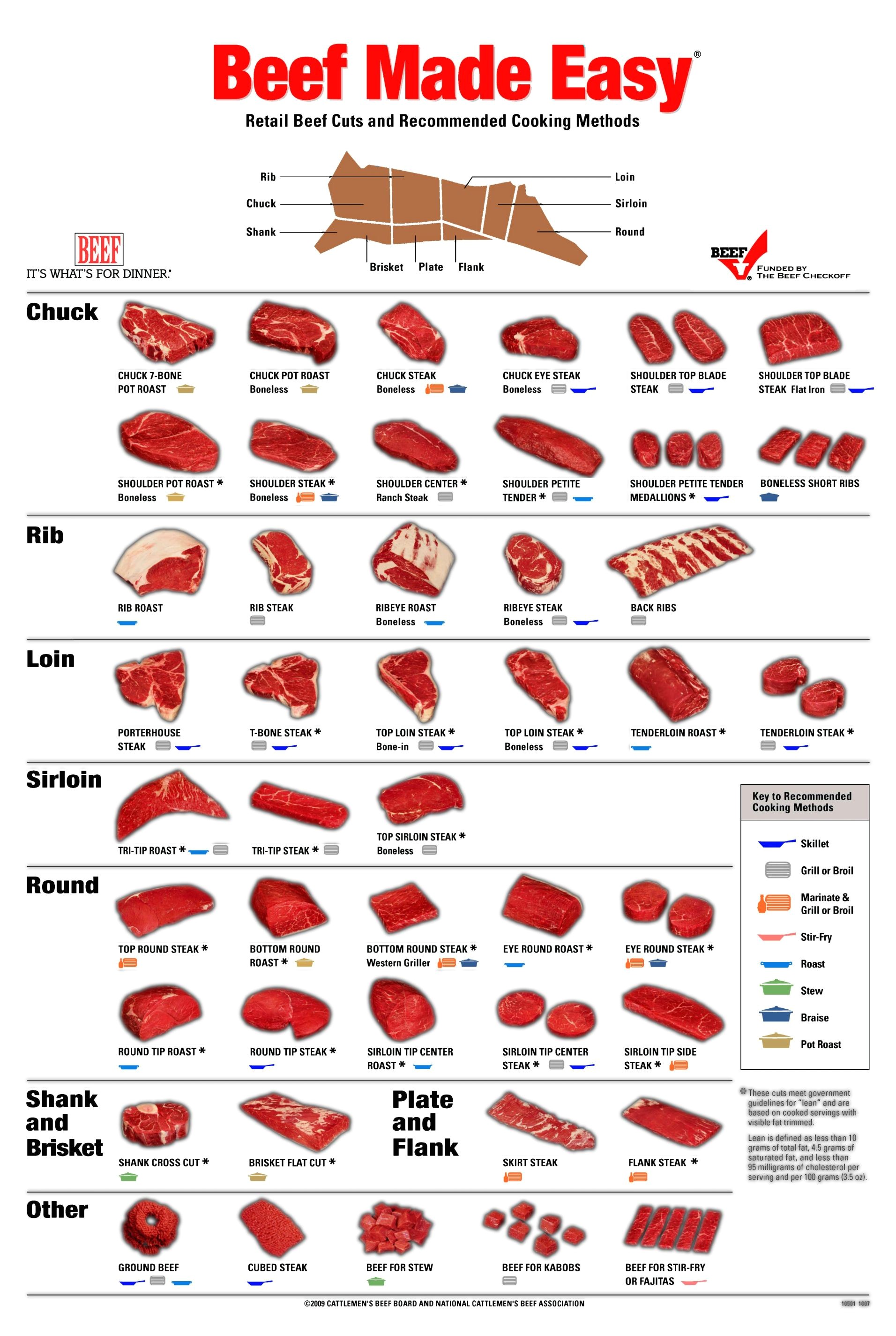
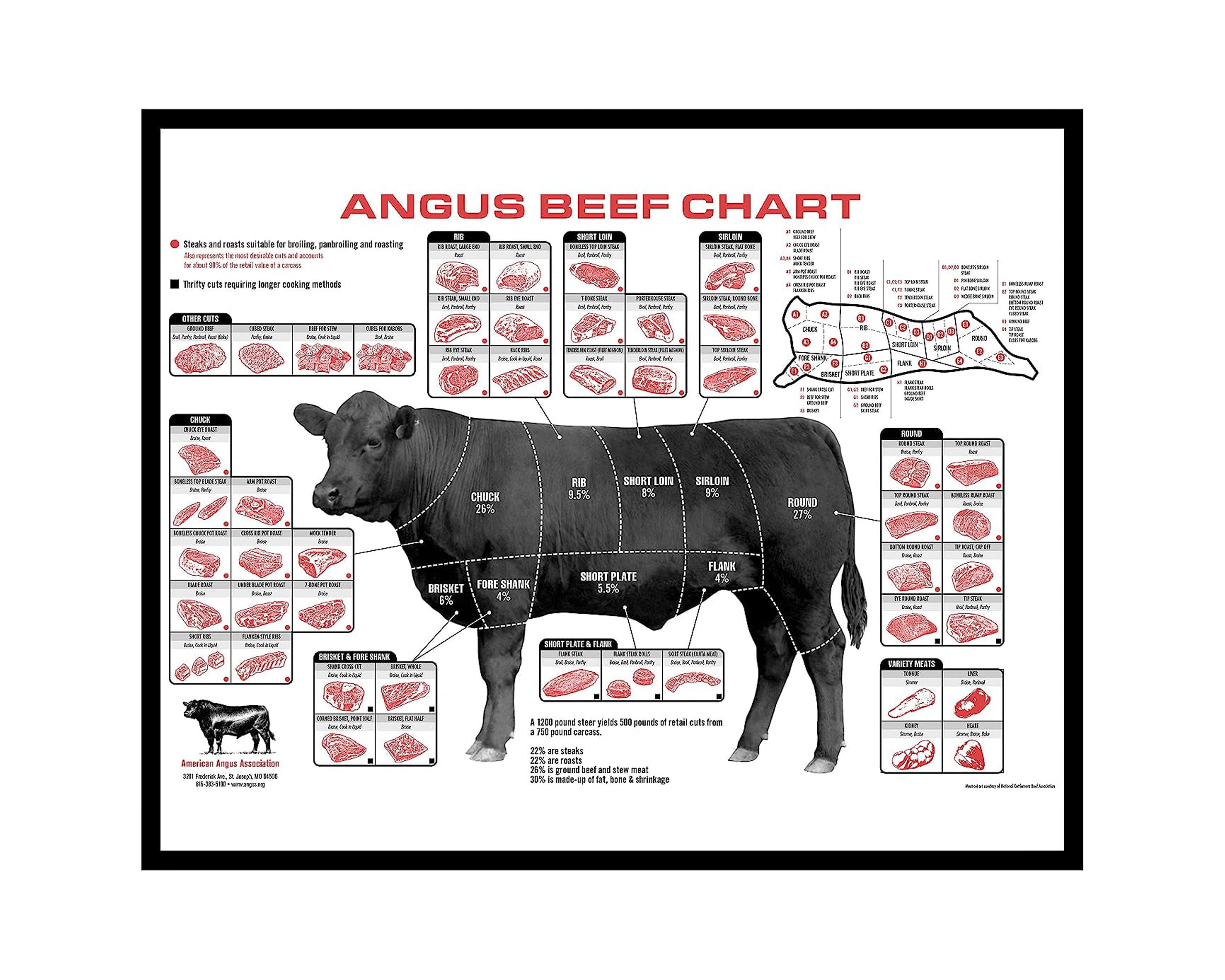
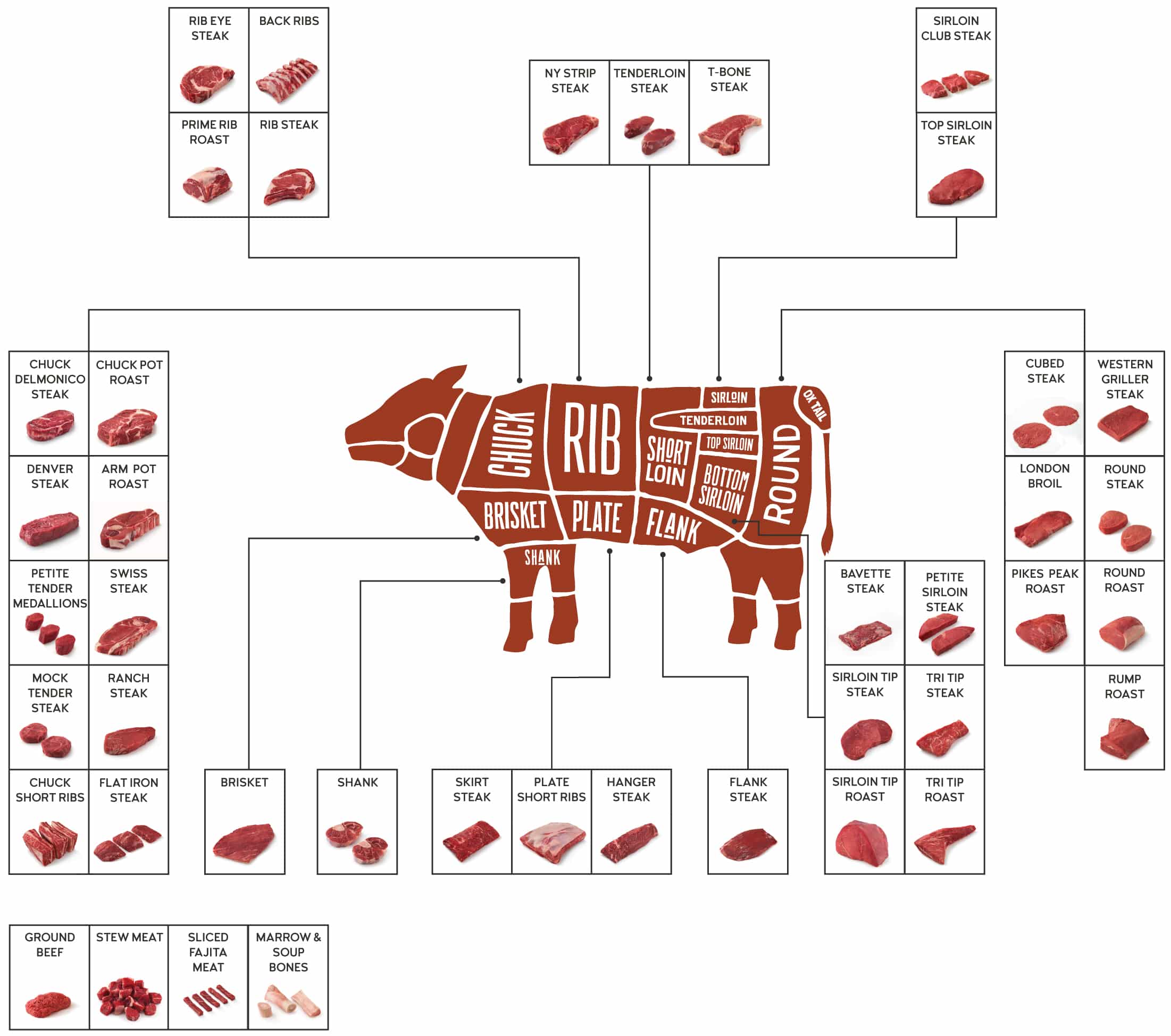
You're likely here because you're seeking a reliable resource, a quick reference guide, or perhaps you're in the middle of a cooking adventure and need to check those beef cuts chart details. It's a handy tool, a visual aid, and a great way to navigate the world of beef cuts, ensuring you can identify and utilize the right cut for your culinary creations. The beef cuts chart offers a simple yet effective way to understand the various cuts, their names, and their ideal uses, be it for grilling, roasting, or slow-cooking. While formats and values may vary slightly depending on your region or the butcher's chart, the fundamentals remain the same, providing a solid foundation for your meat-cooking endeavors.
Understanding the Beef Cuts Chart: A Practical Guide
The beef cuts chart is an invaluable tool for anyone who enjoys cooking with beef, offering a comprehensive visual guide to different cuts and their characteristics. This chart provides a quick reference for selecting the right cut for your culinary needs, whether you're looking for a tender steak or a flavorful roast.
Comparing Beef Cuts: Standards and Formats
Beef cuts charts typically organize cuts into categories based on the animal's anatomy, with each cut having its own unique qualities. You'll find categories like "rib," "loin," "chuck," and "round," each with its own sub-cuts. These charts often include additional information such as cooking recommendations, ideal cooking methods, and even storage tips. The format may vary, but the essential details remain consistent, ensuring you can make informed choices.
Step-by-Step Guide to Using the Chart
To utilize the beef cuts chart effectively, follow these steps:
Identify the primary cut you wish to use. This is usually based on the recipe or your desired dish.
Refer to the chart to locate the specific cut. It's helpful to know alternative names or common abbreviations, as these may be used interchangeably.
Check the recommended cooking methods and any special instructions. Some cuts may require specific preparation or cooking techniques to achieve the best results.
Consider the serving size and adjust the quantity as needed. The chart often provides guidance on portion sizes, ensuring you have enough for your meal.
Finally, review any storage tips provided. Proper storage is crucial to maintaining the quality and safety of your beef.
Avoiding Misreadings and Pitfalls
While the beef cuts chart is designed for clarity, a few common misreadings can occur. Here's how to avoid them:
Pay attention to the scale or size of the cut. Some charts may use different scales, so ensure you're interpreting the measurements correctly.
Understand the cooking recommendations. These are often general guidelines, and you may need to adjust cooking times or methods based on your specific oven or grill.
Be aware of regional variations. Different countries or regions may have unique names or classifications for certain cuts, so double-check if you're unsure.
Factors Affecting Accuracy and Real-World Use
Several key factors can influence the accuracy and practical application of the beef cuts chart:
Beef quality: The grade of beef, such as prime or choice, can impact the tenderness and flavor of the cut.
Aging: Proper aging enhances flavor and tenderness. The chart may not specify aging, so consider this factor when selecting your cut.
Cut thickness: Thicker cuts may require adjustments to cooking times.
Personal preference: Your own taste and cooking style can guide your choices, even if they deviate slightly from the chart's recommendations.
Cooking measurements: Ensure you're using the correct units and conversions for your region or standard.
Adapting the Chart for Specific Needs
While the beef cuts chart provides a comprehensive guide, you may need to adapt it for specific recipes or preferences. Here are some tips:
If you're cooking for a large group, adjust portion sizes accordingly.
For special dietary needs, consider alternative cuts or cooking methods that align with those requirements.
If you have a favorite recipe that calls for a specific cut, use the chart to find suitable alternatives if that cut is unavailable.
Experiment with different cooking techniques to discover new flavors and textures.
Remember, the beef cuts chart is a versatile tool, and with a little practice, you'll become an expert at navigating it and creating delicious beef dishes.
Well, there you have it, a comprehensive guide to beef cuts and their uses. Remember, when it comes to selecting the right cut for your culinary creations, it's always wise to consider your specific needs and the context in which you'll be using them.
Feel free to explore our other guides and resources; we've got a whole host of practical information to help you navigate the world of cooking and beyond. Happy browsing, and here's to delicious adventures!