



Club Length Chart Free Printable Overview
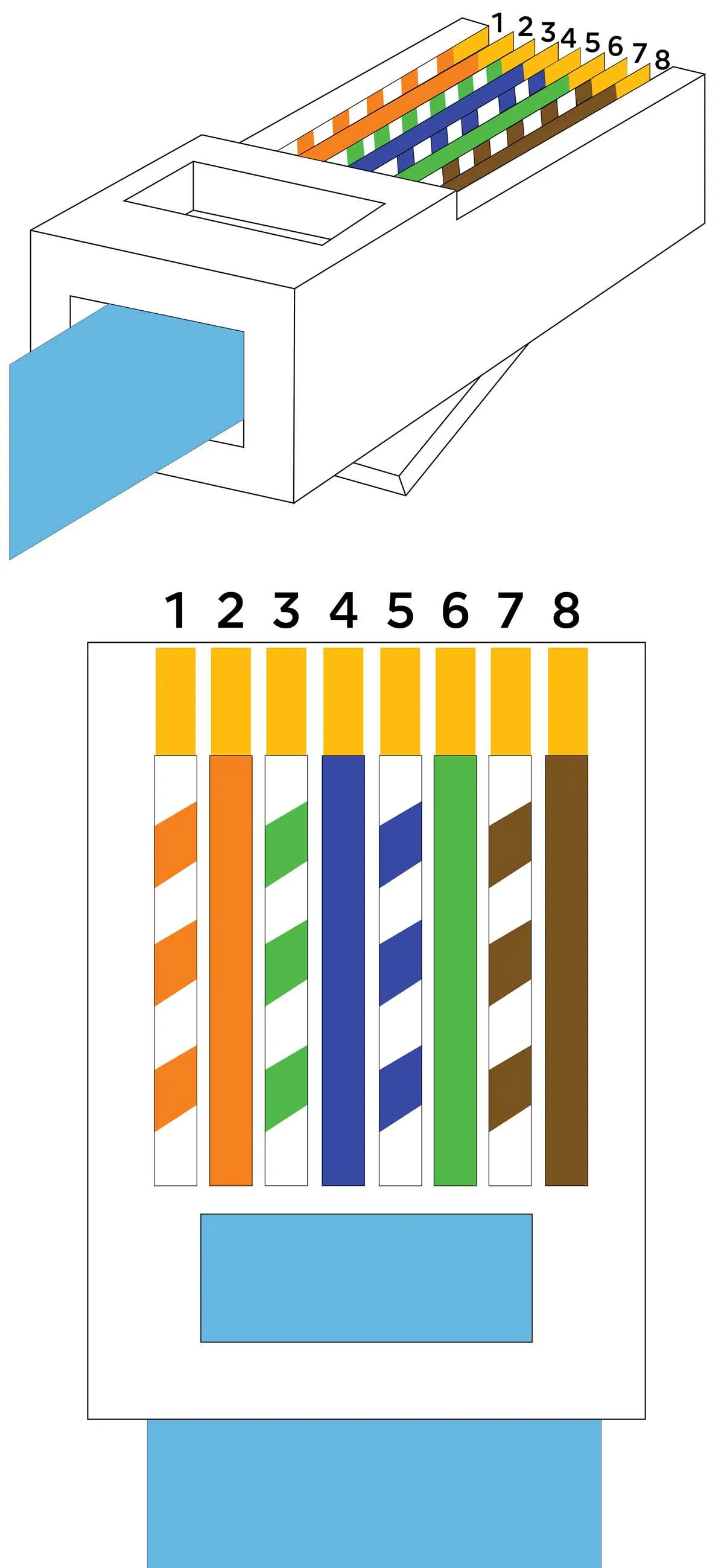
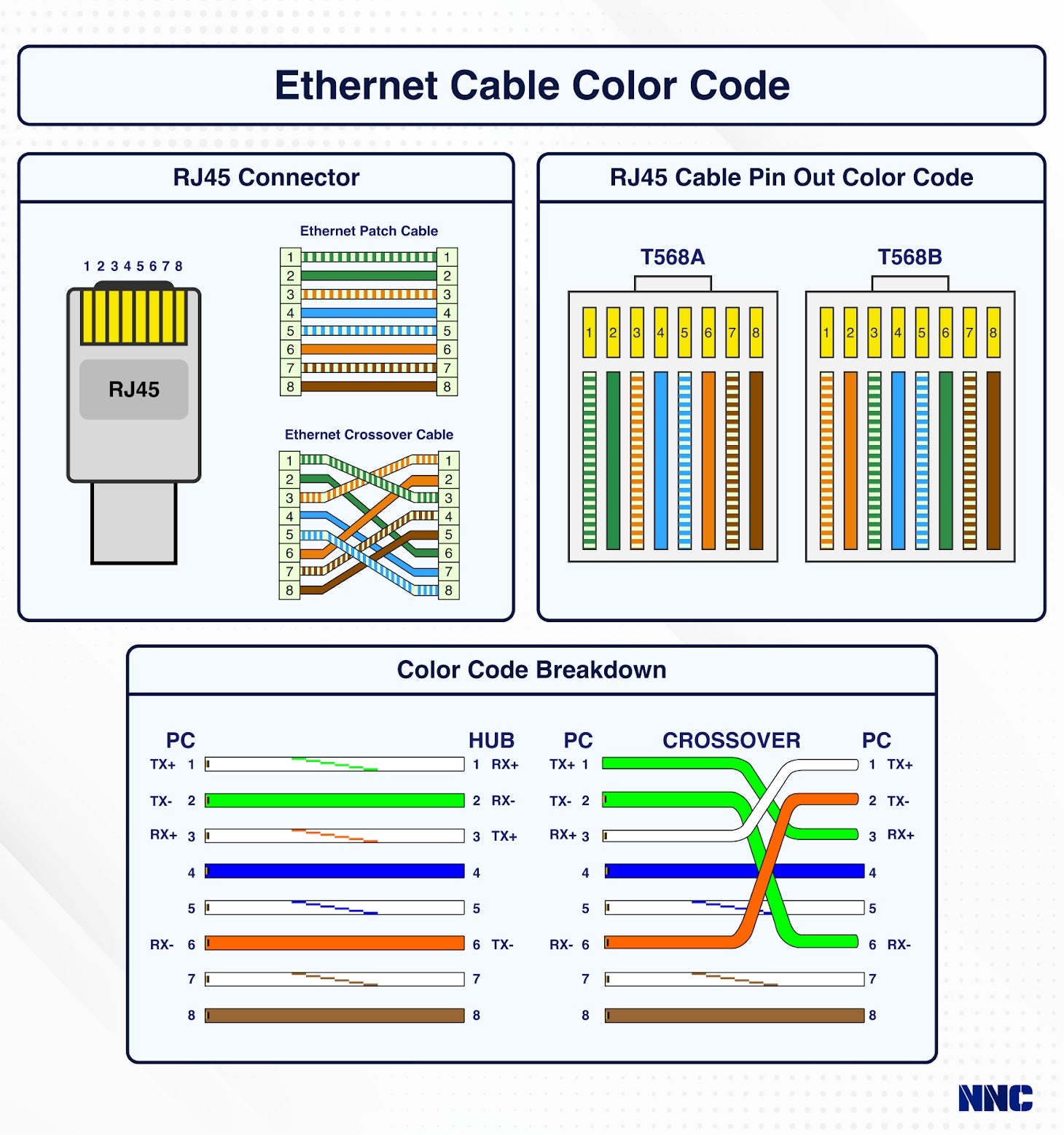
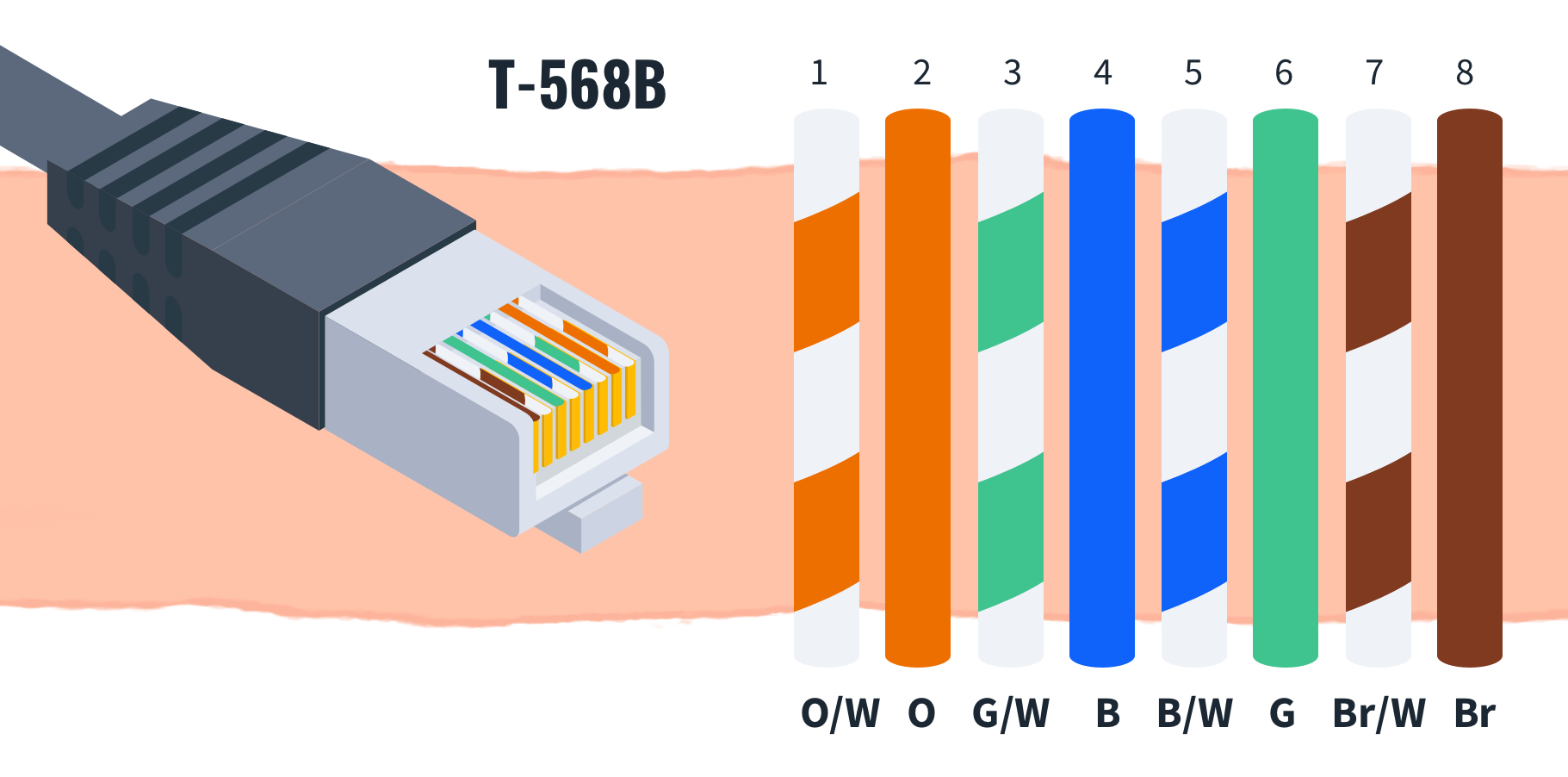
Many folks get overwhelmed when they first see an RJ45 wiring chart, assuming it's a complex, confusing maze. But fear not! It's a simple, visual guide that demystifies ethernet cable wiring. This chart is your friend, offering a clear path to understanding the rj45 pinout and color code chart. While values may vary slightly, the RJ45 wiring chart ensures you're following network cable standards, T568A or T568B, like a pro.
An Overview of the RJ45 Wiring Chart
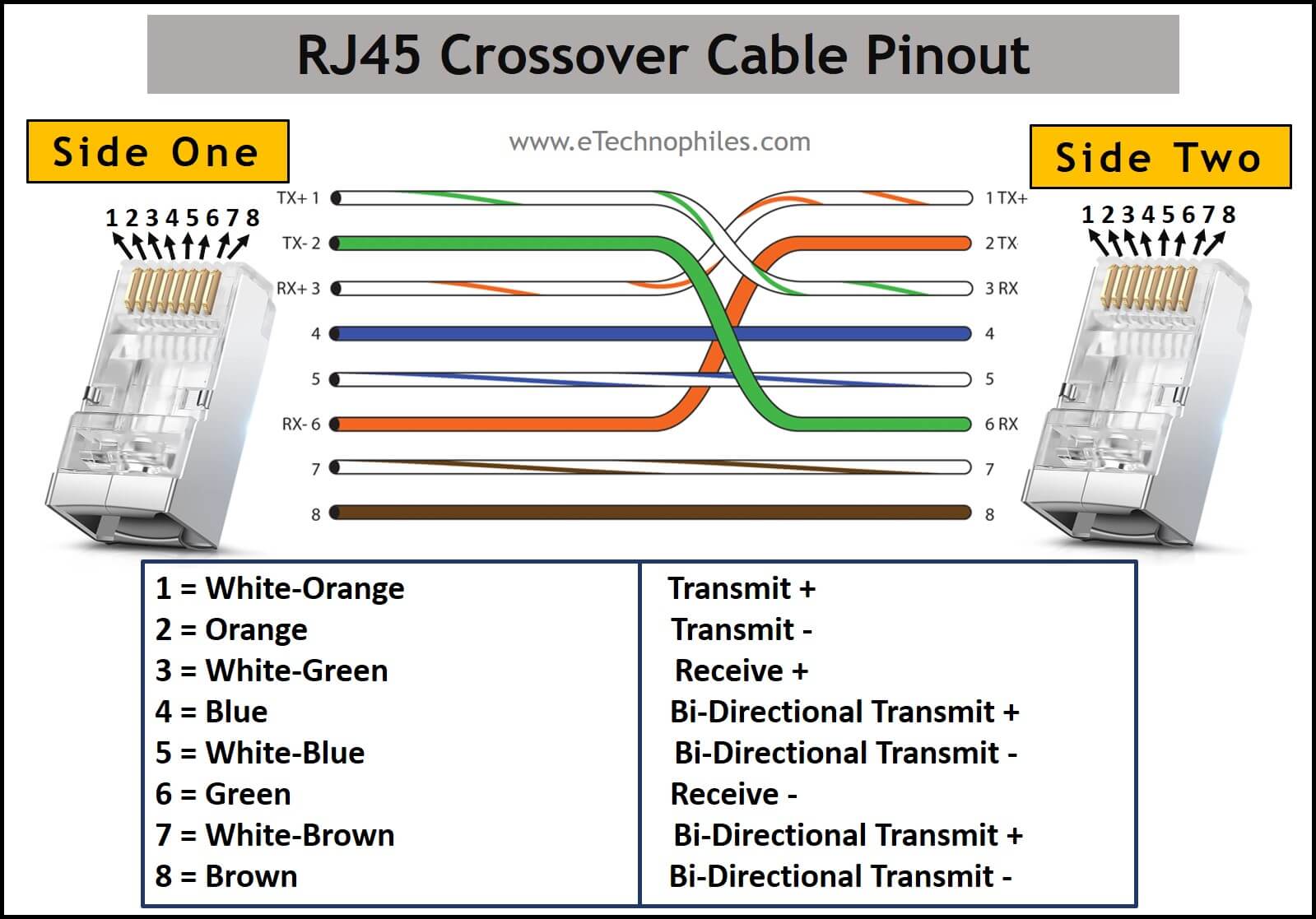
The RJ45 wiring chart is your go-to guide for understanding and creating RJ45 connections. It's like a map that shows how each wire should be connected to its corresponding pin in an RJ45 connector. This chart is essential for setting up networks and ensuring your ethernet cables work as intended.
Comparing RJ45 Standards: T568A vs. T568B
There are two common standards for RJ45 wiring: T568A and T568B. These standards dictate the color code and pin assignments for the wires. While both standards are widely used, they have different color arrangements. T568A is often preferred for its compatibility with older telephone wiring, while T568B is more common in modern networks. It's crucial to know which standard you're working with to avoid any misconnections.
Step-by-Step Guide: Using the RJ45 Wiring Chart
Using the RJ45 wiring chart is straightforward. Here's a simple process to follow:
Identify the standard: Determine whether you're working with T568A or T568B. This information is usually available on the chart itself or in the documentation for your specific project.
Understand the color code: The chart will show you the color-coded wires and their corresponding pins. Each wire has a specific color, and these colors match the pins on the RJ45 connector.
Connect the wires: Follow the color code and connect each wire to its designated pin. Ensure a secure connection by firmly inserting the wires into the connector.
Double-check: After connecting all the wires, take a moment to verify your work. Ensure each wire is in the correct position and securely fastened.
Common Misreadings and How to Avoid Them
Misreading the RJ45 wiring chart can lead to incorrect connections. Here are some common pitfalls and how to fix them:
Mixing up standards: Always double-check the standard you're using. T568A and T568B have different color arrangements, so using the wrong standard can cause issues.
Reversing wires: Pay attention to the orientation of the wires. Some charts might show a mirror image, so ensure you're connecting the wires in the correct direction.
Ignoring the color code: The color code is crucial. Don't assume you know the colors; always refer to the chart to avoid mistakes.
Factors Affecting Accuracy: Cable Types and Specifications
The accuracy of your RJ45 connections depends on several factors:
Cable type: Different cable types, like solid or stranded, have specific uses. Ensure you're using the right cable for your application.
Connector dimensions: RJ45 connector dimensions can vary slightly between manufacturers. Always use connectors that match your cable type and standard.
Wire gauge: The gauge of the wires affects their performance. Ensure your wires meet the required specifications for your network setup.
Adapting the RJ45 Wiring Chart for Specific Needs
While the RJ45 wiring chart provides a standard, you might encounter situations that require adaptations. Here's how to handle them:
Custom color codes: In some cases, you might need to create custom color codes. This is often done for aesthetic reasons or to match existing wiring. Ensure you document these custom codes for future reference.
Non-standard connectors: If you're working with non-standard connectors, you'll need to adapt the wiring accordingly. Refer to the connector's specifications and ensure compatibility with your chosen standard.
Special applications: Certain applications, like industrial networks, might require specific wiring configurations. Research and understand the unique requirements for these specialized setups.
Keeping Your Setup Reliable: Documentation and Best Practices
To ensure your RJ45 connections remain reliable, follow these best practices:
Document your setup: Create a record of the standard, color codes, and any custom configurations you've made. This documentation will be invaluable for future reference and troubleshooting.
Label your cables: Clearly label your cables with their purpose and any relevant information. This helps with identification and reduces the risk of incorrect connections.
Regularly test your network: Perform periodic tests to ensure your network is functioning correctly. This proactive approach can help identify and resolve issues early on.
By following these guidelines and referring to the RJ45 wiring chart, you'll be well-equipped to create accurate and reliable network connections. Remember, precision and attention to detail are key when working with RJ45 wiring.
Hey there, we've covered a lot of ground with our RJ45 wiring chart adventure! From understanding the basics to mastering the art of wiring, we hope this guide has been a helpful companion. Remember, while we've provided a comprehensive overview, the exact details might shift a bit based on your specific setup or the standards you're following.
Feel free to explore our other guides for more practical tips and tricks. We've got a whole library of resources to help you navigate the world of networking and beyond. Happy wiring, and we hope to see you on your next tech journey!
Related: What is the Redken Color Chart?
You're likely here because you're seeking clarity on the Redken color chart, a valuable resource for anyone wanting to navigate hair color options effectively. This chart is your go-to guide, offering a simple yet comprehensive overview of Redken's color range. It provides an easy-to-understand visual representation, ensuring you can make informed choices about your hair color journey.
Understanding the Redken Color Chart
The Redken color chart is a comprehensive guide to their hair color range, offering a visual representation of the various shades and tones available. It provides a standardized way to choose and mix colors, ensuring consistent results. This chart is an essential tool for professionals and enthusiasts alike, offering a clear reference for achieving desired hair colors.
Standard Color Notation: Comparing Options
The Redken color chart follows a simple and intuitive system. Each color is represented by a unique code, typically a combination of letters and numbers. For example, the code "GG" represents a specific shade of golden blonde. This notation allows for easy identification and mixing of colors. The chart also displays the intensity and tone of each color, helping users choose the right shade for their desired look.
Practical Application Tips: Step-by-Step Guide
To use the Redken color chart effectively, follow these steps:
- Identify your desired color family. The chart is organized into sections, making it easy to navigate.
- Choose the specific shade within that family. Consider the natural hair color and the desired level of lift or deposit.
- Note the color code and intensity. This information is crucial for accurate mixing.
- Follow the recommended mixing ratios and application techniques provided by Redken.
- Test a small strand to ensure the desired result before full application.
Common Misreadings and Pitfalls
While the Redken color chart is straightforward, there are a few potential pitfalls to avoid:
- Ensure you are using the correct chart for your region or standard. Redken may offer different charts for various markets.
- Pay attention to the color intensity and tone. A slight variation in these can lead to significantly different results.
- Be aware of the natural hair color and its impact on the final result. Pre-lightening or pre-pigmentation may be necessary for certain shades.
- Always refer to the Redken color wheel or swatches for a more visual representation of the final color.
- Remember, practice and experience are key to mastering color application.
Remember, while this guide offers a comprehensive overview, it's always beneficial to cross-reference with your specific needs. The Redken color chart is a versatile tool, but its application may vary depending on your unique circumstances.
Feel free to explore our other guides for a deeper understanding of hair care and styling. We've got plenty of resources to help you navigate the world of hair coloring and beyond!
Related: What is a lexile score chart?
A lexile score chart is a handy tool that simplifies the process of understanding reading levels and text complexity. This guide will provide you with a straightforward overview, ensuring you can navigate and utilize these charts effectively.
The chart acts as a visual guide, offering a quick reference for determining the difficulty of books and texts. While the specific values and formats may vary depending on the context and region, the core purpose remains the same: to provide a lexile measure, helping readers find suitable materials and track their reading progress.
Understanding Lexile Scores: A Quick Overview
The lexile score chart is a valuable tool for educators, parents, and readers to understand and match reading abilities with appropriate text complexity. It provides a simple, standardized way to measure and communicate reading levels, making it easier to select books that are neither too easy nor too challenging.
Comparing Lexile Levels and Text Complexity
The chart presents a range of lexile measures, typically from beginner levels like 0L to advanced levels exceeding 1700L. These scores indicate the text's complexity, considering factors like sentence length, word frequency, and syntax. Higher lexile scores mean more challenging texts, suitable for advanced readers.
Selecting Appropriate Texts: A Step-by-Step Guide
- Identify the reader's current lexile level. This can be done through standardized tests or by assessing their reading abilities.
- Use the lexile score chart to find the corresponding lexile range. For instance, a reader with a lexile level of 800L would fall within the range of 750L to 900L.
- Select books or materials within this range. You can use online lexile finders or check the lexile level on the book's cover or inside flap.
- Adjust as needed. If the reader finds the text too easy or too hard, consider books at the higher or lower end of the range.
Common Misconceptions and How to Avoid Them
One pitfall is assuming that higher lexile levels always indicate better reading ability. While it's true that more advanced readers will have higher lexile scores, it's essential to remember that reading ability is not solely determined by lexile level. Other factors, like reading speed, comprehension, and personal interest, also play a role.
Factors Affecting Accuracy and Real-World Use
Several variables can impact the accuracy of lexile scores and their real-world application. These include the reader's age, prior knowledge of the subject, and personal reading goals. For instance, a young reader with a high lexile level might still prefer easier books for recreational reading. Additionally, the lexile framework may not capture the complexity of certain genres or formats, like poetry or graphic novels. It's crucial to consider these factors when using the lexile score chart to ensure a well-rounded and enjoyable reading experience.
Well, there you have it! A handy lexile score chart can be a powerful tool, but it's essential to remember that these scores are just a guide. Each person's reading journey is unique, so ensure you tailor your approach to suit your goals and interests.
Before you go, take a moment to ensure you've considered your specific needs. These charts provide a great starting point, but the exact values may differ slightly depending on the source. Bookmark this page for a quick reminder, and you'll always have a helpful reference at your fingertips!