



Color By Math Worksheets Overview
Finding the right grout color can be a tricky task, and that's where a grout color chart comes in handy. It's a simple yet effective tool, providing a quick reference to help you choose and match the perfect shade for your tiles. With various colors and shades available, this chart ensures you get it right, offering a visual guide to navigate the world of grout color options.
Grout Color Chart: A Practical Guide to Selecting the Right Shade
The grout color chart is a handy reference tool for anyone working with tiles and grout. It provides a visual guide to help you choose the perfect grout shade for your project, ensuring a cohesive and aesthetically pleasing result. This chart is a valuable resource for both professionals and DIY enthusiasts, offering a simple way to navigate the world of grout colors.
Key Details and Categories to Know
The grout color chart typically presents a range of grout shades, often organized in a grid or palette format. Each shade is assigned a name or code for easy reference. The chart may also include additional information such as the grout type, whether it's sanded or unsanded, and sometimes even the manufacturer's brand. It's important to note that the specific categories and details can vary depending on the standard or brand you're using.
Step-by-Step Guide to Reading and Using the Chart
Using the grout color chart is straightforward. First, identify the type of grout you need - sanded or unsanded - as this will narrow down your options. Then, assess the color options available for your chosen grout type. The chart will provide a visual representation of the shades, allowing you to compare and contrast. You can also refer to the color names or codes to find the perfect match for your tiles. Once you've selected your preferred shade, simply note down the corresponding code or name to ensure you get the right grout product.
Understanding Variations and Differences
Variations in grout color charts can occur due to several factors. Different manufacturers may have their own unique color palettes, so it's essential to refer to the specific brand's chart for accurate results. Additionally, the lighting conditions and surface materials can affect how grout colors appear. It's always a good idea to view grout samples in the intended lighting and against the actual tile surface to get a true representation of the shade.
Common Mistakes and How to Avoid Them
One common mistake is relying solely on the chart without considering the actual grout sample. Always request a physical sample or visit a store to see the grout in person. Another pitfall is not accounting for lighting differences. Grout colors can appear differently under various lighting conditions, so ensure you view samples in the intended lighting environment. Lastly, be mindful of the grout type - sanded vs. unsanded - as using the wrong type can affect the final outcome.
Practical Tips for Accurate Results
To ensure you achieve the desired grout color, consider these tips. Firstly, obtain multiple samples of your chosen shade to account for any variations in lighting and surface conditions. Secondly, compare the samples side by side with your tiles to ensure a harmonious match. Thirdly, if you're working with a large area, it's advisable to purchase grout from the same batch to minimize color variations. Lastly, don't be afraid to seek advice from professionals or experienced DIYers who can offer valuable insights and recommendations.
By following these guidelines and utilizing the grout color chart effectively, you'll be able to select the perfect grout shade for your project, adding the finishing touch to your tiled space. Remember, the right grout color can enhance the overall aesthetic and create a seamless, polished look.
Well, there you have it! Grout color charts are a handy tool to have in your toolkit, and while the basics are covered here, it's always worth exploring the specific details for your project. Exact colors and shades can vary, so it's a good idea to double-check and ensure you're using the right references.
Don't forget to explore our other guides for more practical tips and tricks. We've got a whole range of topics to help you with your home improvement projects, so feel free to browse and discover more!
Related: Clear Reference: Math Anchor Charts Explained
A common misconception about math anchor charts is that they are only useful for teachers or advanced math enthusiasts. However, these charts are incredibly accessible and beneficial for anyone looking to improve their math skills or simply need a quick refresh!
Math anchor charts offer a visual and organized way to understand and apply mathematical concepts. Whether it's a reference chart for common formulas or a diagram explaining a specific math topic, these tools provide an easy-to-follow guide, ensuring you don't get lost in complex equations. Keep an eye out for variations in formats and values, as these can differ depending on your region or the specific math subject.
Math Anchor Charts: Your Visual Study Buddy
Math anchor charts are like having a helpful study guide right in front of you, making complex math concepts easier to grasp. These charts are visual tools that break down math topics into simple, organized formats, often using diagrams, graphs, or tables. They're designed to be quick references, helping you understand and apply math rules and formulas.
Standard Units and Categories
The beauty of math anchor charts is their consistency. Most charts use standard units and categories, ensuring everyone understands the same thing. For instance, when measuring angles, you'll find degrees as a standard unit. Other common categories include shapes, formulas, and mathematical operations. These charts often cover a range of topics, from basic arithmetic to more advanced concepts.
Reading and Interpreting: A Step-by-Step Guide
Using a math anchor chart is simple once you know how. First, identify the topic you need help with, like finding the area of a triangle. Then, locate the relevant section on the chart. Read the labels and categories carefully. The chart will often provide a formula or rule, along with a visual representation to make it clearer. For our triangle example, you might see a diagram of a triangle, the formula for its area, and perhaps some sample calculations. Follow the steps or rules provided, and you'll be solving math problems like a pro!
Common Chart Variations and Their Causes
While math anchor charts follow standard formats, there can be variations. These often depend on the specific topic or the standard being used. For instance, a chart about fractions might use different notations or representations depending on whether it's for elementary or advanced math. Other factors like regional differences (e.g., metric vs. imperial) can also lead to variations. It's important to ensure you're using the right chart for your specific needs and level of study.
Practical Tips and Tricks: Avoiding Common Mistakes
One common mistake is assuming all math anchor charts are the same. Always check the chart's title and purpose to ensure it's relevant to your topic. Another pitfall is ignoring the chart's labels and categories, which can lead to misinterpreting the information. Always read carefully! Finally, remember that charts are guides, not absolute truths. Always double-check the exact specifications or tolerances for your specific problem, especially when dealing with real-world applications.
By understanding these practical tips and being aware of potential variations, you can use math anchor charts effectively and avoid common errors. They're a great tool to have in your math toolkit!
Math anchor charts are a fantastic tool to have at your disposal, offering a quick reference guide to keep your calculations on track. Remember, the exact details might differ slightly based on your specific needs or the standards you follow, so it's always good to double-check.
Feel free to explore our other guides; we've got plenty of practical tips and tricks to make math more accessible and fun! You'll find a wealth of resources to enhance your learning journey.
Related: How to Read a Hair Color Chart?
A hair color chart is a valuable tool for anyone seeking to explore the world of hair coloring, offering a visual guide to an array of shades and tones. This simple yet effective reference, often presented as a table or diagram, provides an easy way to navigate and understand the vast options available. In this guide, we'll uncover the key elements of the hair color chart, ensuring you can confidently interpret and utilize it for your hair coloring needs. Whether you're a professional stylist or a home enthusiast, a basic understanding of this chart is essential, as it can vary slightly between brands and regions.
Hair Color Chart: A Visual Guide to Hair Dye
Hair color charts are essential tools for anyone looking to achieve a specific hair color. These charts provide a visual representation of various hair shades, helping individuals choose and understand the desired color outcome.
Key Details and Categories
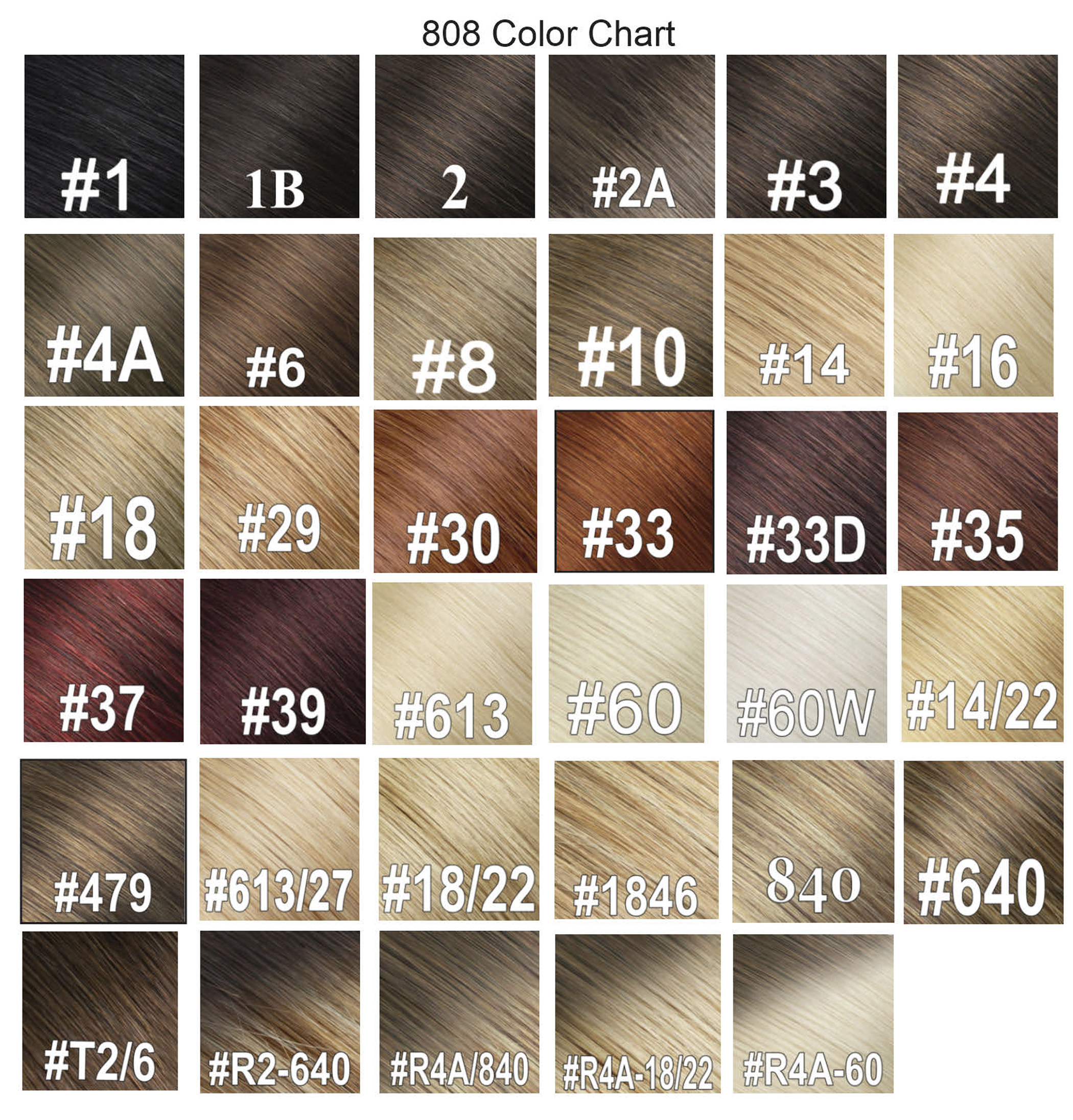
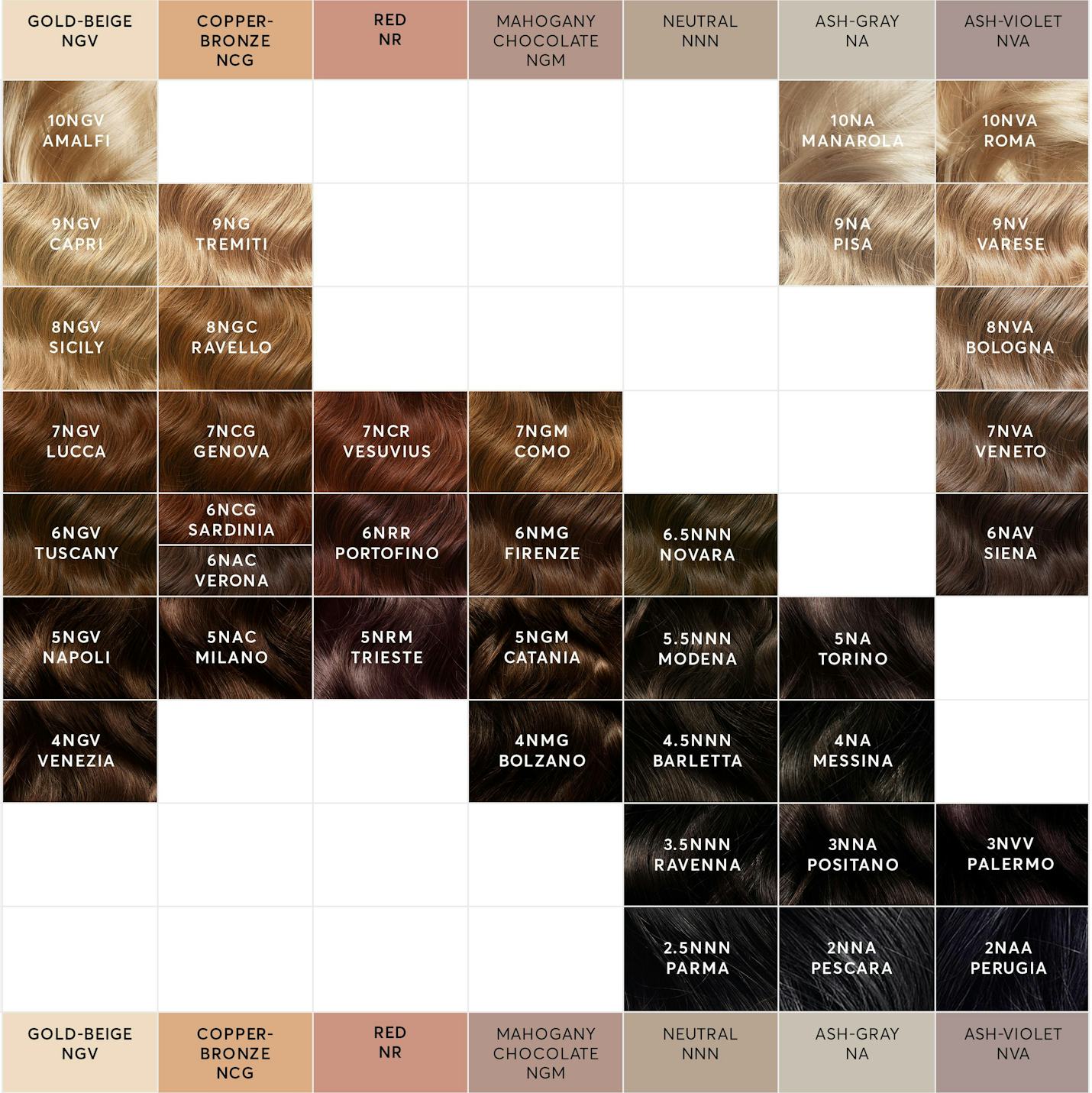
The hair color chart typically consists of a range of colors, often organized in a grid or palette format. Each color is assigned a unique code or number, indicating its position on the chart. These codes are essential for accurate communication when selecting and purchasing hair dye. The chart may also include additional information, such as tone, level, and intensity, to further describe the color.
Reading and Applying the Chart
To use the hair color chart effectively, follow these steps:
Identify the desired hair color by referring to the chart. Compare the existing hair color to the chart to determine the best match or desired change.
Note the color code or number associated with the chosen shade. This code is crucial for selecting the correct hair dye product.
When purchasing hair dye, check the product label for the color code. Ensure it matches the desired shade to avoid any surprises.
Follow the instructions provided with the hair dye for application. Pay attention to the recommended development time and any specific mixing instructions.
Test the color on a small strand of hair before full application. This step helps ensure the desired result and prevents any unwanted surprises.
Variations and Differences
It's important to note that hair color charts can vary depending on the standard or brand being used. Different manufacturers may have their own unique charts and color codes. Additionally, factors like lighting, hair porosity, and previous hair treatments can influence the final color outcome.
Lighting conditions can affect how the color appears, so consider testing the dye in natural light to get an accurate preview.
Hair porosity, which refers to the hair's ability to absorb moisture, can impact color absorption and intensity.
Previous hair treatments, such as bleaching or using certain shampoos, can also alter the way hair absorbs and displays color.
Common Mistakes and How to Avoid Them
One common mistake is relying solely on the hair color chart without considering individual hair characteristics. Always take into account your hair's natural color, texture, and any previous treatments. Another pitfall is neglecting to test the dye on a small section of hair before full application. This simple step can prevent unwanted color results.
Practical Tips for Accurate Results
To achieve accurate results, consider the following best practices:
Consult with a professional hairdresser or colorist, especially if you're new to hair dye or seeking a dramatic change. They can provide expert advice and ensure a safe, satisfactory outcome.
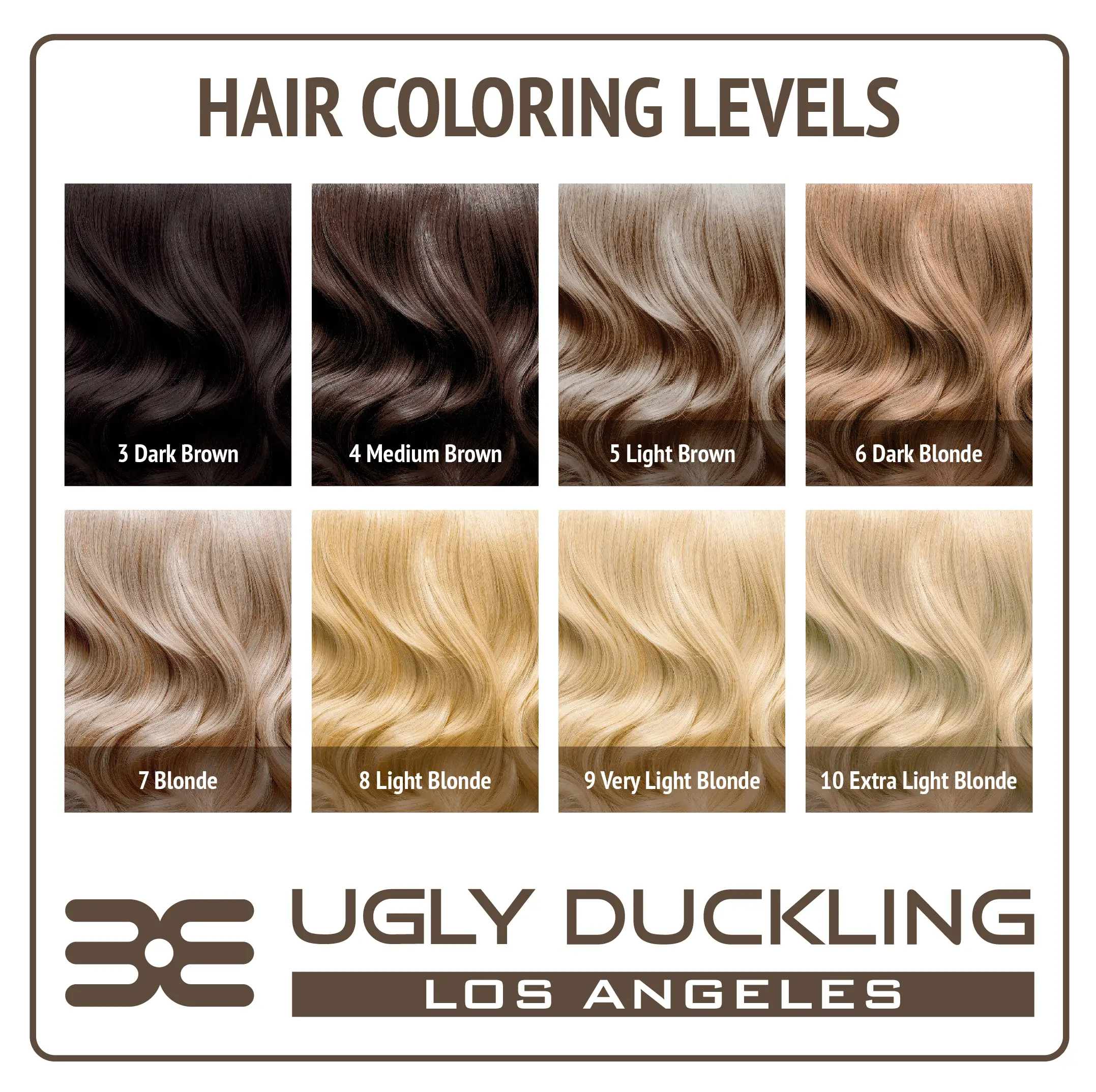
Understand the hair color levels and their impact on the final result. Levels refer to the lightness or darkness of a hair color, and choosing the right level is crucial for achieving the desired shade.
Be aware of the color wheel and how colors interact. Complementary colors can enhance each other, while contrasting colors may create a unique effect.
When mixing colors, start with a small amount and gradually add more to avoid over-saturation or unwanted results.
Remember, hair color charts are valuable guides, but they are not infallible. Always consider individual hair characteristics and consult professionals when needed.
Remember, while this guide provides a solid foundation, the specifics may differ slightly depending on the context and reference you're working with. It's always a good idea to double-check and adapt to your particular situation.
Feel free to explore our other guides for more practical tips and insights. We've got a range of topics covered, so you can find the information you need to navigate any project with confidence. Happy learning and experimenting!