

Color Chart Redken Sheet Overview
A DVC points chart is a handy tool for Disney Vacation Club members, offering a clear and concise way to visualize and understand their points system. This guide will take you through the essentials, covering what you need to know to navigate and utilize the DVC points chart effectively.
It's a simple yet powerful resource, providing an at-a-glance overview of your points and their potential, with variations depending on your region and membership type.
Understanding the DVC Points Chart
The DVC points chart is your guide to navigating the Disney Vacation Club (DVC) points system. It's a handy tool that helps you understand the value of your DVC points and how they can be used across different Disney resorts and accommodations. This chart is a reference for members to plan their vacations and make the most of their points.
Comparing Point Values and Categories
The DVC points chart typically displays point values for various Disney properties, categorized by resort and room type. You'll find columns for different resorts, with rows indicating the point cost for each room category. These categories might include standard rooms, preferred rooms, or even villas, each with its own point value. It's important to note that point values can vary based on the resort's location, amenities, and demand.
Reading the Points Chart: A Step-by-Step Guide
Start by identifying the resort you're interested in. Each resort will have its own column on the chart. Next, locate the specific room category you prefer. The corresponding point value will be displayed in that cell. For example, if you want a standard room at Resort A, find "Resort A" on the chart, then look for the "Standard Room" category. The point value in that cell is what you'll need for your stay. Remember, these points are flexible and can be used across different resorts, so you have options!
Avoiding Common Misreadings
One common pitfall is assuming that all resorts and room types have the same point values. This is not the case; each resort's point values are unique. Another mistake is not considering the time of year. Point values can fluctuate based on seasonality and demand, so always check the chart for the specific dates you're planning to travel. It's also important to note that the DVC points chart may not cover every single resort or room type. Some specialty accommodations or unique experiences might have their own point values, so it's wise to double-check with Disney or a DVC guide for these exceptions.
Factors Affecting Point Variations
Point values on the DVC points chart can vary due to several factors. Here are some key influences:
- Resort Location: Resorts in high-demand areas, like popular theme park locations, often have higher point values.
- Seasonality: Point costs can increase during peak travel seasons, such as school holidays or summer months.
- Room Amenities: Rooms with special features, like a balcony or a better view, may require more points.
- Resort Facilities: Resorts with extensive amenities, like water parks or multiple dining options, might have higher point values.
- Room Size and Capacity: Larger rooms or those accommodating more guests usually require more points.
Adapting the Chart for Your Needs
While the standard DVC points chart is a great starting point, you might need to adapt it for your specific vacation plans. Here are some tips:
- If you're planning a large family vacation, consider the room's capacity and ensure it aligns with your needs.
- For a more luxurious stay, look for resorts with higher-end amenities and check their point values.
- If you're flexible with dates, you can save points by choosing off-peak travel periods.
- Use a DVC points calculator or consult a Disney points conversion guide to estimate the points needed for your desired resort and room type.
- Keep an eye on vacation club points charts for any updates or changes, especially if you're planning far in advance.
Well, there you have it! A comprehensive guide to navigating the world of DVC points. We've covered the basics, compared the options, and provided a step-by-step process to ensure you're on the right track.
Remember, every situation is unique, so be sure to tailor these insights to your specific needs. Double-check the factors that impact your context, and you'll be well on your way to making informed decisions. This chart is a handy reference, so bookmark this page for future use. It's always good to have a quick reminder when you need it!
Related: Understand Nipple Size Chart: A Simple Guide
You're probably here because you need a quick answer, a simple guide to help you understand nipple size charts and their purpose. It's a common query, and these charts are more useful than you might think! They provide a straightforward way to measure and compare nipple sizes, often alongside other breast-related measurements. While the values may vary depending on the source, a nipple size chart can be a handy reference tool, especially when paired with a bra size guide or areola size chart.
Understanding the Nipple Size Chart
The nipple size chart is a handy reference tool that provides a standardized way to measure and categorize nipple sizes. It offers a simple and visual guide to help individuals understand their nipple dimensions and find the right products or solutions based on size. This chart is particularly useful for those seeking nipple piercings, nipple jewelry, or even nursing aids, as it ensures a comfortable and accurate fit.
Key Details and Categories
The nipple size chart typically displays nipple diameters, measured in millimeters (mm) or inches, depending on the standard being used. It categorizes nipples into size ranges, often with labels like "Small," "Medium," "Large," and so on. These categories provide a quick reference for individuals to identify their nipple size without the need for precise measurements.
Reading the Measurements: A Step-by-Step Guide
Start by locating the chart's measurement scale. This scale will typically run along one edge of the chart, indicating the nipple diameters in either mm or inches.
Next, identify the category labels. These labels, such as "Small," "Medium," or "Large," are usually positioned above or below the measurement scale, indicating the size range.
To determine your nipple size, measure the diameter of your nipple using a ruler or a specialized nipple gauge. Ensure you measure from the base of the nipple, where it meets the areola, to the tip.
Compare your measured diameter to the scale on the chart. Find the corresponding size category, and you've identified your nipple size!
Common Variations and Differences
It's important to note that nipple size charts may vary depending on the standard or region. For instance, a chart designed for the US market might use inches as the unit of measurement, while an international chart might use millimeters. Additionally, some charts may provide more detailed size categories, especially for specialized products like nipple jewelry, which require precise sizing.
Mistakes to Avoid
One common mistake is assuming that all nipple size charts are the same. Always check the units of measurement and the source of the chart to ensure it aligns with your needs. Another pitfall is relying solely on category labels without measuring your nipples. While categories provide a quick reference, precise measurements are essential for an accurate fit, especially for delicate items like piercings or jewelry.
Practical Tips for Accurate Results
When measuring your nipples, ensure you're in a relaxed state. Nipple size can vary slightly depending on factors like temperature and arousal, so it's best to measure when you're comfortable and at rest. If you're measuring for piercings or jewelry, consider consulting a professional piercer or a medical professional for guidance and to ensure you're using the correct techniques and tools.
Double-Checking and Edge Cases
While the nipple size chart provides a useful guide, it's not an exact science. Individual variations and unique anatomical features can sometimes fall outside standard size categories. In such cases, it's essential to consult a professional or the manufacturer's guidelines for specific products. They may provide additional sizing information or custom solutions to accommodate unique nipple sizes.
Hey there, we've covered a lot of ground on this topic, and I hope it's been helpful! Remember, when it comes to nipple size charts, the exact measurements can vary slightly depending on the source or standard you're using, so it's always good to double-check.
This guide aims to provide a straightforward reference, but every body is unique, and so are their measurements. So, if you ever need a quick reminder or want to explore other related topics, feel free to bookmark this page for future use. It's always handy to have these practical guides at your fingertips!
Related: Unraveling the Yarn Size Chart Mystery
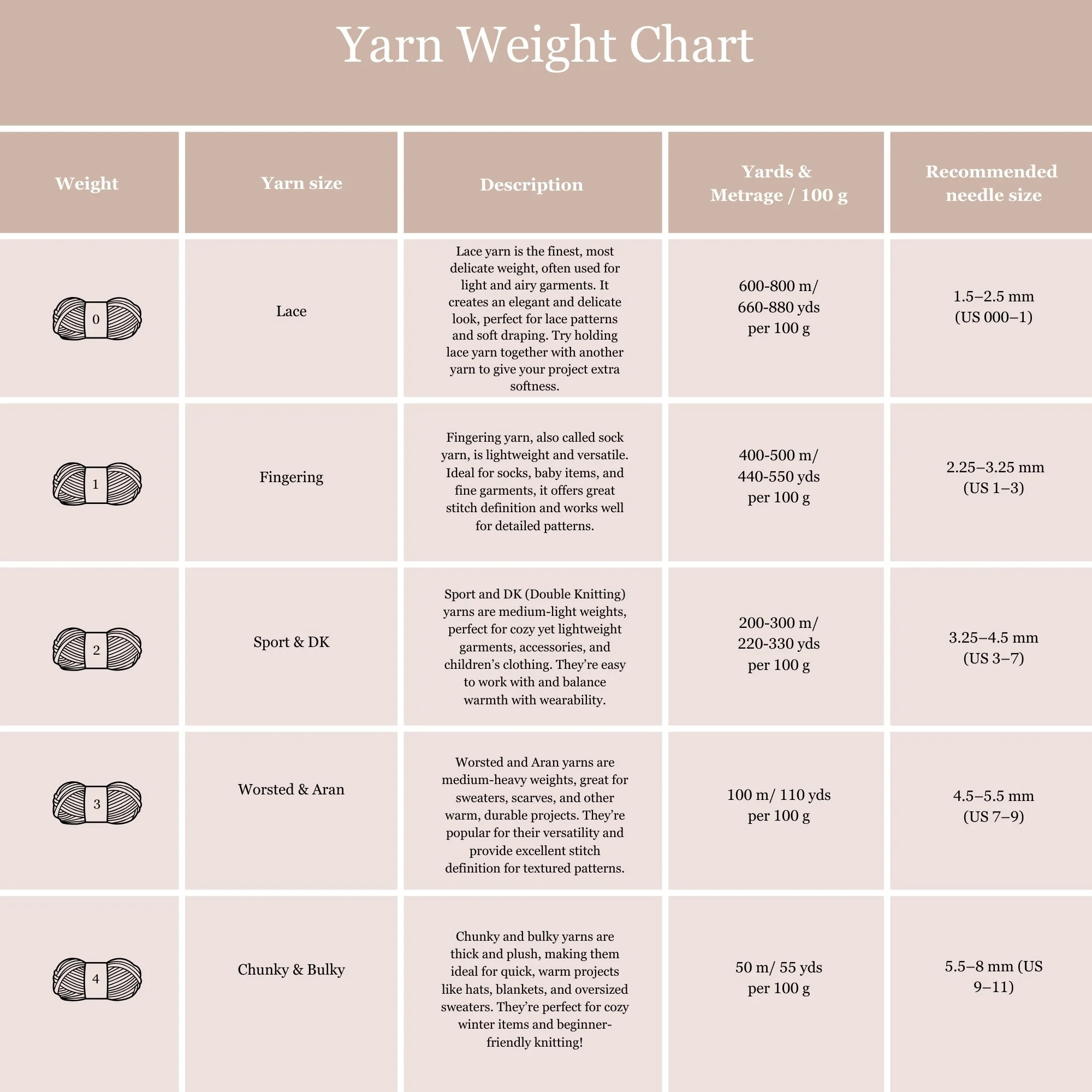
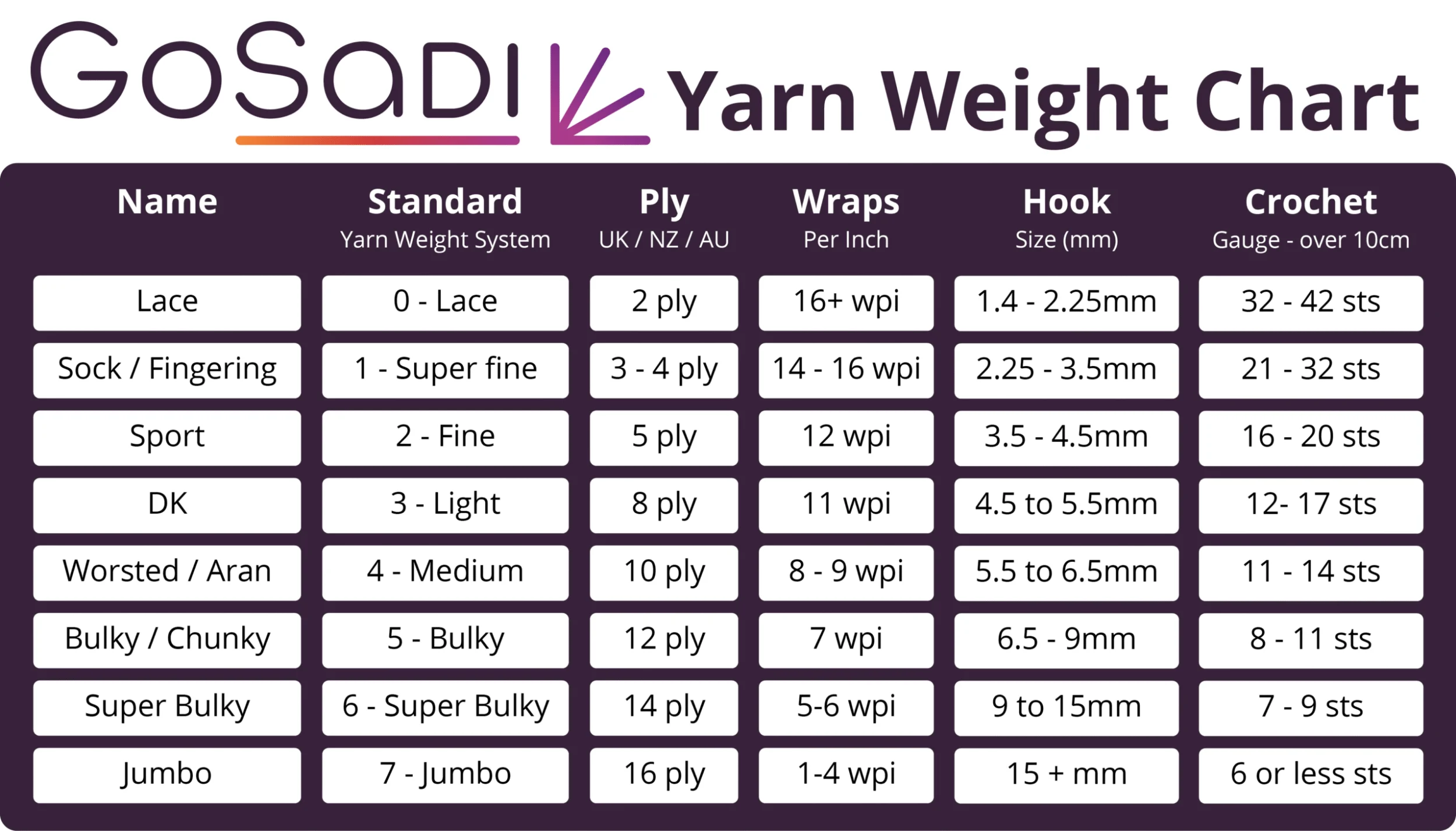
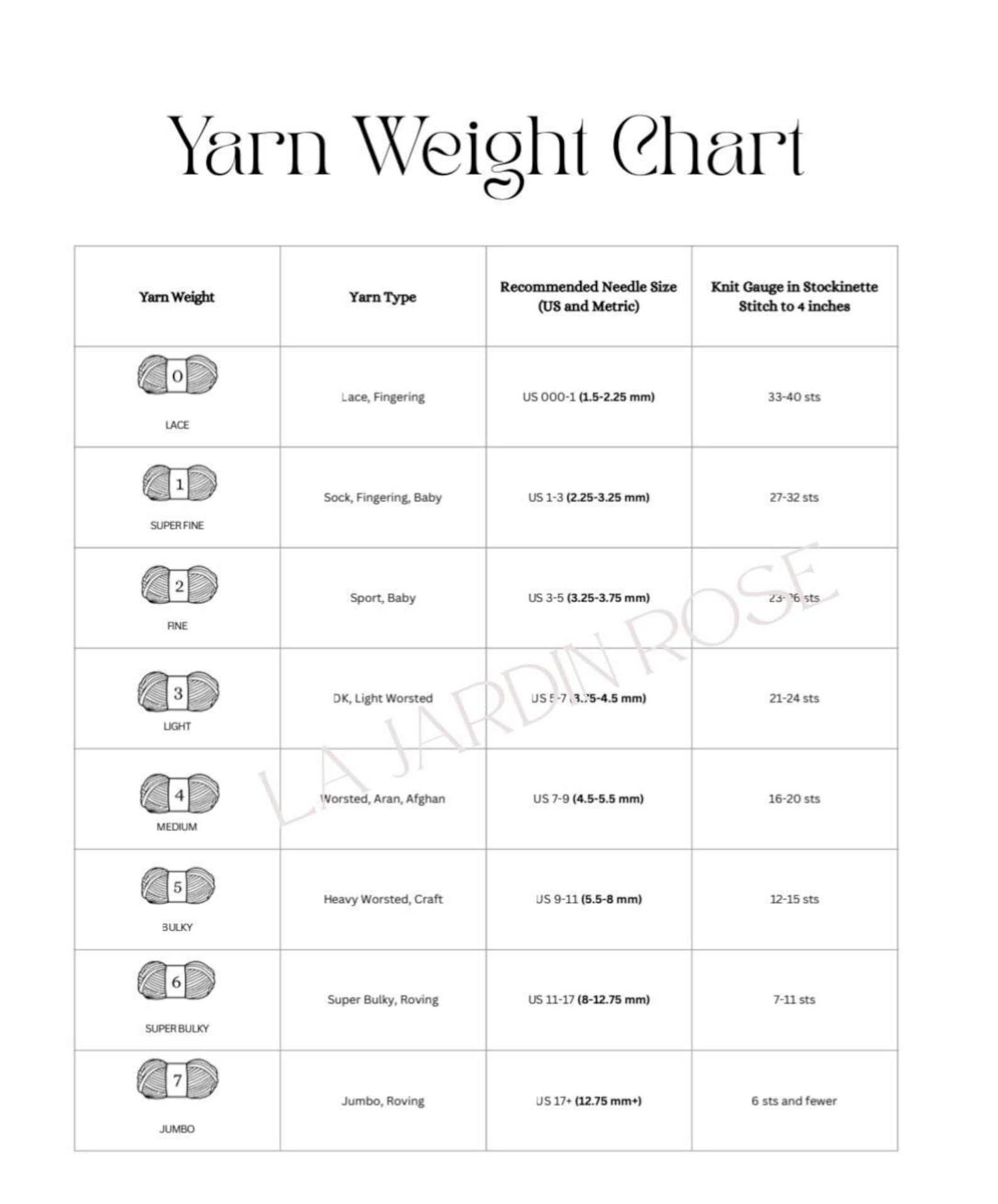
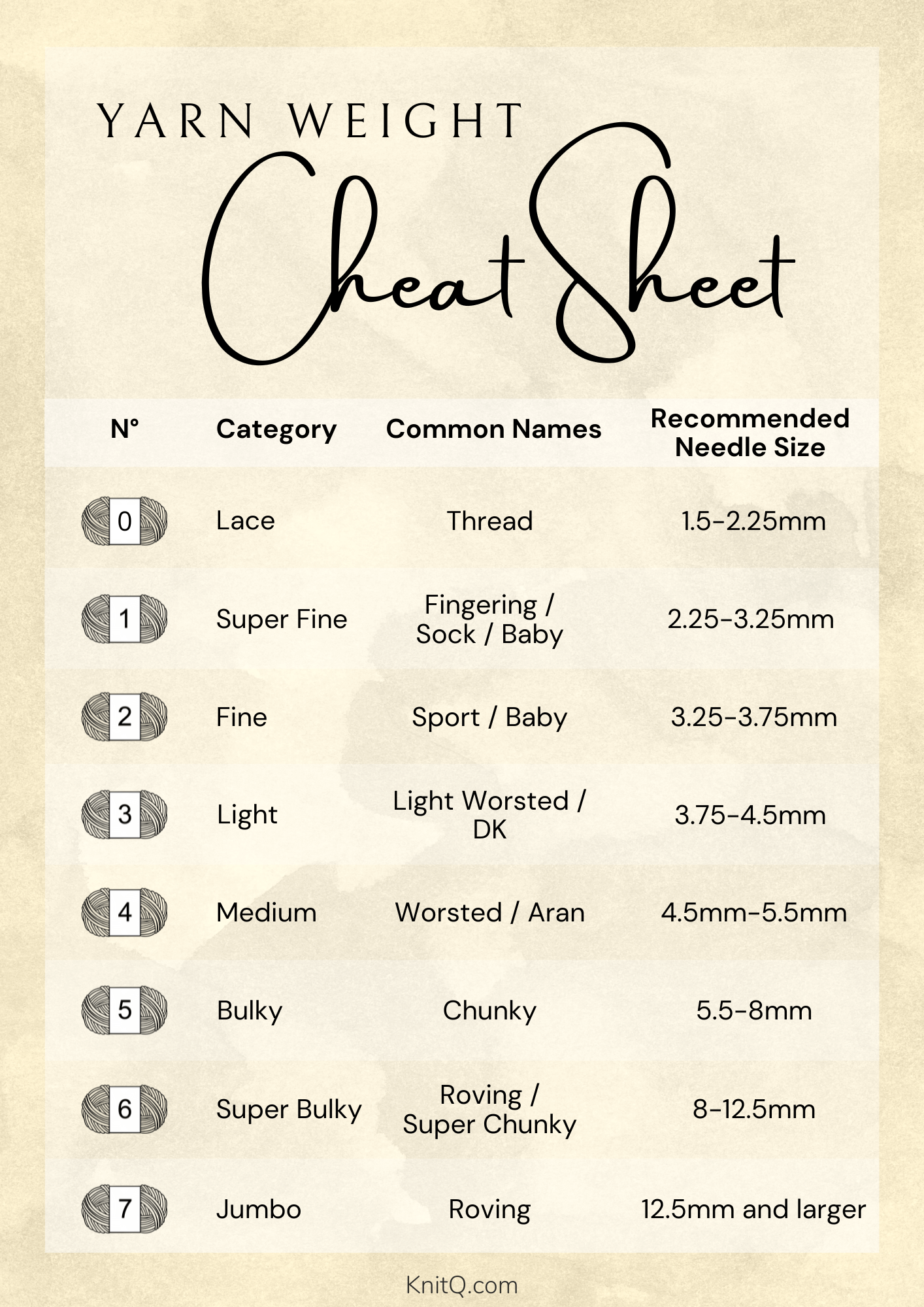
A yarn size chart is a handy tool for any knitter or crocheter, offering a quick glance at the essential information needed to choose the right yarn for your project. This guide will walk you through the basics, ensuring you can read and interpret these charts with ease.
Yarn size charts provide a standardized way to understand yarn thickness, often referred to as weight or ply. While the values and formats may vary slightly depending on your region or the brand you're using, these charts offer a reliable starting point for your creative journey.
Understanding the Yarn Size Chart
The yarn size chart is a valuable tool for knitters, crocheters, and weavers, offering a standardized way to determine the thickness or weight of yarn. It provides a clear reference for choosing the right yarn for your project and ensures consistent results. This chart is a crucial guide for any fiber artist, allowing them to navigate the vast array of yarn options available.
Key Details and Categories
The yarn size chart typically displays yarn weights in two primary systems: the US Standard System and the Metric System. In the US, yarn weight is often categorized from 0 to 6, with 0 being the finest and 6 the thickest. The metric system uses a more precise measurement, usually in millimeters (mm), to indicate the thickness of the yarn. Additionally, some charts may include a column for the number of plies, which refers to the number of strands twisted together to form the yarn.
How to Read and Apply the Chart
When using a yarn size chart, follow these steps:
- Identify the yarn weight system you are working with. Is it the US Standard or Metric? Ensure you are referring to the correct chart.
- Locate the category or range that best describes your yarn. If you have a specific yarn brand or type, match it to the appropriate weight category.
- Take a small length of your yarn and wrap it around a wpi tool or a ruler. Count the number of wraps per inch (wpi) to get an approximate measurement.
- Compare your measured wpi to the chart's values. This will give you an idea of the yarn's thickness and help you choose the right needle or hook size for your project.
- Consider the recommended needle or hook size for your chosen yarn weight. This information is often included in the chart or can be found on the yarn label.
Variations and Differences
It's important to note that yarn size charts may vary slightly between different standards and regions. While the US and Metric systems provide a good foundation, some yarn manufacturers may have their own unique sizing systems. Additionally, the way yarn is spun and the materials used can also impact its thickness, leading to slight variations. It's always a good practice to refer to the specific yarn brand's guidelines or consult their website for exact specifications.
Common Mistakes and How to Avoid Them
One common mistake is assuming that all yarn within a certain weight category will behave the same. While the chart provides a guide, individual yarns can have unique characteristics. Always check the yarn label and consider the recommended needle or hook size provided by the manufacturer. Another pitfall is relying solely on the chart without physically measuring your yarn. Taking the time to wrap and count the wpi ensures a more accurate assessment of your yarn's thickness.
Tips for Accurate Sizing
To ensure accurate sizing when working with a yarn size chart, consider these best practices:
- Always refer to the specific yarn brand's guidelines or website for any unique sizing information.
- Invest in a wpi tool or a ruler to measure your yarn's thickness accurately.
- When in doubt, err on the side of a slightly larger needle or hook size. This can help prevent overly tight stitches and ensure a more relaxed, comfortable knitting or crocheting experience.
- Keep a record of the yarns you've used and their corresponding needle/hook sizes. This can be a valuable reference for future projects.
- Remember that the yarn size chart is a guide, and some variation is normal. Embrace the uniqueness of each yarn and enjoy the process of creating with fiber!
Remember, while this chart provides a great starting point, it's always wise to check the specific requirements for your project. Exact values can vary, so it's good to double-check the standards or guidelines relevant to your context.
This yarn size chart is a handy reference, and I hope it proves useful for your knitting and crocheting adventures. Feel free to bookmark this page for a quick reminder the next time you need it. Happy crafting!