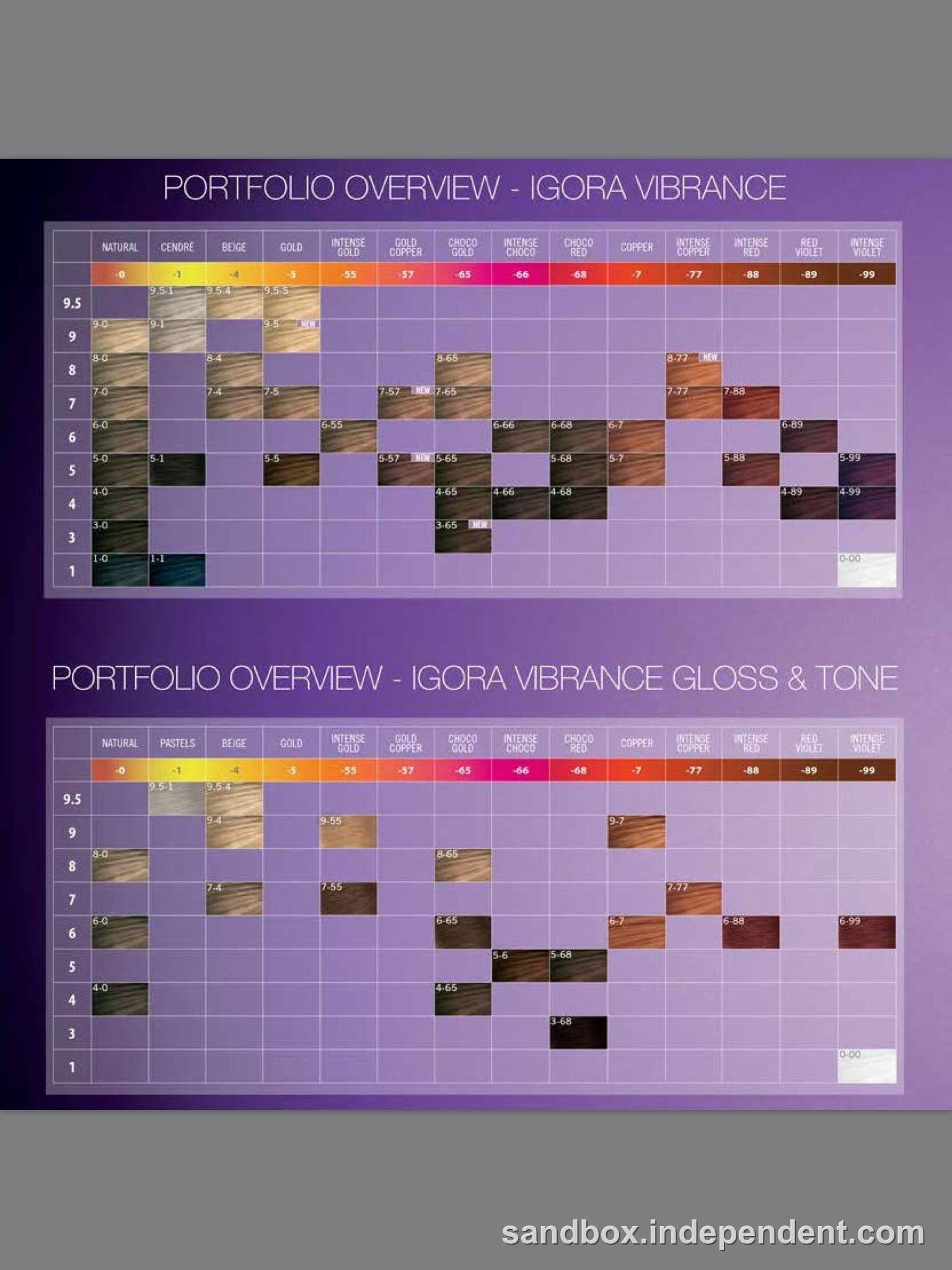


Color Mixing Chart Free Printable Overview
A screw sizes chart is a handy tool for anyone working with screws and fasteners. It's a simple yet effective way to ensure you're using the right screw for the job. This guide will show you how to navigate and utilize these charts, covering the basics and offering some practical tips.
You'll find these charts provide valuable information, from screw gauge measurements to thread pitch details. They can vary slightly depending on the standard or region, but the key is to understand the format and you'll be able to apply this knowledge to any project.
Understanding Screw Sizes Chart
The screw sizes chart is your practical guide to choosing the right screw for any project. It's a handy reference tool that simplifies the process of selecting screws based on their size and other key characteristics. This chart is a visual representation of screw dimensions, making it easy to identify and compare different screw types.
Key Details and Units
Before diving into the chart, let's understand the basics. Screw sizes are typically described using two main measurements: the diameter and the length. The diameter refers to the width of the screw's thread, while the length is the overall height of the screw from the head to the tip. These measurements are crucial for ensuring a proper fit and function.
Additionally, screws have different thread types, such as coarse or fine threads, which affect their strength and suitability for various materials. The chart will also indicate the thread pitch, which is the distance between threads.
Reading and Applying the Chart
Using the screw sizes chart is straightforward. First, identify the screw's intended use and the material it will be securing. Then, locate the relevant section on the chart that corresponds to your needs.
The chart typically organizes screws by diameter, with each row representing a specific diameter size. Within each row, you'll find columns indicating the length and other relevant details. Simply match the required diameter and length to find the perfect screw for your project.
For example, if you need a screw with a diameter of 6mm and a length of 25mm, locate the 6mm diameter row and scan across to find the 25mm length column. Here, you'll find the recommended screw size, along with any additional information, such as thread type and pitch.
Variations and Differences
It's important to note that screw sizes charts can vary depending on the standard being used. There are different measurement systems, like the metric system and imperial system, which use different units and ranges. Additionally, specific industries or applications may have their own unique standards and tolerances.
For instance, the metric system uses millimeters for screw sizes, while the imperial system uses inches. So, when referring to a screw sizes chart, ensure you are using the correct standard for your region or industry.
Common Mistakes and How to Avoid Them
One common mistake is assuming that all screw charts follow the same format and units. Always double-check the standard being used to avoid confusion and ensure accuracy.
Another pitfall is not considering the thread type and pitch. These factors are crucial for ensuring the screw's compatibility and performance. Always refer to the chart's key for an explanation of thread types and their meanings.
Lastly, remember that screw sizes can vary slightly between manufacturers. While the chart provides a general guide, it's always a good idea to verify the exact specifications with the manufacturer's documentation or consult with a professional for precise recommendations.
Well, there you have it! A handy guide to screw sizes and their charts. Remember, while these charts provide a solid foundation, exact values can differ slightly, so it's always good to double-check.
Don't stop here! Our site offers a range of practical guides to help you tackle various DIY and home improvement projects. Why not explore some more and discover new tips and tricks?
Related: Guitar Capo Chart: A Quick Reference Guide
Many guitarists, especially beginners, may mistakenly assume that a guitar capo chart is a complex and daunting tool, but it's actually a simple and incredibly useful reference. This chart, often a straightforward table or diagram, is your guide to understanding guitar capo placement and its impact on your playing. It's a handy resource to have, offering a quick way to visualize and navigate the different capo positions and their corresponding effects.
Understanding the Guitar Capo Chart
A guitar capo chart is a valuable tool for guitarists, offering a visual representation of how a capo affects the pitch and key of a guitar. It provides a quick reference guide to help musicians understand the relationship between capo placement and the resulting musical changes. This chart is particularly useful for those exploring different keys and tunings or experimenting with song arrangements.
Capo Types and Standards
There are various capo types, each designed for specific guitar models and playing styles. Standard capo sizes and designs cater to the most common guitar neck profiles, while specialized capos offer unique features like quick-release mechanisms or adjustable tension. The capo fret chart typically displays these different capo positions, showing how they raise the pitch and change the key.
Using the Capo Chart: A Step-by-Step Guide
To utilize the guitar capo fretboard chart effectively, follow these steps:
Identify the desired key change. Let's say you want to play a song in the key of G but find the chords too challenging.
Refer to the chart and locate the current key (e.g., C) and the desired key (G) on the key scale.
Find the corresponding fret number where the capo should be placed. In this case, placing the capo at the 2nd fret will transpose the guitar to the key of G.
Position the capo at the indicated fret, ensuring a snug fit to maintain the guitar's intonation.
Experiment with the new key and adjust your playing style as needed.
Avoiding Common Misunderstandings
While the guitar capo guide is straightforward, some misunderstandings can arise:
Capo Fretboard Position: Ensure the capo is placed at the correct fret. Misreading the chart can lead to an incorrect key change.
Key Transposition: Remember that the capo does not change the notes themselves; it simply alters the guitar's open strings, effectively transposing the entire instrument.
Guitar Model: Different guitar models may have variations in neck width and fret spacing, so double-check your guitar's specifications to ensure accurate capo placement.
Factors Affecting Accuracy
Several key factors can influence the accuracy of the guitar capo placement:
Guitar Type: Acoustic, electric, and classical guitars may have slight variations in neck shape and fret spacing.
Capo Design: Different capo types offer varying degrees of precision and ease of use.
Guitar Neck: The condition and setup of the guitar neck, including action and intonation, can affect the capo's performance.
String Gauge: Thicker strings may require a tighter capo grip, while lighter strings may need a looser fit.
Playing Style: The capo's position can impact playing comfort and technique, especially for complex chord shapes or fast strumming.
Adapting the Capo Chart for Specific Needs
While the guitar capo key chart provides a standard reference, guitarists may need to adapt it for specific situations:
Custom Tunings: If you use alternative tunings, you may need to create a customized capo chart or adjust the existing one to reflect the new tuning's key relationships.
Non-Standard Guitars: Guitars with unique neck shapes or wide fretboards may require a modified capo chart or a specialized capo design.
Playing Style Preferences: Some guitarists prefer a specific capo placement for certain songs or playing techniques, even if it differs from the standard chart.
Remember, when it comes to guitar capo charts, the specifics might differ slightly based on your unique circumstances. Every guitarist has their own preferences and playing style, so adapt these charts to suit your needs.
Feel free to explore our other guides and resources for more insights and tips. We've got a range of topics covered, so you can continue your musical exploration and find the information that resonates with you. Happy strumming!
Related: Find Your Perfect Fit: Jeans Size Chart Guide
Many people struggle with the idea of a jeans size chart, assuming it's a complex and confusing tool. But it's actually a simple and handy reference, a quick guide to finding your perfect fit!
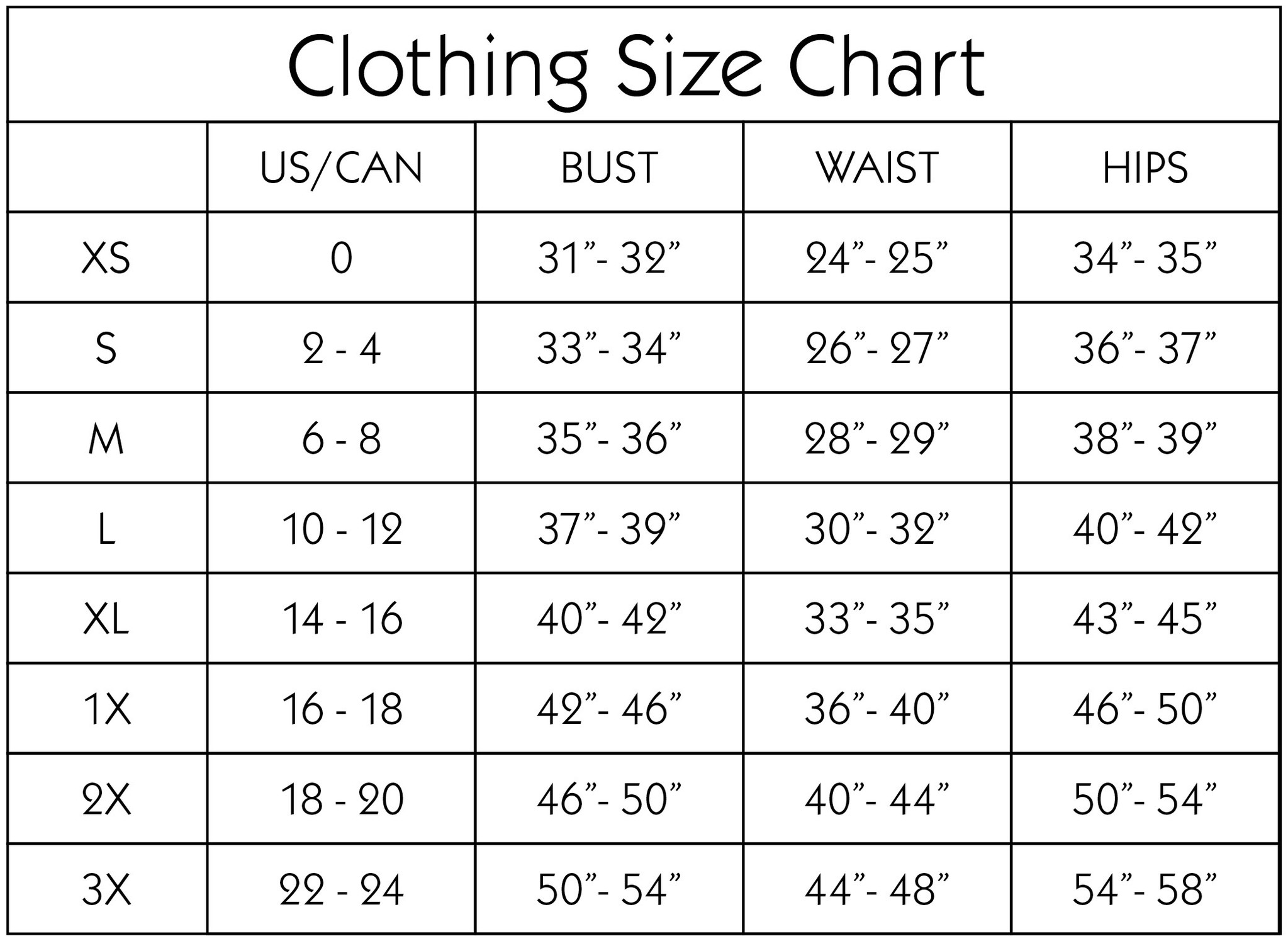
The chart offers a visual or tabular overview, providing waist and hip size measurements, along with other key details like inseam length and leg opening. While values may vary slightly between brands and regions, the jeans size chart is a reliable starting point for an accurate fit.
Understanding the Jeans Size Chart
The jeans size chart is your guide to finding the perfect fit for your denim dreams! It's a handy tool that translates your body measurements into the right jeans size, ensuring you look and feel great. This chart is like a secret code, but don't worry, it's easy to crack!
Key Details and Categories
Let's break down the chart's categories. Typically, a jeans size chart will have two main measurements: waist size and hip size. These are the most critical factors in finding a comfortable and flattering fit. You'll also find other details like inseam length, leg opening, and rise, which add precision to your choice. These measurements are usually in inches or centimeters, depending on the standard used. Always check the chart's units to ensure accuracy.
How to Read and Apply the Chart
Using the jeans size chart is a breeze! Here's a step-by-step guide:
- Measure your waist and hip sizes. Ensure you're measuring at the right points; for the waist, it's the narrowest part of your torso, and for the hips, it's the widest part.
- Find your waist and hip measurements on the chart. The chart will often have a grid or table format, with waist sizes along one axis and hip sizes on the other.
- Look for the intersection of your waist and hip measurements. This will give you your recommended jeans size. For example, if your waist is 28 inches and your hips are 36 inches, the chart might recommend a size 6.
- Consider other details like inseam length. If you prefer a specific leg length, choose a size that accommodates your desired inseam.
- Try it on! While charts are accurate, personal preferences and body shapes vary. So, it's always best to try the jeans and see how they feel and look.
Size Variations and Differences
It's important to note that jeans size charts can vary slightly between brands and manufacturers. This is because each brand might have a unique fit philosophy or use different measurement standards. Additionally, regional differences can impact size charts, with some countries using different sizing systems. Always check the brand's specific size guide or denim size chart to ensure you're using the right measurements. It's a good idea to refer to the brand's size guide when shopping online to avoid any surprises.
Finding the perfect jeans size is an adventure, and with this guide, you're equipped to navigate the jeans size chart like a pro!
Well, there you have it! A handy jeans size chart to keep on hand for all your denim adventures. Remember, these charts are a great starting point, but it's always wise to check the specific brand's size guide for any unique fits or styles.
Jeans shopping can be a fun and practical experience, and with this guide, you're well-equipped to find your perfect fit. So, happy browsing and remember to bookmark this page for future denim missions!