




Color Pages Santa Claus Overview
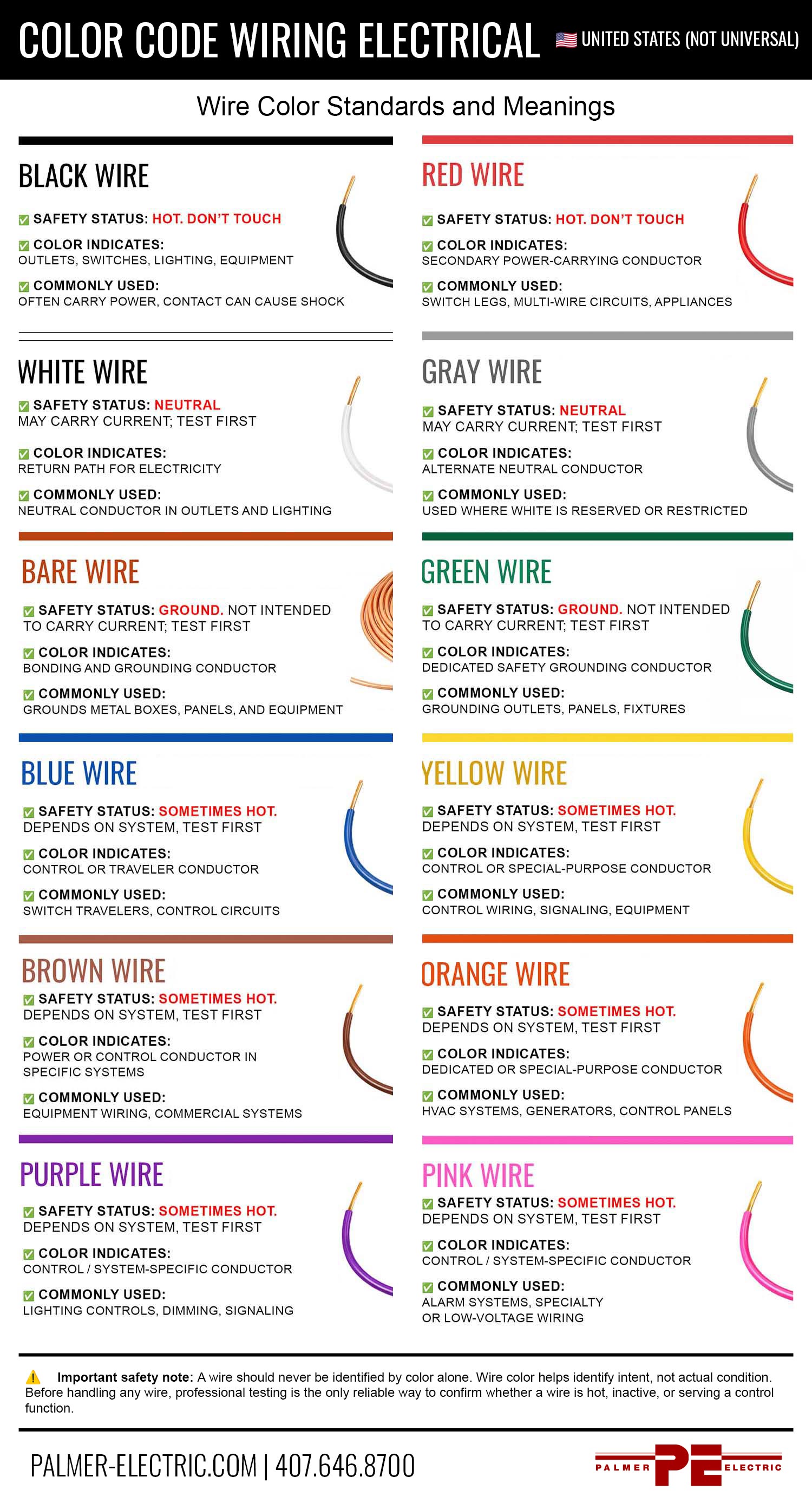
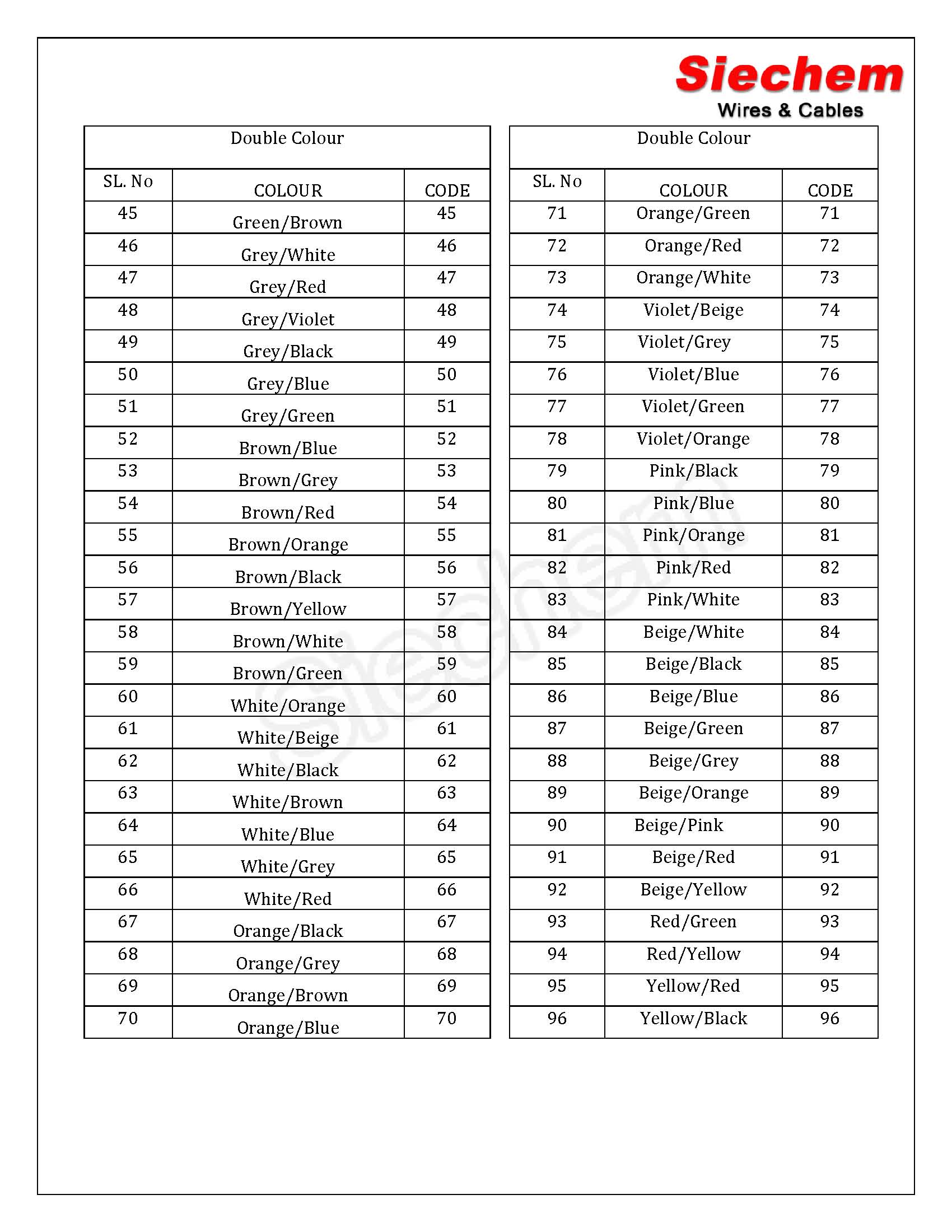
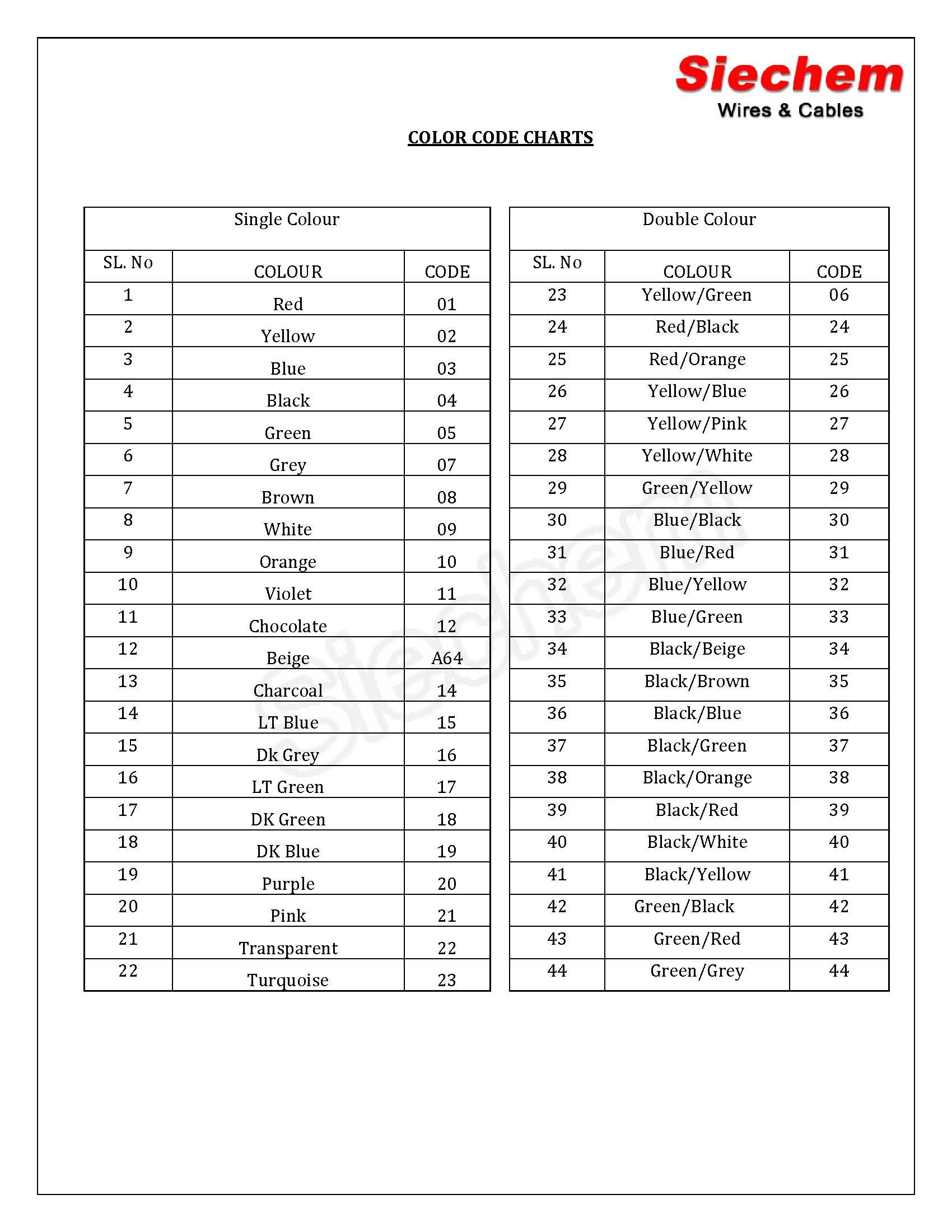
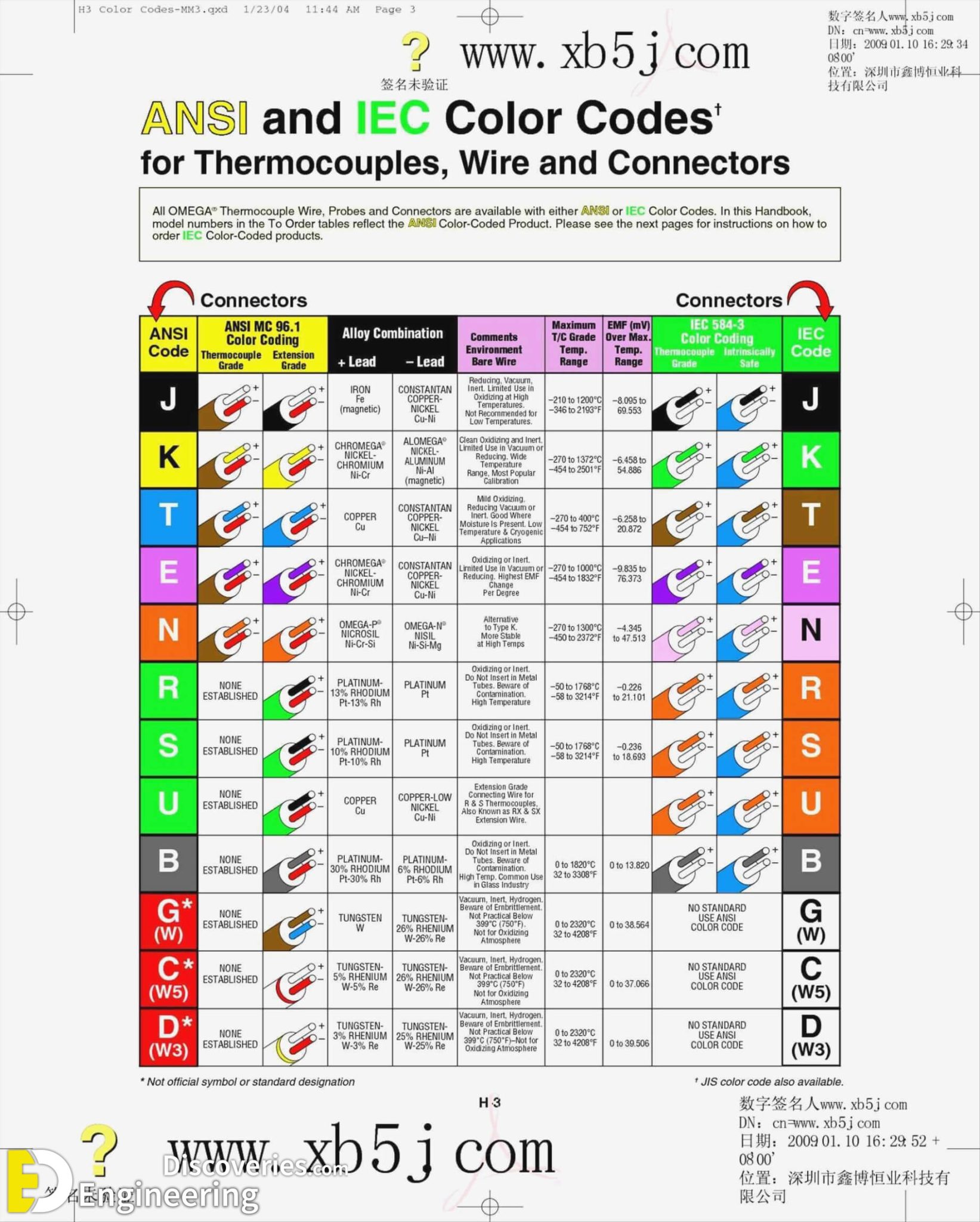
You've likely found yourself here because you're seeking a simple, reliable guide to understanding wire color charts and their applications. Whether you're an electrician, a DIY enthusiast, or simply tackling a home wiring project, these charts are an essential tool for accurate identification and safe electrical work. While the values and formats may vary depending on your region and the specific standards followed, the wire color chart remains a universal reference, offering a clear and consistent way to identify wire functions and characteristics.
Understanding the Wire Color Chart: A Practical Guide
The wire color chart is an essential tool for anyone working with electrical wiring, providing a quick reference to identify and understand the purpose of different wire colors. This chart serves as a visual guide, offering a simple yet effective way to navigate the complex world of electrical systems.
Comparing Color Patterns and Standards
Various color patterns and standards exist, and it's crucial to know which one applies to your specific context. The most common standard is the wire color code, which is widely used in North America. This standard assigns colors to indicate the function of each wire, such as hot, neutral, and ground. Other regions may follow different conventions, so it's important to be aware of these variations.
Step-by-Step Guide to Using the Chart
Here's a simple process to utilize the wire color chart effectively:
- Identify the standard or region-specific chart that applies to your wiring system. This ensures accuracy and safety.
- Locate the specific wire you want to identify on the chart. Look for the color and, if available, any additional markings or stripes.
- Refer to the chart's legend or key to interpret the color's meaning. It will provide information about the wire's function, such as voltage level or conductor type.
- Cross-reference the chart with any additional information or specifications provided by the manufacturer or relevant standards. This step ensures you have a complete understanding of the wire's purpose and any specific requirements.
Troubleshooting Misreadings and Pitfalls
Misinterpreting wire colors can lead to serious safety hazards. Always double-check your readings and consider these common pitfalls:
- Faded or discolored wires: Over time, exposure to elements can cause wires to change color. Ensure you are referring to the current and accurate color of the wire.
- Multiple standards: Be aware of different standards and their variations. For example, the voltage color code may differ between countries or regions.
- Manufacturer-specific codes: Some manufacturers use unique color codes for specific applications. Always refer to the relevant documentation or consult an expert if needed.
Factors Affecting Accuracy and Real-World Use
Several factors can influence the accuracy of the wire color chart and its practical application:
- Age and condition of wiring: Older wiring may have faded or damaged insulation, making color identification challenging.
- Custom installations: In some cases, wires may be custom-colored or marked, especially in specialized industrial applications.
- International variations: As mentioned, different countries and regions have their own standards and color codes. Always verify the applicable standard for your location.
- Safety considerations: Always prioritize safety when working with electrical systems. If in doubt, consult a qualified electrician or refer to official guidelines.
Adapting the Chart for Specific Needs
The wire color chart can be adapted to suit various needs and applications. Here are some considerations:
- Custom charts: If you work with specialized wiring or have unique requirements, creating a custom chart or color-coding system can be beneficial. Ensure it is well-documented and shared with relevant personnel.
- Color-coding consistency: Maintain consistency in your color-coding practices to avoid confusion. This is especially important in large-scale projects or when multiple teams are involved.
- Refer to industry guidelines: For specific industries or applications, there may be established guidelines or best practices for wire color-coding. Follow these recommendations to ensure compliance and safety.
While the wire color chart is a valuable tool, it's important to remember that variations exist. Exact details may differ slightly between different standards or sources, so it's always a good idea to double-check and ensure you're using the right reference for your specific needs.
Feel free to explore our other guides for more practical tips and insights. We've got a range of topics covered, so you can find the information you need to tackle any project with confidence.
Related: What's the Matrix Color Chart All About?
A matrix color chart can be a powerful tool, but many people underestimate its simplicity and end up overthinking its purpose. It's not as complex as it may seem at first glance! This chart is a straightforward visual aid, offering a clear reference for anyone working with colors. Think of it as a colorimetry cheat sheet, providing an easy-to-read guide to the RGB color model and its various shades. While the specific values and formats may vary, the concept remains the same: a color chart guide to help you navigate the world of colors with confidence.
What is the Matrix Color Chart?
The matrix color chart is a reference tool that provides a visual representation of color, helping users identify and match colors accurately. It is a valuable resource for various industries, from design and printing to manufacturing and retail, where precise color matching is essential. This chart offers a standardized way to communicate and understand color, ensuring consistency across different processes and materials.
Key Details and Prerequisites
The matrix color chart typically consists of a grid or matrix, with each cell representing a specific color. The chart uses a combination of numerical values and color swatches to define each color. The numerical values often refer to the RGB color model, which represents colors using red, green, and blue components. For instance, a color might be described as RGB (255, 0, 0), indicating full red, no green, and no blue. Other color models or systems, like CMYK or HEX codes, can also be used, depending on the industry and standard.
How to Read and Apply the Matrix Color Chart
Reading the matrix color chart is straightforward. Each color is assigned a unique position on the chart, and its corresponding numerical value is listed alongside it. To use the chart, you can:
- Identify the color you need to match or specify.
- Locate the color on the chart by either its position or by comparing it to the color swatches.
- Note down the numerical values associated with that color. These values can then be used to communicate the color accurately to others or input them into design software or printing systems.
- For more precise color matching, especially in critical applications, you may also need to consider additional factors like lighting conditions and material properties.
Understanding Common Color Variations
While the matrix color chart provides a standardized reference, color variations can occur due to various factors. Different lighting conditions, such as natural light, fluorescent lighting, or LED lights, can affect how colors appear. Additionally, the material or substrate on which the color is applied can influence its perception. For example, a color may look different on paper compared to fabric or plastic. These variations are why it's essential to consider the context and intended use when matching colors accurately.
Avoiding Common Mistakes
One common mistake is relying solely on the matrix color chart without considering the specific requirements of your project. It's crucial to understand the limitations and potential variations, especially when working with different materials or lighting environments. Another pitfall is neglecting to calibrate your equipment, such as monitors or printers, which can lead to inaccurate color representations. Regular calibration ensures that the colors you see and produce are as close to the intended values as possible.
Practical Tips for Accurate Results
To achieve accurate color matching, consider the following best practices:
- Always work in a controlled lighting environment to minimize variations.
- Calibrate your devices regularly to maintain color accuracy.
- When possible, use color management systems and profiles to ensure consistency across different devices and materials.
- For critical applications, consider investing in professional color measurement tools, such as spectrophotometers, which provide precise color data.
- Stay updated with industry standards and guidelines to ensure your color references are up-to-date and relevant. By following these tips and understanding the nuances of color representation, you can effectively utilize the matrix color chart and achieve consistent, accurate color results in your projects.
Well, there you have it! A matrix color chart is an incredibly useful tool, offering a simple and visual way to navigate the world of color. It's a handy reference guide that can save you time and effort, ensuring you get the right colors every time.
Remember, while this chart provides a great starting point, it's always wise to double-check the specific requirements for your project. Exact values may vary, so it's best to ensure you're using the right standard and context. Consider bookmarking this page for future reference; it's a quick and easy way to refresh your memory when you need it most!
Related: Understand Teeth Color Chart: A Quick Guide
A teeth color chart is a handy tool for anyone seeking a quick and accurate way to assess and match tooth shades. This guide will walk you through the basics, covering what these charts are and how to use them effectively.
These charts, often in the form of a simple table or visual guide, provide a reference for tooth shade comparison. While the specific values and formats may vary, the concept remains the same: an easy-to-read resource for dental shade matching.
What is a Teeth Color Chart?
A teeth color chart is a visual guide that helps dental professionals and patients understand and communicate tooth shade accurately. It provides a standardized reference for comparing and matching tooth colors, ensuring consistency in dental procedures and treatments.
Key Details and Categories
The chart typically consists of a range of tooth shades, often organized in a grid or tabulated format. Each shade is represented by a unique code or label, making it easy to identify and communicate. The shades are usually based on a recognized standard, such as the Vitapan Classical Shade Guide, which is widely used in dentistry. This guide categorizes tooth colors into various groups, with each group further divided into sub-shades, providing a comprehensive and precise color reference.
Reading and Applying the Teeth Color Chart
To use the teeth color chart effectively, follow these steps:
- Prepare the teeth for shade matching by cleaning and drying them thoroughly. Natural light or specialized lighting can enhance color accuracy.
- Compare the patient's teeth with the shades on the chart. Hold the chart close to the teeth and observe the color match.
- Identify the closest shade match. Consider the overall color and any subtle variations.
- Confirm the shade with the patient and document it for future reference.
- Repeat the process for multiple teeth if needed, ensuring consistency across the dental arch.
Understanding Shade Variations
Shade variations can occur due to several factors. Natural tooth color can differ based on genetics, age, and lifestyle factors like diet and oral hygiene. External factors like staining from food, drinks, or tobacco can also impact tooth color. Additionally, lighting conditions and the observer's perception can influence shade matching. It's essential to consider these variables when using a teeth color chart to ensure accurate results.
Common Mistakes and How to Avoid Them
When working with a teeth color chart, it's crucial to avoid these common pitfalls:
- Relying solely on memory: Always refer to the chart for an accurate shade match. Avoid guessing or relying on past experiences.
- Inconsistent lighting: Ensure consistent lighting conditions to minimize errors. Natural daylight or specialized dental lighting is recommended.
- Neglecting patient feedback: Involve the patient in the shade selection process. Their perception and feedback are valuable for an accurate match.
- Overlooking oral health: Ensure the teeth are clean and free from debris or stains before shade matching.
- Using outdated charts: Keep your teeth color chart up-to-date to reflect the latest standards and shades. Regularly check for new versions or updates.
Well, there you have it! A teeth color chart is a handy tool, and now you know how to navigate it like a pro. Remember, the exact shades and values might differ slightly depending on the source or standard, so always double-check.
Feel free to explore other guides on our site for more practical tips and tricks. We've got you covered with a range of topics, so take a look and discover something new!