How to Read a Color Temp Chart?
Our color temp chart offers clear, accurate reference values. Learn how to read it and get practical tips. Check it out now!
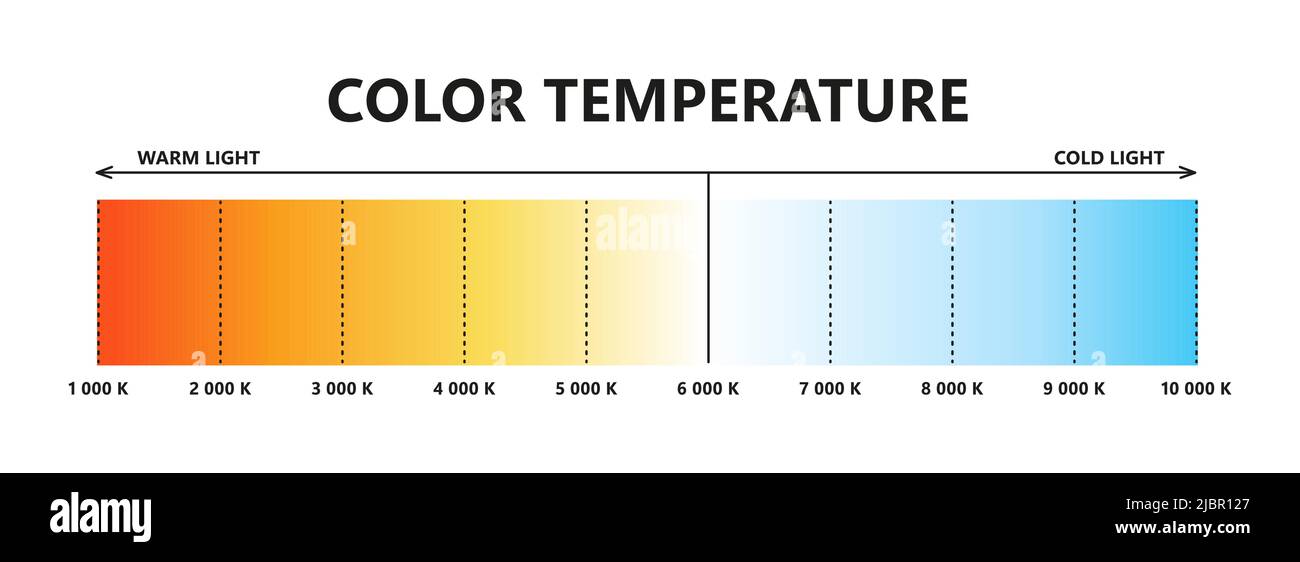
You're probably here because you need a quick reference or a simple explanation of the color temp chart. It's a handy tool, often presented as a visual guide, that helps us understand and work with color temperature. This chart, with its color temperature scale, is a valuable resource for anyone dealing with lighting or color-related tasks. The color temp chart provides a clear way to read and interpret color temperatures, which can vary depending on the context and the specific kelvin scale used.
Understanding Color Temperature: A Quick Overview
The color temp chart, also known as the correlated color temperature (CCT) scale, is a valuable tool to understand and visualize the color temperature of light sources. It provides a reference for the warmth or coolness of light, measured in Kelvin (K). This chart is an essential guide for various applications, especially in photography and lighting design.
Comparing Color Temperature Standards and Categories
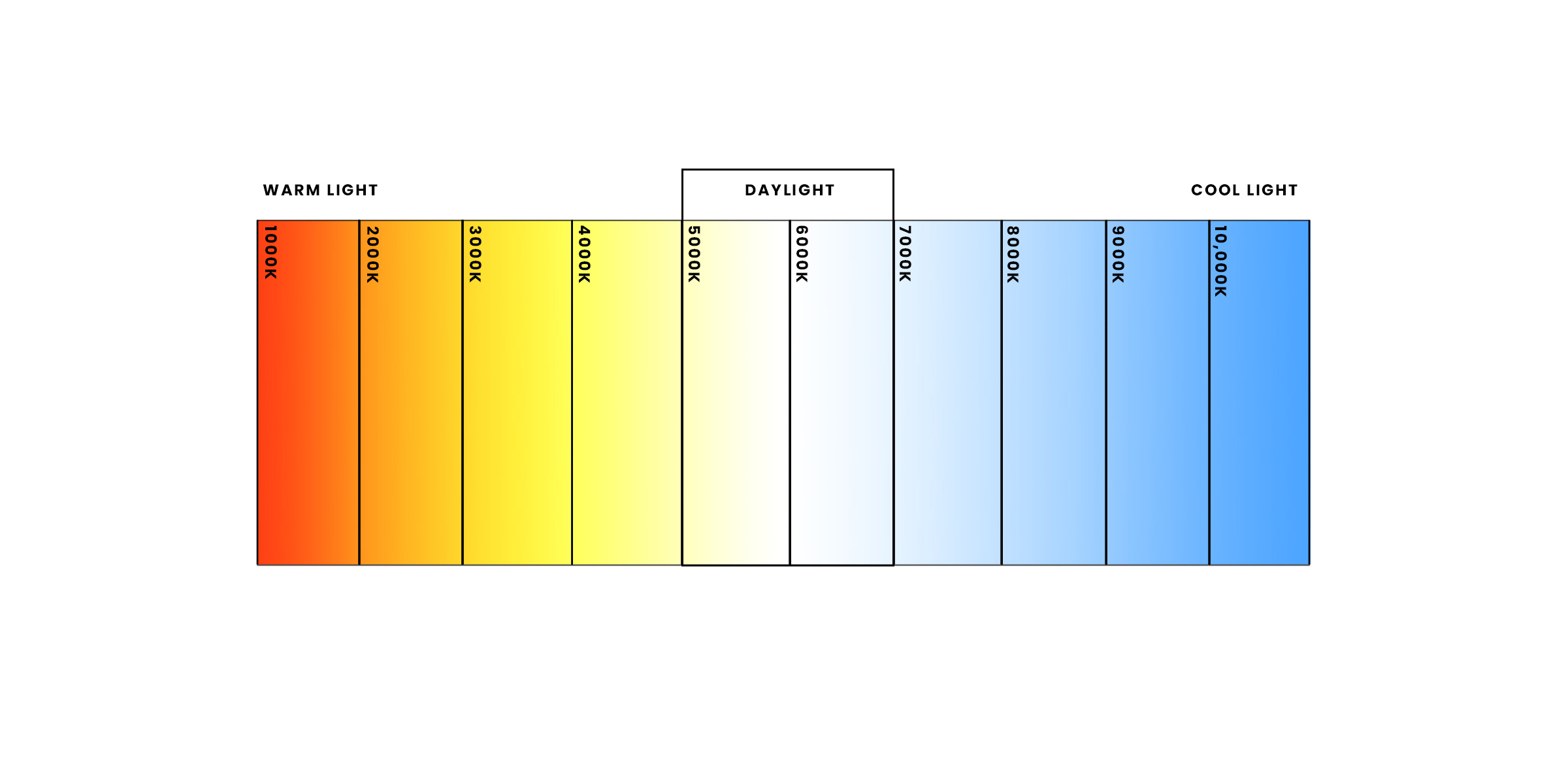
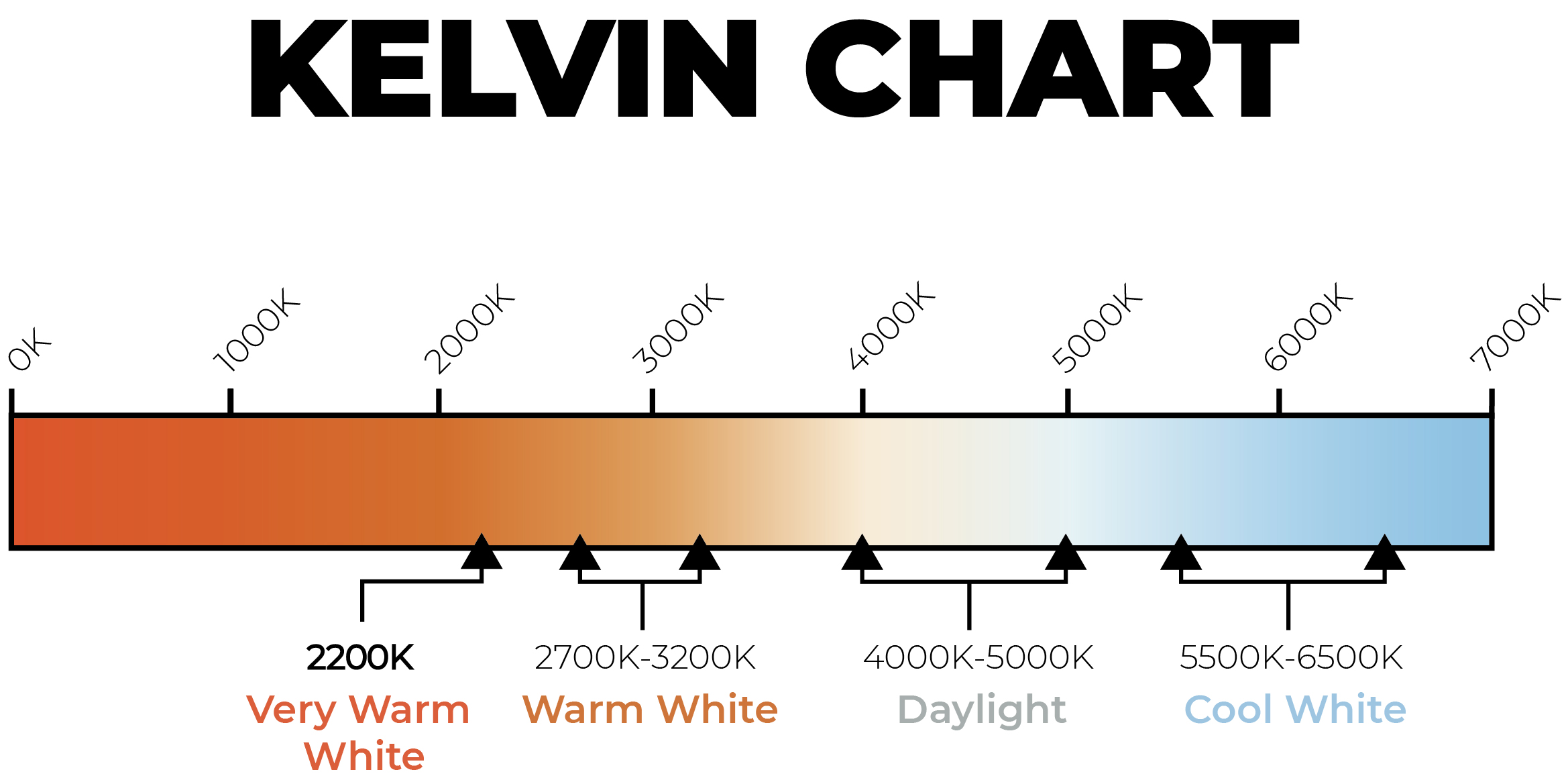
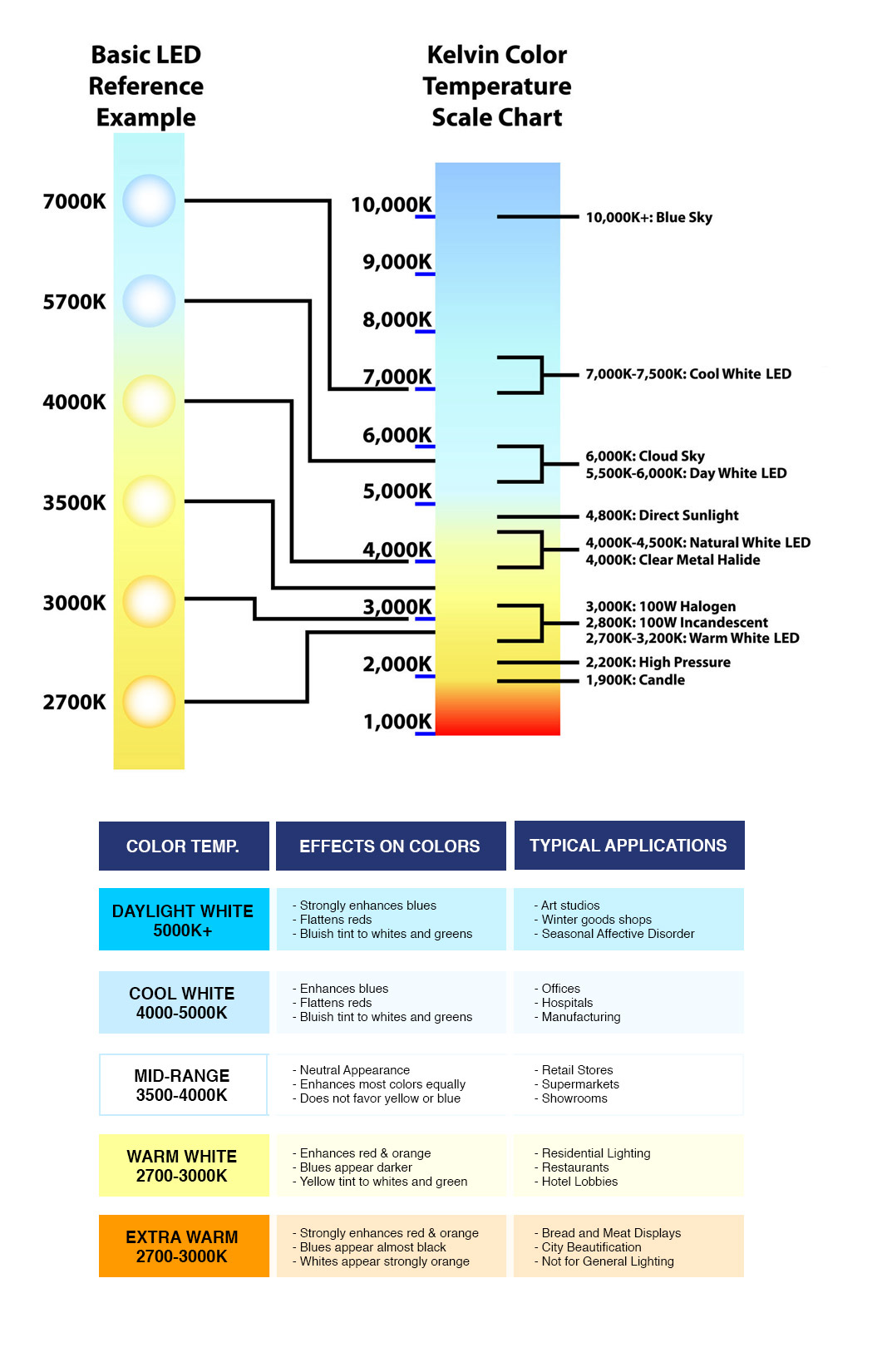
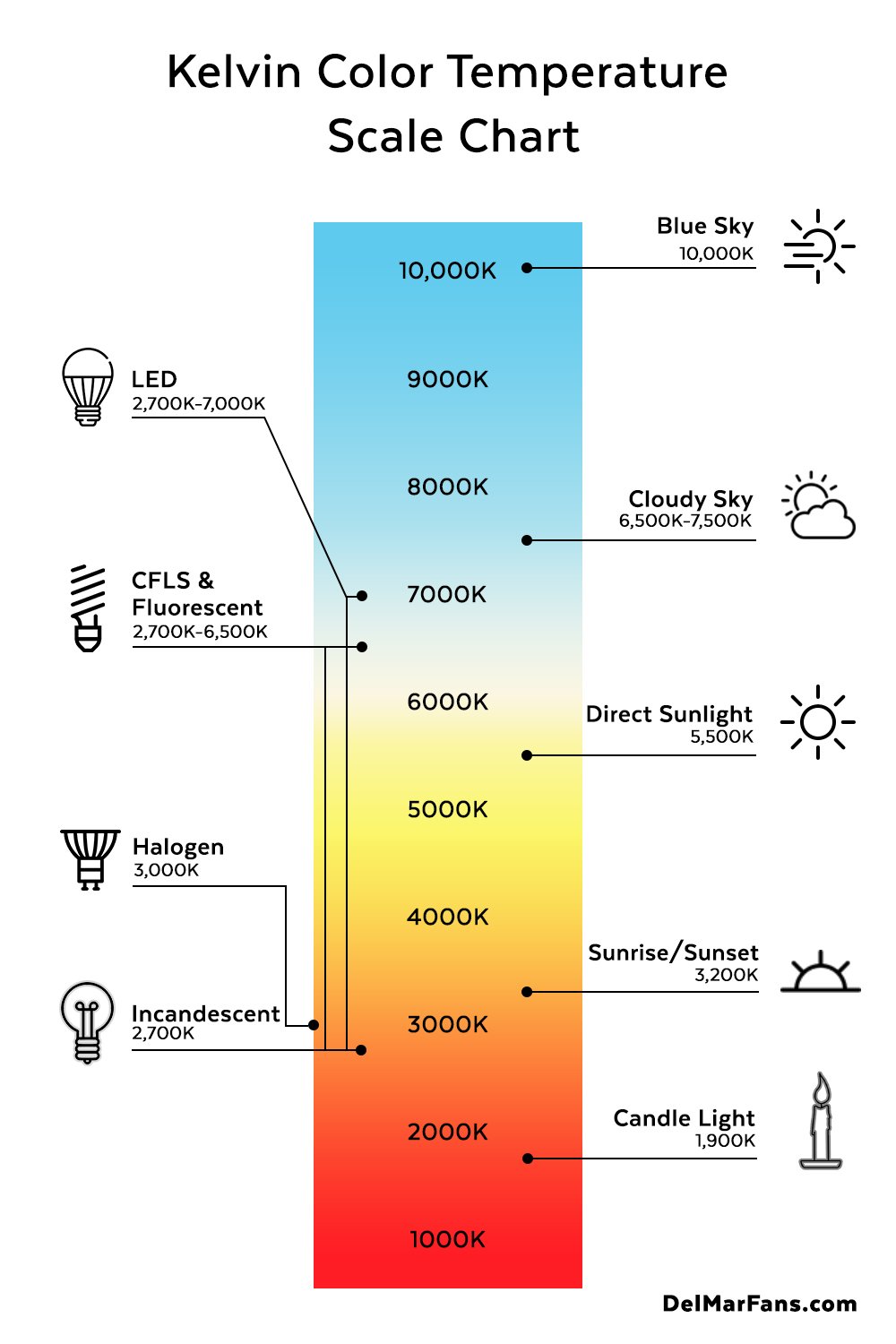
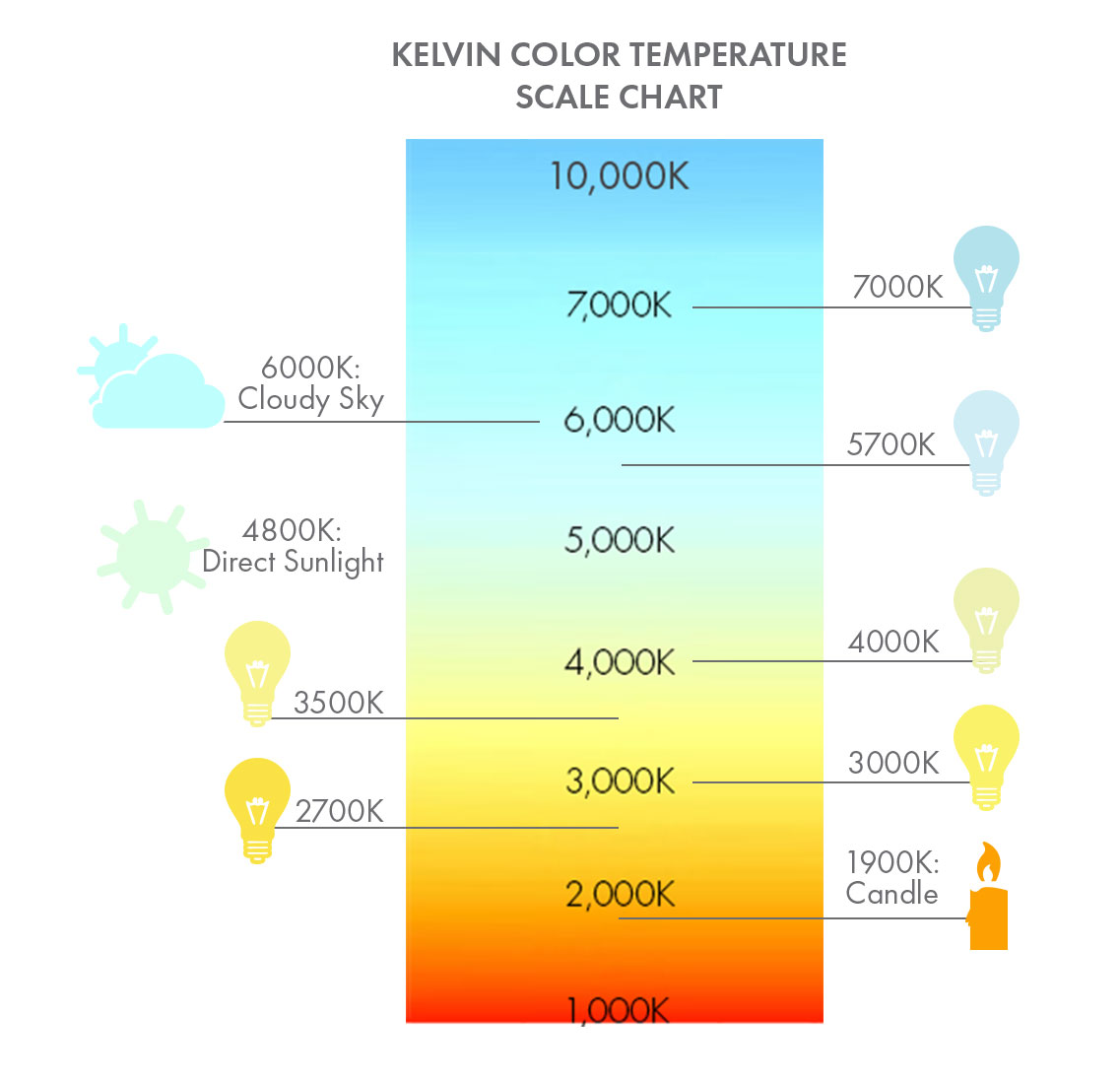
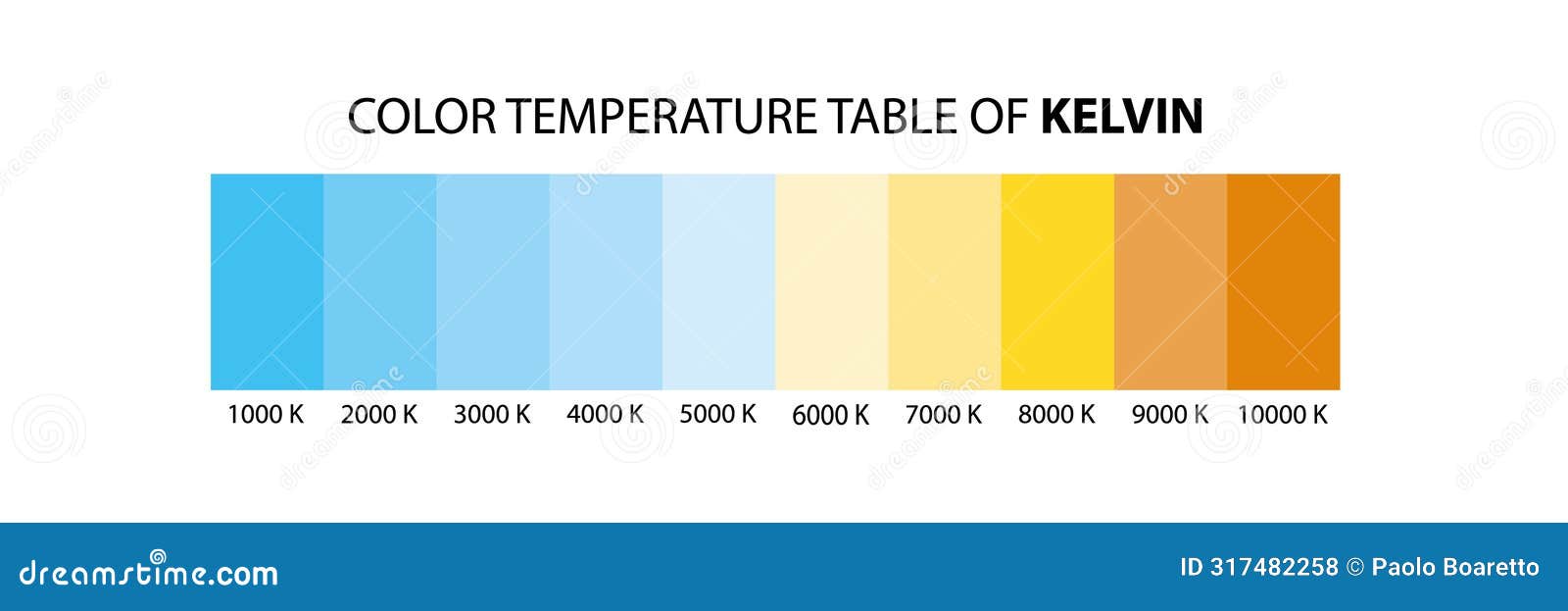
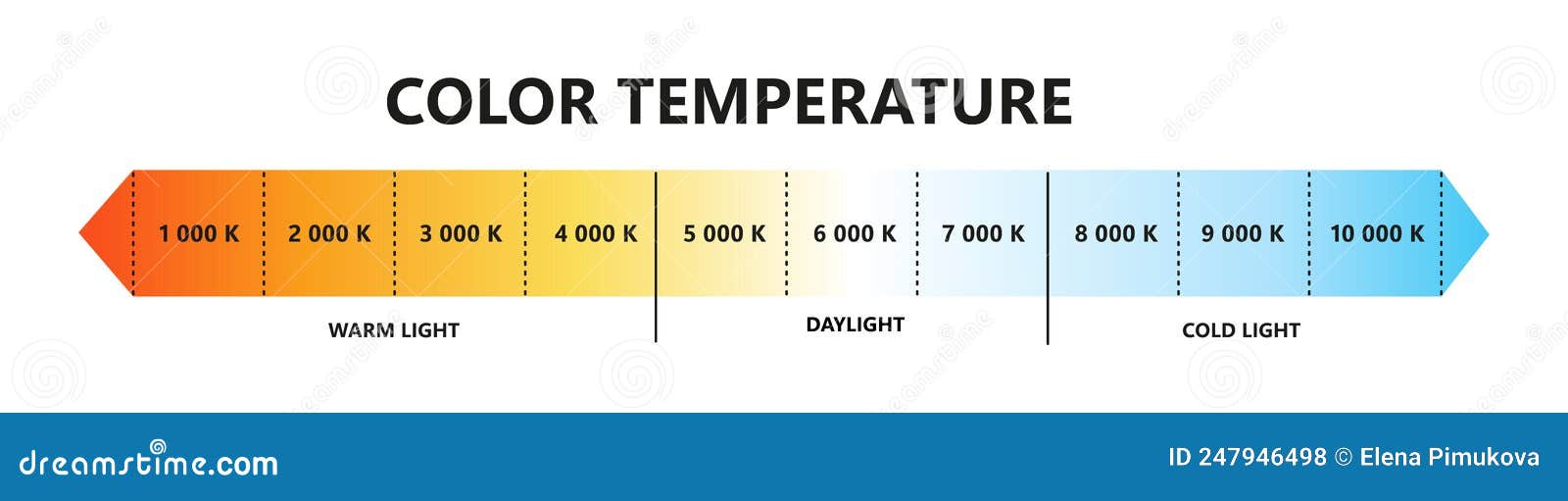
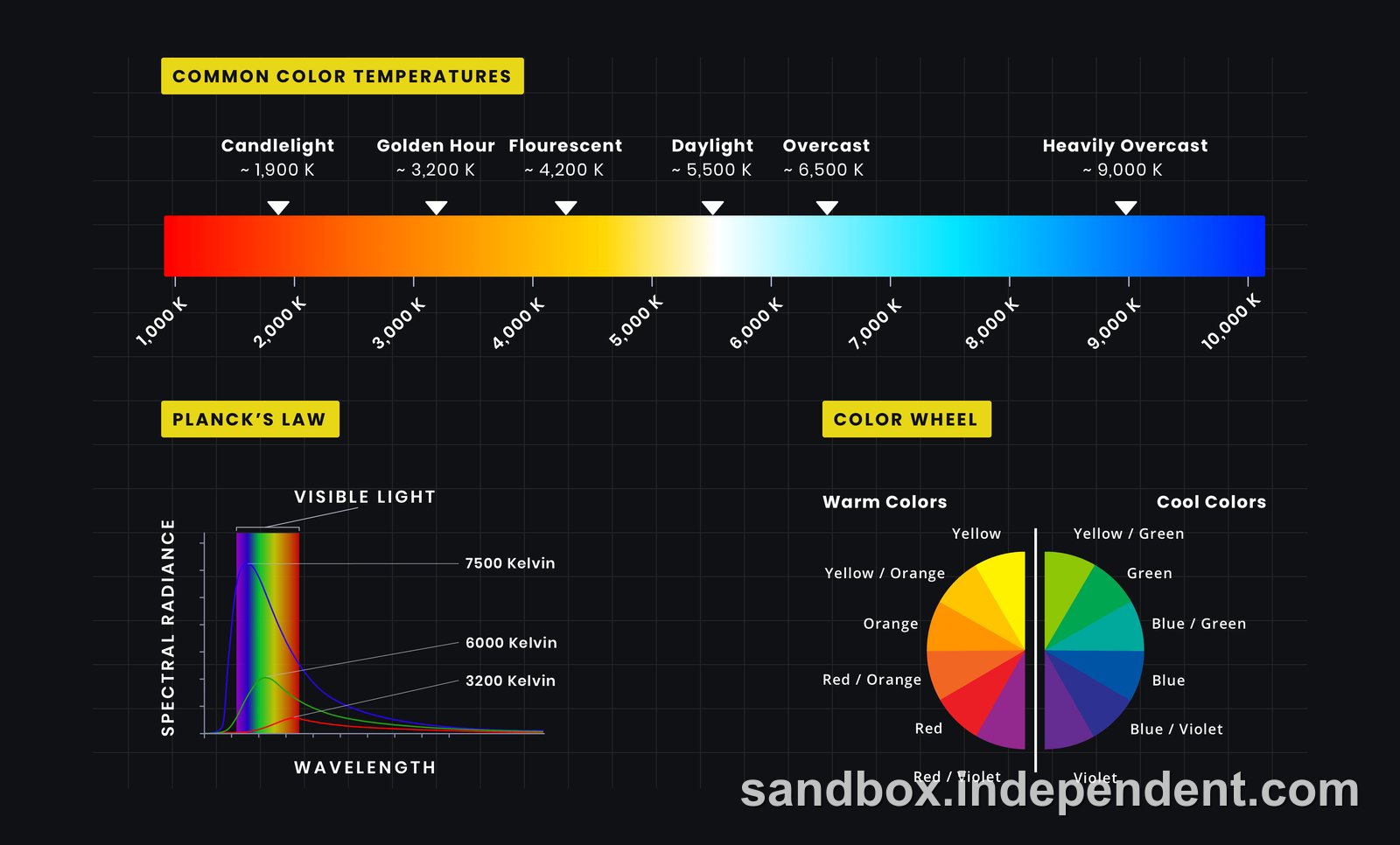
The color temp chart typically uses the Kelvin scale, which ranges from around 1,000K to 10,000K. Different light sources fall into specific categories based on their CCT values. For instance, warm light, often associated with candles or sunsets, has a lower CCT (around 1,500K to 3,000K), while cool, bluish light, like that of an overcast sky, has a higher CCT (6,000K to 10,000K). Common CCT values for various light sources include:
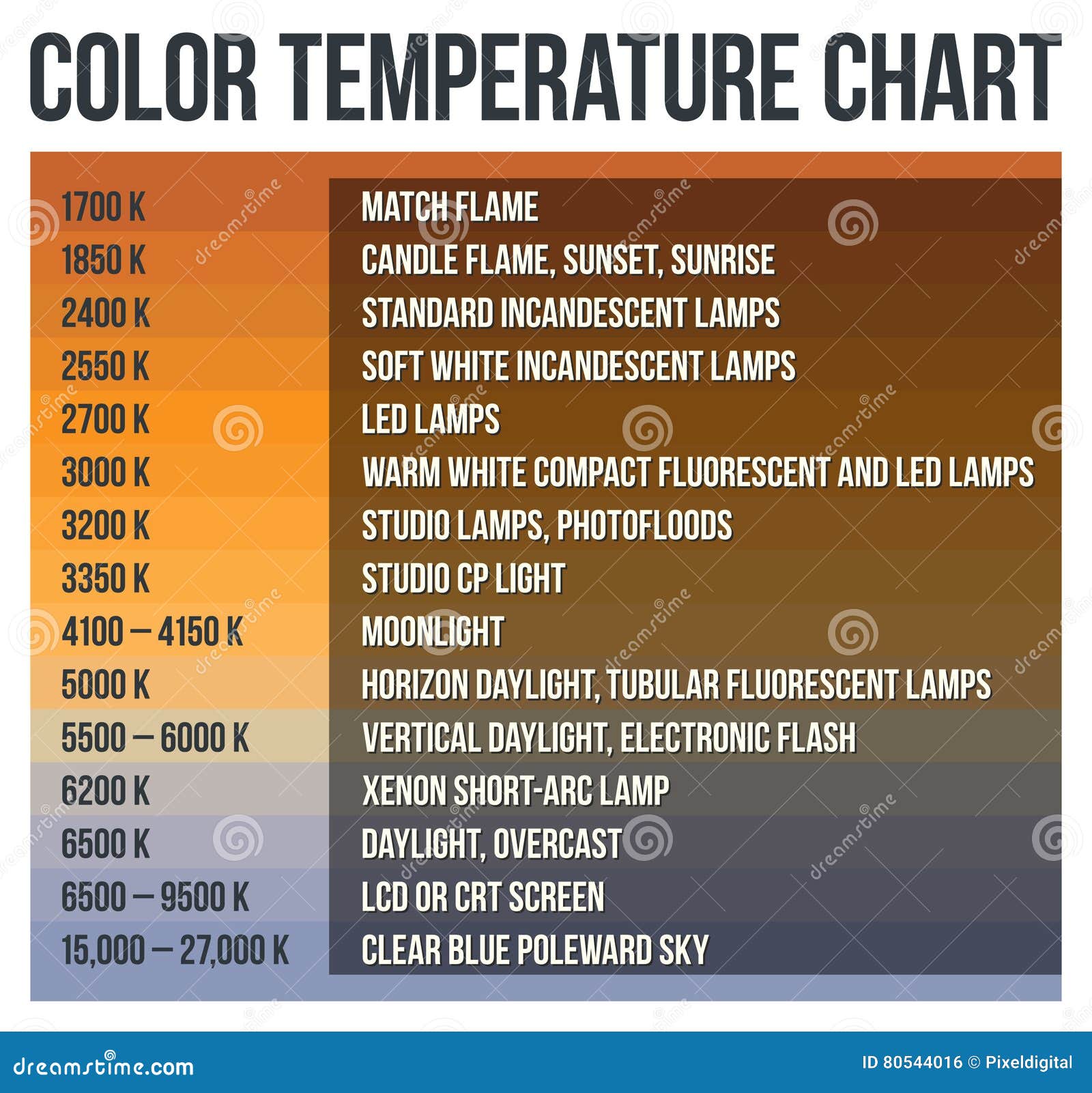
- Candlelight: 1,500K to 2,000K
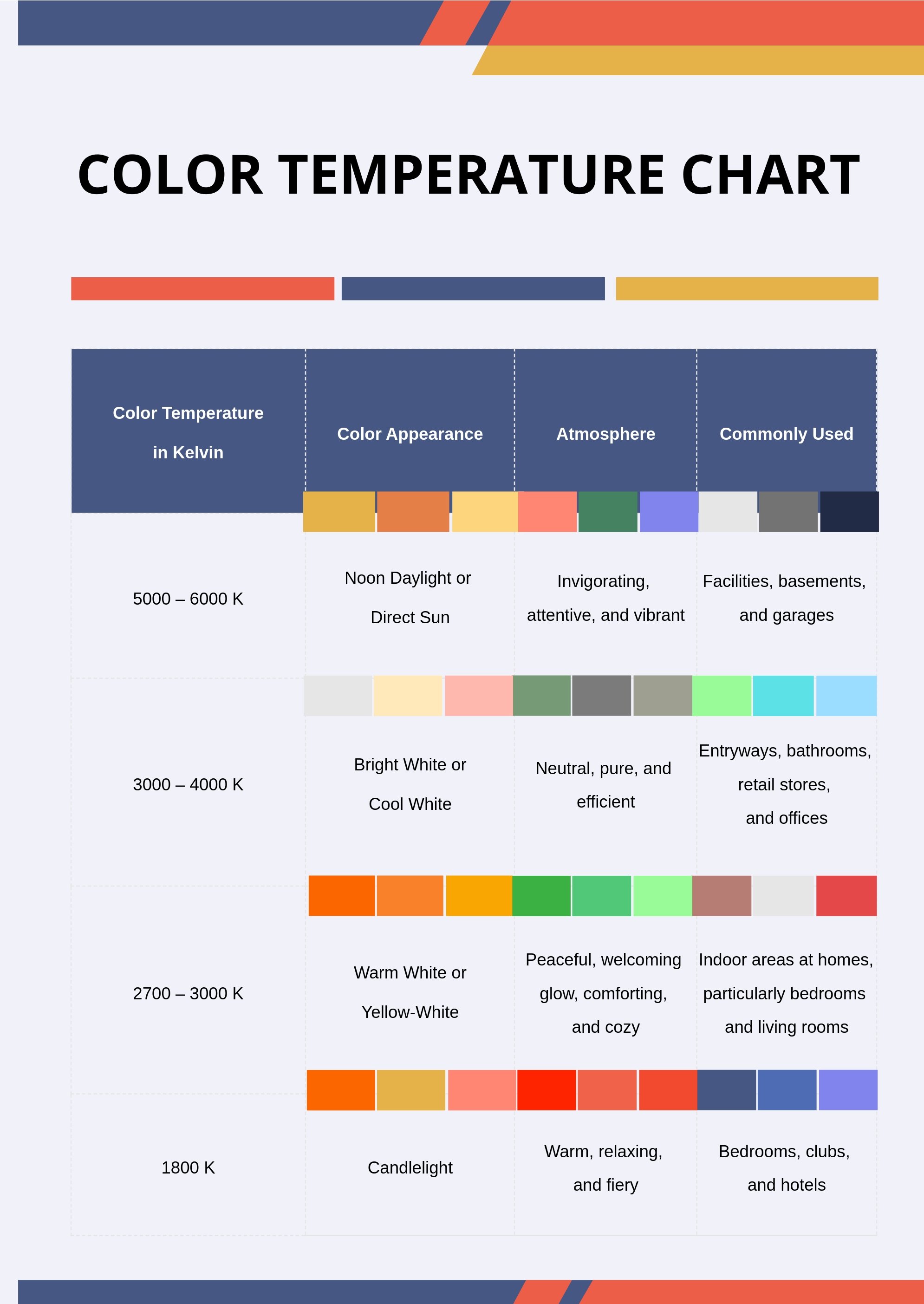
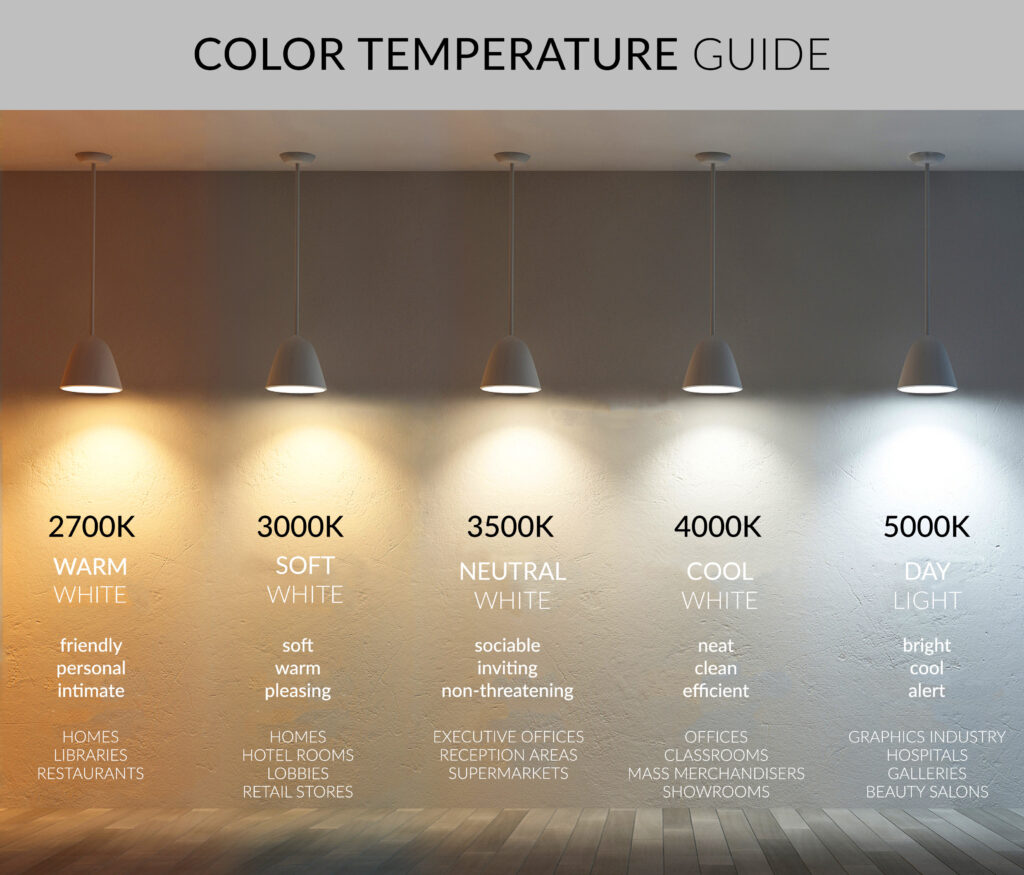
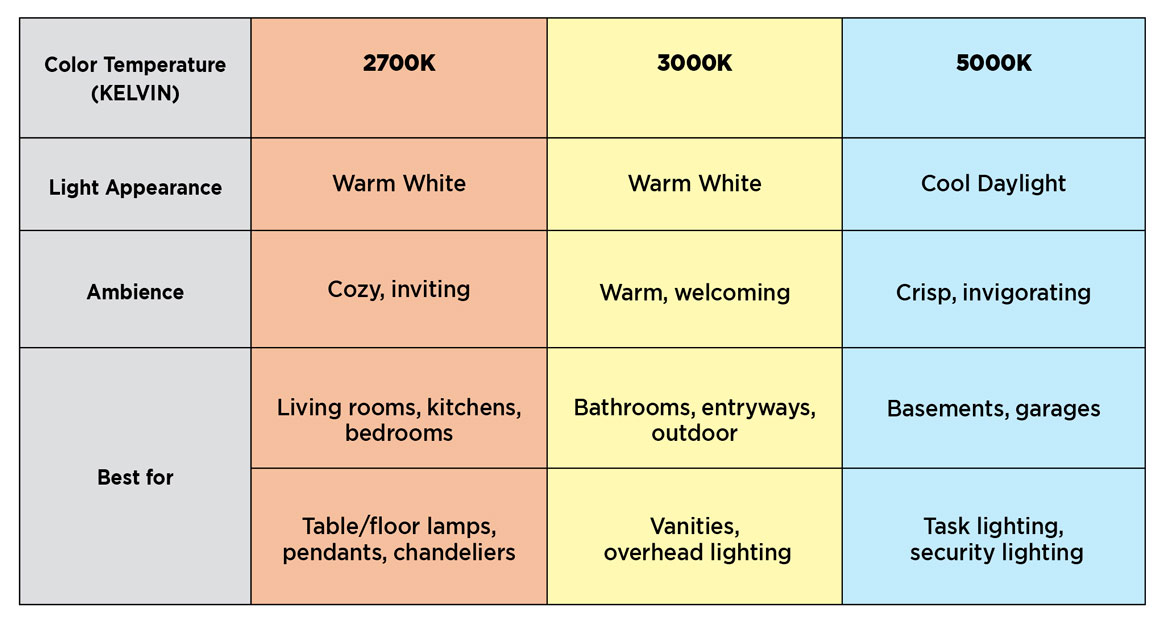
- Incandescent Bulbs: 2,700K to 3,000K
- Daylight (Midday Sun): 5,000K to 6,500K
- Overcast Sky: 6,500K to 8,000K
- Blue Skies: 9,000K to 10,000K
Practical Applications: Step-by-Step Guide
To utilize the color temp chart effectively:
- Identify the light source you want to match or adjust.
- Refer to the CCT values on the chart to understand its color temperature.
- For photography, set your camera's white balance to match the CCT for accurate colors.
- In lighting design, choose light bulbs with the desired CCT to create the right ambiance.
- Remember, different lighting conditions may require fine-tuning; trust your eyes and adjust as needed.
Avoiding Misreadings and Common Pitfalls
While the color temp chart is a valuable tool, it's essential to be aware of potential variations. Different light sources with the same CCT value may appear slightly different due to other factors like tint or saturation. Additionally, some light sources, like LED bulbs, can have a wider color spectrum, making their CCT value less indicative of their true color. Always consider the context and intended use when relying on the CCT scale.
Factors Affecting Accuracy and Real-World Use
Several factors can influence the accuracy of the color temp chart and its real-world applications:
- Lighting Environment: The surrounding lighting conditions can affect how a specific light source appears.
- Display Calibration: For photographers and designers, calibrating your display's white balance is crucial to ensure accurate color representation.
- Personal Perception: Our eyes perceive colors differently, and individual preferences can influence how we interpret light color temperature.
- Lighting Technology: Different lighting technologies, such as incandescent, fluorescent, or LED, can produce varying color temperatures despite having the same CCT value.
Always consider these factors when using the color temp chart to ensure accurate and effective results in your specific application.
While the specifics may differ slightly across various contexts, the fundamental principles of color temperature charts remain consistent. These charts serve as a valuable tool for anyone seeking precision and consistency in their color-related endeavors.
Feel free to explore our other guides and resources to deepen your understanding of color theory and its practical applications. We've got a range of topics covered, so there's something for everyone!
Images