


Colored Turkey Coloring Pages Overview
A CBS trade chart is a valuable tool for anyone seeking a quick and accurate overview of trade-related information. This guide aims to provide a straightforward understanding of these charts, ensuring you can navigate and utilize them effectively.
The CBS trade chart, whether presented as a table, diagram, or guide, offers a standardized format with potential variations depending on the context. It serves as a reference point, allowing users to quickly interpret trade values and units, making it an essential resource for efficient decision-making.
Understanding the CBS Trade Chart: An Overview
The CBS trade chart is a valuable tool for anyone involved in commerce and trade. It provides a standardized way to represent and understand various trade-related values and categories. This chart is a reference guide that simplifies complex trade data, making it accessible and practical for everyday use.
Comparing CBS Trade Chart Standards and Formats
There are different versions of the CBS trade chart, each tailored to specific regions and industries. The most common formats include the US standard and the international metric system. These charts may vary slightly in their units and categories but serve the same purpose: to provide a consistent framework for trade calculations and decisions.
Step-by-Step Guide to Using the CBS Trade Chart
Using the CBS trade chart is straightforward and can greatly simplify your trade-related tasks. Here's a simple guide:
Identify the Type of Trade: Determine whether you are dealing with import, export, or domestic trade. This initial step helps you choose the right chart for your specific trade scenario.
Select the Appropriate Chart: Different charts exist for various trade types and regions. Ensure you have the correct chart for your needs. For instance, if you are an importer, choose the import-specific CBS trade chart.
Locate the Relevant Values: The chart is organized with clear categories and units. Find the values you need, such as trade value, volume, or weight, and ensure you are using the correct units.
Perform Calculations: With the values located, you can now perform any necessary calculations. The chart provides a structured format to ensure accuracy and consistency in your trade-related computations.
Double-Check for Accuracy: Always verify the values and calculations with the specific trade guidelines and regulations. While the CBS trade chart is a reliable tool, it is essential to cross-reference with official sources for precise results.
Common Misreadings and How to Avoid Them
Misinterpreting the CBS trade chart can lead to errors. Here are some common pitfalls:
Unit Confusion: Ensure you understand the units used in the chart. Different charts may use various units, so always double-check.
Category Misidentification: Each chart has distinct categories. Take time to familiarize yourself with the specific categories and their meanings to avoid confusion.
Regional Variations: Be aware of regional differences. For instance, the US and metric charts may have slight variations in categories or units. Always use the appropriate chart for your region.
Factors Affecting Accuracy and Real-World Use
The accuracy of the CBS trade chart depends on several factors:
Trade Regulations: Trade rules and guidelines can change, so staying updated is crucial. Always refer to the latest regulations to ensure your calculations are precise.
Industry-Specific Considerations: Different industries may have unique trade practices and requirements. Ensure you are using a chart tailored to your specific industry to avoid discrepancies.
Chart Updates: CBS trade charts are periodically updated to reflect changes in trade practices and regulations. Regularly check for the latest version to maintain accuracy.
Choosing the Right CBS Trade Chart Format
Selecting the appropriate CBS trade chart format is essential for accurate results:
Standard CBS Units: If you are working within a specific industry or region, choose the chart designed for that context. For example, the standard CBS units for the US market may differ from those used internationally.
Common CBS Variations: Be aware of common variations in trade practices. Some industries may have unique trade flows or categories. Ensure your chart accommodates these variations to provide accurate representations.
Practical CBS Tips: Consider your specific trade needs and choose a chart that offers the most relevant and practical information for your daily tasks.
Keeping Your Reference Reliable for Future Use
To ensure the CBS trade chart remains a reliable reference:
Regular Updates: Stay informed about any updates or revisions to the chart. Subscribe to relevant industry newsletters or follow reputable sources for the latest information.
Organize and Store: Keep your charts organized and easily accessible. Consider digital storage for quick retrieval and sharing.
Cross-Reference: Always verify the chart's accuracy by cross-referencing with official sources and industry experts. This practice ensures you have the most up-to-date and reliable information.
Hey there! I hope this guide has given you a clear understanding of the CBS trade chart and its practical applications. Remember, while the fundamentals remain consistent, exact details may differ slightly based on your specific context.
Feel free to revisit this page whenever you need a quick refresh on CBS trade charts. It's a handy tool to have bookmarked for future reference!
Related: Read the Nail Shape Chart: A Simple Guide
You've probably come across the nail shape chart and are keen to explore its practical uses. This handy reference tool is a great way to discover and understand the different nail shapes and their names. It's a simple yet effective guide, offering a visual representation of various nail shapes, which can be a real asset when you're looking for inspiration or wanting to communicate your nail preferences clearly. While the chart provides a great starting point, it's worth noting that nail shape names and trends can vary, so it's always fun to explore and find your favorite!
Understanding the Nail Shape Chart
The nail shape chart is a handy reference tool for anyone interested in nail care and design. It provides a visual guide to different nail shapes and lengths, offering a simple way to communicate your desired nail look to a nail technician or to achieve consistent results at home. This chart is a great starting point for nail enthusiasts and professionals alike.
Key Details and Categories
The nail shape chart typically features a range of standard nail shapes, including classic options like square, oval, and almond, as well as more unique styles like coffin, stiletto, and mountain peak. Each shape is represented by a visual icon or illustration, making it easy to identify and choose your preferred style. Additionally, the chart often includes a measurement guide, showing common nail lengths and their corresponding sizes. These measurements are usually in millimeters or inches, depending on the standard used.
How to Read and Apply the Chart
Using the nail shape chart is straightforward. First, identify the shape you desire by matching it to the visual icons on the chart. Then, refer to the measurement guide to choose the length that suits your preferences and nail type. You can either communicate these choices to your nail technician or use the chart as a guide when shaping your nails at home. If you're unsure about the best shape for your nails, the chart can also inspire new looks and help you experiment with different styles.
Variations and Differences
It's important to note that while the nail shape chart provides a great starting point, variations can occur due to different standards and personal preferences. For instance, the exact measurements for each shape and length may vary slightly between charts, especially when comparing US and international standards. Additionally, individual nail technicians might have their own unique interpretations and techniques, leading to subtle differences in the final nail shape.
Common Mistakes and How to Avoid Them
One common mistake is relying solely on the chart without considering your nail type and personal comfort. It's essential to choose a shape and length that complements your natural nail bed and overall hand shape. Additionally, be mindful of your daily activities and lifestyle; certain shapes and lengths may be more practical or comfortable for your routine. Always consider these factors to ensure you achieve a look that suits your needs and preferences.
Tips for Accurate Results
To ensure accurate results when using the nail shape chart, it's crucial to measure your nails regularly, especially if you're growing them out or maintaining a specific length. This helps you stay consistent and achieve the desired look. Additionally, invest in good-quality nail files and buffers to shape and smooth your nails effectively. Practice makes perfect, so don't be afraid to experiment and find the techniques that work best for you. Remember, the nail shape chart is a guide, and with practice, you'll develop your own nail shaping skills.
Hey there! I hope this nail shape chart has given you a clear understanding of the different options and how to achieve your desired nail look. Remember, while the basics remain the same, the exact details might vary slightly depending on the context and your personal preference.
It's always a good idea to bookmark this page for future reference, especially when you're trying out new nail shapes or designs. You'll find it's a handy tool to have on hand!
Related: Find Your Perfect Fit: The Wig Length Chart
Many people struggle with understanding wig length charts, often assuming they are complex and intimidating. But fear not, they are actually a simple and handy tool!
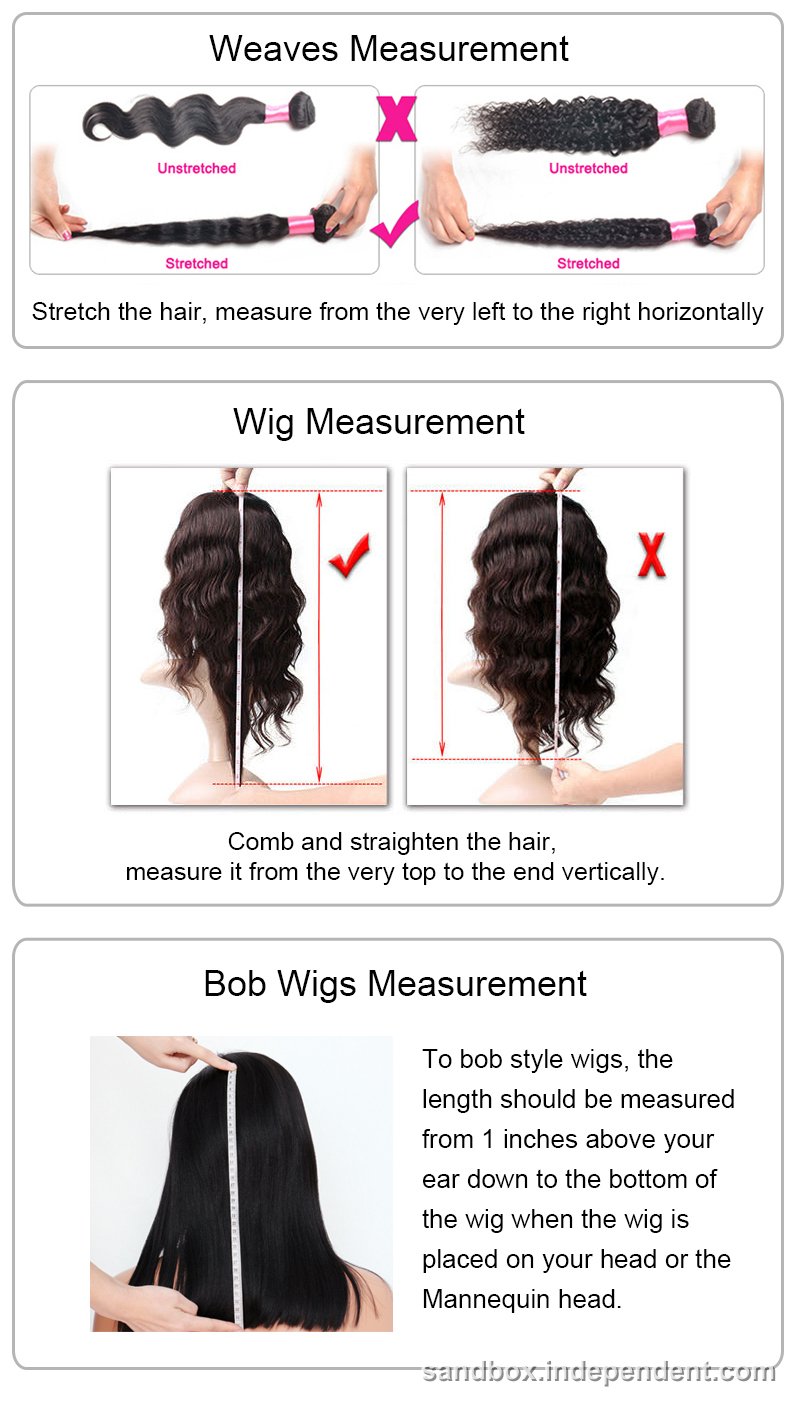
The wig length chart is your friend, providing a clear visual guide to help you choose the right wig length. It's a straightforward reference, offering a quick solution to ensure you get the perfect fit and style. While the values might vary slightly, the chart's purpose remains the same: to make your wig journey an easy and enjoyable one!
Wig Length Chart: Unlocking the Perfect Fit
Wig length charts are your secret weapon to finding the ideal wig. These charts provide a visual guide to help you understand and choose the right wig length based on your preferences and head shape. It's like having a personal stylist at your fingertips!
Key Details and Categories
The wig length chart typically displays different wig lengths, often categorized into short, medium, and long. These categories are further divided into sub-lengths, offering a more precise selection. You'll find measurements in inches or centimeters, depending on the standard used. For instance, a short wig might range from 8 to 14 inches, while a long wig could go beyond 20 inches.
Reading and Applying the Chart
Using the wig length chart is simple:
- Identify your preferred wig length. Are you aiming for a chic bob or a flowing, Rapunzel-inspired look?
- Check the chart for the corresponding category. Short, medium, or long?
- Within each category, find the specific length that matches your vision.
- If you're between sizes, consider your face shape and personal style. A little adjustment can make a big difference!
Variations and Differences
It's important to note that wig length charts may vary slightly across different manufacturers and standards. Some brands might offer more detailed sub-lengths, while others keep it simple. Additionally, the chart's categories and measurements can differ between human hair wigs and synthetic ones. Always double-check the specific chart for the wig you're interested in to ensure an accurate fit.
Common Mistakes to Avoid
A common pitfall is relying solely on the chart without considering your head size and shape. Remember, wig lengths are just one aspect; the overall fit is crucial. Another mistake is ignoring the hair density and style. Thicker hair might require a slightly larger wig cap for comfort. Always measure your head accurately and refer to a wig cap size chart for guidance.
Practical Tips for Accurate Results
To ensure the best fit, measure your head circumference at the widest point, usually just above the ears. This measurement will help you choose the right wig cap size. When trying on wigs, adjust the straps or combs for a comfortable, secure fit. If you're between sizes, consider going up a size for a more relaxed feel.
Double-Checking and Edge Cases
While the wig length chart is a valuable tool, it's not an exact science. Individual head shapes and preferences can vary greatly. If you're unsure, consult a professional stylist or wig expert. They can provide personalized advice and help you find the perfect wig length and style to complement your features.
In conclusion, the wig length chart is a fantastic resource for finding your ideal wig. By understanding the categories, reading the chart accurately, and considering your unique features, you'll be well on your way to a confident and comfortable wig experience. Happy wig hunting!
Well, there you have it! A handy wig length chart that will be your go-to resource for all things wig-related. Remember, while this chart provides a great starting point, it's always wise to double-check the specific requirements or standards relevant to your project or context.
Consider bookmarking this page for future reference; it's a simple yet effective tool that will save you time and effort. Happy wig adventures!