


Coloring Book Fire Truck Overview
You're here because you need a straightforward answer, and the firewood btu chart is your go-to resource. It's a simple yet powerful tool, offering a quick glance at the energy content of different woods. This chart is a handy reference, providing values for the heating value of firewood, often measured in btu per cord or pound. With this information, you can make informed choices, ensuring your firewood stack is efficient and effective.
Understanding the Firewood BTU Chart: A Quick Overview
The firewood BTU chart is a valuable tool for anyone using wood as a heat source. It provides a reference guide to the energy content of various firewood types, helping you make informed choices for efficient heating. This chart offers a standardized way to compare the heating value of different woods.
Comparing Firewood Types and Their BTU Ratings
The chart categorizes firewood by species, offering a range of common and less-common woods. Each wood type has a BTU (British Thermal Unit) rating, which indicates the heat energy it can produce. BTUs measure the amount of heat needed to raise the temperature of water by one degree Fahrenheit. The higher the BTU rating, the more heat potential the wood has. For example, hardwoods like oak and maple tend to have higher BTU ratings compared to softwoods like pine.
Step-by-Step Guide to Reading the Firewood BTU Chart
When using the firewood BTU chart, follow these steps:
- Identify the wood species you are using or considering.
- Locate the corresponding BTU rating on the chart.
- Understand the rating in the context of your heating needs. A higher BTU rating means the wood will produce more heat, but it may also burn faster.
- Consider the efficiency of your fireplace or stove. Some appliances are more efficient at extracting heat from the wood, so the BTU rating can be a guide for optimal wood selection.
- If you're buying firewood, use the chart to estimate the energy content of a cord of wood. A cord is a standard measurement for firewood, typically 128 cubic feet.
Avoiding Misreadings and Pitfalls
It's important to note that the firewood BTU chart provides a general guide, and actual heat output can vary. Factors like wood moisture content, density, and the efficiency of your heating appliance can impact the results. Always ensure your wood is properly seasoned (dried) to achieve the best heat output. Additionally, be aware that the BTU ratings on the chart are for green (freshly cut) wood. As wood dries, its energy content can increase, so the actual BTUs may be higher than the chart indicates.
Factors Affecting Accuracy and Real-World Use
Several key factors influence the accuracy of the firewood BTU chart and its application:
- Wood Moisture Content: Freshly cut wood has a higher moisture content, which reduces its energy content. As wood dries, its BTU value increases.
- Wood Density: Denser woods, like oak, have higher BTU ratings due to their compact structure.
- Heating Appliance Efficiency: The efficiency of your fireplace or stove can significantly impact the heat output from the wood.
- Seasoning Time: Properly seasoned wood, typically dried for 6-12 months, burns more efficiently and produces more heat.
- Regional Variations: Different regions may have variations in wood species and growth conditions, which can affect the BTU ratings.
Adapting the Firewood BTU Chart for Specific Needs
The firewood BTU chart is a versatile tool, and you can adapt it to suit your specific heating requirements. If you have a high-efficiency fireplace or stove, you may want to focus on woods with higher BTU ratings for maximum heat output. For traditional fireplaces, a mix of hardwoods and softwoods can provide a balanced burn. If you're unsure about the BTU ratings of local wood species, consult with local firewood suppliers or forestry experts. They can provide valuable insights into the best wood choices for your region.
Well, that's a wrap on our firewood BTU adventure! We've covered a lot of ground, from understanding the chart's purpose to navigating its various components and potential pitfalls.
Remember, while this guide offers a comprehensive overview, your unique circumstances may require further consideration. Always refer to reliable sources and adapt the information to your specific needs. It's a simple step that can make a big difference in your firewood choices and overall experience.
Consider bookmarking this page for future reference. It's a handy tool to have at your fingertips when you need a quick reminder or a deeper dive into the world of firewood BTUs. Until next time, happy (and informed) burning!
Related: Beef Cuts Chart: A Simple Visual Guide
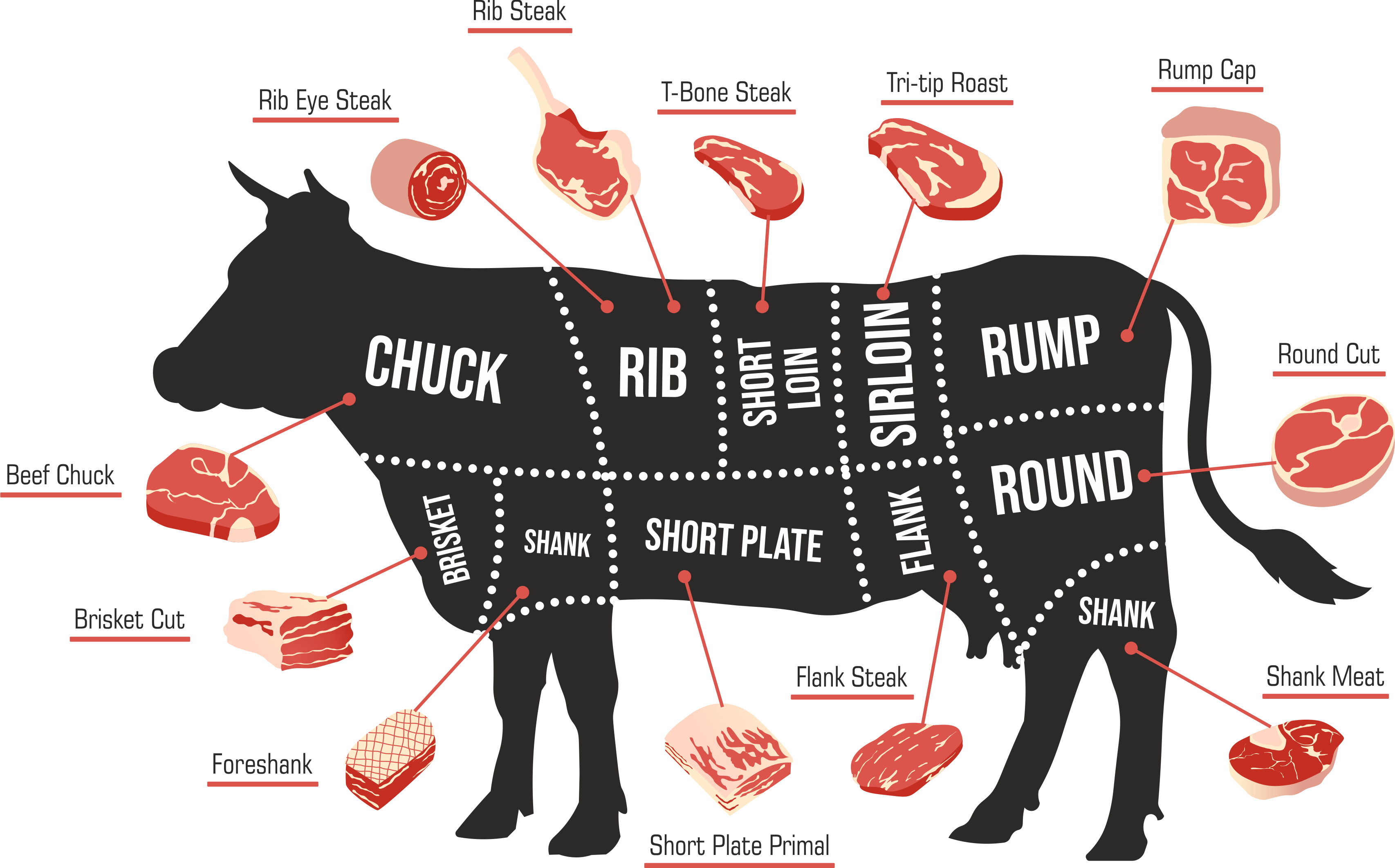
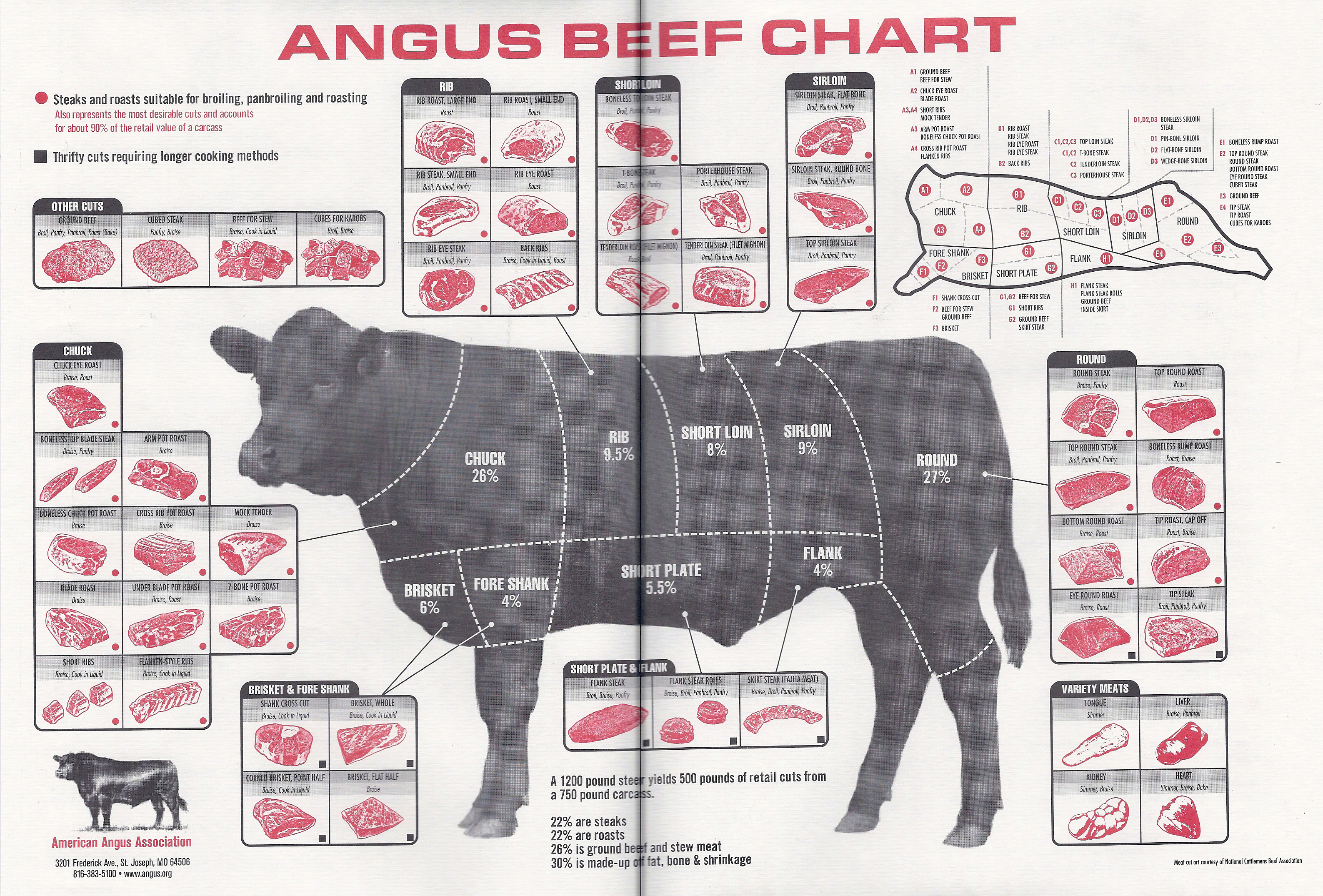
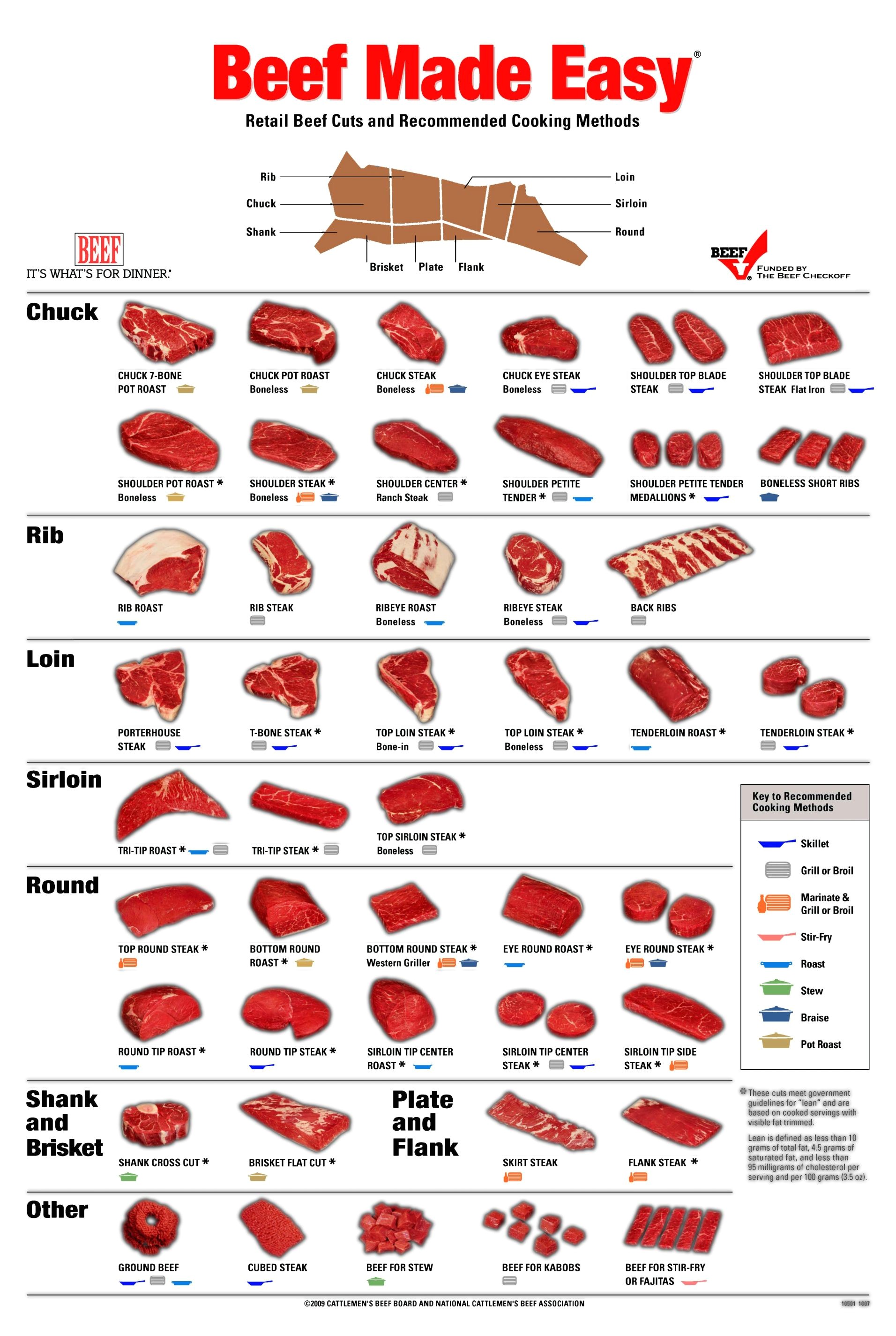
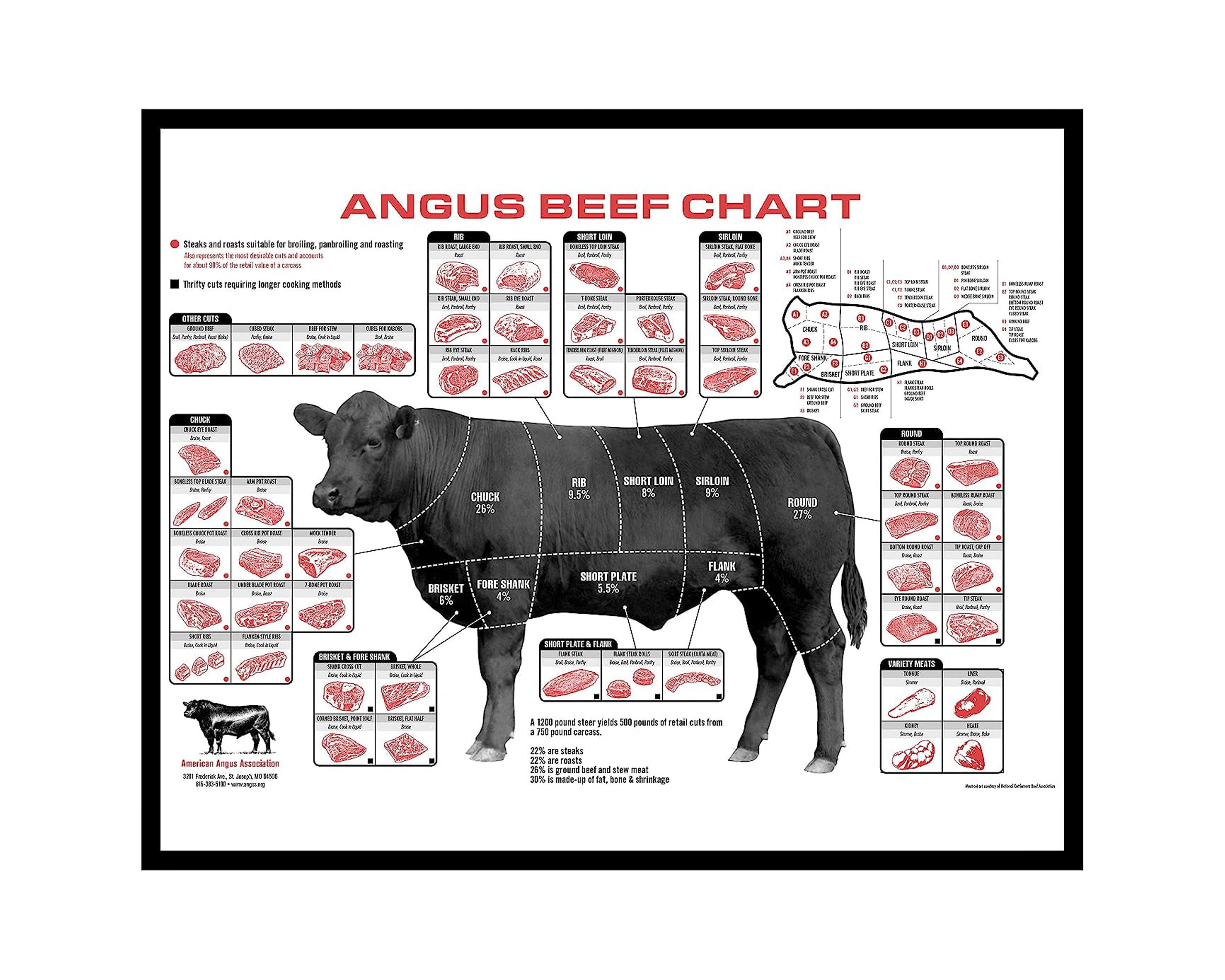
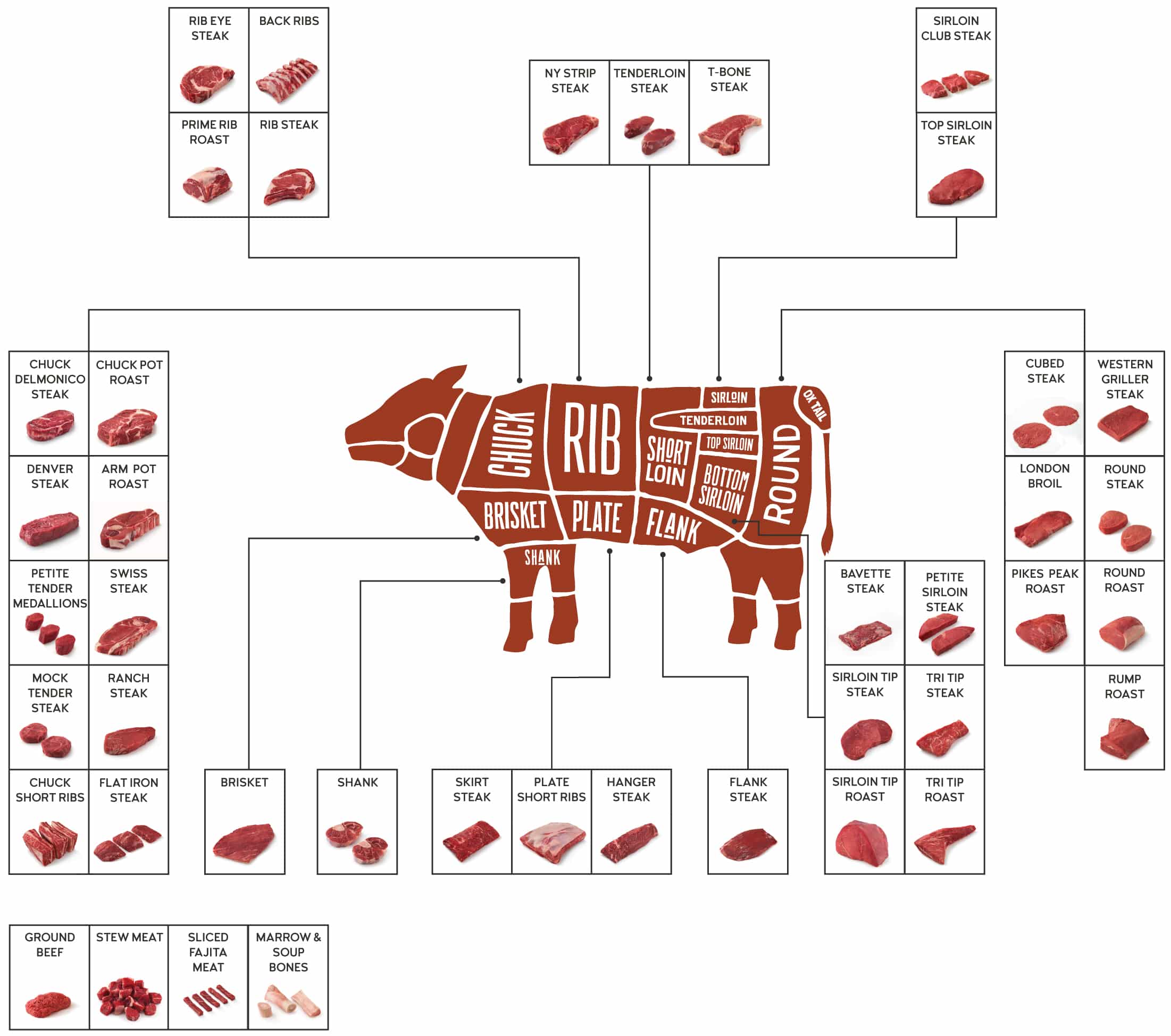
You're likely here because you're seeking a reliable resource, a quick reference guide, or perhaps you're in the middle of a cooking adventure and need to check those beef cuts chart details. It's a handy tool, a visual aid, and a great way to navigate the world of beef cuts, ensuring you can identify and utilize the right cut for your culinary creations. The beef cuts chart offers a simple yet effective way to understand the various cuts, their names, and their ideal uses, be it for grilling, roasting, or slow-cooking. While formats and values may vary slightly depending on your region or the butcher's chart, the fundamentals remain the same, providing a solid foundation for your meat-cooking endeavors.
Understanding the Beef Cuts Chart: A Practical Guide
The beef cuts chart is an invaluable tool for anyone who enjoys cooking with beef, offering a comprehensive visual guide to different cuts and their characteristics. This chart provides a quick reference for selecting the right cut for your culinary needs, whether you're looking for a tender steak or a flavorful roast.
Comparing Beef Cuts: Standards and Formats
Beef cuts charts typically organize cuts into categories based on the animal's anatomy, with each cut having its own unique qualities. You'll find categories like "rib," "loin," "chuck," and "round," each with its own sub-cuts. These charts often include additional information such as cooking recommendations, ideal cooking methods, and even storage tips. The format may vary, but the essential details remain consistent, ensuring you can make informed choices.
Step-by-Step Guide to Using the Chart
To utilize the beef cuts chart effectively, follow these steps:
Identify the primary cut you wish to use. This is usually based on the recipe or your desired dish.
Refer to the chart to locate the specific cut. It's helpful to know alternative names or common abbreviations, as these may be used interchangeably.
Check the recommended cooking methods and any special instructions. Some cuts may require specific preparation or cooking techniques to achieve the best results.
Consider the serving size and adjust the quantity as needed. The chart often provides guidance on portion sizes, ensuring you have enough for your meal.
Finally, review any storage tips provided. Proper storage is crucial to maintaining the quality and safety of your beef.
Avoiding Misreadings and Pitfalls
While the beef cuts chart is designed for clarity, a few common misreadings can occur. Here's how to avoid them:
Pay attention to the scale or size of the cut. Some charts may use different scales, so ensure you're interpreting the measurements correctly.
Understand the cooking recommendations. These are often general guidelines, and you may need to adjust cooking times or methods based on your specific oven or grill.
Be aware of regional variations. Different countries or regions may have unique names or classifications for certain cuts, so double-check if you're unsure.
Factors Affecting Accuracy and Real-World Use
Several key factors can influence the accuracy and practical application of the beef cuts chart:
Beef quality: The grade of beef, such as prime or choice, can impact the tenderness and flavor of the cut.
Aging: Proper aging enhances flavor and tenderness. The chart may not specify aging, so consider this factor when selecting your cut.
Cut thickness: Thicker cuts may require adjustments to cooking times.
Personal preference: Your own taste and cooking style can guide your choices, even if they deviate slightly from the chart's recommendations.
Cooking measurements: Ensure you're using the correct units and conversions for your region or standard.
Adapting the Chart for Specific Needs
While the beef cuts chart provides a comprehensive guide, you may need to adapt it for specific recipes or preferences. Here are some tips:
If you're cooking for a large group, adjust portion sizes accordingly.
For special dietary needs, consider alternative cuts or cooking methods that align with those requirements.
If you have a favorite recipe that calls for a specific cut, use the chart to find suitable alternatives if that cut is unavailable.
Experiment with different cooking techniques to discover new flavors and textures.
Remember, the beef cuts chart is a versatile tool, and with a little practice, you'll become an expert at navigating it and creating delicious beef dishes.
Well, there you have it, a comprehensive guide to beef cuts and their uses. Remember, when it comes to selecting the right cut for your culinary creations, it's always wise to consider your specific needs and the context in which you'll be using them.
Feel free to explore our other guides and resources; we've got a whole host of practical information to help you navigate the world of cooking and beyond. Happy browsing, and here's to delicious adventures!
Related: Find the Right Duct Size: Easy Chart Guide
Many people often assume that a duct size chart is a complex and confusing tool, but it's actually a simple and incredibly useful reference for anyone dealing with HVAC systems. While it may look like a basic chart, it's an essential guide to ensure your ductwork is sized correctly. A duct size chart provides a clear overview of standard dimensions, helping you navigate the process with ease.
Duct Size Chart: Your Practical Guide
A duct size chart is an essential tool for anyone involved in HVAC (Heating, Ventilation, and Air Conditioning) systems or ductwork installation. It provides a standardized overview of duct dimensions, ensuring consistency and accuracy in design and construction. This chart is your go-to reference for understanding and specifying the right duct sizes for your projects.
Key Details and Categories
The duct size chart typically displays a range of standard duct sizes, with measurements given in both imperial and metric units. These sizes are categorized based on the cross-sectional area and shape of the ducts, with common categories including rectangular, round, and oval. The chart provides a quick reference for selecting the appropriate duct size, ensuring optimal airflow and system efficiency.
Reading the Measurements: A Step-by-Step Guide
Identify the Type: Start by determining the shape of your duct - rectangular, round, or oval. Each shape has its own set of measurements and considerations.
Choose the Standard: Duct size charts often follow specific standards, such as the Imperial or Metric systems. Ensure you are referencing the correct standard for your region or project requirements.
Locate the Size: Find the desired duct size on the chart. The chart will typically list the dimensions, such as width and height for rectangular ducts, or diameter for round ducts.
Verify the Area: Check the cross-sectional area of the duct, which is often provided in square inches or square feet for imperial units, and square centimeters or square meters for metric units. This ensures you are selecting a duct with the right capacity for your airflow needs.
Consider Additional Factors: While the chart provides standard sizes, real-world installations may require adjustments. Factors like insulation thickness, duct material, and system design can influence the final duct dimensions.
Variations and Differences: Understanding the Standards
Duct size charts can vary depending on the standard or region they adhere to. For instance, the Imperial system, commonly used in the United States, has its own set of standard duct sizes, while the metric system, used internationally, follows a different set of measurements. These variations ensure that ductwork installations meet local building codes and industry standards. It's crucial to reference the correct chart for your specific context to avoid errors and ensure compliance.
Well, there you have it! A duct size chart is a handy tool, but remember, it's always best to check the specific requirements and standards relevant to your project. These charts provide a great starting point, but exact values can vary, so it's wise to double-check.
Feel free to explore our other guides; we've got plenty of practical resources to help you navigate various aspects of your projects. Happy planning, and remember to keep those ducts in check!