






Coloring Pages Kuromi Overview
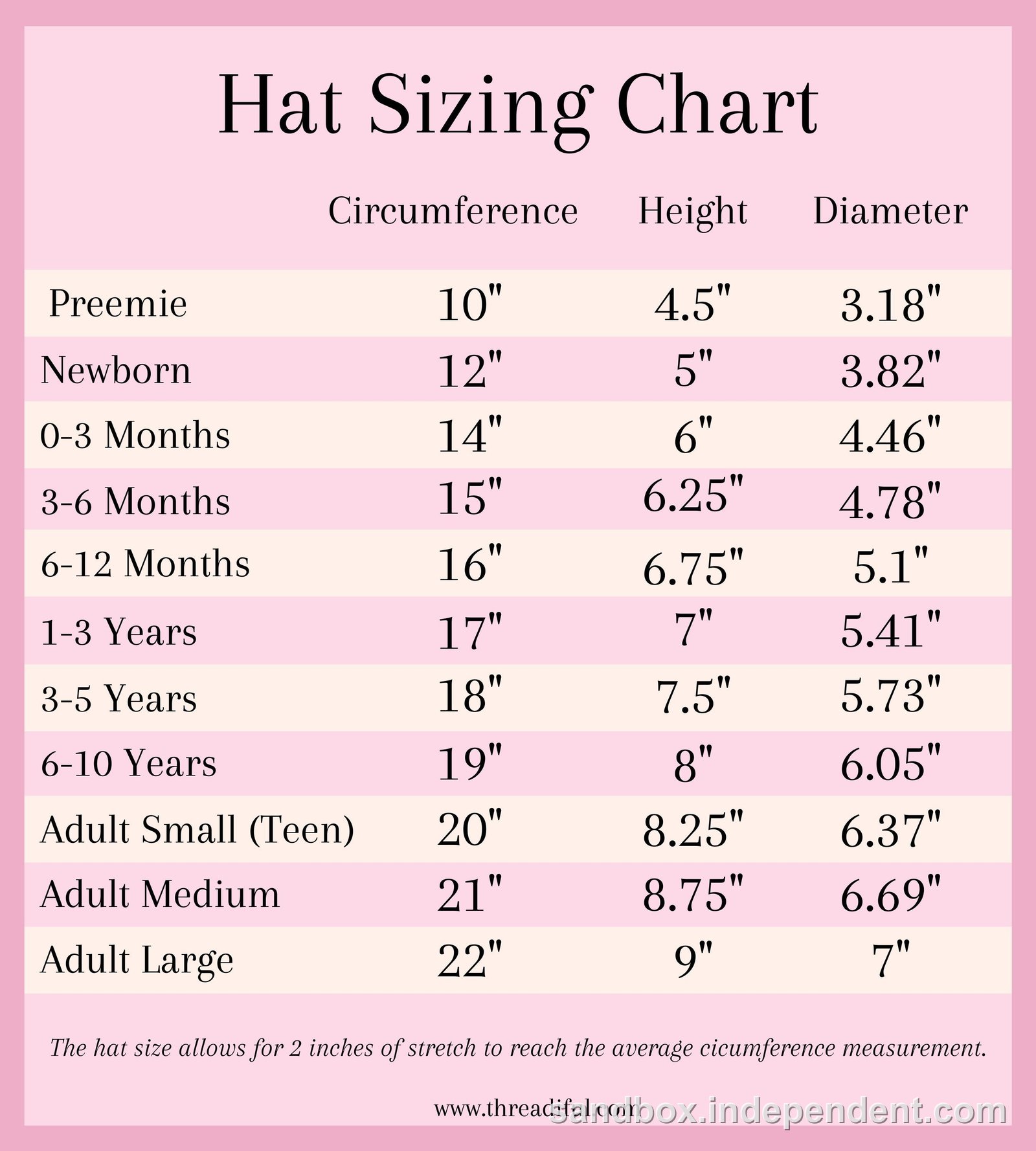
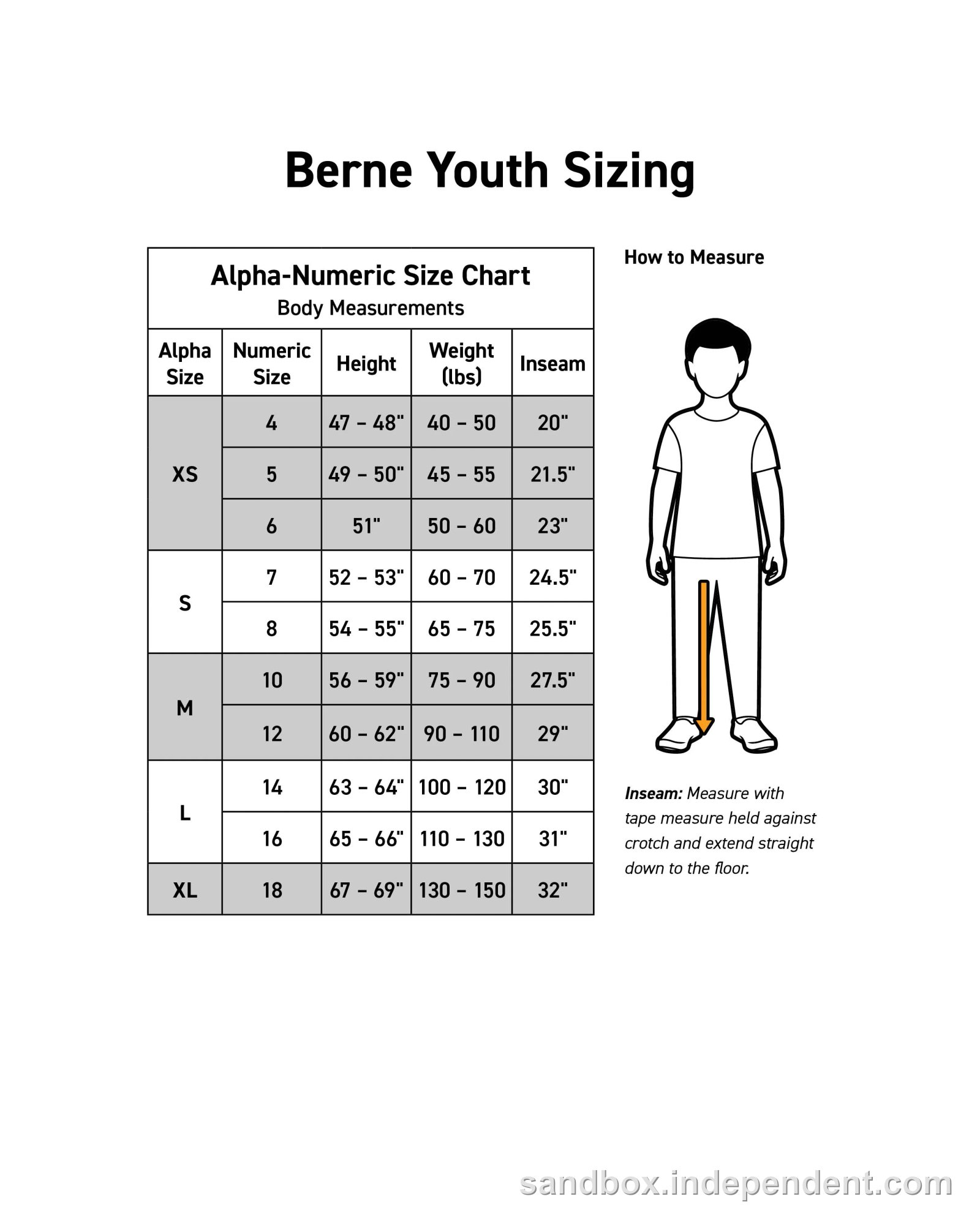
A quilt sizes chart can be a handy tool, but it's often misunderstood as a rigid, one-size-fits-all guide. In reality, these charts are flexible and adaptable, offering a range of standard sizes as a starting point for your quilting journey.
While the quilt sizes chart provides a great reference, it's important to remember that these dimensions can vary slightly depending on your region and personal preferences. Whether you're crafting a crib quilt size or aiming for a king-size masterpiece, understanding the chart is key to achieving your desired quilt measurements.
Understanding the Quilt Sizes Chart
The quilt sizes chart is your practical guide to creating quilts with precision and ease. It provides a clear overview of standard quilt dimensions, helping you choose the right size for your project and ensuring a perfect fit every time. This chart is a valuable resource for quilters, offering a quick reference to common quilt sizes and their measurements.
Comparing Quilt Size Categories
When exploring the quilt sizes chart, you'll notice a range of categories, each representing a specific quilt size. These categories are typically based on standard bed sizes, such as crib, twin, full, queen, and king. The chart provides the length and width measurements for each size, allowing you to select the right dimensions for your quilt. It's a simple and effective way to ensure your quilt fits its intended purpose.
Step-by-Step Guide to Using the Chart
Using the quilt sizes chart is straightforward. Here's a simple guide:
- Identify the intended use for your quilt. Are you making a crib quilt, a baby quilt, or a larger quilt for a bed?
- Refer to the chart and locate the relevant category.
- Take note of the length and width measurements provided. These are the standard dimensions for that particular quilt size.
- Measure your available space or the intended recipient's bed to ensure the quilt will fit perfectly.
- Use the chart's measurements as a guide to create your quilt pattern and ensure a comfortable and well-fitted result.
Avoiding Common Misreadings
While the quilt sizes chart is a reliable reference, it's essential to avoid common misreadings. Always double-check the units of measurement, as some charts may use imperial or metric units. Additionally, be aware that the chart provides standard measurements, and variations may exist based on personal preferences or specific projects. Always measure your space or the intended bed to ensure an accurate fit.
Factors Affecting Accuracy
Several factors can influence the accuracy of your quilt size selection. Firstly, the intended use of the quilt is crucial. A crib quilt will have different dimensions compared to a king-size bed quilt. Additionally, personal preferences and design choices can impact the final size. Some quilters may opt for a larger or smaller quilt, depending on their style and the recipient's needs. Always consider these factors when referring to the quilt sizes chart.
Adapting to Specific Needs
While the quilt sizes chart provides standard measurements, it's flexible enough to accommodate custom quilt dimensions. If you require a unique size, you can use the chart as a starting point and adjust the measurements to fit your specific needs. This adaptability allows quilters to create one-of-a-kind quilts that perfectly suit their vision and the intended recipient's preferences.
Keeping Your Reference Reliable
To ensure the continued reliability of your quilt sizes chart, it's essential to keep it updated and accessible. Regularly refer to reputable sources to verify the accuracy of the measurements, especially if you notice any significant changes in standard quilt sizes. Consider printing the chart or saving it digitally for easy reference during your quilting projects. By keeping your chart up-to-date, you'll always have a trusted guide for creating beautifully sized quilts.
Well, there you have it! A handy guide to quilt sizes, covering all the bases and giving you the tools to tackle any quilting project.
Remember, every quilter's needs are unique, so take a moment to ensure the sizes and standards you're using fit your specific project. With these tips and tricks, you'll be quilting like a pro in no time!
Feel free to explore our other guides and resources; we've got plenty of practical advice to offer, so you can keep crafting with confidence. Happy quilting!
Related: Understanding the 1-100 Number Chart
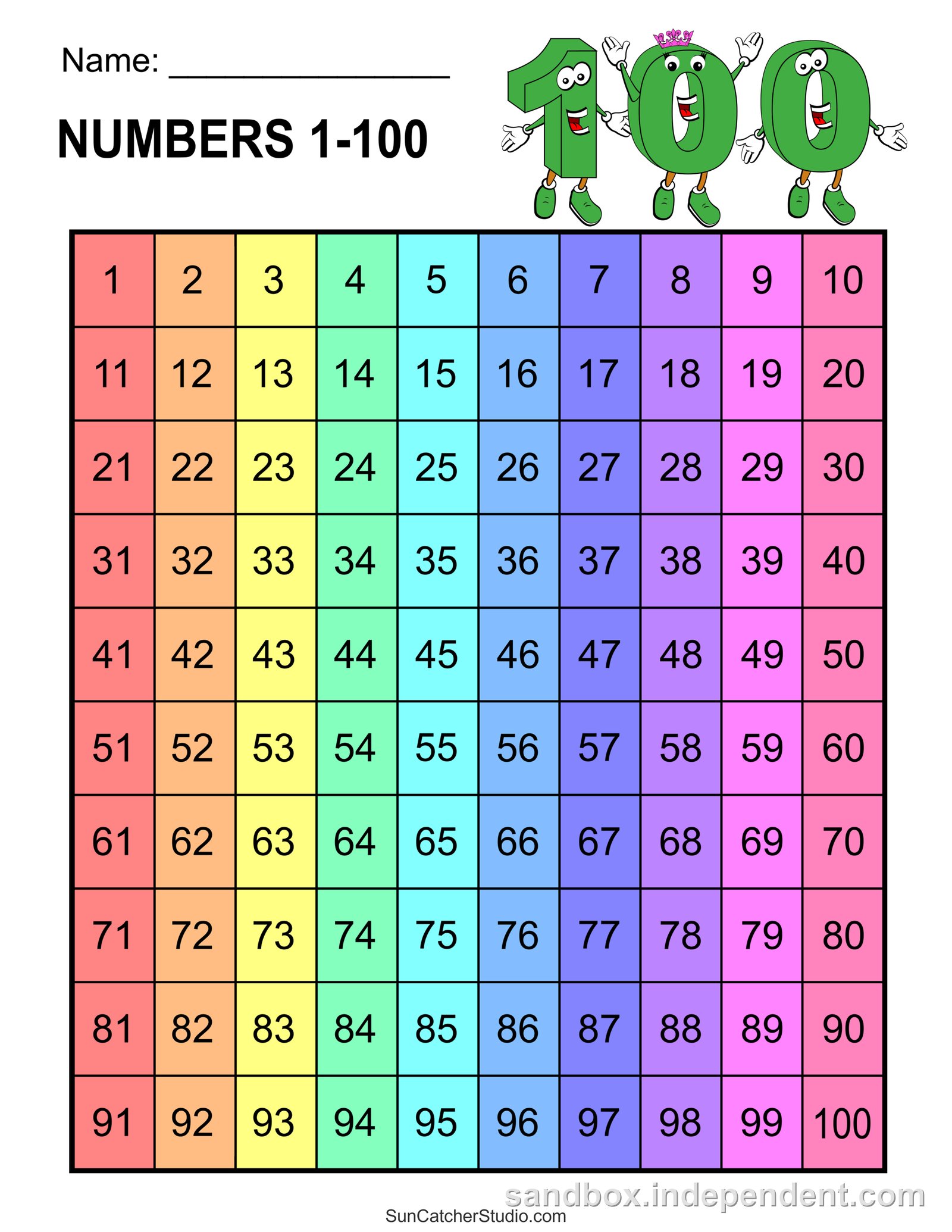
A 1-100 number chart is a simple yet powerful tool, often overlooked, that can be incredibly useful for quick references and understanding number patterns. This guide will give you a straightforward lowdown on how to read and utilize this chart effectively. From number lines to counting charts, we'll cover the basics to ensure you grasp the concept and its applications.
The Quick Guide to 1-100 Number Charts
The 1-100 number chart is a simple yet powerful tool for understanding and working with numbers. It's a visual representation of the numbers 1 to 100, often displayed as a grid or a line, and it's a great way to grasp number patterns and relationships. This chart is a fundamental resource for math enthusiasts, educators, and anyone wanting to improve their numerical literacy.
Comparing Number Chart Formats
There are a few variations in how the number line is presented. Some charts use a simple grid layout, with numbers arranged in rows and columns, making it easy to identify patterns and relationships. Others opt for a linear format, where numbers are placed along a line, often with additional features like color-coding to highlight odd and even numbers. The choice of format depends on personal preference and the specific use case.
Using the 1-100 Number Chart: A Step-by-Step Guide
Using the 1-100 number chart is straightforward and can be a fun way to explore numbers. Here's a simple guide:
- Start by familiarizing yourself with the chart. Notice the pattern of numbers and how they are arranged.
- Identify the ordinal numbers and their positions. This helps in understanding the sequence and order of numbers.
- Practice counting by tens. You'll notice a clear pattern, as each number ending with a zero is a multiple of ten.
- Look for odd and even numbers. Many charts highlight these, making it easy to distinguish between them.
- Use the chart for basic arithmetic. You can quickly add or subtract small numbers by counting the spaces between numbers on the chart.
- Explore number sequences and patterns. The chart makes it evident how numbers progress and relate to each other.
Common Misreadings and How to Avoid Them
While the 1-100 number chart is straightforward, a few common mistakes can be made. Here are some tips to avoid them:
- Misreading number sequences: Always double-check the sequence, especially when counting by tens or identifying odd and even numbers.
- Confusing ordinal and cardinal numbers: Remember, the chart represents ordinal numbers, so the position of a number matters.
- Assuming standard formats: Be aware that charts can vary, especially in different regions or for specific purposes. Always check the labels and categories to ensure accuracy.
- Overlooking details: Take your time and focus on the chart's layout and features. Don't rush, as this can lead to errors.
By following these simple steps and being mindful of potential pitfalls, you can accurately and confidently use the 1-100 number chart as a valuable tool for understanding and working with numbers.
So, there you have it! A quick guide to navigating the world of number charts, specifically the 1-100 chart. We've covered the basics, compared a few options, and provided a simple process to create your own.
Remember, while these charts are a handy reference, it's always wise to check your specific needs. Exact values and formats might vary, so ensure you double-check the standards or sources relevant to your context. Feel free to explore our other guides for more practical tips and tricks!
Related: Small Kitchen Remodel Easy Guide
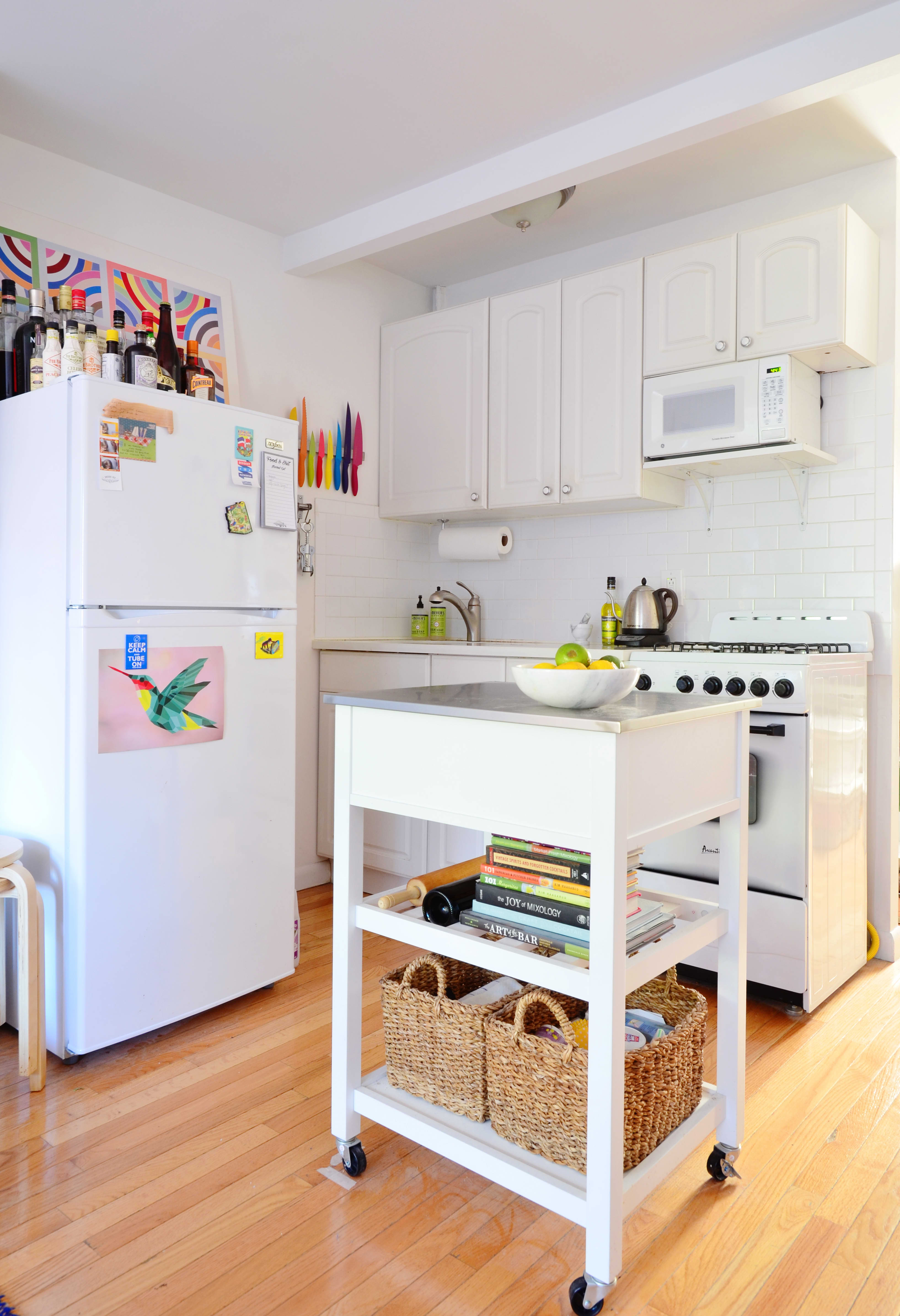
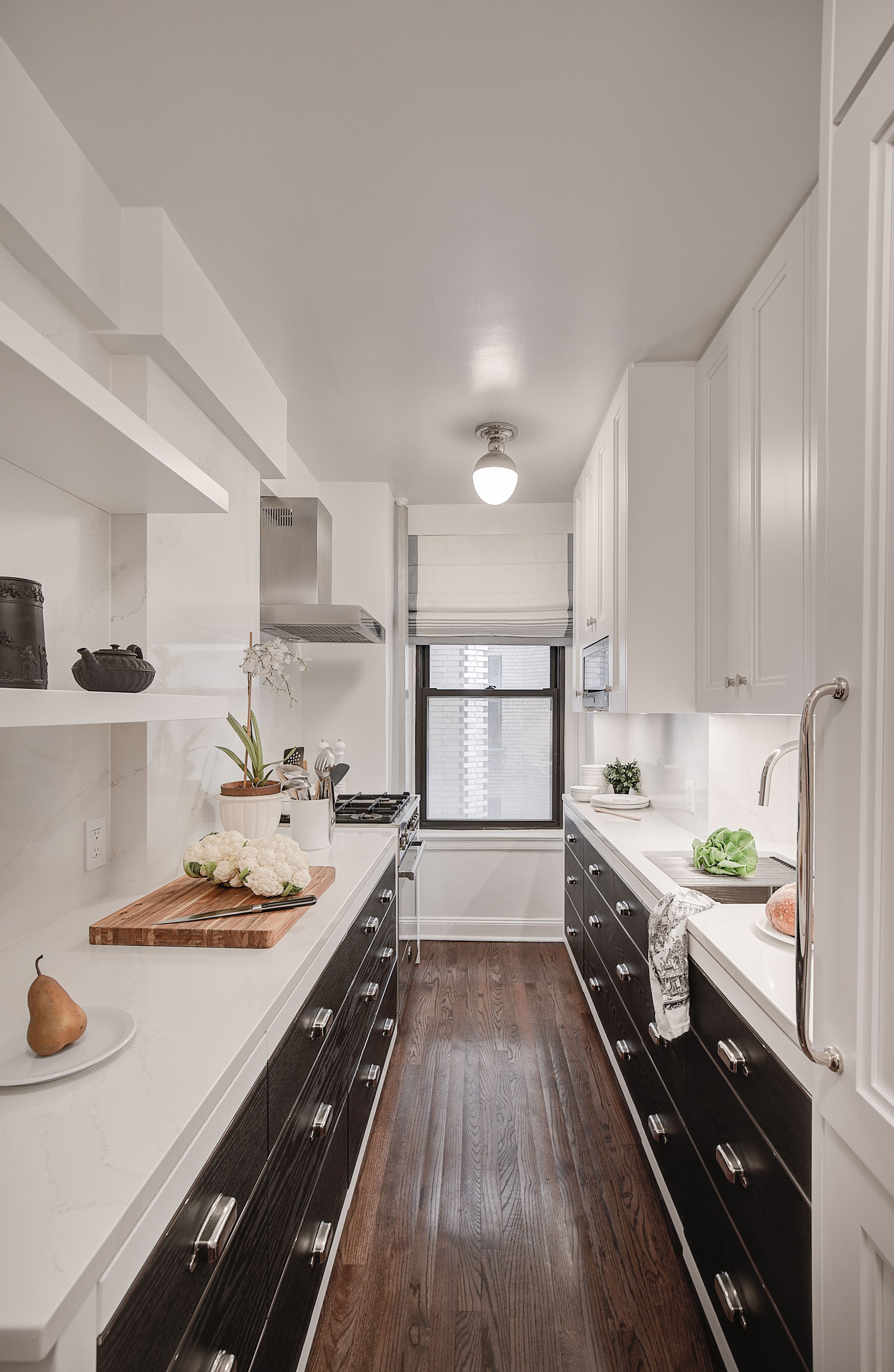
I just moved into a new place, and the kitchen is so tiny! I'm thinking about doing a small kitchen remodel to make it more functional and enjoyable to use. It's amazing how much a simple refresh can transform a space.
All About Your Small Kitchen Remodel
A small kitchen remodel is a great way to enhance your cooking and dining experience without a full-scale renovation. It focuses on improving the layout, storage, and overall functionality while keeping costs and disruption to a minimum. You can achieve a lot with some clever design and thoughtful upgrades.
First, assess your needs and budget. Decide what you want to achieve: more storage, a better workflow, or a brighter, more modern feel. Then, research materials and fixtures to find options that fit your style and price range. For example, new countertops and cabinet fronts can make a big difference, or you could consider a fresh coat of paint and some new hardware for a more affordable refresh.
When it comes to labor, you have a few options. If you're handy, you might be able to tackle some tasks yourself, like painting or installing new fixtures. But for more complex work, like plumbing or electrical, it's best to hire a professional. Look for local contractors or remodeling companies with good reviews and ask for quotes. Compare prices and ask about their experience with similar projects.
Finding the Right Contractor
Hiring a contractor is a crucial step in your small kitchen remodel. Check their licensing and insurance, and ask for references from past clients. A good contractor will listen to your vision and offer suggestions to make it a reality. They should provide a detailed quote outlining the work, materials, and expected timeline.
Get quotes from multiple contractors to compare prices and approaches. Don't just go for the cheapest option; consider their experience, reputation, and how well they understand your needs. A clear, itemized quote will help you spot any potential issues or hidden costs.
Construction and Remodeling Companies
Construction and remodeling companies come in all sizes, from sole proprietors to large firms. Smaller companies often offer more personalized service and may be more flexible with design and budget. Larger firms may have more resources and specialized teams, but they might be more rigid in their processes.
When choosing a company, consider your project's scope and complexity. For a simple refresh, a smaller local company might be ideal. But for a more extensive remodel, a larger firm with specialized departments could provide more comprehensive service.
Naming Your Business
If you're in the construction or remodeling business, your company name is key. It should be memorable, reflect your services, and stand out in a crowded market. Avoid generic names and opt for something unique and catchy. Here are a few ideas:
- Build-It-Better
- Renovate & Revive
- Home Transformation Pros
- Crafted Spaces
- Modern Makeovers
Remember to check name availability and secure the relevant local registrations and domains.
Final Thoughts
A small kitchen remodel is an exciting project that can transform your cooking space. By assessing your needs, researching options, and hiring the right help, you can create a functional and beautiful kitchen. It's a great way to add value to your home and make it a more enjoyable place to be. So, are you ready to get started?