










Coloring Pages Mickey Mouse Overview
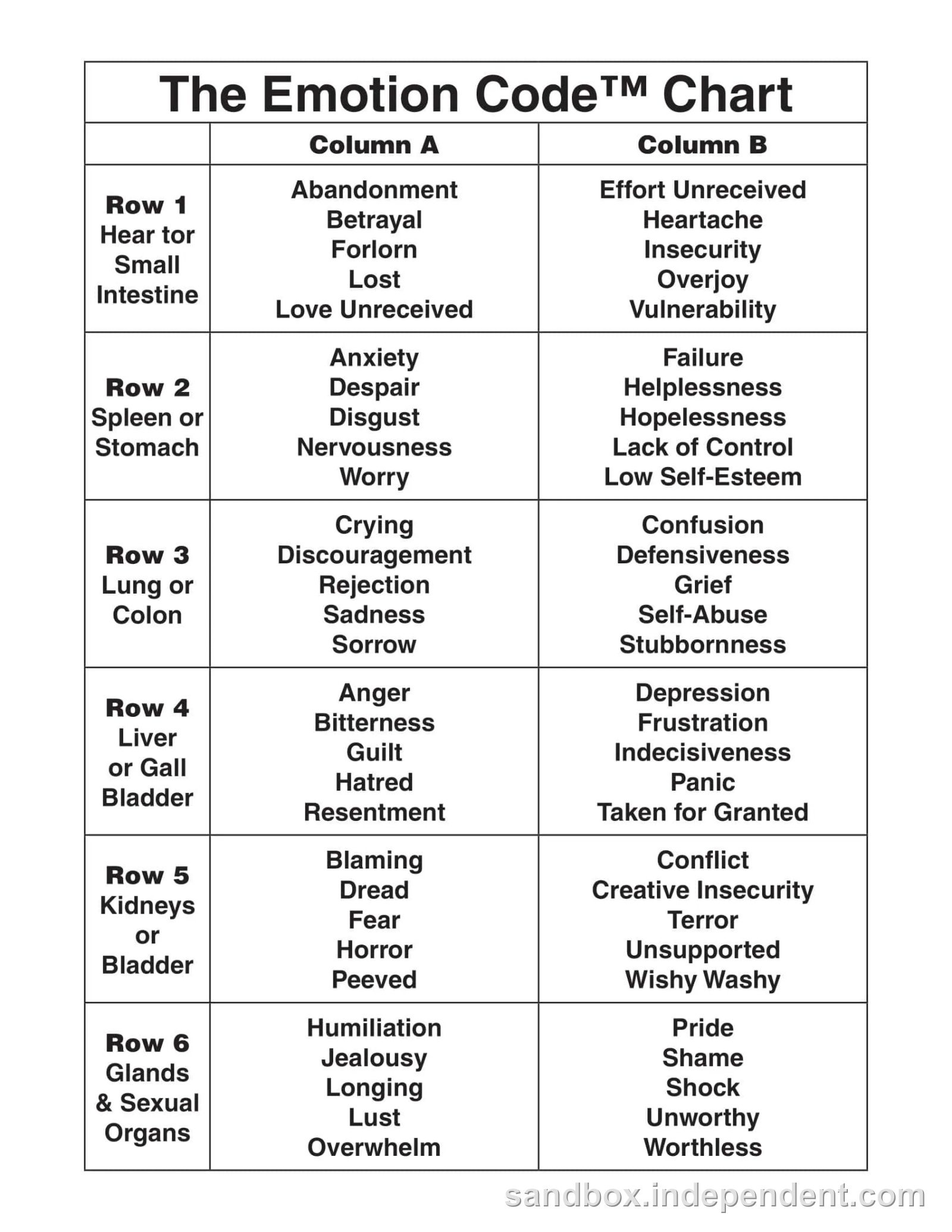
A common misconception about the emotion code chart is that it's a complex, intimidating tool, but it's actually a simple and powerful resource when used correctly. This chart, a visual representation of emotions, is an accessible guide that offers a clear and concise way to understand and interpret emotional responses. While there may be variations in the specific values and formats across different systems, the core concept remains the same: an emotion code system provides a structured approach to navigating the spectrum of human feelings.
Understanding the Emotion Code Chart: A Quick Overview
The emotion code chart is a valuable tool designed to help us interpret and understand human emotions. It provides a visual representation of various emotional states, offering a structured way to analyze and communicate feelings. This chart serves as a reference guide, aiding individuals in recognizing and expressing their emotions accurately.
Comparing Emotion Coding Systems: Formats and Standards
There are different formats and standards for emotional coding systems. The emotion code chart typically follows a widely accepted scale, ensuring consistency in emotional analysis. This scale often ranges from 0 to 10, with 0 representing a neutral or calm state and 10 indicating an intense or extreme emotion. It is essential to note that while this scale is common, variations may exist, especially in specialized fields or cultural contexts.
How to Use the Emotion Code Chart: A Step-by-Step Guide
To utilize the emotion code chart effectively, follow these steps:
- Identify the emotion you wish to analyze or communicate.
- Locate the emotion on the chart by considering its intensity and context.
- Assign a numerical value based on the scale, ensuring it aligns with the emotion's intensity.
- Communicate the emotion by sharing the assigned value, providing a clear and concise representation.
- When discussing emotions with others, refer to the chart to ensure a shared understanding.
Common Misreadings and Pitfalls: Ensuring Accurate Interpretation
Misinterpreting emotions can lead to misunderstandings. To avoid this, consider these tips:
- Ensure you understand the context in which the emotion is expressed.
- Be aware of cultural differences and how they may influence emotional expression.
- Regularly review and update your understanding of the emotion code chart, especially if you encounter new or unfamiliar emotions.
- Seek clarification if needed; open communication is key to accurate emotional interpretation.
Factors Affecting Real-World Accuracy: Key Considerations
When using the emotion code chart in real-life situations, several factors can impact accuracy:
- Affect intensity can vary widely between individuals, so be mindful of personal differences.
- Cultural norms and expectations play a significant role; emotions may be expressed differently across cultures.
- The context and situation greatly influence emotional responses; consider these factors when interpreting emotions.
- Personal experiences and past associations can shape how emotions are perceived and expressed.
- Physical and mental health conditions may affect an individual's emotional range and expression.
Remember, while the emotion code chart provides a valuable framework, it is essential to approach emotional analysis with flexibility and an open mind, considering the unique factors that influence each individual's emotional landscape.
Remember, the emotion code chart is a flexible tool, so you may find slight variations in practice. The key is to adapt it to your specific needs and context.
Feel free to explore our other guides for more practical insights and tips. Consider bookmarking this page for a handy reference—it might come in handy sooner than you think!
Related: How to Read a Flute Finger Chart Easily
Many beginners in the flute world often assume that a flute finger chart is some mysterious, complex tool, but it's actually a simple and incredibly useful reference guide. This chart is your go-to resource, offering a clear visual representation of finger placements for different notes. It's like having a secret code to unlock the flute's potential, and it's much easier to grasp than you might think! While there are variations in fingerings across different flute types and styles, the basic concept remains the same.
The Flute Finger Chart: A Visual Guide to Playing the Flute
The flute finger chart is an essential tool for any flute player, offering a visual representation of the finger positions needed to produce different notes. This chart serves as a quick reference, helping players navigate the complex world of flute fingerings. It's like a map for your fingers, guiding you to the right spots to create beautiful music.
Key Details and Categories
Before diving into the chart, it's crucial to understand some basics. The flute finger chart typically displays finger positions for a standard transverse flute, which is the most common type. It shows the placement of fingers on the flute's keys, with each key corresponding to a specific note. The chart often includes a legend or key, explaining the symbols or colors used to represent different fingers. You'll find categories for the left and right hands, as well as specific finger positions for each note.
Reading and Applying the Chart: A Step-by-Step Guide
Start by familiarizing yourself with the chart's layout. Identify the sections for the left and right hands, and understand the symbols or colors used to represent each finger.
Locate the note you want to play on the chart. Each note will have a corresponding finger position, indicated by the symbols or colors.
Place your fingers on the flute's keys according to the chart. Ensure a comfortable and relaxed hand position, with your fingers curved slightly and resting on the keys.
Practice moving between different notes, following the finger positions on the chart. Pay attention to the transitions and ensure a smooth flow between notes.
As you become more familiar with the chart, you can start experimenting with different fingerings for the same note. Some notes have multiple fingerings, offering variations in tone or ease of playing.
Understanding Variations and Differences
It's important to note that flute finger charts can vary slightly depending on the standard or region. While the basic finger positions remain consistent, there might be minor differences in the exact placement or the inclusion of alternative fingerings. Additionally, some charts might cater to specific flute models or styles, so it's essential to choose a chart that aligns with your flute type.
Common Mistakes and How to Avoid Them
One common mistake is relying solely on the chart without developing a sense of muscle memory. It's crucial to practice regularly, internalizing the finger positions and their corresponding notes. Another pitfall is neglecting proper hand and finger placement. Ensure your hands are positioned comfortably and naturally, avoiding tension or strain. Additionally, be mindful of the angle and pressure applied to the keys, as this can affect the sound and accuracy of your playing. Finally, always refer to the chart as a guide, but don't be afraid to explore and experiment with your own fingerings to find what works best for your playing style.
Well, there you have it! A flute finger chart is a handy tool to have in your musical arsenal. Remember, the specifics might shift a little based on your instrument and the context, so always double-check and adapt as needed.
Feel free to explore our other guides for more musical adventures and tips. We've got a whole collection of resources to keep your musical journey exciting and informative!
Related: General Contractor Names Essential Guide
"Hmm, I need to find a good general contractor for my home renovation. Any ideas on where to start?"
Understanding General Contractor Names
When you're planning a construction project, whether it's a new build or a renovation, one of the first steps is finding the right general contractor. General contractor names can be a bit of a mystery, but it's an important part of the process. These names are like a window into the company's identity and can give you a sense of their expertise and reputation.
So, how do you go about finding and choosing the right one? Well, it's not just about the name, but what it represents. A good general contractor will have a solid team, the right skills, and a track record of successful projects.
Choosing the Right Contractor
When you're searching for a general contractor, it's essential to do your research. Look for companies with a strong online presence and read reviews from previous clients. Check their portfolio to see if they've worked on similar projects to yours. You want to ensure they have the necessary experience and can handle the scope of your job.
Ask for references and contact previous clients to get an honest opinion on the contractor's work. It's also a good idea to meet with the contractor in person to discuss your project and get a feel for their communication style and approach.
Pricing and Quotes
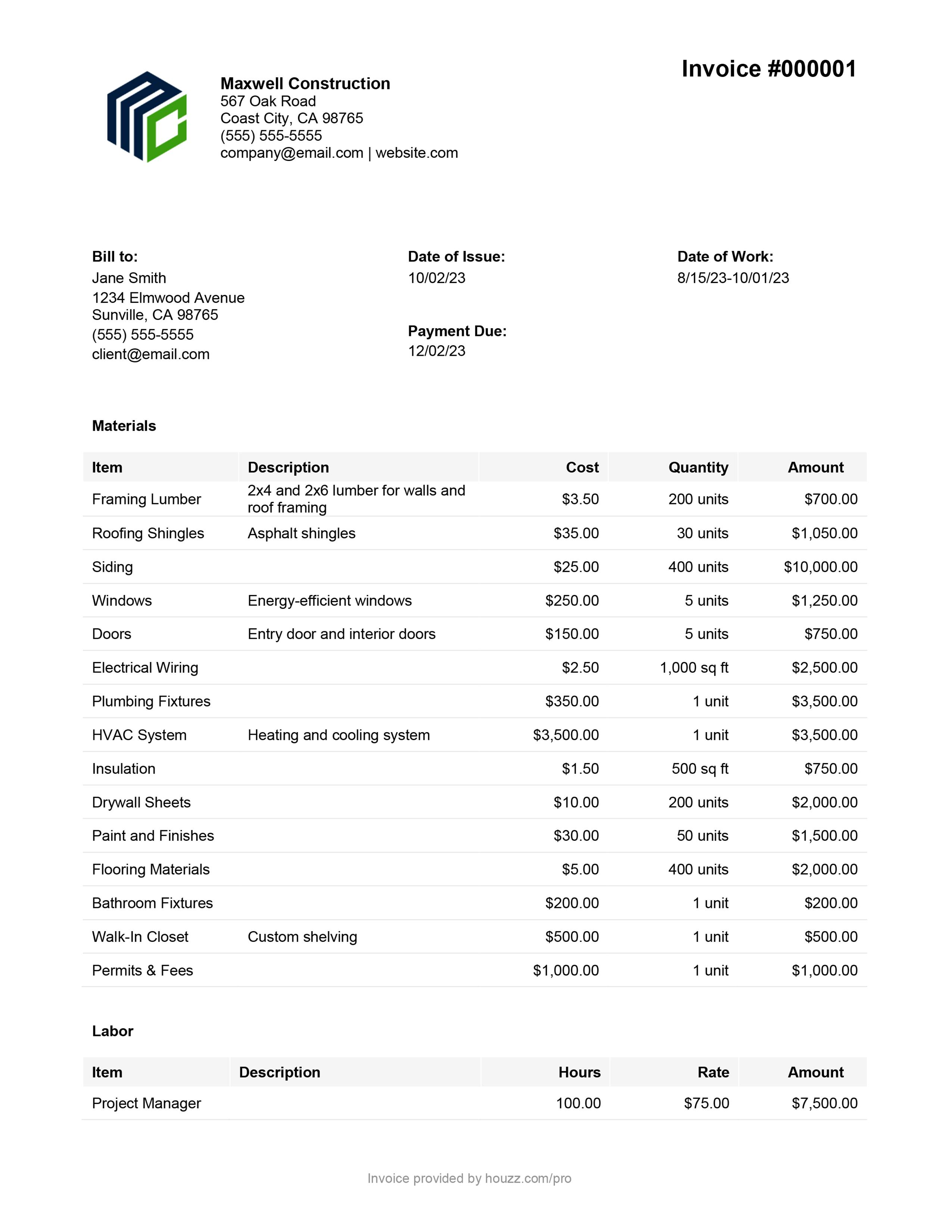
One of the biggest concerns when hiring a general contractor is the cost. Pricing can vary greatly depending on the scope of the project, materials, and labor costs. It's crucial to get several written quotes to compare and ensure you're getting a fair deal.
When comparing quotes, look beyond the bottom line. Consider what's included in the price, the timeline, and any potential hidden costs. A detailed, itemized quote is often a good indicator of a professional and transparent contractor.
Naming Your Construction Business
If you're in the construction business, choosing a name for your company is a big decision. It's your brand and can impact how potential clients perceive you. A good name should be memorable, unique, and reflect your company's values and services.
Here are a few name ideas to get you started:
- BuildCraft
- HomeRemodel Pros
- Constructive Solutions
- Renova
- The Build Team
- Crafted Spaces
Remember, before settling on a name, check its availability for domains and local registration to avoid any legal issues down the line.
Industry Tools and Data
In the construction industry, tools like RSMeans can be valuable resources. RSMeans provides cost data and estimating tools, helping contractors and clients understand the financial aspects of a project. It's a great way to ensure accurate pricing and manage expectations.
The Construction Industry
The construction industry is diverse, with companies of all sizes. Larger firms often have the resources to take on bigger projects and may specialize in certain areas. Smaller companies can offer a more personalized service and may be more flexible with pricing.
Wrapping Up
Finding the right general contractor is a crucial step in any construction project. It's all about research, comparing quotes, and understanding what you want and need. Remember, the name is just the beginning; it's the company's reputation and expertise that truly matter.
So, take your time, do your due diligence, and you'll be on your way to a successful construction project. Good luck!