








Coloring Pages Mustang Car Overview
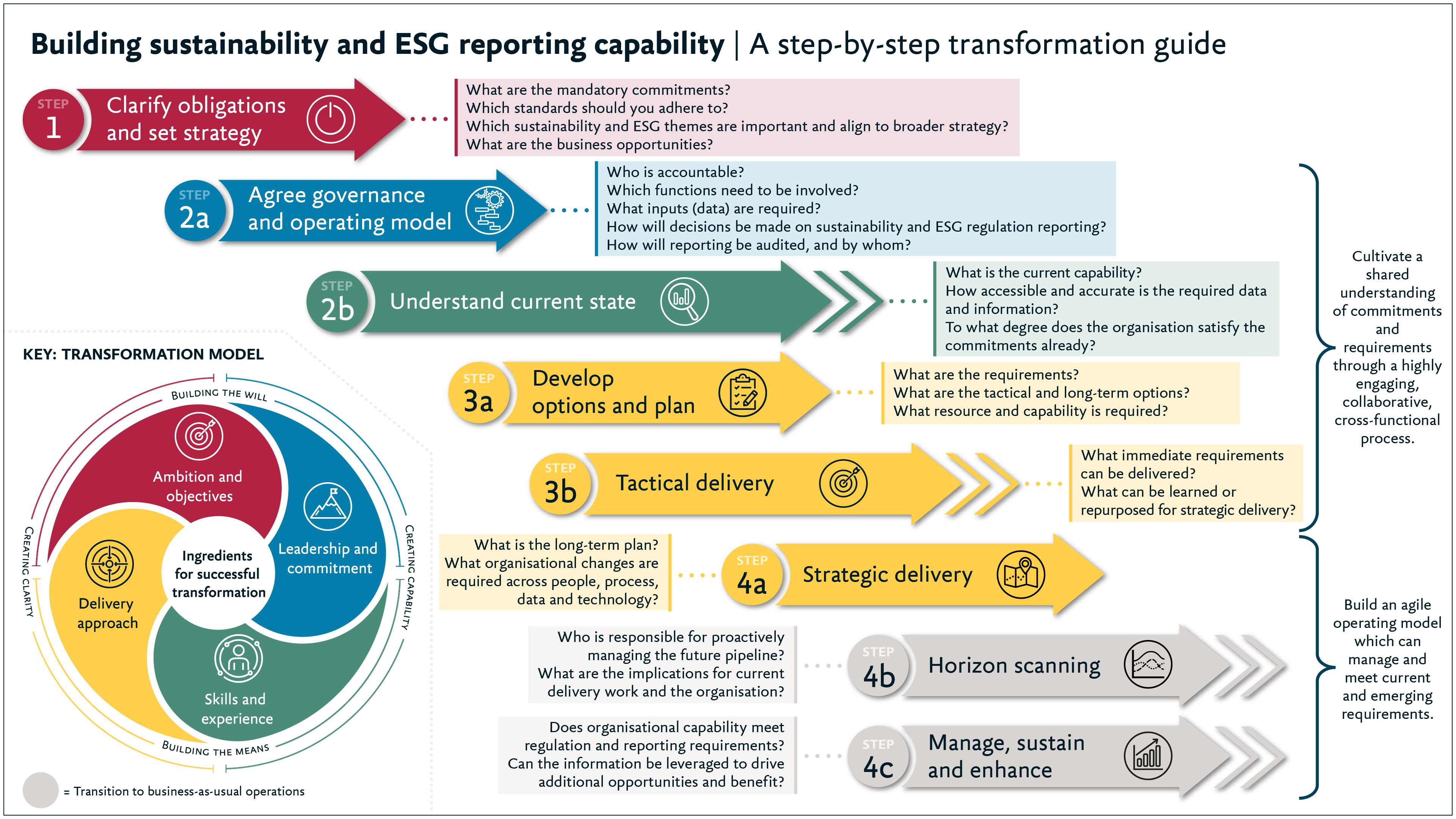
Construction industry sustainability is a buzzword these days, but it's more than just a trend. It's about building a better future, literally and figuratively. So, let's break it down and see what it's all about.
Building a Greener Future
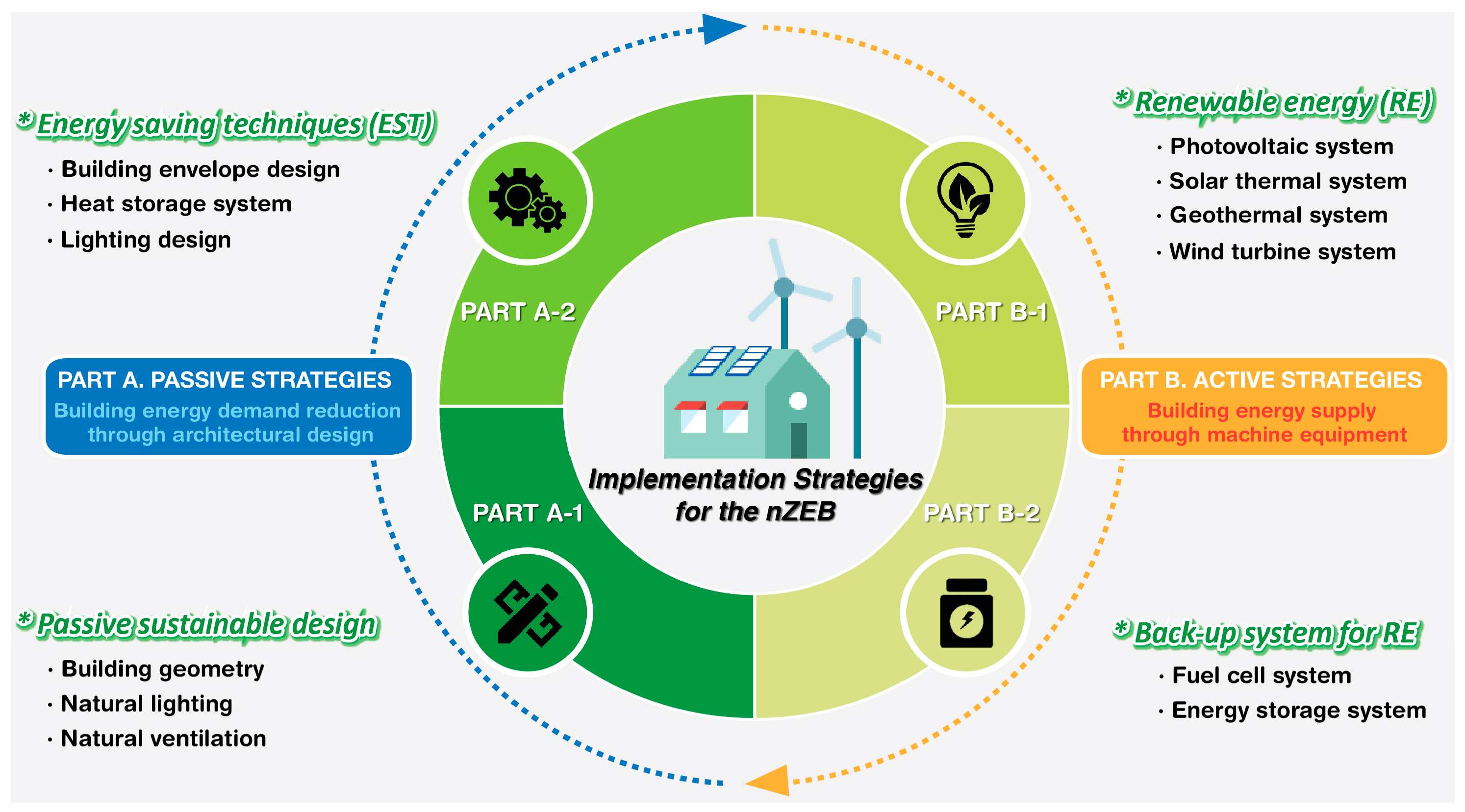
Construction industry sustainability is all about creating a more environmentally friendly and socially responsible approach to building. It's not just about the end result, but the entire process, from design to completion. By adopting sustainable practices, the construction industry aims to reduce its environmental impact and create a more sustainable world.
This means considering the long-term effects of construction projects and finding ways to minimize waste, conserve resources, and promote energy efficiency. It's about using materials that are eco-friendly, durable, and locally sourced whenever possible. Sustainable construction also involves thinking about the well-being of workers and the community, ensuring fair practices and minimizing disruptions.
Practical Steps for a Sustainable Build
So, how can you ensure your construction project is sustainable? Here are some key considerations:
Materials: Opt for sustainable and recycled materials. Look for certifications like LEED or Energy Star to guide your choices. Consider the lifespan and maintenance needs of materials to reduce future costs and environmental impact.
Energy Efficiency: Focus on insulation, efficient HVAC systems, and smart design to minimize energy consumption. Proper insulation and energy-efficient appliances can significantly reduce a building's carbon footprint.
Waste Management: Implement a waste reduction plan. Separate and recycle construction waste, and consider donating or reusing materials where possible. Proper waste management not only benefits the environment but can also save costs.
Water Conservation: Install water-efficient fixtures and consider rainwater harvesting systems. These practices can reduce water usage and lower utility costs.
Green Spaces: Incorporate green roofs or walls to improve air quality, reduce urban heat, and provide habitat for local wildlife. Green spaces also enhance the aesthetic appeal of a building.
Choosing the Right Contractor
When hiring a contractor, sustainability should be a key factor. Ask about their experience with sustainable practices and their commitment to environmental initiatives. Look for certifications or memberships with green building organizations. Ensure they have a track record of successful sustainable projects.
Get detailed quotes that break down costs and materials. Compare quotes, but remember, the cheapest option might not always be the most sustainable or reliable. Ask for references and check their past work to ensure they deliver on their promises.
The Future of Construction
Construction industry sustainability is not just a passing trend; it's a necessary evolution. As the industry adapts, we can expect to see more innovative materials, efficient technologies, and a greater focus on renewable energy integration.
Large construction firms are already leading the way with ambitious sustainability goals and innovative projects. However, small and medium-sized businesses are also crucial to this movement, as they can adapt quickly and bring sustainable practices to a wider range of projects.
So, whether you're planning a home renovation or a large-scale development, consider the long-term benefits of construction industry sustainability. It's an investment in our planet's future and a step towards a more responsible and resilient industry.
Related: A Beginner's Guide to Understanding the ND Depth Chart
Many sports enthusiasts may overlook the importance of a bold nd depth chart, assuming it's merely a list of names. However, this chart is a strategic tool, offering a unique glimpse into a team's dynamics and potential. It's not just about the starting lineup; the nd depth chart reveals the depth and versatility of a team's roster, providing insights that can impact game strategies and player development.
Understanding the nd Depth Chart: A Comprehensive Guide
The nd depth chart is a valuable tool used in various fields, providing a visual representation of hierarchical relationships and resource allocation. It offers a clear snapshot of the structure and depth within a system, whether it's a sports team, an organizational chart, or a technical diagram. This guide will help you navigate and utilize the nd depth chart effectively.
Key Details and Categories
The nd depth chart typically consists of multiple columns and rows, with each column representing a specific category or resource. Common categories include positions, roles, or skill sets. The rows, on the other hand, indicate the depth or level of each category, often progressing from primary or essential elements to secondary or backup options. The chart's design may vary depending on the standard or context, but the core structure remains consistent.
Reading and Applying the nd Depth Chart
- Start by identifying the chart's categories and their respective columns. These categories provide the framework for understanding the chart's content.
- Move on to the rows, which represent the depth or hierarchy. Each row typically corresponds to a specific level or tier within the system.
- Read across the rows to understand the distribution and allocation of resources. For example, in a sports depth chart, the top row might represent the starting lineup, with subsequent rows indicating substitutes or reserves.
- Pay attention to any color-coding or symbols used. These visual cues often provide additional information or indicate special considerations.
- Use the nd depth chart as a reference to make informed decisions. It can guide strategic planning, resource allocation, and understanding the system's capabilities and limitations.
Variations and Differences
While the nd depth chart follows a standard structure, variations may occur due to different standards, industries, or specific use cases. For instance, a sports depth chart may vary depending on the sport and its unique positions. Additionally, regional differences might influence the chart's design, especially when comparing metric and imperial systems. It's essential to be aware of these variations and refer to the appropriate standard or guidelines for your specific context.
Common Mistakes and How to Avoid Them
One common mistake is assuming that the nd depth chart provides a comprehensive overview without any exceptions. While it offers a valuable snapshot, it may not account for all variables or unique circumstances. To avoid this pitfall, always double-check the exact specifications, especially when dealing with critical or safety-related systems. Another mistake is overlooking the chart's context. Remember to consider the industry, region, and specific use case to ensure accurate interpretation. By being mindful of these potential pitfalls, you can utilize the nd depth chart effectively and make informed decisions.
Hey there, reader! We've covered a lot of ground with this depth chart guide, and I hope it's given you a clear understanding of the concept and its practical applications. Remember, while the fundamentals remain consistent, the exact details can vary slightly across different contexts and standards.
Feel free to explore other guides on our site to deepen your knowledge and gain insights into related topics. We've got a whole library of resources to help you navigate and master various concepts and tools. Happy learning!
Related: Understanding the Jax Depth Chart
A jax depth chart is a valuable tool for any sports enthusiast or analyst, offering a clear snapshot of a team's player lineup and their positions. This guide will navigate you through the essentials, ensuring you can interpret and utilize the jax depth chart effectively. Whether you're a fan wanting to understand the team's strategy or a coach seeking insights, this reference will cover the basics, including the various formats and the key information it provides.
Understanding the Jax Depth Chart
The jax depth chart is a valuable tool for sports enthusiasts, particularly those following American football, to gain insights into a team's player lineup and strategy. It provides a visual representation of the team's roster, highlighting the depth and talent across different positions. This chart is an essential reference for fans, analysts, and even coaches to assess a team's strengths and weaknesses.
Key Details and Categories
The jax depth chart typically consists of several columns representing different player positions, such as quarterback, running back, wide receiver, and so on. Each position is further divided into categories like starters, backups, and reserves. The chart also includes player names, jersey numbers, and sometimes additional stats or notes. It is important to note that the chart's layout and categories may vary slightly depending on the team and the specific depth chart format used.
Reading the Depth Chart: A Step-by-Step Guide
To read and interpret a jax depth chart effectively, follow these steps:
- Start by identifying the position groups. These are usually grouped together and labeled clearly.
- Within each position group, locate the starters. They are often listed first or highlighted in some way.
- Next, find the backups and reserves. These players provide depth and can step in if needed.
- Pay attention to the order of players within each position. It can indicate the team's preferred depth and strategy.
- Look for any notes or additional information provided. These may include injury statuses, player roles, or recent performance indicators.
- Compare the depth chart with the team's recent game statistics to understand how the lineup has been utilized.
Variations and Differences Across Standards
While the core structure of a jax depth chart remains consistent, there can be variations based on different standards and contexts. Here are some key factors to consider:
- NFL Depth Charts: In the context of the National Football League (NFL), depth charts often follow a standardized format, with specific positions and categories. However, teams may customize their charts to highlight unique strategies.
- International Standards: Outside the NFL, depth charts may vary based on the league or country. For instance, some international leagues may have different position names or categories.
- Team-Specific Strategies: Each team might have its own depth chart nuances to reflect their playing style and coaching preferences.
Common Mistakes and How to Avoid Them
When interpreting a jax depth chart, it is crucial to avoid these common pitfalls:
- Misinterpreting Player Roles: Ensure you understand the difference between starters, backups, and reserves. Starters are the first-choice players, while backups provide depth and can fill in for injured or rested starters.
- Overlooking Position Flexibility: Some players may be listed at multiple positions, indicating their versatility. Don't assume a player is strictly limited to one role.
- Ignoring Recent Changes: Depth charts can evolve quickly, especially with injuries or trades. Always check the chart's date to ensure you have the most up-to-date information.
Practical Tips for Accurate Analysis
To get the most out of your jax depth chart analysis:
- Compare Multiple Sources: Cross-reference depth charts from different reliable sources to ensure accuracy and catch any discrepancies.
- Stay Informed: Keep up with injury reports, player news, and coaching updates to understand the context behind depth chart changes.
- Analyze Trends: Look for patterns or trends in player performance and usage over multiple games. This can provide insights into a team's long-term strategy.
Double-Checking and Handling Exceptions
While jax depth charts are valuable, it's important to remember that they are snapshots of a team's lineup at a specific time. Here are some situations to double-check or consider:
- Injury Updates: If a player is injured, their status may change rapidly. Always verify their availability and potential replacements.
- Game-Time Decisions: Coaches may make last-minute lineup changes based on game plans or opponent strategies. Stay tuned for any late-breaking news.
- Position Flexibility: Some players can fill multiple roles. Confirm their primary position and understand how their versatility fits into the team's strategy.
Well, there you have it! The Jax Depth Chart is a handy tool, and I hope this guide has given you a clear understanding of how to utilize it effectively. Remember, while the basics remain consistent, the exact details might shift slightly based on your specific context or the source you're referencing.
Feel free to bookmark this page for future reference, and don't hesitate to explore other guides on similar topics. It's always beneficial to have a reliable resource at your fingertips!