








Coloring Pages Of Animals Overview
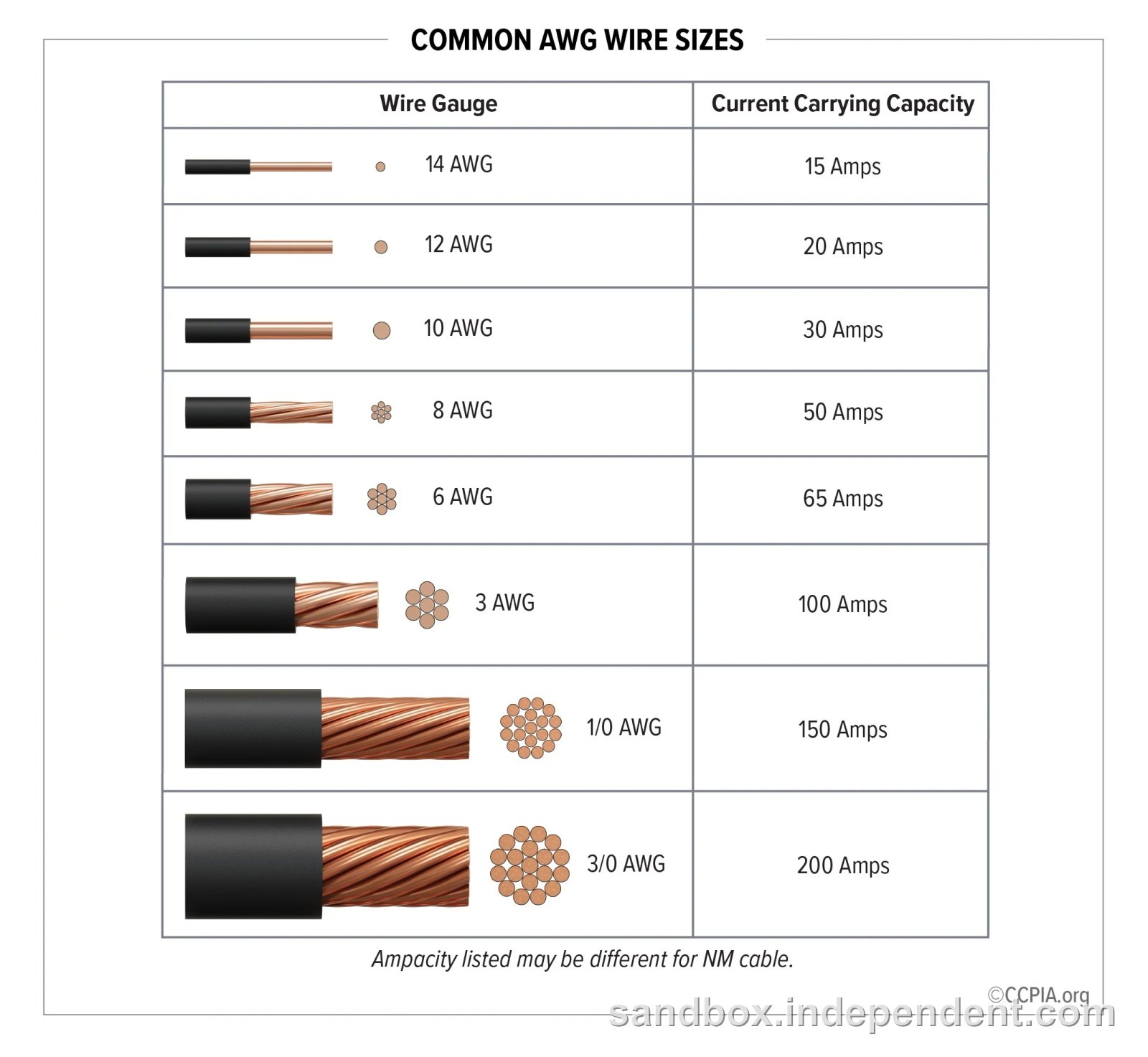
You've landed here because you're seeking a quick solution, right? Well, you're in the right place. My arh chart is your new best friend, a handy reference guide that will save you time and effort. It's a simple yet powerful tool, offering a visual representation of important data, and it's an easy way to keep track of things. Whether you're a pro or a beginner, this chart reading technique is accessible and practical. With my arh chart, you'll find standard measurements presented clearly, and it's a great visual aid to have on hand.
Understanding the My ARH Chart: A Quick Overview
The My ARH Chart is a valuable visual aid that provides a simple yet effective way to understand and interpret data. It offers a quick reference for various measurements and can be customized to suit different needs. This chart is an essential tool for anyone looking to streamline their understanding of specific scales and standards.
Comparing My ARH Chart with Other Options
While there are various charts and reference tables available, My ARH Chart stands out for its versatility and ease of use. It covers a wide range of measurements, making it a practical choice for everyday applications. Unlike other charts, it offers a clear, standardized format, ensuring consistency and accuracy.
Step-by-Step Guide to Using My ARH Chart
- Identify the category or measurement you need to reference. This could be length, weight, or any other specific parameter.
- Locate the relevant section on the chart. Each section is clearly labeled, making it easy to find the information you require.
- Read the values or categories provided. The chart offers a range of options, ensuring you can find the precise measurement you need.
- Interpret the data. Depending on your application, you can use the values to make informed decisions or calculations.
- Customize if needed. My ARH Chart allows for adjustments to suit specific requirements. You can add notes or create your own categories for a personalized experience.
Avoiding Common Mistakes and Ensuring Accuracy
To ensure you get the most out of My ARH Chart, it's important to be aware of potential pitfalls. Always double-check the units and ensure they align with your specific needs. Different regions and industries may have varying standards, so it's crucial to verify the correct measurements. Additionally, pay attention to the scale and ensure you're interpreting the data accurately. A small mistake in reading the chart can lead to significant errors.
Getting the Most Accurate Results with My ARH Chart
For the best results, keep your My ARH Chart up-to-date. Regularly check for any new standards or updates to ensure you're working with the latest information. Consider creating a digital version or a physical copy for easy access. Additionally, share your chart with colleagues or peers to promote consistency and accurate interpretation. By following these tips, you can make the most of this practical tool and enhance your understanding of various measurements and scales.
Well, there you have it! A simple, step-by-step guide to creating your own 'My ARH Chart'. Remember, the key is to adapt and personalize it to your needs, so take some time to ensure it fits your context perfectly.
Feel free to explore other guides on our site; we've got a range of practical resources to help you tackle various tasks and projects. Happy charting!
Related: Biggest Construction Companies In World Essential Guide
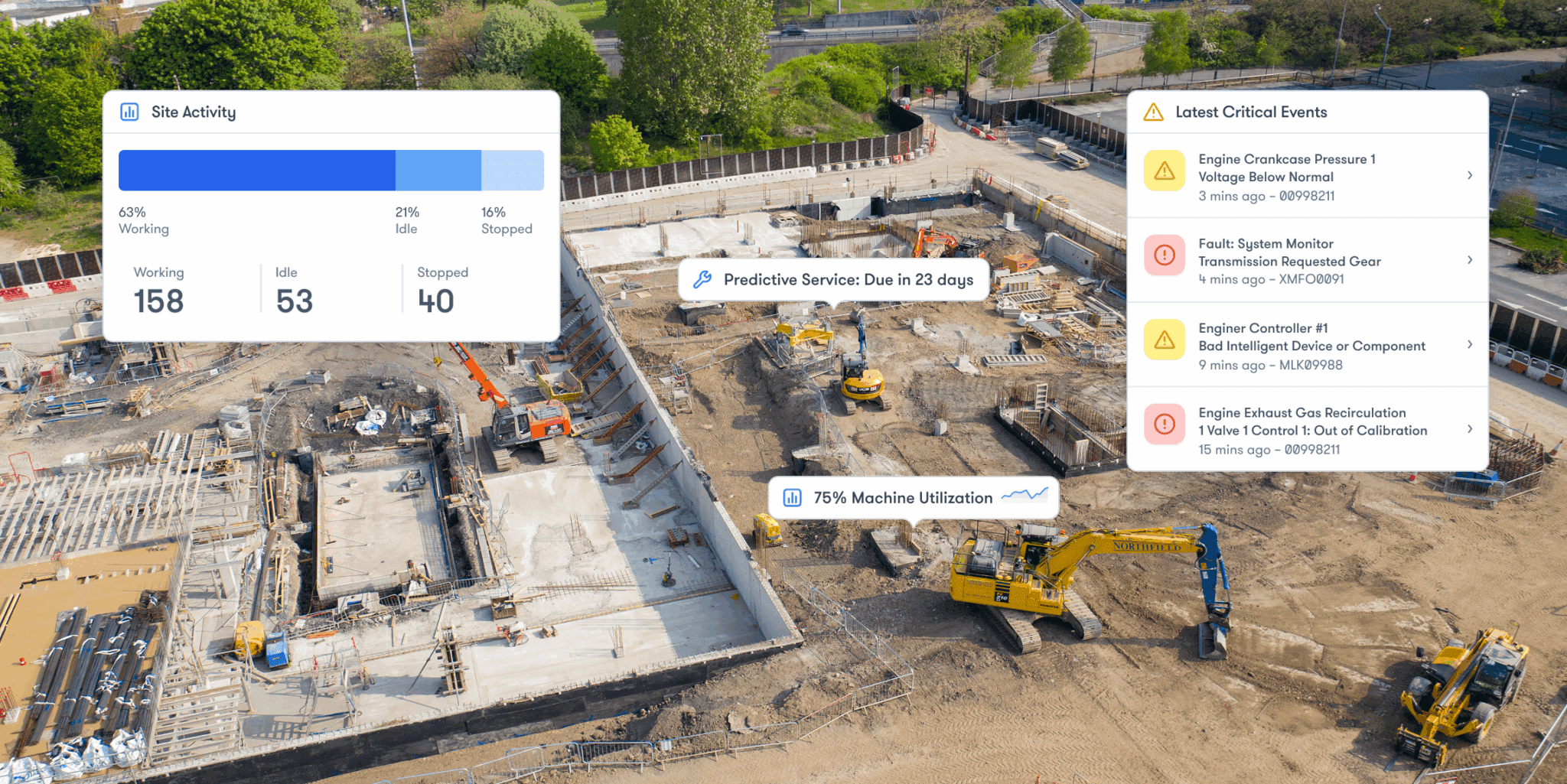
I was walking past a huge construction site the other day and it got me thinking about biggest construction companies in world. Who are these giants, and what do they do? Well, let's find out!
The Giants of Construction
When we talk about the biggest construction companies in the world, we're referring to the global players in the industry. These are the firms that take on massive projects, often spanning multiple countries and continents. They're the ones building iconic skyscrapers, designing innovative infrastructure, and shaping our cities and landscapes.
So, what makes these companies so big? It's a combination of factors. They have the resources, the expertise, and the global reach to take on projects that smaller companies might find daunting. These firms often have a diverse range of capabilities, from architecture and engineering to project management and construction execution.
Practical Considerations
If you're considering hiring one of these giants for a project, there are a few things to keep in mind. First, they're likely to be more expensive than smaller, local companies. This is due to their overhead costs, the complexity of their operations, and the fact that they often have to source materials and labor from a variety of places.
However, their size also means they can offer certain advantages. They often have access to the latest technology and innovative solutions, and their vast experience means they can handle complex projects with ease. They also tend to have strong relationships with suppliers and subcontractors, which can streamline the process.
When comparing quotes, make sure to get detailed, written estimates. Ask about the scope of work, timelines, and any potential extra costs. It's also worth checking references and previous projects to get a sense of their quality and reliability.
Company Names and Branding
Naming a construction company is an art. It needs to be memorable, professional, and reflect the company's values and services. Some of the biggest construction companies have simple, powerful names that stick in your mind. For example, think of Bechtel, Vinci, or Laing O'Rourke.
If you're starting a construction business, here are a few name ideas to get you started:
- BuildMaster
- Constructo
- Skyrise
- TerraFirm
- BuildTech
- GlobalBuild
Remember to check name availability and register your business name locally to avoid any legal issues.
Industry Tools and Data
The construction industry relies on various tools and data sources to estimate costs, manage projects, and stay competitive. One such tool is RSMeans, a comprehensive cost database used by contractors and estimators to price projects accurately. It provides detailed information on materials, labor, and equipment costs, helping companies bid for projects confidently.
The Outlook
The construction industry is constantly evolving, and the biggest companies are at the forefront of this change. They're investing in technology, adopting sustainable practices, and finding innovative solutions to industry challenges. With a focus on efficiency, sustainability, and digital transformation, these companies are shaping the future of construction.
So, that's a glimpse into the world of the biggest construction companies. They're the giants of the industry, with the resources and expertise to take on the most ambitious projects. While they may not be right for every job, their size and capabilities offer a unique set of advantages.
If you're considering a major construction project, it's worth researching these companies and understanding their strengths and weaknesses. It's a fascinating industry, and these companies are the true leaders, shaping our world one project at a time.
Related: What's the best deer feeding chart for me?
You've likely landed here with a specific goal: to find a clear, concise deer feeding chart that offers reliable information at a glance. This chart is your go-to resource, a simple yet powerful tool for understanding deer nutrition and feeding practices. It provides a quick reference, ensuring you can make informed decisions about deer diet and care. While the exact values and formats may vary, depending on factors like region and specific needs, the deer feeding chart serves as an essential guide, offering insights into deer nutrition and the seasonal changes in their diet.
Understanding the Deer Feeding Chart
The deer feeding chart is a valuable tool for anyone managing deer populations or interested in their nutrition. It provides a comprehensive overview of the dietary needs of deer, offering insights into their feeding habits and requirements. This chart is designed to simplify the process of understanding deer nutrition and ensuring their proper care.
Comparing Chart Formats and Standards
There are various formats and standards for deer feeding charts, often influenced by regional differences and specific use cases. These charts typically present information on the nutritional composition of deer diets, including the percentage of protein, fiber, and other essential nutrients. They may also provide guidelines on the recommended daily intake and the types of forage available during different seasons.
Step-by-Step Guide to Using the Chart
To utilize the deer feeding chart effectively, follow these steps:
Identify the age and weight of the deer you are caring for. This information is crucial as nutritional requirements vary based on these factors.
Locate the relevant section on the chart that corresponds to the deer's age and weight. The chart often has distinct categories for fawns, yearlings, and adult deer.
Read the nutritional values and guidelines provided for each category. Pay attention to the recommended daily intake and the types of forage suggested.
Adjust the feeding plan based on the chart's recommendations. Ensure a balanced diet by providing the right proportion of protein, fiber, and other nutrients.
Monitor the deer's health and behavior. If any issues arise, consult an expert or adjust the feeding plan accordingly.
Avoiding Common Misinterpretations
It's essential to note that deer feeding charts provide general guidelines, and individual deer may have unique needs. Here are some common misinterpretations to avoid:
Assuming that the chart covers all scenarios: Always consider the specific context and environment in which the deer are living. Factors like weather, habitat, and available forage may require adjustments to the feeding plan.
Neglecting individual variations: Each deer is unique, and their nutritional needs can vary. Keep a close eye on their health and behavior to ensure they are receiving adequate nutrition.
Overlooking seasonal changes: Deer's dietary requirements often change with the seasons. The chart should be used as a dynamic tool, adapting to the changing needs of deer throughout the year.
Factors Affecting Accuracy and Real-World Application
When using a deer feeding chart, keep in mind the following key factors that can influence its accuracy and practical application:
Forage availability: The type and amount of forage available in a deer's habitat can greatly impact their diet. Ensure you understand the local forage options and their nutritional value.
Weather conditions: Extreme weather events can affect the nutritional content of forage. Be prepared to adjust feeding plans during droughts, floods, or other weather-related challenges.
Deer diet composition: While the chart provides a guide, deer may have preferences for certain foods. Observe their feeding habits and adjust the diet accordingly.
Special considerations: Pregnant or nursing does, as well as injured or sick deer, may have unique nutritional needs. Consult experts for specialized feeding plans in such cases.
Remember, while the deer feeding chart is a valuable resource, it should be used flexibly and adapted to the specific needs of the deer in your care. Regular monitoring and expert advice can ensure the health and well-being of these magnificent animals.
Remember, every deer and its needs are unique, so while this chart provides a fantastic starting point, you may need to make small adjustments to find the perfect feeding routine for your furry friends. It's all about finding that sweet spot!
We've got a whole library of practical guides just like this one, covering various topics to help you navigate the wonderful world of wildlife care. So, feel free to explore and discover more tips and tricks to enhance your outdoor adventures and make the most of your time with nature's creatures. Happy reading and happy feeding!